
A Global Depository Receipt (GDR) stands as a pivotal financial instrument in the intricate world of international investing and corporate finance. Essentially, a GDR is a certificate issued by a depository bank, representing shares in a foreign company that are traded on a local stock exchange. It allows companies to raise capital in international markets by facilitating the ownership of their shares by investors in different countries, without requiring those investors to directly purchase shares on the company’s domestic exchange. This mechanism effectively bypasses many of the logistical and regulatory hurdles associated with cross-border stock trading, making foreign investment more accessible and appealing. For investors, GDRs offer a convenient pathway to diversify portfolios geographically and tap into growth opportunities in emerging or established markets that might otherwise be difficult to access. For the issuing companies, GDRs open the door to a broader investor base and often more favorable funding conditions than might be available purely domestically.
Unpacking the Concept: Bridging Capital Markets
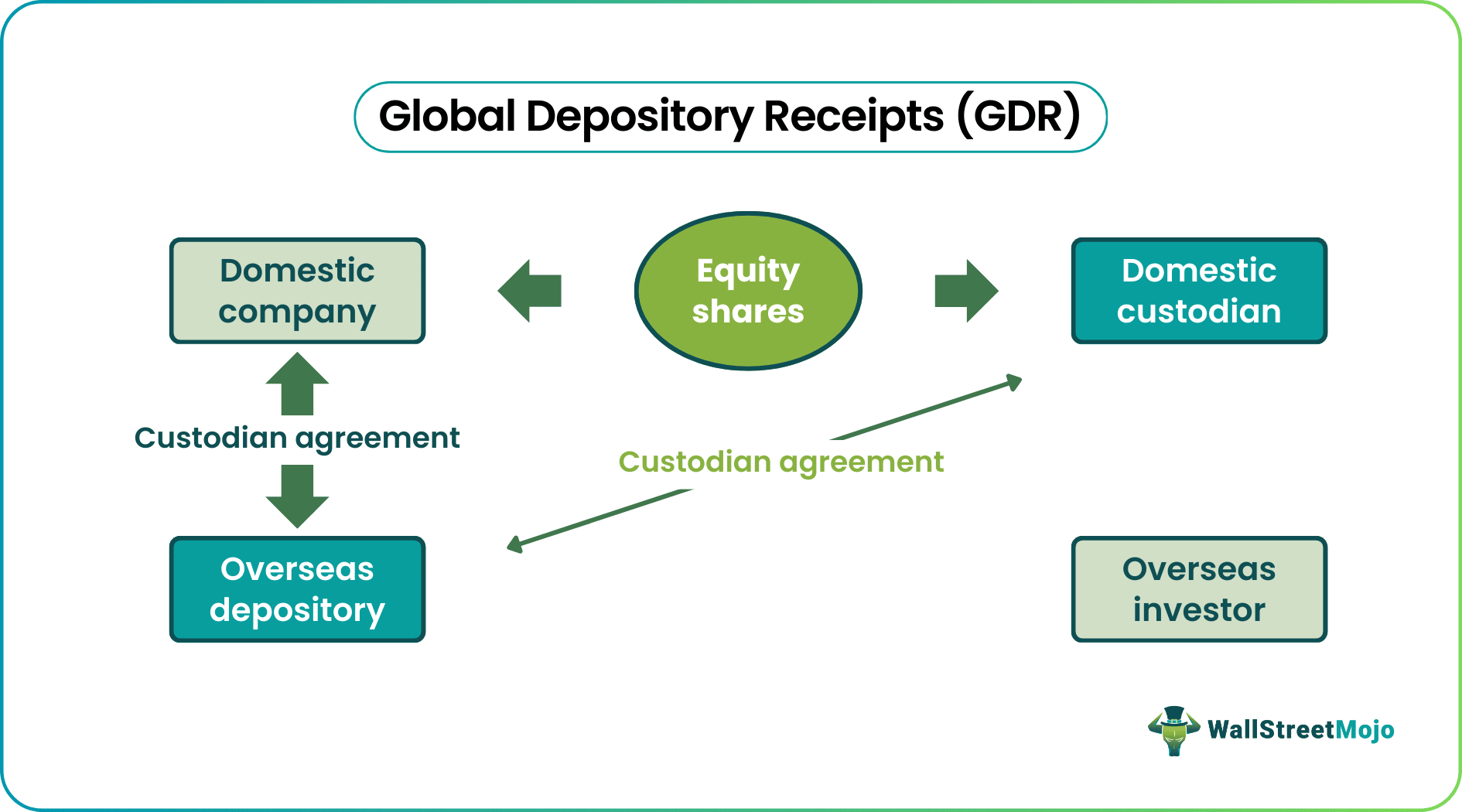
The fundamental purpose of a Global Depository Receipt is to create a seamless bridge between a company’s home market and international capital markets. This financial innovation allows a company based in one country to have its equity traded in another country’s stock market, without going through the complex and often costly process of a full, direct listing on foreign exchanges. Instead, the company’s underlying shares are held by a custodian bank in its home country, and a depository bank in the target international market issues the GDRs. These GDRs then represent a specific number of the underlying shares, and they trade just like any other security on the foreign exchange. This structure simplifies compliance and administrative burdens for both the issuer and the investor, fostering greater liquidity and broader market participation.
The Mechanics of Issuance
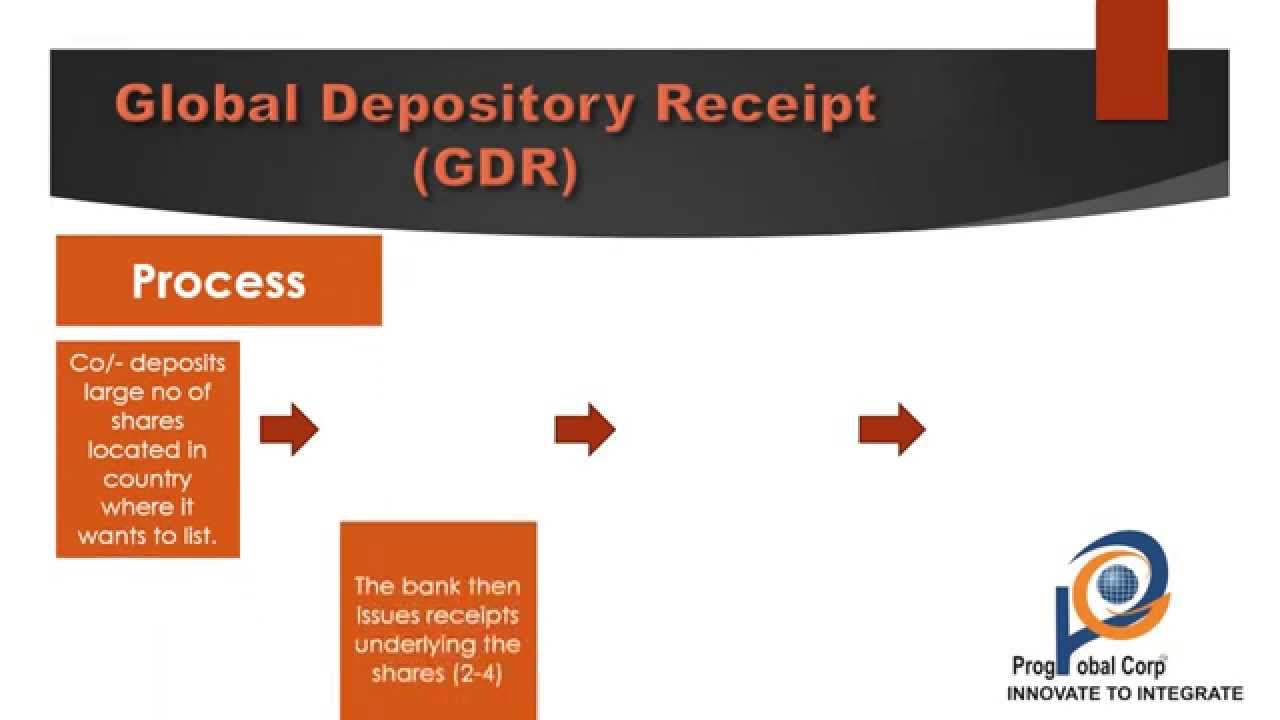
The process of issuing a GDR involves several key players and distinct steps. It typically begins with a company deciding to raise capital internationally. The company then partners with a depository bank, often a large international financial institution. This depository bank, in turn, engages a custodian bank in the company’s home country. The company’s original shares are deposited with this custodian bank. Based on these deposited shares, the depository bank then issues the GDRs. Each GDR typically represents a certain number of underlying shares of the foreign company, although it can also represent a fraction of a share. These GDRs are then listed and traded on international stock exchanges, such as the London Stock Exchange or the Luxembourg Stock Exchange. Investors purchase and sell these GDRs in their local currency, eliminating the need for direct foreign exchange transactions for each trade. The price of a GDR is intrinsically linked to the price of the underlying shares in the home market, adjusted for the exchange rate and any premium or discount related to international demand and supply. This intricate yet efficient system ensures that investors gain exposure to foreign equities while operating within their familiar market infrastructure.
Key Features and Benefits for Investors
For investors, GDRs present a compelling opportunity to expand their investment horizons beyond domestic borders. They offer a practical solution for accessing growth stories in diverse economies, mitigating risks through geographical diversification, and enhancing overall portfolio resilience. The simplicity of trading and settlement, coupled with potential for currency-related gains, makes GDRs an attractive proposition for both institutional and individual investors seeking international exposure.
Access to Foreign Markets
One of the most significant advantages of GDRs for investors is the unparalleled access they provide to foreign equity markets. Without GDRs, investing directly in shares of a company listed exclusively on an overseas exchange can be cumbersome. It often requires opening an account with an international broker, dealing with foreign exchange conversions for each transaction, navigating different market regulations and trading hours, and potentially facing higher transaction costs. GDRs sidestep these complexities by allowing investors to buy and sell certificates representing foreign shares directly on their local or a major international exchange, using their familiar currency and brokerage accounts. This dramatically lowers the barrier to entry for international investing, enabling broader participation in global economic growth.
Currency Diversification and Risk Mitigation
Investing in GDRs also offers a powerful tool for currency diversification. When an investor buys a GDR, they are not only gaining exposure to the performance of the underlying company but also indirectly to the currency of that company’s home country. If the foreign currency strengthens against the investor’s home currency, the value of the GDR, when converted back, could potentially increase, providing an additional layer of return. Conversely, a weakening foreign currency poses a risk. This dual exposure can be strategically managed to mitigate overall portfolio risk. By holding assets denominated in different currencies, investors can cushion the impact of adverse movements in any single currency, thereby enhancing the stability and long-term performance of their investment portfolio. Furthermore, investing in companies across different economies and regulatory environments can reduce specific market risks associated with an over-concentration in a single domestic market.
Liquidity and Trading Advantages
GDRs are typically traded on major international stock exchanges, which are characterized by deep liquidity and robust trading infrastructures. This means investors can usually buy and sell GDRs with relative ease and efficiency, benefiting from tight bid-ask spreads and prompt settlement. The high trading volumes on these global exchanges ensure that investors can enter or exit their positions without significantly impacting the market price, unlike potentially less liquid domestic markets of the underlying company. Moreover, many GDRs are quoted in widely accepted international currencies, like the US dollar, which further enhances their appeal and ease of trading across different geographical regions. This combination of accessibility, liquidity, and streamlined trading makes GDRs a highly practical and advantageous investment vehicle for international diversification.
Advantages for Issuing Companies
While GDRs offer substantial benefits to investors, their utility for the issuing companies themselves is equally profound. For businesses looking to scale, innovate, or expand their global footprint, GDRs provide a strategic avenue to tap into broader capital pools, enhance their corporate profile, and achieve more favorable funding terms. This access to international investors is often a critical component of a company’s long-term growth strategy, enabling them to fund ambitious projects and secure a competitive edge.
Tapping Global Capital
One of the primary motivations for a company to issue GDRs is to access a wider and deeper pool of capital than might be available in its domestic market alone. By listing GDRs on major international exchanges, companies can attract investment from institutional investors, pension funds, mutual funds, and individual investors across multiple continents. This broadened investor base not only increases the amount of capital available but can also lead to more competitive pricing for their shares. In many cases, companies from emerging markets, in particular, find that international investors possess a greater appetite for growth-oriented investments or are willing to accept lower returns for higher quality assets, leading to more attractive valuations and lower cost of capital compared to domestic fundraising. This influx of global capital can be crucial for financing large-scale expansions, mergers and acquisitions, research and development, or simply strengthening the company’s balance sheet.
Enhanced Visibility and Valuation

Issuing GDRs on prestigious international exchanges significantly elevates a company’s global profile and visibility. Being listed alongside multinational corporations on platforms like the London Stock Exchange or Nasdaq lends credibility and prestige. This increased exposure can lead to greater analyst coverage, media attention, and ultimately, a better understanding of the company’s business model and prospects among a wider investment community. Higher visibility often translates into increased investor demand, which can positively impact the company’s share price and overall market valuation. Furthermore, international investors, particularly those in developed markets, often apply different valuation metrics or are less constrained by local market sentiment. This can sometimes result in a higher valuation for the company’s equity compared to what it might achieve solely in its home market, reflecting a more global assessment of its growth potential and intrinsic value.
Streamlined Fundraising
Compared to a full direct listing on a foreign stock exchange, issuing GDRs offers a more streamlined and often less burdensome fundraising process. A direct listing in a foreign country typically involves meeting stringent regulatory requirements of that country, which can be complex, time-consuming, and expensive. It may also necessitate significant adjustments to corporate governance structures and reporting standards to align with foreign regulations. GDRs, while still requiring compliance with certain regulations, simplify much of this process. The depository bank handles many of the administrative and compliance aspects related to the trading of the certificates, allowing the issuing company to focus more on its core business. This efficiency can reduce the overall cost and timeline associated with international capital raising, making it a more attractive option for companies seeking to quickly access global funds without undertaking a full-fledged international IPO.
Types of GDRs and Issuance Methods
The landscape of Global Depository Receipts is not monolithic; various structures and methods exist to cater to different corporate needs and investor preferences. Understanding these distinctions is crucial for both companies considering an international listing and investors evaluating potential opportunities. The primary differentiators often relate to the level of involvement of the issuing company and the mechanism through which the GDRs are offered to the public.
Sponsored vs. Unsponsored GDRs
GDRs can be broadly categorized into two main types: sponsored and unsponsored. A sponsored GDR is one where the issuing company actively participates in the GDR program. The company signs an agreement with a single depository bank, committing to providing financial information, investor relations support, and adhering to specific listing requirements. This direct involvement signifies the company’s intent to cultivate a relationship with international investors and often leads to higher liquidity and greater investor confidence. Sponsored GDRs are typically traded on major stock exchanges and often require the company to adhere to stricter disclosure and reporting standards. They are further divided into various “Levels” (e.g., Level I, Level II, Level III for American Depositary Receipts, a similar concept), each with increasing requirements and benefits, allowing for a phased approach to international market access.
In contrast, an unsponsored GDR program is initiated by a depository bank without the direct involvement or formal agreement of the foreign company whose shares are being represented. In this scenario, the depository bank acquires the company’s shares on the open market in its home country and then issues GDRs against those shares. The issuing company does not bear the costs or responsibilities associated with maintaining the GDR program, nor does it typically provide any financial information beyond what is publicly available in its home market. Unsponsored GDRs are generally traded over-the-counter (OTC) rather than on major exchanges, offering less liquidity and typically attracting fewer institutional investors due to the lack of direct company involvement and often less stringent reporting. Investors in unsponsored GDRs primarily rely on information published by the foreign company in its home market.
Public Offerings vs. Private Placements
The method by which GDRs are initially offered to investors also varies. A public offering of GDRs involves making them available to a wide range of investors through an investment bank, similar to an initial public offering (IPO) of domestic shares. In a public offering, the GDRs are listed on a recognized stock exchange, such as the London Stock Exchange or Luxembourg Stock Exchange, allowing for broad distribution and subsequent secondary market trading. This method aims to maximize visibility and raise significant capital from the public investor base. It is typically associated with sponsored GDR programs (e.g., Level II or III ADRs in the US context) and involves comprehensive regulatory disclosures to protect public investors.
Alternatively, GDRs can be offered through a private placement. In this method, the GDRs are sold directly to a select group of sophisticated investors, such as large institutional investors, hedge funds, or high-net-worth individuals, rather than to the general public. Private placements are often less regulated and involve fewer disclosure requirements compared to public offerings, making them a quicker and less costly way for companies to raise capital. However, the investor base is restricted, and the GDRs issued via private placement may have limitations on their resale, often being illiquid compared to publicly traded GDRs. This method is frequently used for initial capital raising before a company decides to pursue a broader public listing or for companies that prefer to maintain a more controlled investor base.
Risks and Considerations
While Global Depository Receipts offer numerous benefits, they are not without their risks. Investors must carefully evaluate these potential downsides before committing capital, as they can significantly impact investment returns and portfolio performance. Understanding these risks is crucial for making informed financial decisions and managing expectations when investing in international equities through GDRs.
Currency Fluctuations
One of the most prominent risks associated with GDRs is exposure to currency fluctuations. The value of a GDR is intrinsically linked to the performance of the underlying shares in their home currency, but the GDR itself trades in a different currency (e.g., USD for many international GDRs). If the currency of the underlying shares depreciates significantly against the currency in which the GDR is traded, the value of the GDR will decline, even if the underlying company’s performance remains strong in its local currency terms. Conversely, a strengthening foreign currency can provide an additional return. This means investors are taking on both equity risk and foreign exchange risk. Hedging strategies can be employed to mitigate currency risk, but these often come with additional costs and complexities, and they do not eliminate the risk entirely.
Regulatory and Political Risks
Investing in foreign companies through GDRs also exposes investors to the regulatory and political risks of the company’s home country. Foreign regulatory environments can be complex, less transparent, or subject to sudden changes compared to an investor’s home market. Governments may impose new taxes, restrict capital flows, implement stricter environmental regulations, or even nationalize industries, all of which can negatively impact the profitability and valuation of the underlying company. Political instability, civil unrest, or changes in international relations can also create significant uncertainty and volatility in the local stock market, directly affecting the value of the GDRs. These geopolitical factors are often unpredictable and can be difficult for investors to assess or mitigate.
Market Volatility and Liquidity Concerns
GDRs are subject to market volatility, which can be amplified in foreign markets, particularly in emerging economies. These markets may be less mature, less regulated, and more susceptible to speculative trading, leading to more dramatic price swings than observed in developed markets. While many GDRs are traded on highly liquid international exchanges, the liquidity of a specific GDR can sometimes be lower than that of its underlying shares in the home market, especially for less prominent companies or unsponsored programs. Lower liquidity can lead to wider bid-ask spreads, making it more costly to enter or exit positions, and can exacerbate price movements during periods of market stress. Furthermore, events impacting the home market of the underlying shares, even if not directly related to the company’s performance, can lead to significant shifts in GDR prices, requiring investors to monitor multiple market dynamics.
aViewFromTheCave is a participant in the Amazon Services LLC Associates Program, an affiliate advertising program designed to provide a means for sites to earn advertising fees by advertising and linking to Amazon.com. Amazon, the Amazon logo, AmazonSupply, and the AmazonSupply logo are trademarks of Amazon.com, Inc. or its affiliates. As an Amazon Associate we earn affiliate commissions from qualifying purchases.