
The word “give” in English is remarkably versatile, encompassing a wide range of actions, from bestowing a gift to yielding to pressure. When we venture into Spanish, the translation isn’t as straightforward as a one-to-one correspondence. The Spanish language, rich in its ability to express subtle distinctions, offers several verbs that capture different facets of “giving.” Understanding these variations is crucial for anyone looking to communicate effectively, whether it’s in casual conversation, business dealings, or even when navigating the digital landscape of technology and branding.
This exploration will delve into the common Spanish translations of “give,” examining the contexts in which each is used. We’ll touch upon how these translations might influence our understanding of concepts related to sharing information, the strategic dissemination of brand messages, and even the flow of capital and resources in the financial world.
The Core Verbs: Dar and Regalar
At the heart of translating “give” in Spanish are two fundamental verbs: dar and regalar. While both convey the idea of transferring something to another person, their usage is dictated by the nature of what is being given and the intention behind the act.
Dar: The General Act of Giving
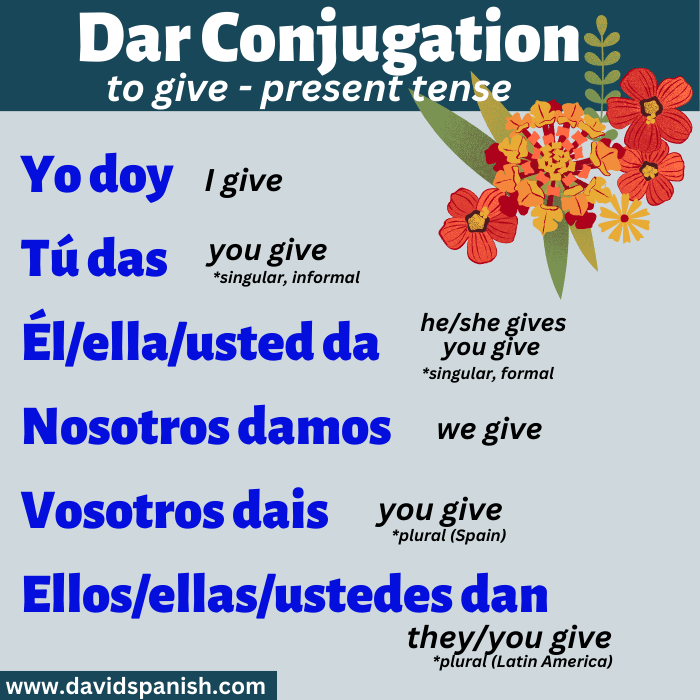
Dar is the most common and general-purpose verb for “to give.” It’s the workhorse that covers a vast spectrum of giving scenarios, from the mundane to the significant. Think of it as the default translation unless a more specific nuance is intended.
- Everyday Transactions: When you “give” someone money, you das dinero. If you “give” a book to a friend, you das un libro. This applies to any exchange where the item isn’t necessarily a gift with a celebratory undertone.
- Example: “Te daré mi número de teléfono.” (I will give you my phone number.)
- Example: “Ella dio un discurso inspirador.” (She gave an inspiring speech.)
- Abstract Concepts and Information: Dar is also used for giving abstract things like advice, help, or information.
- Example: “Necesito dar una respuesta pronto.” (I need to give an answer soon.)
- Example: “Él siempre da buenos consejos.” (He always gives good advice.)
- Physical Sensations and Experiences: Interestingly, dar can also be used to describe the sensation of something being given to you, like a feeling or an experience.
- Example: “La noticia me dio mucha alegría.” (The news gave me a lot of joy.)
- Example: “Este clima me da escalofríos.” (This weather gives me chills.)
The versatility of dar makes it indispensable. In a technological context, when we “give” access to a software, damos acceso. When a company “gives” a press release, da un comunicado de prensa. In marketing, a brand might “give” away samples, dar muestras. In finance, you might “give” a loan, dar un préstamo. It’s the foundational verb.
Regalar: The Act of Gifting
Regalar specifically denotes “to give a gift” or “to gift.” This verb carries a connotation of generosity, celebration, or an act of kindness that is intended as a present. It implies that the item is not part of a transaction or an obligation, but rather a voluntary offering of something special.
- Gifts for Occasions: This is where regalar shines. Birthdays, holidays, anniversaries – any occasion where a gift is exchanged calls for regalar.
- Example: “Mis amigos me regalaron un libro para mi cumpleaños.” (My friends gifted me a book for my birthday.)
- Example: “¿Qué le vas a regalar a tu madre?” (What are you going to gift your mother?)
- Acts of Generosity and Affection: Beyond formal occasions, regalar can describe giving something out of pure affection or a desire to please.
- Example: “Ella regaló una sonrisa al pasar.” (She gifted a smile as she passed.) (Here, “smile” is used metaphorically as a gift of good cheer.)
In the context of branding, a company might regalar promotional items. In the realm of personal branding, you might regalar your expertise through free workshops. While dar can be used for any exchange, regalar specifically elevates the act to that of a present.
Nuances and Specialized Translations
Beyond these two core verbs, the Spanish language offers other ways to express “give,” each with its own subtle meaning, often dictated by the object being given or the context of the action.
Entregar: To Hand Over or Deliver
Entregar translates to “to hand over,” “to deliver,” or “to submit.” This verb emphasizes the physical act of passing something from one person to another, often implying responsibility or completion of a task.
- Completion and Delivery: When you entregas a project, you are handing it over after completion. When a package is delivered, it is entregado.
- Example: “El cartero entregó el paquete esta mañana.” (The postman delivered the package this morning.)
- Example: “Debes entregar tu tarea antes del viernes.” (You must hand in your homework before Friday.)
- Surrender: In some contexts, entregar can also mean to surrender or give oneself up.
- Example: “El ladrón se entregó a la policía.” (The thief surrendered to the police.)
In the tech world, software updates are entregados. In the business realm, proposals are entregadas. This verb speaks to the finality and physical transfer of something.
Ofrecer: To Offer
Ofrecer means “to offer.” This verb highlights the proactive action of presenting something for acceptance or rejection. It implies an invitation rather than a direct transfer.
- Proposing Something: When you ofreces help, you are proposing it. When a company ofrece a new service, it’s making it available.
- Example: “La empresa ofrece excelentes beneficios a sus empleados.” (The company offers excellent benefits to its employees.)
- Example: “Te ofrezco mi ayuda si la necesitas.” (I offer you my help if you need it.)
- Making a Bid: In a commercial sense, to ofrecer a price is to make a bid.
This verb is crucial in marketing and branding, where companies ofrecen value propositions. In finance, investment firms ofrecen opportunities. It’s about putting something on the table for consideration.
Proporcionar: To Provide
Proporcionar translates to “to provide” or “to supply.” This verb suggests furnishing something necessary or useful, often in a more formal or systematic way than simply “giving.”
- Supplying Resources: When an organization proporciona resources, it’s supplying them for a specific purpose.
- Example: “El gobierno proporciona fondos para la investigación.” (The government provides funds for research.)
- Example: “La aplicación proporciona datos en tiempo real.” (The app provides real-time data.)
- Making Available: It’s about making something available to meet a need.

In technology, AI tools proporcionan insights. In business, a company might proporcionar a service. This verb implies a more structured and purposeful provision.
Context is King: Applying “Give” in Different Domains
The choice of Spanish verb for “give” is heavily influenced by the context, especially within the domains that this website explores: Tech, Brand, and Money.
H2: Giving in the Realm of Technology
In technology, the act of “giving” can manifest in numerous ways, each requiring a specific Spanish verb.
H3: Giving Access and Information
When a software company “gives” access to its platform, it’s often about dar acceso or proporcionar acceso. If it’s a free trial, it might be ofrecer acceso gratuito. Tutorials are often designed to “give” knowledge, so dar conocimiento or proporcionar información are apt. The digital security aspect of tech involves “giving” users the tools to protect themselves, hence proporcionar herramientas de seguridad.
- AI Tools: AI models proporcionan analytical capabilities. Developers dan feedback on beta versions. Users reciben (receive, the opposite of giving) insights.
- Apps and Gadgets: Apps dan functionality. Manufacturers ofrecen new gadgets. Updates are entregados.
H3: Giving Updates and Support
Software updates are not just “given”; they are entregados. Technical support aims to “give” solutions, so dar soluciones or proporcionar asistencia are common. Bug fixes are “given” to users, so the concept leans towards dar or entregar.
H2: Giving in the Sphere of Branding and Marketing
Branding is all about how a company “gives” itself to the world, and how it interacts with its audience.
H3: Giving Value and Identity
A brand’s identity is what it “gives” to the public. This can be expressed through its core values, which the brand proporciona. Marketing campaigns aim to “give” a message to the target audience, often through dar un mensaje or transmitir (to transmit, closely related). When a brand is generous, it might regalar samples or merchandise.
- Brand Strategy: Successful strategies dan direction. Corporate identity is what a company proporciona consistently.
- Reputation: A good reputation is something a company builds and, in a sense, “gives” to itself through consistent positive actions. Customer testimonials “give” credibility.
H3: Giving Incentives and Experiences
Promotions often involve “giving” discounts or bonuses, where dar un descuento or ofrecer un bono are common. Creating an engaging customer experience is about “giving” a memorable interaction, which could be described as dar una experiencia positiva. Case studies “give” evidence of success.
H2: Giving in the Financial Landscape
Money, by its very nature, involves a lot of “giving” and receiving.
H3: Giving Loans and Investments
When a bank “gives” a loan, it da un préstamo. An investor “gives” capital, meaning they invierten (invest). The concept of providing financial resources is central.
- Personal Finance: You might “give” money to savings, dar dinero a ahorros, or “give” a portion of your income to charity, dar una parte de tus ingresos a la caridad.
- Online Income and Side Hustles: These often involve “giving” your time and skills in exchange for money. You dan tu tiempo and ofrecen tus habilidades.
H3: Giving Financial Advice and Tools
Financial advisors “give” advice, so dar consejo financiero is standard. Financial tools are “given” to users to help them manage their money, meaning they are proporcionados. When you “give” someone access to your financial accounts (with permission), you das acceso.
Conclusion: The Art of Nuance in Spanish “Giving”
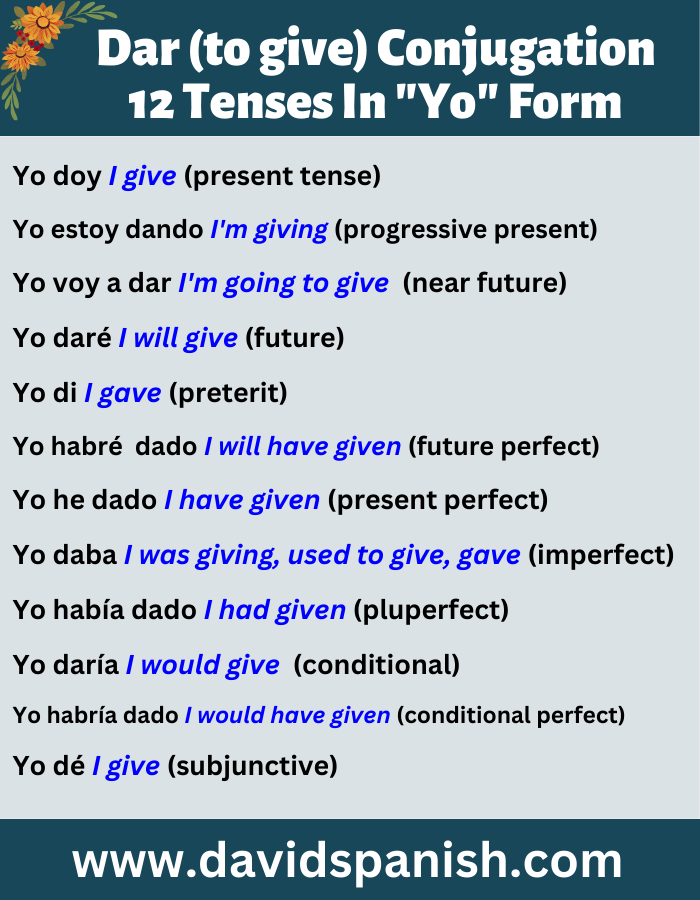
While the English word “give” is a singular entity, its Spanish counterparts are a rich tapestry of verbs, each woven with a specific thread of meaning. From the general act of dar to the celebratory regalar, the functional entregar, the invitational ofrecer, and the systematic proporcionar, Spanish speakers have at their disposal a precise vocabulary to articulate the act of giving.
Understanding these distinctions is not merely an academic exercise. It is fundamental for clear and effective communication, especially when engaging with concepts in technology, branding, and finance. Whether you are discussing the latest AI tool that proporciona insights, a brand that ofrece a unique experience, or a financial plan that da security, choosing the right verb ensures that your message resonates with accuracy and authenticity. The subtle art of Spanish “giving” enriches our ability to connect, transact, and understand the world around us.
aViewFromTheCave is a participant in the Amazon Services LLC Associates Program, an affiliate advertising program designed to provide a means for sites to earn advertising fees by advertising and linking to Amazon.com. Amazon, the Amazon logo, AmazonSupply, and the AmazonSupply logo are trademarks of Amazon.com, Inc. or its affiliates. As an Amazon Associate we earn affiliate commissions from qualifying purchases.