
The traditional restaurant model, defined by prime real estate, expansive dining rooms, and high-touch service, is undergoing a seismic financial shift. At the heart of this transformation is the “ghost kitchen”—a business model that has pivoted the culinary industry away from hospitality and toward high-efficiency production. For entrepreneurs, investors, and business owners, understanding what a ghost kitchen is requires looking past the food and into the balance sheets of a model designed for the digital-first economy.
Commonly referred to as dark kitchens, cloud kitchens, or virtual kitchens, these facilities are professional food preparation environments that have no physical space for walk-in customers. They exist solely to fulfill delivery orders placed through online platforms. From a financial perspective, this represents a radical decoupling of the “product” from the “premises,” offering a high-margin alternative to the capital-intensive nature of traditional brick-and-mortar dining.
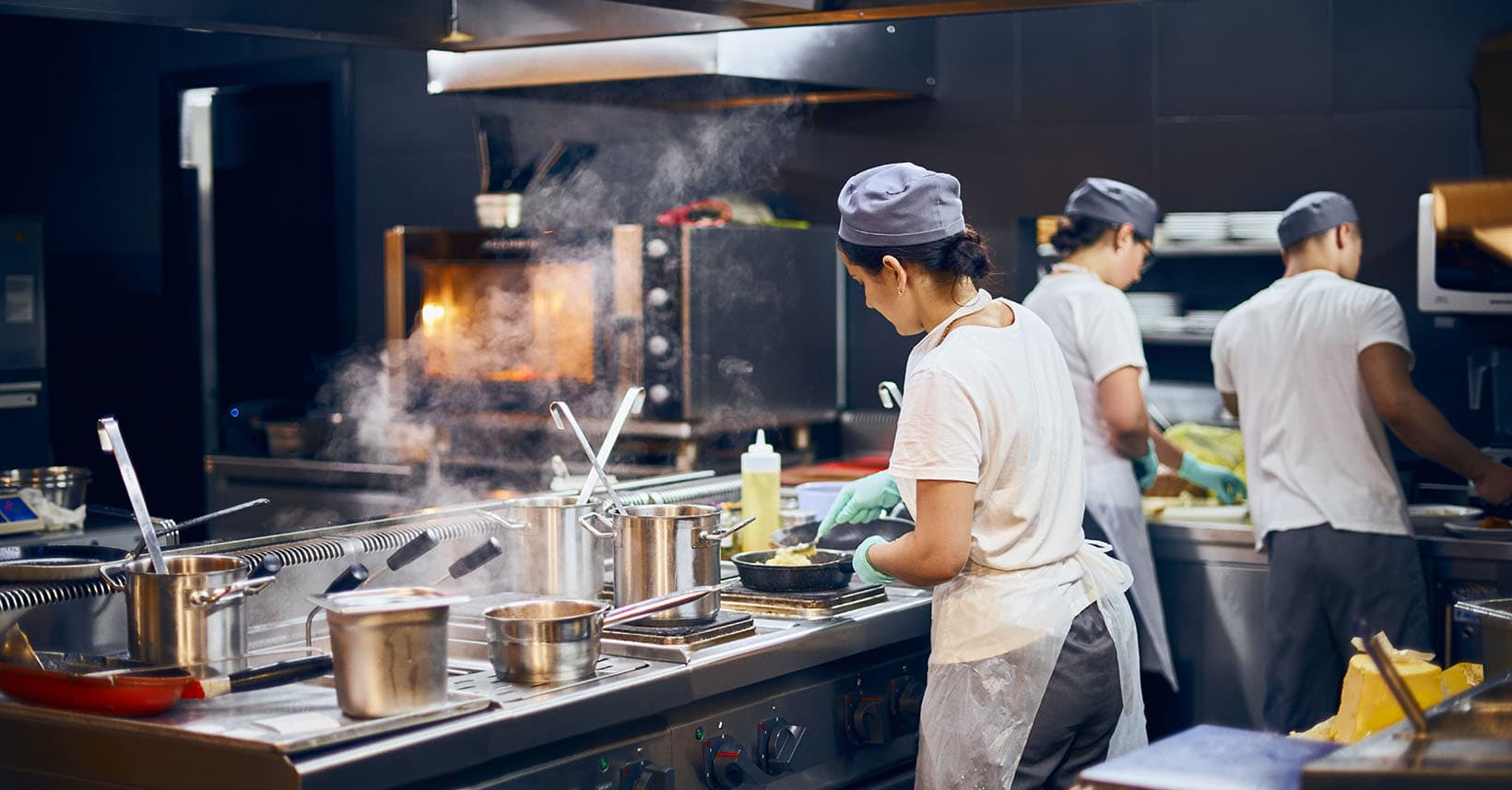
The Financial Blueprint: Why Ghost Kitchens are Reimagining Restaurant Capex
The primary allure of the ghost kitchen model lies in its ability to drastically lower the barriers to entry for food entrepreneurs. In a traditional setting, the capital expenditure (Capex) required to open a restaurant—ranging from interior design and furniture to premium storefront leases—can often reach seven figures.
Lower Entry Barriers and Reduced Capital Expenditures
A ghost kitchen allows a business to launch with a fraction of the traditional startup cost. By leasing space in an industrial zone or a shared kitchen facility, entrepreneurs can bypass the “vanity costs” of the restaurant industry. There is no need for expensive lighting, custom flooring, or high-end bathrooms. Instead, capital is redirected into high-grade kitchen equipment and digital marketing, allowing for a much faster path to the “break-even” point.
Eliminating the “Front of House” Overhead
In the “Money” niche of the food industry, labor is typically the largest variable cost. In a traditional restaurant, you are paying for hosts, servers, bartenders, and bussers, regardless of how many tables are filled. Ghost kitchens effectively eliminate the “Front of House” (FOH) category from the profit and loss statement. This lean operational structure ensures that labor costs are strictly focused on production, which significantly improves the prime cost ratio (the combined cost of labor and goods sold).
Revenue Stream Optimization: Maximizing Profit Margins in the Digital Age
Beyond saving money on rent and labor, ghost kitchens offer unique avenues for revenue generation that are physically impossible in a standard restaurant. The flexibility of the model allows operators to treat their kitchen as a portfolio of brands rather than a single entity.
Leveraging Multi-Brand Synergies for Higher ROI
One of the most potent financial strategies in the ghost kitchen space is the “virtual brand” concept. Because there is no physical signage to change, a single kitchen can operate five different “restaurants” simultaneously. A kitchen might produce gourmet burgers under one name, chicken wings under another, and salad bowls under a third—all using the same ingredients and the same staff. This allows the business to capture multiple market segments on delivery apps (DoorDash, UberEats, etc.) without increasing its fixed costs, exponentially increasing the potential Return on Investment (ROI).
Data-Driven Menu Engineering for Cost Efficiency
Because ghost kitchens operate entirely through digital interfaces, they have access to a wealth of consumer data. Smart operators use this data to perform menu engineering—the process of analyzing the profitability and popularity of menu items. By identifying which items have the lowest food cost and highest demand, ghost kitchens can pivot their offerings in real-time. This agility reduces food waste and ensures that every dollar spent on inventory is optimized for maximum margin.
Navigating the Risk Landscape: The Hidden Costs of Third-Party Platforms

While the ghost kitchen model offers significant savings on rent and labor, it introduces a new set of financial challenges. The shift from physical foot traffic to digital traffic means that the “rent” is no longer paid to a landlord alone; it is paid to delivery platforms in the form of commissions.
The Commission Conundrum: Balancing Volume vs. Margin
The greatest financial hurdle for ghost kitchens is the high commission rate charged by third-party delivery services, which typically ranges from 15% to 30% per order. For a business with thin margins, these fees can be predatory. Financial success in this niche requires a high-volume strategy. To remain profitable, ghost kitchens must maintain a high “velocity of orders” to offset the platform fees, making operational speed and efficiency the most critical metrics for survival.
Marketing Spend in a Crowded Virtual Marketplace
In a traditional restaurant, your storefront is your advertisement. In the ghost kitchen world, you are invisible unless you pay to be seen. This shifts the marketing budget from physical signage to Search Engine Marketing (SEM) and “sponsored listings” on delivery apps. Investors must account for high Customer Acquisition Costs (CAC), particularly in the early stages of a brand’s lifecycle. Without a physical presence to build organic brand equity, the business must continuously reinvest profits into digital visibility.
Scalability and Real Estate: Ghost Kitchens as a Real Estate Investment Play
The ghost kitchen phenomenon isn’t just a shift in how we eat; it’s a shift in how we value commercial real estate. Institutional investors and real estate investment trusts (REITs) are increasingly looking at “Kitchen-as-a-Service” (KaaS) as a high-yield asset class.
Strategic Urban Placement and Industrial Repurposing
Ghost kitchens do not require high-traffic street corners. They can thrive in “back-alley” locations, industrial warehouses, or repurposed parking structures. This allows real estate investors to monetize lower-value land at higher rates. By subdividing a large warehouse into 20 small “plug-and-play” kitchen modules, a landlord can generate significantly more rent per square foot than they would from a traditional logistics tenant.
The “Kitchen-as-a-Service” (KaaS) Subscription Model
For the operator, the KaaS model functions like a coworking space for food. This shift toward a “subscription” or “membership” based financial model allows for greater flexibility. Instead of signing a 10-year commercial lease, a ghost kitchen operator might sign a one-year agreement. This reduces long-term financial liability and allows for rapid scaling—if one location is profitable, an operator can replicate the model in another city within weeks, rather than months or years.
The Future of Culinary Finance: Is the Ghost Kitchen Model Sustainable?
The ghost kitchen market is projected to become a trillion-dollar industry globally by 2030. However, from a business finance perspective, the model is still in its “growth and consolidation” phase. Success requires a meticulous balance of lean operations and aggressive digital branding.
Long-term Asset Appreciation vs. High Operational Churn
One risk for investors is the high churn rate associated with virtual brands. Because it is so easy to start a ghost kitchen, the market is frequently flooded with low-quality competitors. Long-term sustainability depends on the ability to build “brand moat”—loyal customers who order directly from the brand’s website rather than through third-party apps, thereby bypassing the 30% commission and increasing the enterprise value of the business.

Diversification Strategies for Food Entrepreneurs
For the modern food entrepreneur, the ghost kitchen is often one piece of a broader financial strategy. Many successful businesses utilize a “hub-and-spoke” model: a single flagship brick-and-mortar restaurant (the hub) that builds brand prestige, supported by multiple ghost kitchens (the spokes) that handle high-volume delivery demand in outlying areas. This diversified approach mitigates the risk of high-rent storefronts while capturing the massive growth of the delivery market.
In conclusion, a ghost kitchen is more than just a kitchen without a dining room; it is a specialized financial instrument designed for the era of on-demand logistics. By trading the high fixed costs of traditional hospitality for the variable costs of digital platforms, ghost kitchens offer a high-risk, high-reward path for those who can master the art of digital efficiency. For the savvy investor, the ghost kitchen represents the ultimate optimization of culinary commerce.
aViewFromTheCave is a participant in the Amazon Services LLC Associates Program, an affiliate advertising program designed to provide a means for sites to earn advertising fees by advertising and linking to Amazon.com. Amazon, the Amazon logo, AmazonSupply, and the AmazonSupply logo are trademarks of Amazon.com, Inc. or its affiliates. As an Amazon Associate we earn affiliate commissions from qualifying purchases.