
In the hyper-competitive landscape of the health and wellness industry, few names evoke as much immediate recognition—and curiosity—as Geritol. To a casual observer, the question “What is Geritol for?” might seem to have a simple physiological answer. However, from the perspective of brand strategy and corporate identity, Geritol represents something far more complex: a masterclass in legacy brand positioning, the psychology of consumer trust, and the art of navigating generational market shifts.
While modern startups spend millions attempting to manufacture “heritage,” Geritol possesses it inherently. To understand what Geritol is “for” in a business context is to understand how a brand survives for over seven decades, pivoting its messaging without losing its core identity, and maintaining a foothold in a market now dominated by high-tech, Direct-to-Consumer (DTC) wellness giants.
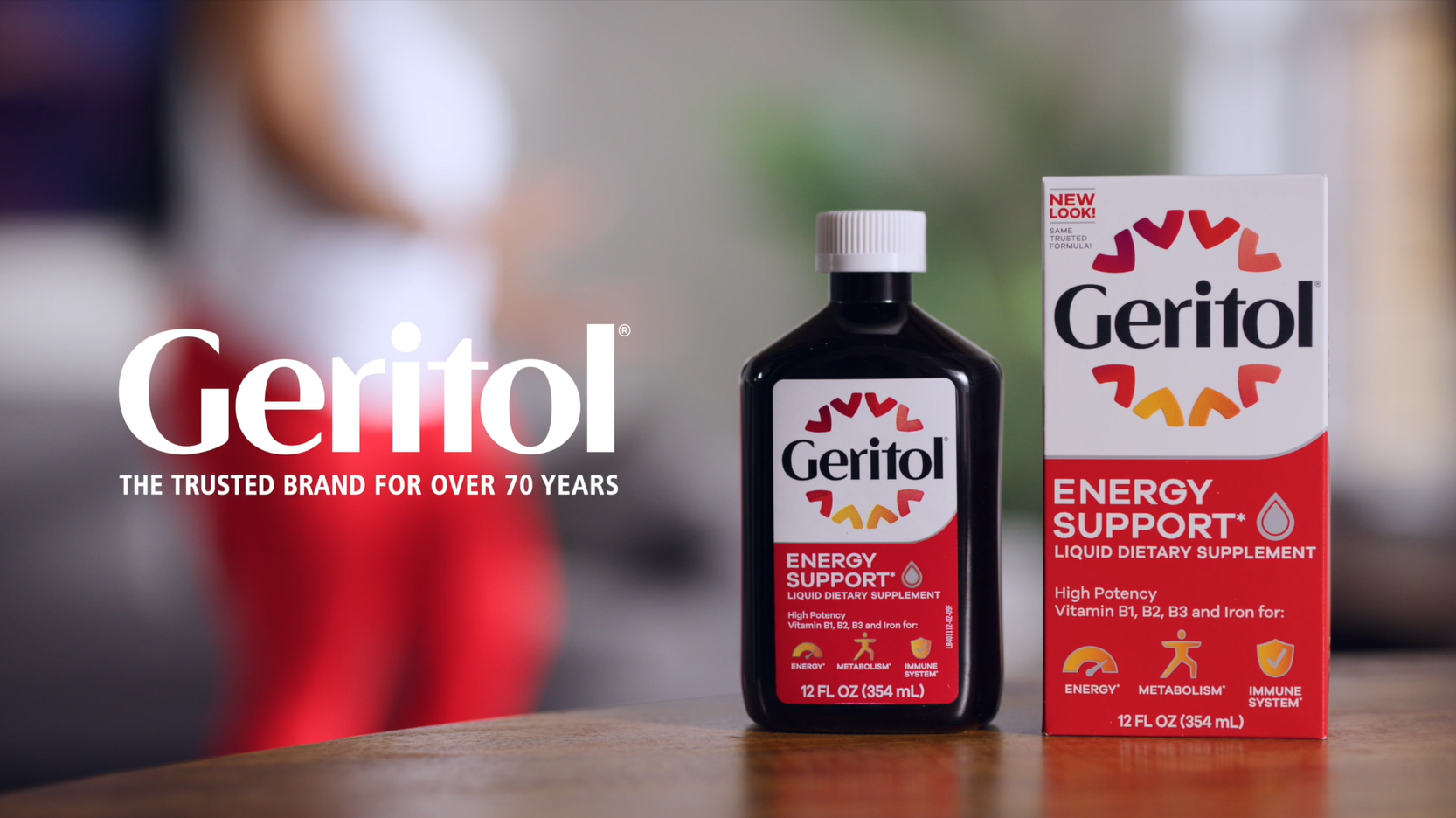
The Anatomy of a Legacy Brand: Understanding Geritol’s Market Position
To analyze Geritol’s brand strategy, one must first look at its origins. Launched in the post-WWII era, Geritol didn’t just sell a product; it sold a solution to a specific cultural anxiety: the fear of “slowing down.”
The “Tired Blood” Era: Defining the Early Value Proposition
In the 1950s and 60s, Geritol’s marketing was defined by one of the most successful—and later controversial—slogans in advertising history: “for tired blood.” This was a brilliant piece of brand positioning. By identifying a relatable symptom (fatigue) and giving it a pseudo-medical name, the brand created a specific niche that it alone could fill. In branding terms, this is known as “category ownership.” Geritol didn’t want to be just another vitamin; it wanted to be the definitive cure for a lack of vitality.
Identifying the Core Consumer Persona
The original Geritol persona was the “exhausted provider” or the “dutiful homemaker.” The brand’s identity was built on the foundation of stability and reliability. During an era when the nuclear family was the primary economic unit, Geritol positioned itself as the fuel that kept that unit running. This established a deep emotional resonance with the “Silent Generation” and early Baby Boomers, creating a reservoir of brand equity that the company still draws upon today.
Rebranding the Narrative: How Geritol Adapted to the Wellness Revolution
As the 21st century arrived, the supplement market underwent a radical transformation. The “one-size-fits-all” approach was replaced by personalized nutrition, and the “medical” aesthetic of legacy brands began to feel dated compared to the sleek, minimalist branding of newcomers. The question of “what Geritol is for” had to be answered anew for a modern audience.
From Iron Supplement to Comprehensive Multivitamin
The most significant strategic pivot for Geritol was the expansion of its product definition. No longer just a high-potency iron tonic, the brand repositioned its flagship products as comprehensive multivitamins. This move was essential for brand survival. By broadening the product’s utility, the brand moved from a “remedial” position (fixing a problem like iron deficiency) to a “preventative” and “maintenance” position (supporting daily health). In marketing terms, this transitioned the brand from a “painkiller” to a “vitamin”—a shift that expanded its Total Addressable Market (TAM).
Pivoting Away from the “Aging” Stigma
For decades, Geritol was colloquially associated with the elderly. While a loyal aging demographic is a goldmine for recurring revenue, it can also lead to “brand senescence,” where the brand dies along with its original customers. To counter this, Geritol’s corporate strategy involved subtle but firm shifts in imagery and messaging. Modern Geritol branding focuses on “energy at any age,” utilizing vibrant lifestyle photography that emphasizes activity and vitality rather than just the absence of fatigue. This allows the brand to appeal to Gen X and older Millennials who are beginning to prioritize longevity.
The Power of Brand Trust in the Supplement Industry
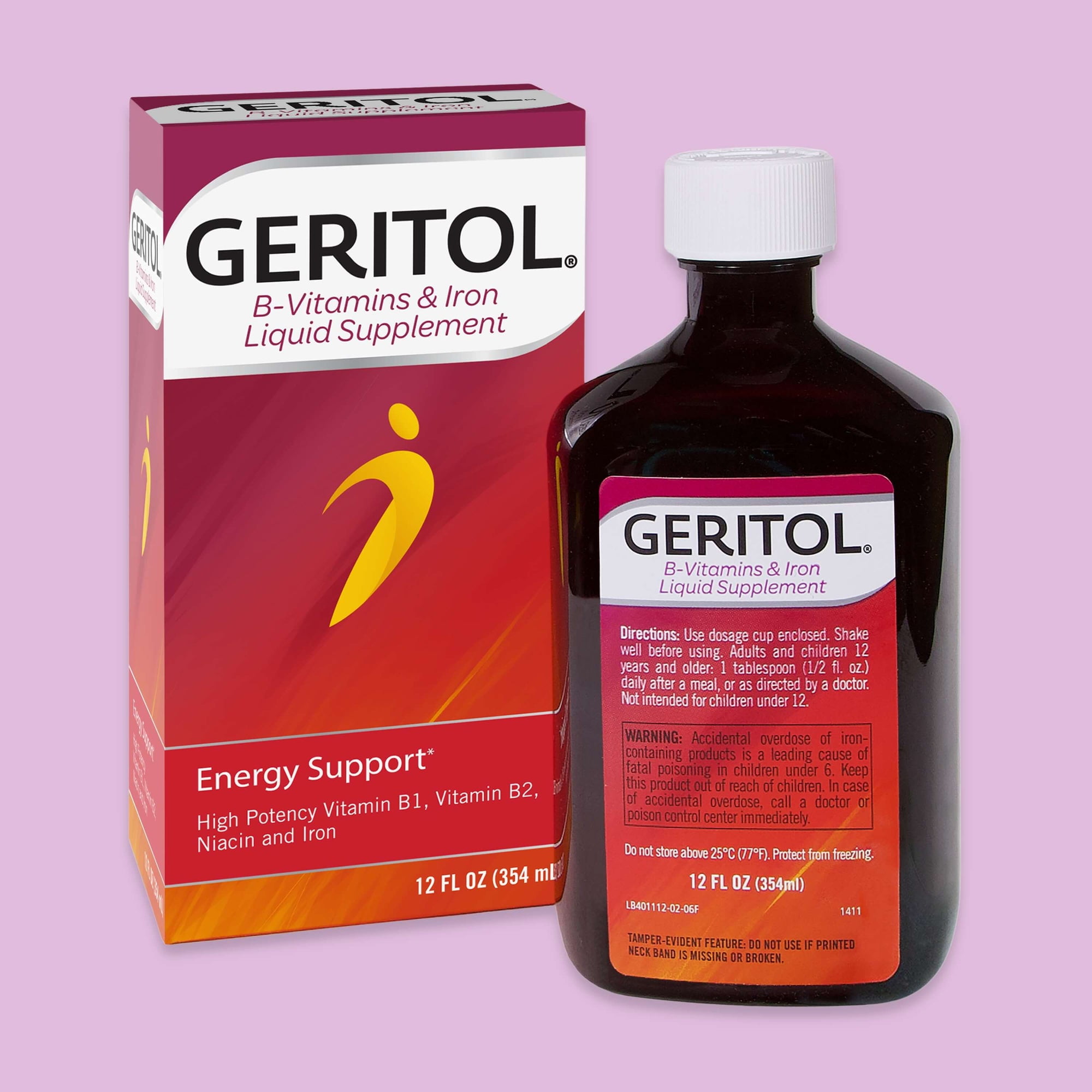
In an era of “fake news” and unregulated wellness influencers, “trust” is the most valuable currency a brand can hold. Geritol’s greatest asset isn’t its chemical formula; it is its decades-long presence on the shelf.
Leveraging Heritage in a Saturated Market
When a consumer stands in the vitamin aisle of a pharmacy, they are faced with an overwhelming “paradox of choice.” New brands with flashy packaging often struggle to overcome the “credibility gap.” Geritol closes this gap through its heritage. The brand identity leans into its “tried and true” status. By being a brand that “your parents and grandparents trusted,” Geritol bypasses much of the skepticism directed at new, unproven supplements. This is a classic example of using historical longevity as a proxy for quality and safety.
The Psychology of Consumer Loyalty
Geritol enjoys a level of “brand stickiness” that most modern startups would envy. Because the product is often integrated into a daily morning ritual, it becomes part of a consumer’s lifestyle. From a business perspective, this leads to an exceptionally high Customer Lifetime Value (LTV). The brand has mastered the art of the “Quiet Sale”—relying on consistent performance and presence rather than aggressive, disruptive marketing. This builds a psychological bond with the consumer based on the comfort of the familiar.
Strategic Marketing Lessons for Modern DTC Brands
While Geritol is a legacy brand, its survival provides several critical lessons for modern brand strategists and entrepreneurs working in the digital space.
Consistency vs. Innovation
One of the most difficult balances in brand management is knowing when to innovate and when to remain consistent. Geritol has successfully avoided “over-innovation.” While they have updated their formulations to match modern nutritional standards, they haven’t chased every fleeting trend (such as CBD infusions or “superfood” additives). This consistency reinforces the brand’s identity as a reliable staple. Modern brands often fail by pivoting too frequently, confusing their core audience; Geritol shows the power of holding your ground.
Niche Targeting in a Mass Market
Despite being a household name, Geritol operates with the precision of a niche player. It doesn’t try to be a sports performance brand or a beauty supplement. It stays firmly in the “foundational health” space. This clarity of purpose—knowing exactly what the brand is “for”—allows for more efficient marketing spend. By not trying to be everything to everyone, Geritol remains the leader of its specific territory.
The Future of Geritol: Corporate Identity in the Era of Personalized Nutrition
As we look toward the future, the supplement industry is moving toward high-tech solutions: DNA-based vitamins, blood-test-driven supplement stacks, and AI-monitored nutrition. Where does a legacy brand like Geritol fit in this “Wealth-Tech” future?
Sustaining Relevance Through Digital Transformation
The question of what Geritol is “for” in 2024 and beyond will likely be answered through digital integration. For the brand to maintain its market share, it must bridge the gap between its physical product and the digital wellness ecosystem. This could involve partnerships with health-tracking apps or leveraging data to provide better-targeted messaging to the aging “Digital Nomad” demographic.

The Durability of the “Classic” Identity
Ultimately, Geritol’s future success lies in its ability to remain a “classic.” In the same way that brands like Coca-Cola or Levi’s transcend temporary trends, Geritol’s brand strategy is built on the timeless human desire for energy and health. As long as the brand continues to communicate its value proposition—”simple, effective, and reliable support for your busy life”—it will continue to be the answer to the question “What is Geritol for?”
In conclusion, Geritol is more than just a supplement; it is a case study in brand resilience. It teaches us that while products may change and regulations may shift, a strong brand identity rooted in trust and a clear value proposition can survive almost any market upheaval. For the business strategist, Geritol is a reminder that in the race for the “new,” there is still immense, compounding value in being the “established.”
aViewFromTheCave is a participant in the Amazon Services LLC Associates Program, an affiliate advertising program designed to provide a means for sites to earn advertising fees by advertising and linking to Amazon.com. Amazon, the Amazon logo, AmazonSupply, and the AmazonSupply logo are trademarks of Amazon.com, Inc. or its affiliates. As an Amazon Associate we earn affiliate commissions from qualifying purchases.