
Genioplasty, a surgical procedure aimed at reshaping the chin, has emerged as a significant area within the broader landscape of cosmetic and reconstructive surgery. While the term itself might sound complex, the fundamental goal is relatively straightforward: to enhance the proportion, profile, and overall harmony of the face by modifying the bony structure of the chin. This procedure is not a one-size-fits-all solution; rather, it encompasses a range of techniques designed to address various aesthetic and functional concerns related to the chin. From augmenting a receding chin to reducing a prominent one, or even correcting asymmetry, genioplasty offers a spectrum of possibilities for individuals seeking facial refinement. The increasing accessibility of such procedures, coupled with a growing societal emphasis on aesthetics and self-confidence, has led to a surge in interest surrounding genioplasty, making it a topic of considerable discussion in both medical and public spheres. Understanding the nuances of genioplasty – its types, applications, recovery, and potential outcomes – is crucial for anyone considering this transformative surgical option.

Understanding the Scope of Genioplasty
Genioplasty is a multifaceted surgical intervention that goes beyond a simple cosmetic enhancement. It is fundamentally about altering the bony anatomy of the chin to achieve a desired aesthetic and, in some cases, functional outcome. The chin, or mentum, plays a pivotal role in framing the lower third of the face and significantly influences the overall facial profile. When the chin is disproportionately small, large, or misaligned, it can create aesthetic imbalances that affect self-perception and confidence. Genioplasty directly addresses these concerns by meticulously reshaping the mandible’s anterior portion.
The Aesthetic and Functional Significance of the Chin
The chin’s prominence and projection are critical elements of facial aesthetics. A well-defined chin contributes to a balanced profile, creating a harmonious relationship between the forehead, nose, and lips. For many, a receding chin can make the nose appear larger and the neck area less defined, while an overly prominent chin can dominate the lower face. Beyond aesthetics, chin position can also influence breathing. In some individuals with a significantly receded chin, there can be an associated retrognathia (a posterior position of the lower jaw) which may contribute to airway obstruction, such as sleep apnea. While genioplasty’s primary focus is often aesthetic, in cases of severe chin deficiency, it can play a role in improving jaw alignment and potentially alleviating some functional breathing issues, although it is not typically a primary treatment for sleep apnea.
Differentiating Genioplasty from Other Facial Procedures
It’s important to distinguish genioplasty from other common facial surgeries. While both rhinoplasty (nose surgery) and genioplasty aim to enhance facial harmony, they target different anatomical structures. Rhinoplasty modifies the nose, whereas genioplasty addresses the chin. Similarly, mentoplasty is a term often used interchangeably with genioplasty, referring to surgical modification of the chin. However, it’s crucial to note that genioplasty specifically refers to surgical alteration of the bone, while other procedures like chin implants (alloplastic augmentation) involve placing a foreign material to augment the chin without directly altering the bone. Liposuction of the chin and neck area addresses excess fat and skin, and while it can improve the definition of the jawline and chin area, it does not change the underlying bony structure like genioplasty does. Understanding these distinctions is vital for patients to communicate their goals accurately to surgeons and to have realistic expectations about the outcomes of different procedures.
Types of Genioplasty Procedures
The diverse goals of genioplasty necessitate a range of surgical techniques. These techniques are broadly categorized based on whether they involve augmentation (increasing chin projection or size) or reduction (decreasing chin projection or size), and the specific method employed to achieve these changes. The choice of technique is heavily influenced by the patient’s individual anatomy, their desired outcome, and the surgeon’s expertise.
Augmentation Genioplasty: Enhancing Chin Projection
Augmentation genioplasty is performed when the chin lacks sufficient projection or appears underdeveloped. This can be achieved through several methods.
Sliding Genioplasty (Genioglossus Advancement)
This is a common and effective technique for chin augmentation. It involves making a horizontal incision in the bone of the mandible, allowing the surgeon to reposition the chin segment forward. This repositioned bone segment is then secured in its new position with small screws or plates. A key advantage of sliding genioplasty is that it directly manipulates the patient’s own bone, resulting in a natural-looking and permanent enhancement. This technique also allows for adjustments in width and vertical height of the chin, offering a high degree of customization. It is particularly beneficial for individuals with significant chin deficiency where implants might appear unnatural or be at higher risk of migration.
Orthognathic Surgery for Chin Advancement
In more complex cases, where the chin deficiency is part of a broader jaw misalignment (e.g., a severely retruded mandible), orthognathic surgery might be considered. This involves more extensive repositioning of the entire lower jaw, including the chin. While a more invasive procedure, it offers comprehensive correction of both skeletal and aesthetic imbalances. This is often performed in conjunction with other orthodontic treatments and can address significant functional issues alongside aesthetic improvements.

Chin Implants (Alloplastic Augmentation)
While not strictly a genioplasty in the sense of bone manipulation, chin implants are a very common method for chin augmentation and are often discussed in parallel. These are custom-shaped or pre-formed biocompatible materials, typically silicone, that are surgically placed beneath the periosteum (the membrane covering the bone) to add volume and projection to the chin. Implants offer a less invasive surgical option compared to bone manipulation and can provide significant aesthetic improvement. However, potential risks include implant malposition, infection, asymmetry, and the possibility of the implant becoming visible or palpable over time.
Reduction Genioplasty: Decreasing Chin Prominence
Reduction genioplasty is performed when the chin is considered too prominent or projecting too far forward, creating an imbalance.
Osteotomy and Bone Reduction
This technique involves surgically cutting and removing a portion of the bone to reduce the chin’s projection. The surgeon precisely carves away excess bone, reshaping the mentum to achieve a more balanced profile. This can be done through an intraoral incision (inside the mouth) to minimize visible scarring. This method allows for precise control over the degree of reduction and offers a permanent solution.
Mandibular Angle Reduction
In some cases, the perceived prominence of the chin might be exacerbated by excessively wide or prominent mandibular angles (the corners of the jaw). While not directly a genioplasty, addressing these angles through osteotomy can contribute to a more refined lower facial appearance and indirectly improve the perceived balance of the chin.
The Genioplasty Journey: From Consultation to Recovery
Embarking on a genioplasty procedure involves a structured process designed to ensure patient safety, optimal results, and a smooth recovery. This journey begins long before the surgery itself and extends well into the post-operative period. Understanding each stage is crucial for setting realistic expectations and preparing for the transformation.
The Consultation and Planning Phase
The initial consultation is paramount. During this meeting, the patient will discuss their aesthetic goals, concerns, and medical history with a qualified plastic surgeon. The surgeon will conduct a thorough examination of the facial structure, paying close attention to the chin’s position relative to other facial features, the profile, and the overall facial harmony. Advanced imaging techniques, such as 2D and 3D CT scans, are often employed to provide a detailed view of the underlying bone structure. This imaging allows for precise measurement and simulation of potential outcomes, helping both the surgeon and patient visualize the effects of different surgical approaches. Based on this comprehensive assessment, the surgeon will recommend the most appropriate genioplasty technique, explain the procedure in detail, discuss potential risks and benefits, and answer all the patient’s questions. This collaborative planning phase ensures that the surgical plan is tailored to the individual’s unique anatomy and aesthetic desires.
Surgical Procedure and Anesthesia
Genioplasty is typically performed under general anesthesia, although local anesthesia with sedation may be an option for less extensive procedures. The approach to the chin bone depends on the chosen technique. Sliding genioplasty and reduction osteotomies are often performed through an intraoral incision, leaving no visible external scars. Chin implant placement can also be done through an intraoral incision or a small external incision discreetly placed under the chin. The duration of the surgery varies depending on the complexity of the procedure but usually ranges from one to three hours. Throughout the surgery, the surgical team meticulously ensures patient safety and comfort.
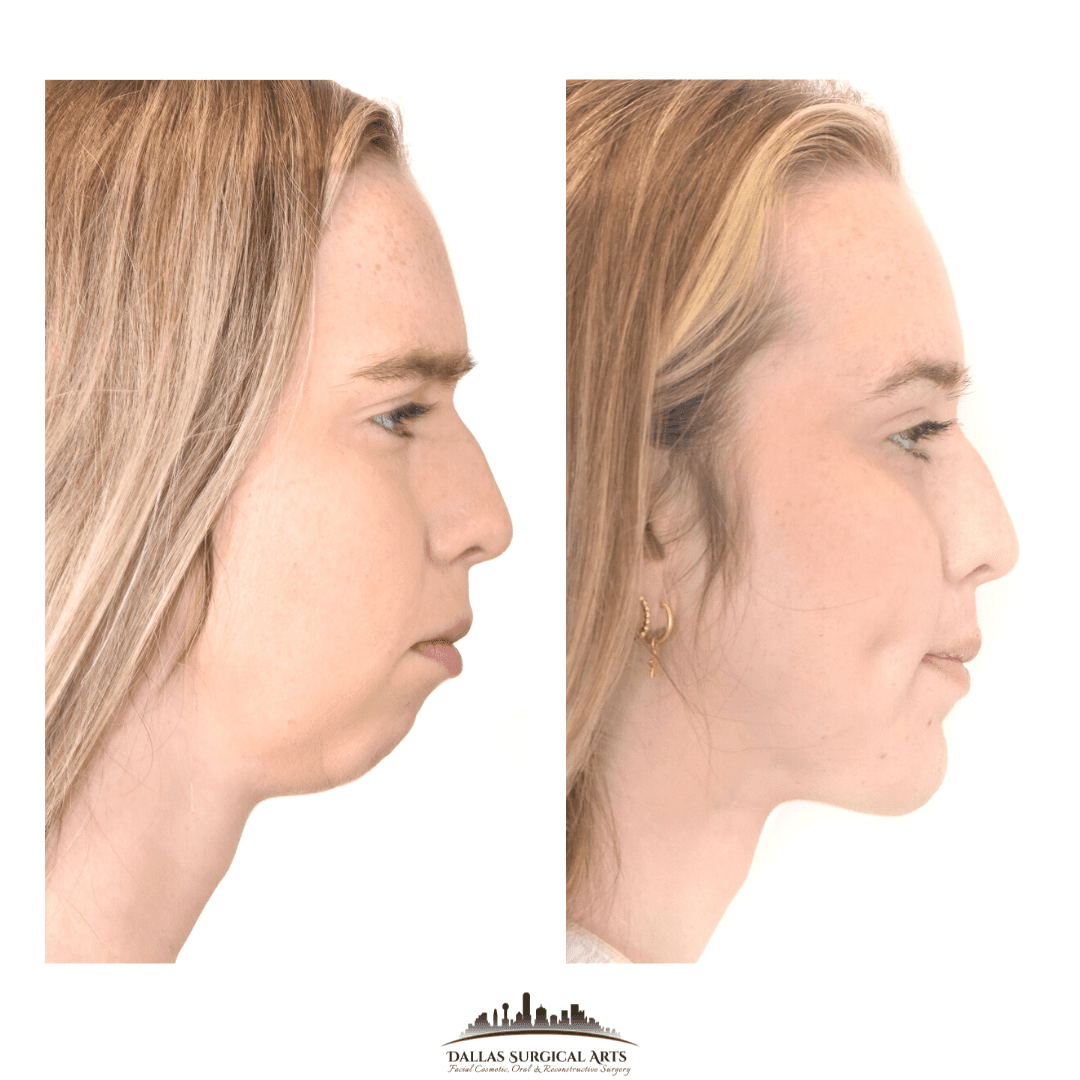
Post-Operative Recovery and Expected Outcomes
The recovery period after genioplasty is a critical phase, and while generally manageable, it requires adherence to post-operative instructions. Immediately following surgery, patients can expect swelling, bruising, and discomfort in the chin and jaw area. Pain management is typically straightforward with prescribed medications. Diet will initially be restricted to soft foods to avoid excessive movement of the chin and jaw. Patients are usually advised to sleep with their head elevated to minimize swelling. Most swelling subsides within the first few weeks, though residual subtle swelling may persist for several months. Strenuous activities and exercise should be avoided for a period of four to six weeks. The final results of genioplasty are not immediately apparent due to the swelling but become more evident as the face heals. Patients can typically return to work within one to two weeks, depending on their profession and tolerance. Long-term satisfaction with genioplasty is generally high, as it can significantly enhance facial balance, improve profile aesthetics, and boost self-confidence. Regular follow-up appointments with the surgeon are essential to monitor healing progress and ensure optimal outcomes.
aViewFromTheCave is a participant in the Amazon Services LLC Associates Program, an affiliate advertising program designed to provide a means for sites to earn advertising fees by advertising and linking to Amazon.com. Amazon, the Amazon logo, AmazonSupply, and the AmazonSupply logo are trademarks of Amazon.com, Inc. or its affiliates. As an Amazon Associate we earn affiliate commissions from qualifying purchases.