
The automotive landscape is fiercely competitive, particularly within the premium and luxury segments. Amidst established titans like Mercedes-Benz, BMW, and Audi, and respected Japanese challengers like Lexus and Acura, a relatively new entrant has carved out a significant niche: Genesis. Far from being just another car manufacturer, Genesis represents a deliberate and strategic venture by Hyundai Motor Company to establish a distinct, standalone luxury brand. Understanding Genesis is to delve into a fascinating case study of corporate identity formation, strategic positioning, and the audacious ambition required to disrupt an entrenched market.
The Strategic Imperative: Hyundai’s Foray into Luxury
Genesis did not simply emerge; it was born from a calculated decision by Hyundai to elevate its offering beyond the mainstream. For decades, Hyundai had successfully built its reputation on value, reliability, and increasingly, design. However, the inherent ceiling on pricing and brand perception within the mass-market segment meant that consumers seeking true luxury would inevitably look elsewhere. This presented a dual challenge and opportunity: how to capture the lucrative luxury market without diluting the core Hyundai brand, and how to do so in a way that resonated with discerning buyers.

Identifying a Market Gap and Learning from Predecessors
Hyundai observed the success stories of other automakers that had spun off luxury divisions. Toyota launched Lexus in 1989, and Nissan followed with Infiniti, demonstrating that a well-executed strategy could indeed establish a new premium identity. These examples provided a blueprint: a separate brand, distinct design language, dedicated dealerships, and a superior customer experience were non-negotiable. Hyundai’s initial foray into the luxury space came through standalone premium models, such as the Hyundai Genesis sedan (introduced in 2008) and the Equus. While these vehicles garnered critical acclaim and demonstrated Hyundai’s engineering prowess, they were ultimately held back by their association with a mass-market badge. The brand perception simply couldn’t justify the price premium required to compete head-on with true luxury offerings. This realization solidified the need for an entirely new, independent brand identity.
From Model to Marque: The Birth of Genesis
In November 2015, Hyundai officially announced the launch of Genesis as its standalone luxury brand. This wasn’t merely a rebranding exercise; it was a fundamental strategic shift. The goal was to shed the lingering perceptions associated with its parent company and build a new narrative from the ground up. This involved developing a unique brand philosophy, a fresh design language, and a distinct customer-centric approach that would differentiate it from both its parent company and its luxury rivals. The decision signaled Hyundai’s long-term commitment to the premium segment, backed by substantial investment in R&D, design talent, and global infrastructure.
Forging a Distinct Corporate Identity and Brand DNA
A new luxury brand cannot succeed by simply offering well-appointed cars. It requires a compelling identity, a unique aesthetic, and a consistent promise that permeates every touchpoint. Genesis meticulously crafted its brand DNA around concepts that aim to define modern luxury, moving beyond ostentatious displays to focus on thoughtful design, technological sophistication, and a superior, unpretentious ownership experience.
“Athletic Elegance”: The Genesis Design Philosophy
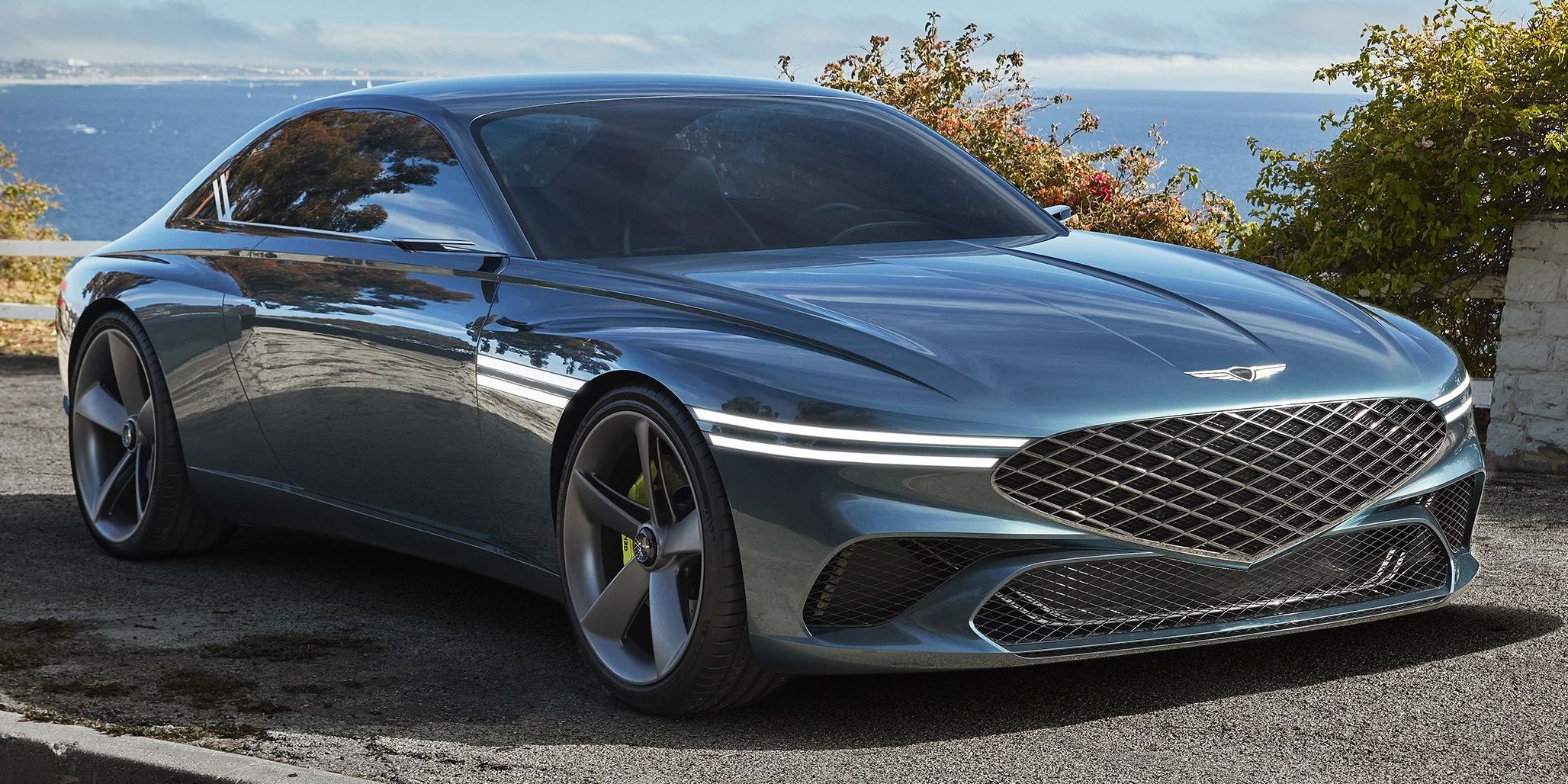
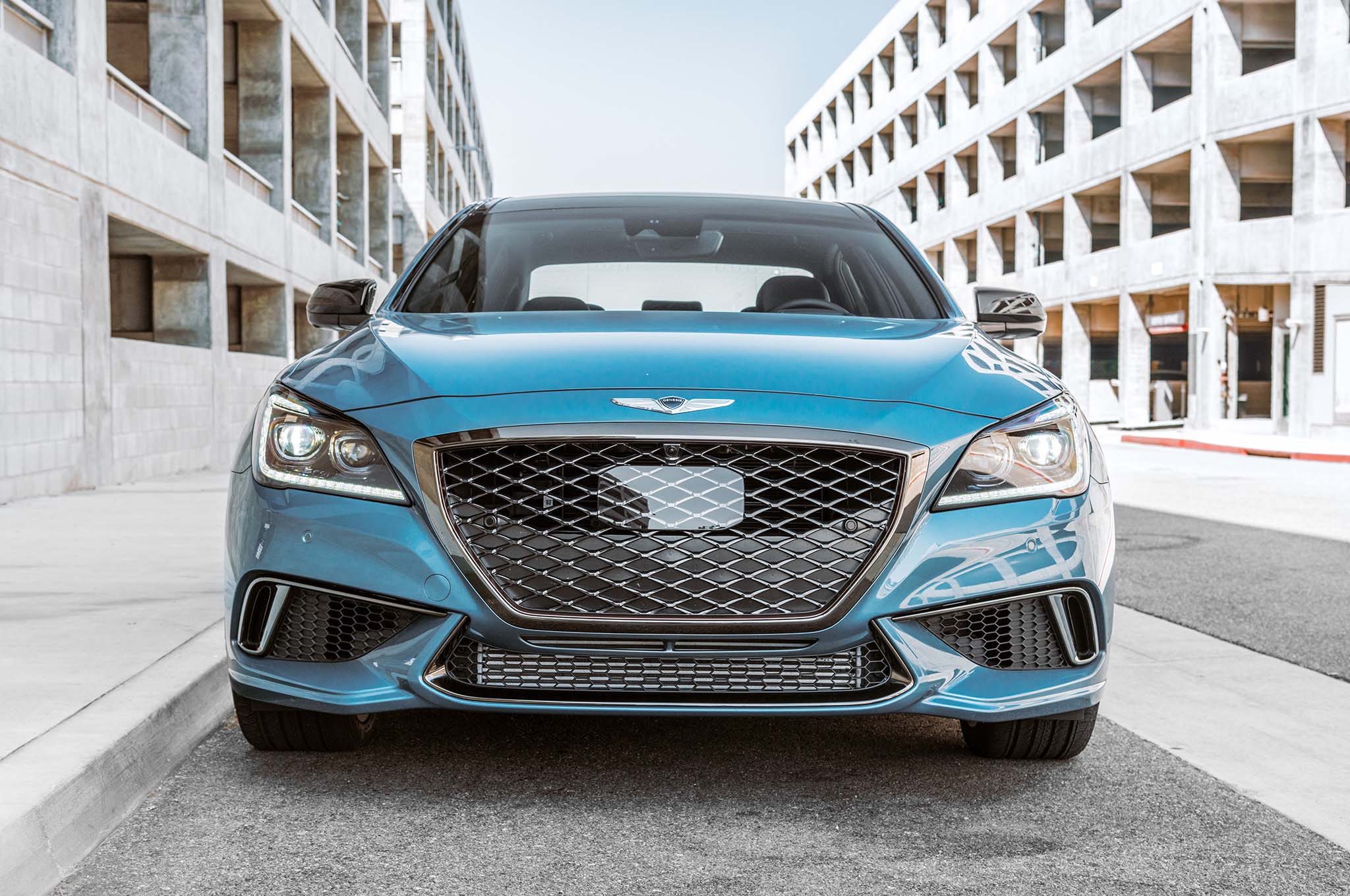
At the heart of Genesis’s brand identity is its “Athletic Elegance” design philosophy. This concept, championed by figures like Luc Donckerwolke (former head of Genesis Design), seeks to marry dynamic proportions and muscular stances with refined lines and sophisticated surfaces. It’s about creating vehicles that are visually striking yet harmonious, conveying both power and grace. Key design elements, such as the signature “Two Lines” motif – visible in the headlamps, tail lamps, and side indicator lights – and the prominent crest grille, provide an unmistakable visual signature across the entire product lineup. This consistent design language is crucial for establishing brand recognition and reinforcing a coherent corporate identity in a crowded market. It aims to make a statement of confident sophistication rather than aggressive opulence.
The Winged Emblem: Symbol of Aspiration and Quality
The Genesis emblem – a winged badge enclosing the brand name – is another critical component of its corporate identity. Evoking a sense of aspiration, flight, and premium quality, it immediately differentiates Genesis from Hyundai’s “H” logo. The emblem is carefully designed to convey a sense of gravitas and heritage, even for a relatively young brand. It signals a departure from the mainstream and an entry into a realm of elevated craftsmanship and engineering. This symbol is not just a badge; it’s a declaration of intent, signaling Genesis’s ambition to soar alongside the world’s most prestigious automotive brands.
Crafting a Unique Customer Experience
Beyond the product itself, the luxury brand experience is paramount. Genesis understood that to compete, it needed to offer more than just a car; it needed to offer a lifestyle. Its approach to customer experience aims to be seamless, convenient, and truly premium. This includes services like Genesis Concierge, at-home test drives, complimentary scheduled maintenance, valet service for pickup and delivery, and a transparent, often negotiation-free, purchase process. The brand’s focus on digital tools and a streamlined online experience also speaks to a modern luxury consumer who values efficiency and personalized service. This commitment to ‘human-centered luxury’ is a core pillar of its brand strategy, aiming to build loyalty and word-of-mouth advocacy.
Differentiation from Hyundai: A Deliberate Severing of Ties
A significant challenge for any luxury spin-off is establishing clear differentiation from its parent company. Genesis has systematically worked to create this separation. It operates with its own leadership, design studios, and product development teams. While it leverages Hyundai’s robust engineering platforms and manufacturing capabilities, the final product is distinct in its execution, materials, and overall philosophy. Marketing campaigns emphasize Genesis’s unique attributes, avoiding direct comparisons or associations with Hyundai. The brand often establishes separate dealer networks or distinct showroom experiences within existing dealerships, ensuring that the luxury buying journey is not conflated with that of a mass-market brand. This meticulous effort to carve out its own space is fundamental to its brand strategy.
Marketing and Positioning in a Competitive Landscape
Launching a new luxury brand requires a sophisticated marketing strategy to build awareness, establish credibility, and persuade consumers to consider an unknown entity over decades-old icons. Genesis’s approach has been multi-faceted, leveraging critical acclaim, innovative campaigns, and a focus on targeted demographics.
Targeting the Discerning Luxury Buyer
Genesis doesn’t aim for the broadest market. Its target audience consists of affluent, discerning buyers who appreciate sophisticated design, advanced technology, and a premium experience, but who may also be open to alternatives beyond the traditional German luxury marques. This demographic often values innovation and contemporary style, and may be less swayed by legacy badges alone. Marketing messages often highlight Genesis’s fresh perspective on luxury, emphasizing its progressive design, cutting-edge safety features, and simplified ownership experience, rather than just raw performance or heritage.
Digital-First and Experiential Marketing
In an age where information is abundant, Genesis has embraced digital channels to reach its audience. Online configurators, virtual showrooms, and engaging content showcasing design philosophy and technological innovation are key components of its strategy. Beyond the digital realm, the brand has also invested in experiential marketing, creating exclusive events and partnerships that align with the luxury lifestyle of its target consumer. Sponsoring prestigious events or collaborating with luxury lifestyle brands helps to subtly elevate the Genesis brand perception and integrate it into the desired cultural context.
The Challenge of Brand Perception
Despite its successes, Genesis still faces the ongoing challenge of brand perception. Overcoming decades of ingrained notions about luxury cars and the premium status of its competitors is a marathon, not a sprint. Some consumers remain hesitant to pay luxury prices for a brand without a long history of luxury affiliation. This perception gap is steadily closing, but it requires continuous investment in marketing, consistent product excellence, and an unwavering commitment to the brand promise. Genesis continually works to shift the narrative from “Hyundai’s luxury brand” to “a respected luxury brand in its own right.”
Leveraging Awards and Critical Acclaim
A cornerstone of Genesis’s marketing strategy has been to aggressively pursue and publicize industry awards and positive critical reviews. Consistently earning accolades from respected automotive publications for design, safety, performance, and value has been instrumental in building credibility and validating the brand’s luxury bona fides. These third-party endorsements provide objective proof points that resonate with consumers and help to counter any lingering skepticism about the brand’s origins. Award-winning vehicles like the GV80 SUV and G70 sedan have been pivotal in establishing Genesis’s reputation for excellence.
Evolution, Design, and the Future of the Brand
Genesis is not static; it is a brand in continuous evolution, adapting to market trends and technological shifts. Its future strategy involves expanding its product portfolio, embracing electrification, and solidifying its global presence.
Expanding the Product Portfolio
Initially launching with sedans, Genesis quickly recognized the market’s shift towards SUVs. The introduction of the GV80 and GV70 SUVs proved to be a critical turning point, significantly boosting sales and broadening its appeal. The brand continues to strategically expand its lineup, offering a compelling range of vehicles that cover key segments within the luxury market, from compact sports sedans to full-size SUVs, ensuring there’s a Genesis for a diverse set of luxury needs.
Electrification as a Core Brand Pillar
Looking ahead, electrification is a central tenet of Genesis’s brand strategy. The brand has committed to a fully electric lineup by 2030, with all new models launching from 2025 onwards being purely electric. This bold commitment positions Genesis as a forward-thinking, sustainable luxury brand, appealing to environmentally conscious consumers without sacrificing performance or design. Models like the GV60, Electrified G80, and Electrified GV70 showcase the brand’s intent to lead in the luxury EV space, integrating advanced battery technology with its signature design philosophy. This strategic pivot reinforces its modern luxury identity and future-proofs its brand appeal.
Global Expansion and Market Penetration
While successful in key markets like North America and South Korea, Genesis continues its measured global expansion. Entering new markets requires careful consideration of local tastes, regulatory environments, and competitive landscapes. The brand’s focus remains on establishing a strong, credible presence in each region, reinforcing its luxury identity through consistent brand messaging, exceptional product quality, and dedicated customer service. The goal is not just to sell cars, but to cultivate a global luxury lifestyle brand.
Sustaining Brand Value and Loyalty
Ultimately, the long-term success of Genesis hinges on its ability to sustain its brand value and cultivate lasting customer loyalty. This means consistently delivering on its promise of “Athletic Elegance,” cutting-edge technology, and a superior ownership experience. By continually innovating, maintaining design integrity, and refining its customer interactions, Genesis aims to transcend its origins and solidify its position as a truly desirable and respected luxury automotive brand for decades to come. It’s a testament to strategic vision and execution that Genesis has rapidly matured from an ambitious project into a formidable player in the luxury automotive sector.
aViewFromTheCave is a participant in the Amazon Services LLC Associates Program, an affiliate advertising program designed to provide a means for sites to earn advertising fees by advertising and linking to Amazon.com. Amazon, the Amazon logo, AmazonSupply, and the AmazonSupply logo are trademarks of Amazon.com, Inc. or its affiliates. As an Amazon Associate we earn affiliate commissions from qualifying purchases.