
Naturalization is often viewed through a legal or civic lens, but for the modern investor, entrepreneur, or high-net-worth individual, it represents a significant financial pivot. At its core, the general provision for naturalization refers to the standard set of requirements an individual must meet to transition from a foreign resident to a full citizen of a nation. While these provisions vary by jurisdiction, they almost always hinge on a foundation of financial stability, fiscal responsibility, and long-term economic contribution.
In the context of personal finance and wealth management, understanding these provisions is essential. Citizenship is no longer just an identity; it is a strategic asset. It dictates where you pay taxes, how you can move capital, and which global markets are accessible to you. To navigate the general provisions of naturalization is to navigate a complex landscape of wealth thresholds, investment mandates, and fiscal compliance.

Defining the Financial Baseline: Wealth and Income Requirements
The most common general provision for naturalization across the globe is the requirement of “self-sufficiency” or “financial independence.” Governments want to ensure that new citizens will contribute to the national economy rather than becoming a burden on the social welfare system. This is where personal finance meets immigration policy.
Proof of Sustainable Income
Most nations require applicants to demonstrate a stable and recurring income that meets or exceeds a specific threshold. For a business owner, this means providing audited financial statements and tax returns that show the enterprise is not only viable but capable of supporting the individual and their dependents. For the remote professional or freelancer, it requires a meticulous paper trail of contracts and bank deposits. This provision ensures that the applicant has the “means of subsistence,” a term frequently used in European and North American naturalization statutes.
The Role of Savings and Liquidity
Beyond active income, general provisions often look at an applicant’s net worth or liquid assets. Maintaining a certain balance in a domestic bank account for a period of several years is a common prerequisite. This acts as a financial “buffer,” proving to the state that the individual can weather economic downturns without seeking public assistance. From a wealth management perspective, this requires strategic liquidity planning, ensuring that funds are not tied up in illiquid assets when the time comes to provide proof of capital.
Social Security and Pension Contributions
In many jurisdictions, the general provision for naturalization is tied directly to the history of contributions made to the national insurance or social security system. This is a “pay-to-play” model where citizenship is earned through years of fiscal participation. For the self-employed, this means ensuring that all voluntary or mandatory contributions are paid in full and on time, as a single gap in the payment history can result in a denial of the naturalization application.
Naturalization Through Investment: The Premium Provision
While the “general” path usually involves years of residency and standard income proof, many countries have established “Economic Provisions” for naturalization. These are often referred to as Citizenship by Investment (CBI) programs. In these cases, the provision for naturalization is explicitly financial.
Capital Outlay and State Donations
One of the most direct ways to meet the naturalization provision in certain Caribbean and European nations is through a non-refundable contribution to a national development fund. This is a pure financial transaction where the “price” of citizenship is set by the state to fund infrastructure, healthcare, or education. For the investor, this is treated as a high-cost acquisition of a global asset—a second passport that provides visa-free travel and a hedge against domestic instability.
Real Estate and Infrastructure Investment
Another common provision allows for naturalization following a significant investment in government-approved real estate. This path offers a potential Return on Investment (ROI) that the donation model does not. However, it requires a sophisticated understanding of the local property market, property taxes, and maintenance costs. The financial provision here is not just the initial purchase price, but the commitment to hold the asset for a specified period—usually five to seven years—before it can be liquidated.
Job Creation and Venture Capital
Some nations prioritize the “human capital” aspect of finance. Under these provisions, an individual can fast-track their naturalization by starting a business that employs a minimum number of local citizens. This requires a substantial business plan, proof of venture capital, and ongoing financial reporting. It is a provision designed for the entrepreneur who sees naturalization as a step toward integrating their business into a more favorable regulatory or tax environment.
Tax Implications and Fiscal Residency: The True Cost of a New Passport
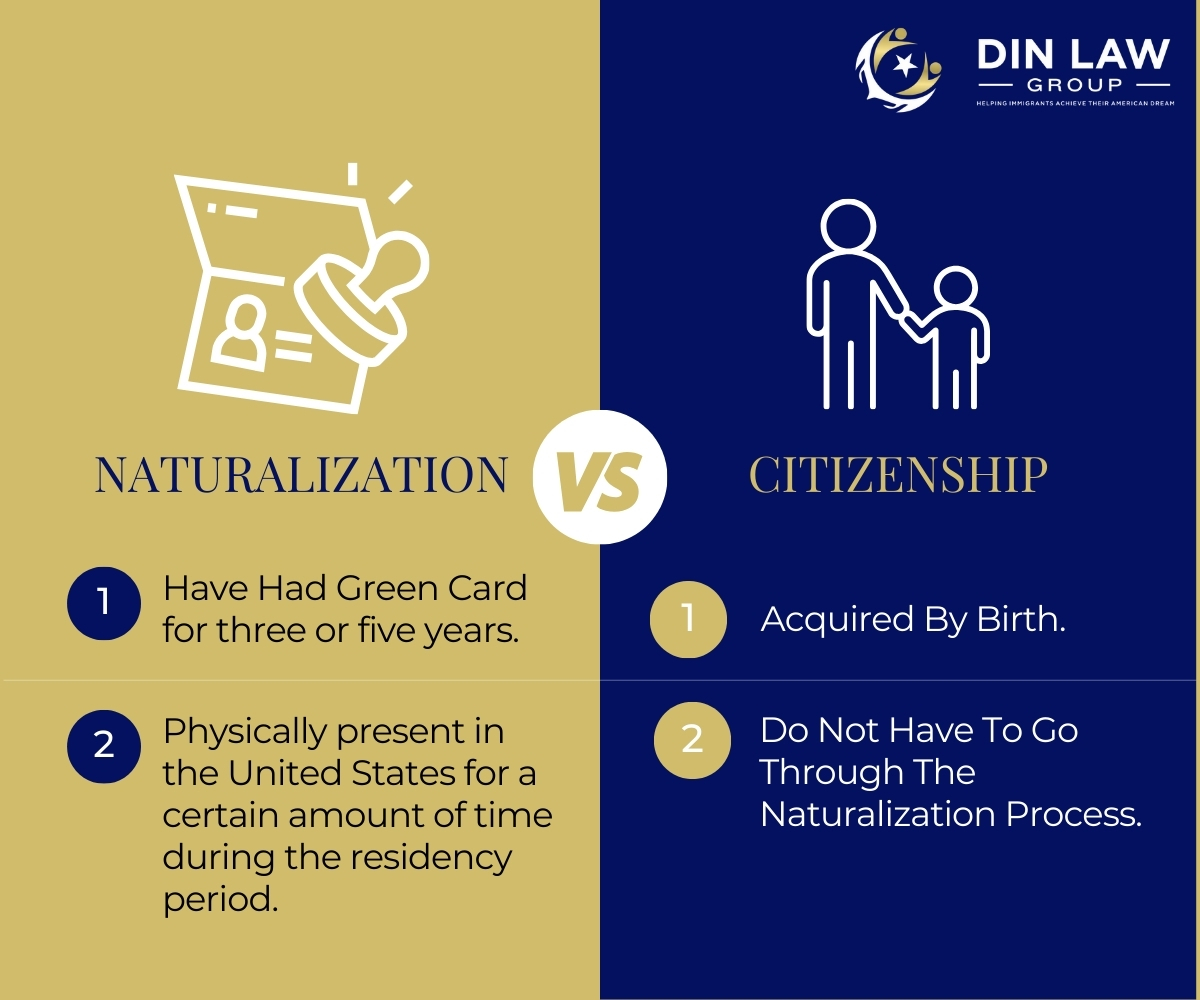
A critical but often overlooked “general provision” in the naturalization process is the requirement of fiscal compliance. To become a citizen, one must almost always demonstrate that they have been a “good fiscal resident.” This means the state will scrutinize your tax history with a fine-toothed comb.
The Transition from Resident to Taxpayer
In most countries, spending more than 183 days a year within the borders makes you a tax resident. Meeting the residency provision for naturalization almost inevitably triggers a comprehensive tax liability. For the global investor, this is the “hidden cost” of naturalization. You are not just gaining a passport; you are potentially subjecting your global income to a new set of tax laws. Understanding double taxation treaties becomes paramount here, ensuring that you aren’t paying a premium to two different governments for the same income.
Exit Taxes and Capital Gains
Certain high-tax jurisdictions have “exit tax” provisions for those who renounce their original citizenship after acquiring a new one. Conversely, the new country may have specific provisions regarding the “step-up” in basis for your assets when you become a citizen. Navigating these general provisions requires a forward-looking financial strategy that accounts for the long-term impact on capital gains and estate planning. Naturalization is a permanent financial decision that can affect generations of wealth.
Transparency and Disclosure (CRS and FATCA)
Modern naturalization provisions are increasingly tied to global transparency standards like the Common Reporting Standard (CRS). When applying for citizenship, you are essentially opening your entire financial history to a foreign government. Any discrepancies in offshore holdings or undeclared income can disqualify an applicant under the “good character” provision, which is as much about financial integrity as it is about criminal records.
Asset Diversification and the Economic ROI of Citizenship
Why do individuals pursue these general provisions for naturalization? From a “Money” perspective, the answer lies in the diversification of life’s largest portfolio: your legal and geographic standing.
Hedging Against Sovereign Risk
For individuals from countries with volatile currencies or unstable political climates, naturalization in a more stable economy is a form of insurance. It is a hedge against sovereign risk. If your primary country of citizenship experiences a banking collapse or a massive currency devaluation, having a second citizenship provides a “lifeboat” for your assets and your family. The cost of meeting the naturalization provisions is, in this sense, a premium paid for long-term financial security.
Access to Global Financial Markets
Certain citizenships carry more weight in the global banking system. Residents of “high-risk” jurisdictions often face hurdles when opening international brokerage accounts or securing cross-border financing. Meeting the general provisions for naturalization in a reputable, highly-rated jurisdiction can unlock access to lower interest rates, more sophisticated investment products, and a broader array of global markets. This increased “financial mobility” can significantly boost an individual’s lifetime earning potential.
Estate Planning and Wealth Transfer
Naturalization can also be a tool for more efficient wealth transfer. Different countries have vastly different laws regarding inheritance tax and “forced heirship.” By strategically choosing a country whose naturalization provisions align with your estate planning goals, you can ensure that a larger portion of your wealth is passed down to your heirs. This is particularly relevant for those looking to establish family offices or private foundations in jurisdictions with favorable trust laws.
Navigating the Administrative and Legal Financial Burdens
Finally, it is important to acknowledge that the process of meeting the general provisions for naturalization is itself an expensive endeavor. It is a project that requires a dedicated budget and professional oversight.
Legal and Consultancy Fees
The complexity of naturalization law means that most applicants must hire specialized legal counsel. These fees can range from a few thousand to tens of thousands of dollars, depending on the complexity of the applicant’s financial background. For those pursuing investment-based provisions, the fees for due diligence, background checks, and escrow services can add another 10% to 15% to the total cost.
Opportunity Costs
The “time” provision is perhaps the most expensive. Most general naturalization paths require five to ten years of physical residency. For a high-earning executive or entrepreneur, the opportunity cost of being “tethered” to one location for the majority of the year can be immense. This might mean turning down international opportunities or restructuring a global business to fit the residency requirements. In the world of finance, time is the ultimate currency, and naturalization demands a significant investment of it.
Document Procurement and Translation
The administrative “paper trail” required to prove you meet the general provisions involves a mountain of documentation. From birth certificates to decades of tax records, every document must be apostilled, translated, and certified. While these may seem like minor costs, in aggregate, they represent a significant administrative burden that requires both time and capital to manage effectively.
In conclusion, the general provision for naturalization is far more than a set of legal boxes to check. It is a comprehensive financial undertaking that requires meticulous planning, a significant capital commitment, and a deep understanding of global fiscal policy. For those who navigate it successfully, the reward is a powerful new asset: a second citizenship that offers enhanced financial freedom, wealth protection, and global mobility. In the modern economy, the quest for a new passport is, at its heart, a quest for a more secure and diversified financial future.
aViewFromTheCave is a participant in the Amazon Services LLC Associates Program, an affiliate advertising program designed to provide a means for sites to earn advertising fees by advertising and linking to Amazon.com. Amazon, the Amazon logo, AmazonSupply, and the AmazonSupply logo are trademarks of Amazon.com, Inc. or its affiliates. As an Amazon Associate we earn affiliate commissions from qualifying purchases.