
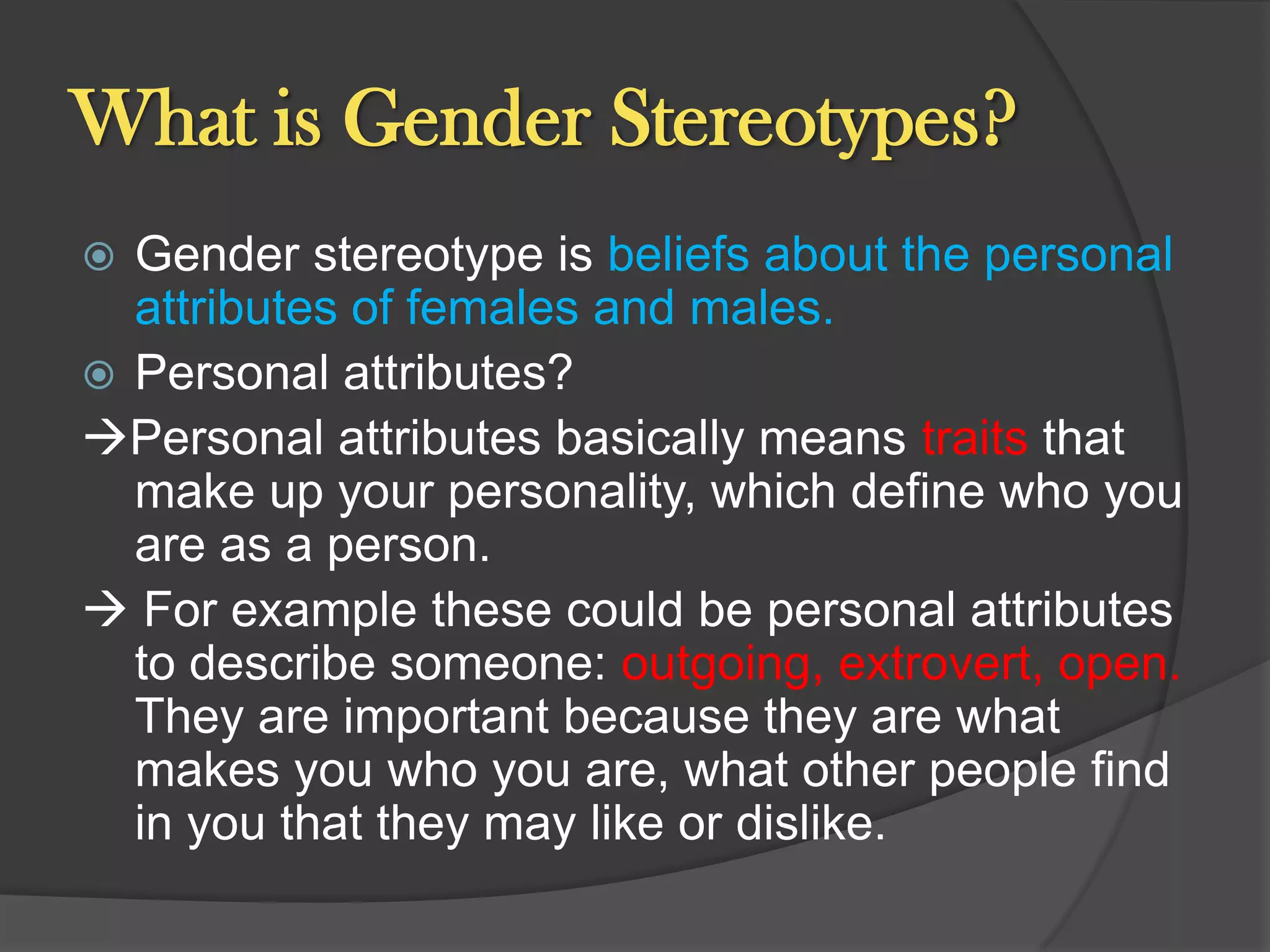
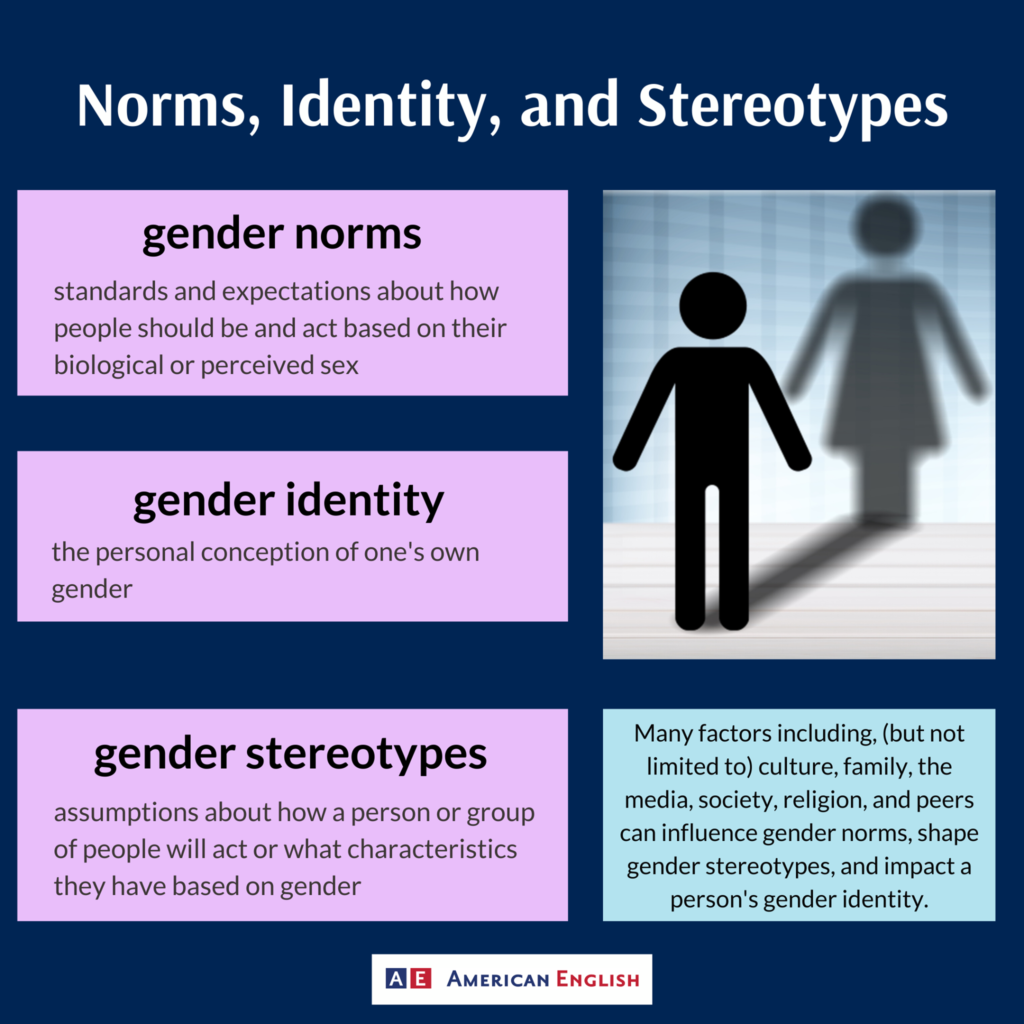
In the traditional landscape of marketing, the concept of a “gender stereotype” served as a foundational shortcut for brand managers. For decades, the industry relied on generalized assumptions about masculine and feminine behaviors, preferences, and roles to segment audiences and design products. However, in the contemporary marketplace, the definition of gender stereotypes has shifted from a strategic tool to a significant brand liability. To understand what a gender stereotype is in the context of branding, one must look at it as a predetermined set of characteristics or roles traditionally attributed to individuals based solely on their gender—and how these outdated constructs now hinder a brand’s ability to connect with a sophisticated, diverse consumer base.
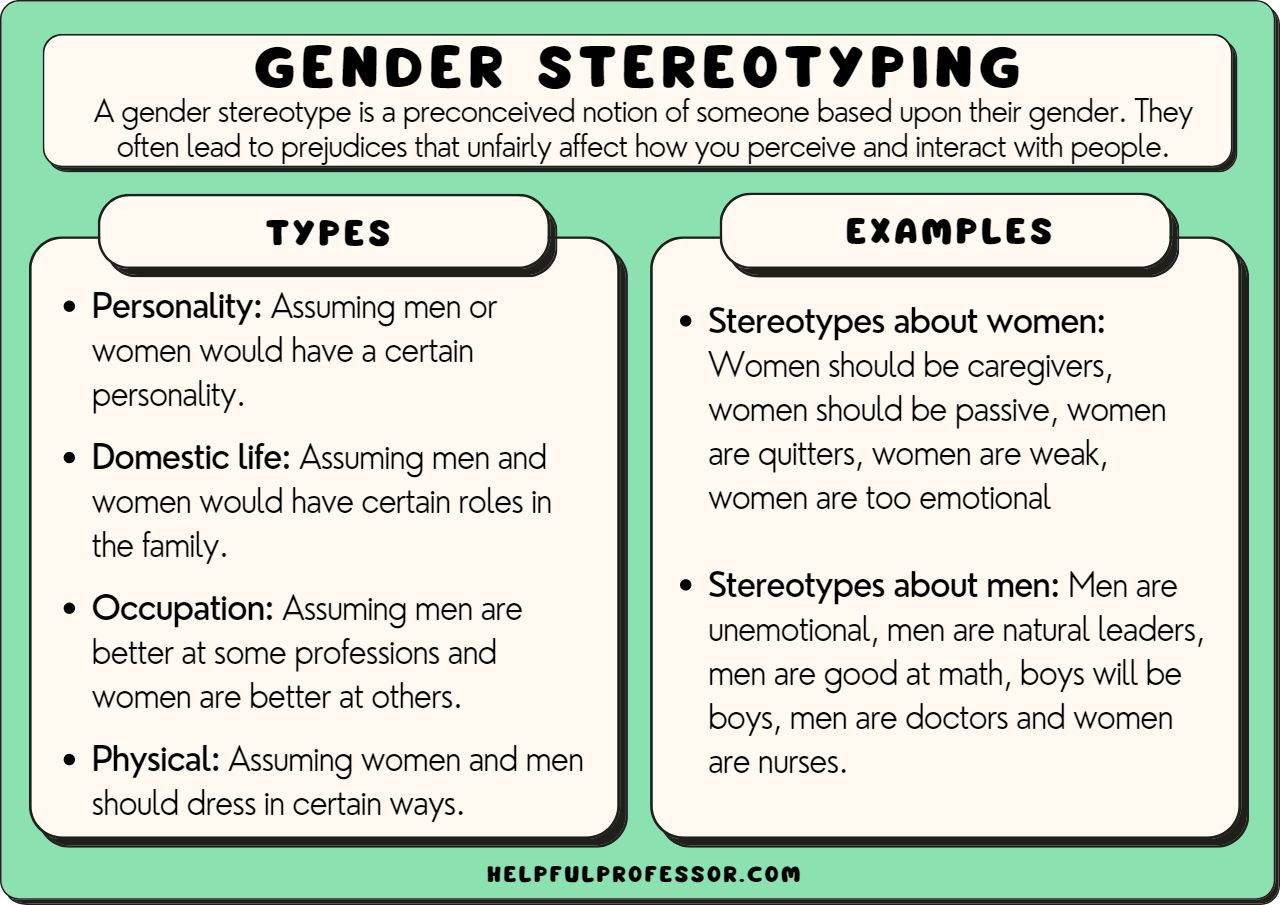
For modern brands, moving beyond gender stereotypes is no longer just a matter of social responsibility; it is a critical evolution of corporate identity and marketing efficacy. Brands that fail to recognize the nuances of gender identity and the fluidity of modern roles risk alienating the very demographics they seek to engage.
The Evolution of Gender in Branding: From Trope to Truth
To effectively navigate the modern market, a brand must first understand the historical weight of gender stereotypes. Historically, branding was built on the “Binary Model,” which categorized consumers into two distinct silos. Men were targeted with themes of power, independence, and utility, while women were approached through lenses of domesticity, beauty, and emotionality.
The Historical Foundation of Gendered Marketing
Throughout the mid-20th century, gender stereotypes were the cornerstone of brand strategy. Think of the “Marlboro Man” or the “Ideal Housewife” in cleaning detergent commercials. These tropes were effective at the time because they mirrored the rigid social structures of the era. Brands didn’t just reflect these stereotypes; they helped construct them, creating a feedback loop where consumer behavior was conditioned by advertising. In this era, a brand’s identity was often inextricably linked to a specific gender, creating “gendered brands” that were difficult for the opposite sex to interact with without social friction.
The Shift Toward Gender-Neutral Identity
In the last decade, we have witnessed a seismic shift. The rise of gender-neutral branding is a direct response to the realization that gender is an increasingly poor predictor of consumer behavior. Strategic brands are moving away from “blue for boys and pink for girls” toward a more holistic “human-centric” approach. This evolution requires a complete overhaul of brand archetypes. Instead of designing for a “man” or a “woman,” forward-thinking strategists are designing for “the adventurer,” “the nurturer,” or “the professional,” regardless of gender. This shift allows for a broader market reach and a more authentic brand voice.
Identifying and Dismantling Gender Stereotypes in Visual Design
A brand’s visual identity is often where gender stereotypes are most visible and most damaging. Design elements—ranging from color palettes and typography to imagery and packaging—carry deep-seated psychological triggers. When these triggers are used to reinforce outdated stereotypes, they can create a “barrier to entry” for potential customers.
Color Theory and the “Pink Tax” Aesthetic
One of the most pervasive gender stereotypes in branding is the reliance on color-coding. The “pink for women” strategy often led to the “Pink Tax”—the phenomenon where products marketed to women are more expensive than similar products marketed to men. Modern brand strategy now views this as a major pitfall. Strategic design today favors sophisticated, inclusive palettes. Brands like Apple or Aesop have mastered the art of “gender-agnostic” design, using neutral tones, high-quality materials, and minimalist aesthetics to appeal to the individual’s taste rather than their gender category. This approach removes the psychological stigma of a product being “not for me.”
Representation and Imagery: Moving Past Traditional Roles
The imagery a brand uses in its marketing collateral is a powerful indicator of its values. Dismantling stereotypes means depicting people in roles that defy traditional expectations. This includes showing men in domestic or caregiving roles and women in leadership or high-tech environments. However, the key to successful brand strategy here is authenticity. Consumers are highly sensitive to “performative inclusivity.” If a brand’s imagery depicts diversity but its corporate culture or product design remains rooted in stereotypes, the brand risks a “perception-reality gap” that can lead to a loss of consumer trust and brand equity.
The Impact of Stereotypes on Consumer Loyalty and Brand Perception
In the current digital economy, brand perception is shaped by social proof and community alignment. For younger generations, particularly Gen Z and Millennials, a brand’s stance on gender and identity is a primary driver of loyalty. A brand that continues to utilize “lazy” gender stereotypes is often perceived as out of touch, archaic, and uninspired.
Gen Z and the Demand for Inclusivity
Gen Z is the most diverse and gender-fluid generation in history. For this demographic, gender is a spectrum, not a binary. Research consistently shows that Gen Z consumers prefer brands that do not categorize them by gender. When a brand uses gender stereotypes, it signals to Gen Z that the brand does not understand who they are. Consequently, brand strategy must now prioritize “radical inclusivity.” This means ensuring that every touchpoint—from social media ads to customer service—respects the consumer’s individual identity. Brands that successfully navigate this build a “tribal loyalty” that transcends the functional benefits of their products.
The Risks of “Pinkwashing” and Performative Branding
As brands attempt to distance themselves from stereotypes, many fall into the trap of “pinkwashing”—a term used to describe brands that claim to support gender equality or LGBTQ+ rights for marketing purposes while their internal policies or long-term strategies suggest otherwise. Performative branding is a significant risk to corporate identity. To avoid this, a brand’s commitment to dismantling gender stereotypes must be systemic. It should influence the supply chain, the boardroom, and the product development phase. A brand that authentically embraces gender diversity is viewed as a leader, whereas one that only does so during “Pride Month” or “International Women’s Day” is viewed with skepticism.
Strategic Frameworks for Gender-Inclusive Marketing
To move beyond the limitations of gender stereotypes, brand managers need to implement new frameworks for audience segmentation and creative development. The goal is to create a brand that feels personal and relevant without being exclusionary.
Audience Segmentation Based on Values, Not Gender
The most effective modern brands segment their audiences based on psychographics—values, interests, lifestyle, and challenges—rather than demographics like gender. For example, a skincare brand should not market to “women over 40” but rather to “individuals concerned with environmental skin stressors.” By focusing on the need rather than the gender, the brand expands its total addressable market (TAM) and avoids the pitfalls of stereotyping. This data-driven approach allows for more personalized marketing automation and a higher return on ad spend (ROAS).
Case Studies in Successful De-Stereotyping
Several global brands have successfully pivoted their strategies to remove gender stereotypes.
- Nike: While they have historically had gendered lines, their “Dream Crazier” campaigns and recent moves toward unisex sizing and inclusive athletic gear have solidified them as a brand that focuses on the athlete, not the gender.
- Dove: Their “Real Beauty” campaign was one of the first major shifts away from the stereotypical beauty standards that had dominated the industry for decades. By redefining what it means to be a “woman” in a brand context, they built immense brand equity.
- Old Spice: They famously pivoted from a “grandfather’s brand” to a surreal, humor-based brand that appealed to both the men using the product and the women who often purchase it for them, effectively breaking the “macho” stereotype through self-aware satire.
Conclusion: The Future of Brand Identity
In conclusion, the question “what is gender stereotype” is no longer a sociological query for marketers; it is a strategic one. A gender stereotype in branding is an outdated shortcut that limits a brand’s reach and diminishes its cultural relevance. In an era where consumers value authenticity, inclusivity, and individuality, the most successful brands will be those that view their customers as multifaceted individuals.
The future of brand strategy lies in the ability to communicate values that resonate across the gender spectrum. By dismantling stereotypes in visual design, diversifying representation, and shifting to value-based segmentation, brands can build a more resilient and meaningful corporate identity. The brands that win the next decade will not be those that tell consumers who they should be based on their gender, but those that empower consumers to be exactly who they are. Embracing this shift is the ultimate hallmark of a modern, forward-thinking brand.
aViewFromTheCave is a participant in the Amazon Services LLC Associates Program, an affiliate advertising program designed to provide a means for sites to earn advertising fees by advertising and linking to Amazon.com. Amazon, the Amazon logo, AmazonSupply, and the AmazonSupply logo are trademarks of Amazon.com, Inc. or its affiliates. As an Amazon Associate we earn affiliate commissions from qualifying purchases.