
In the rapidly evolving landscape of medical technology, few innovations have demonstrated the staying power and utility of Gelfoam. While modern surgical suites are increasingly populated by robotic arms and real-time AI diagnostic tools, the fundamental challenge of surgery remains unchanged: the management of intraoperative bleeding. Gelfoam, an absorbable gelatin sponge, represents a critical milestone in material science and biomedical engineering. It is not merely a tool but a sophisticated technological solution designed to interact with the human body’s biological systems to achieve rapid hemostasis.
To understand what Gelfoam is, one must look past its simple appearance. It is a highly engineered porous matrix derived from purified porcine skin gelatin. Its design facilitates the physical and chemical processes necessary to stop bleeding in surgical environments where traditional methods, such as suturing or cauterization, may be impractical or insufficient. As we delve into the technical specifications and operational mechanics of this technology, it becomes clear why it remains a cornerstone of surgical innovation.
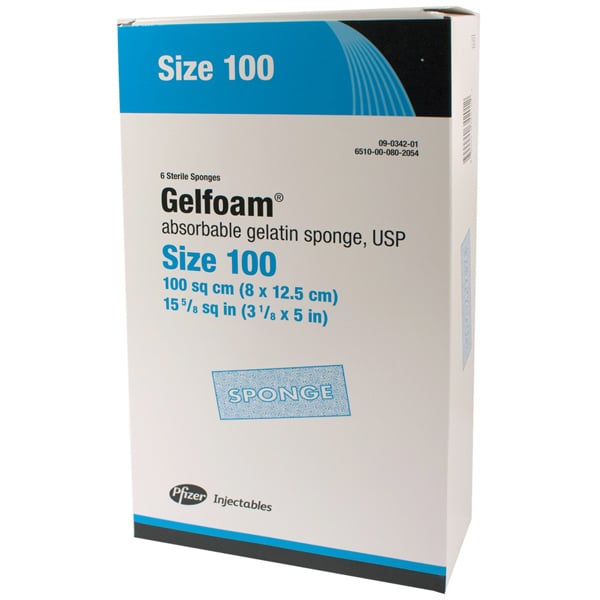
The Engineering of Bio-Absorbable Materials
The technological core of Gelfoam lies in its material composition and the manufacturing processes that define its physical properties. Unlike synthetic polymers or traditional cotton gauzes, Gelfoam is a bio-material specifically engineered for total absorption by the body. This characteristic eliminates the need for a secondary procedure to remove the material, representing a significant advancement in surgical workflow and patient safety.
Porous Architecture and Structural Design
The efficacy of Gelfoam is a direct result of its micro-architectural design. The gelatin is processed to create a multi-porous structure that can hold many times its weight in blood. This is not a random sponge-like quality but a calculated engineering feat. The size and distribution of these pores are optimized to facilitate the rapid uptake of blood and provide a scaffold for fibrin formation.
When applied to a bleeding surface, the material acts as a mechanical lattice. This lattice provides a high surface area that disrupts the flow of blood, effectively trapping platelets and initiating the natural coagulation process. The structural integrity of the sponge is designed to remain stable enough to handle during surgery—whether used dry or saturated with sterile saline—while being soft enough to conform to irregular anatomical shapes.
The Science of Bio-Resorbability
One of the most critical “tech specs” of Gelfoam is its resorbability profile. From a material science perspective, creating a substance that provides immediate structural support but dissolves harmlessly over time is a complex challenge. Gelfoam is engineered to be absorbed within four to six weeks when implanted into tissues. If applied to bleeding mucosal areas, it can liquefy in as little as two to five days.
This timeline is carefully calibrated. If the material were to dissolve too quickly, the risk of re-bleeding would increase. If it persisted too long, it could act as a nidus for infection or lead to the formation of granulomas. The technological refinement of the porcine gelatin ensures that the body’s proteolytic enzymes can break down the sponge at a predictable rate, integrating the material into the natural healing cycle.
The Hemostatic Mechanism: A Technical Deep Dive
Beyond its physical structure, Gelfoam functions as a catalyst for biochemical reactions. It is classified as a passive hemostatic agent, but its interaction with the clotting cascade is anything but passive. In the world of medical technology, Gelfoam serves as a specialized interface between the external surgical environment and the internal physiological response.
Platelet Activation and Fibrin Scaffolding
When blood enters the interstitial spaces of the Gelfoam sponge, the platelets are subjected to intense physical stressors. The rough surface of the gelatin matrix, combined with the rapid deceleration of blood flow through the pores, triggers the damage response in platelets. As these platelets rupture, they release thromboplastin, which in turn catalyzes the conversion of prothrombin to thrombin.
The technology here acts as an accelerant. By providing an artificial scaffold, Gelfoam mimics the role of the natural extracellular matrix. It supports the formation of a fibrin clot, which is the “glue” of the human body. Because the sponge provides such a dense network of fibers, the resulting clot is often more robust and localized than one formed through natural processes alone.
Synergy with Thrombin Technology
While Gelfoam is highly effective on its own, its technological utility is often expanded through its use as a delivery vehicle. In complex surgeries, Gelfoam is frequently saturated with a thrombin solution. Thrombin is an active enzyme that directly converts fibrinogen into fibrin.

In this scenario, Gelfoam ceases to be a passive sponge and becomes a sophisticated drug-delivery system. The porous nature of the gelatin allows for a controlled, localized release of the thrombin, ensuring that the active agent remains at the site of the hemorrhage rather than being washed away by the blood flow. This synergistic approach is a prime example of how material tech and biochemical tech work in tandem to solve clinical challenges.
Clinical Applications and Integration in Modern Surgery
Gelfoam is not a “one-size-fits-all” gadget; it is a versatile platform with various iterations tailored to specific surgical needs. From neurosurgery to cardiovascular procedures, the integration of this technology into the surgical suite requires a deep understanding of its different forms—including sponges, packs, and powders.
Neurosurgical and Otolaryngological Precision
In neurosurgery, the margin for error is non-existent. The technology used must be non-reactive and highly predictable. Gelfoam is used in these delicate environments to control capillary and venous bleeding on the surface of the brain or spinal cord. Its ability to be trimmed to microscopic sizes allows surgeons to apply it with extreme precision.
Similarly, in Otolaryngology (ENT), Gelfoam serves as a specialized packing material. Following procedures like a tympanoplasty (ear drum repair), Gelfoam supports the graft in place. Here, the technology’s ability to liquefy and be naturally absorbed or expelled is vital, as it prevents the need for painful post-operative packing removal, which could disturb the healing tissue.
Cardiovascular and Orthopedic Utility
For cardiovascular surgeons, managing high-pressure arterial bleeding or “seepage” from suture lines is a constant technological hurdle. Gelfoam provides a reliable solution for sealing these leaks. In orthopedics, it is often used in bone surgery where traditional hemostasis is difficult due to the rigid nature of the tissue. The Gelfoam powder variant, when mixed with saline to create a paste, can be applied directly to “bleeding bone,” providing a technological solution for a tissue type that is notoriously difficult to treat.
Quality Control and Manufacturing Standards
In the tech world, the reliability of a component is determined by its manufacturing standards. Gelfoam is no different. As a Class III medical device, it is subject to some of the most rigorous regulatory requirements in the world. The technology behind its production involves complex sterilization and quality assurance protocols to ensure that every sponge is free of contaminants and consistent in its performance.
Sterilization and Gamma Radiation
Unlike traditional textiles, Gelfoam cannot be sterilized using standard autoclaves, as the high heat and moisture would denature the gelatin proteins and destroy the sponge’s structural integrity. Instead, manufacturers utilize gamma radiation. This high-tech sterilization process uses ionizing radiation to eliminate microbial life without compromising the physical properties of the gelatin. This ensures that the product remains sterile in its packaging for years, making it a reliable “just-in-case” technology in emergency rooms and trauma centers.
Sourcing and Biocompatibility
The technology of Gelfoam starts at the molecular level with the sourcing of porcine gelatin. The purification process is designed to remove all antigenic components that could trigger an immune response in the human body. This focus on biocompatibility is what separates medical-grade gelatin technology from industrial or food-grade gelatin. The result is a highly refined bio-polymer that the human immune system recognizes as “self” or, at the very least, “inert,” minimizing the risk of inflammation or rejection.
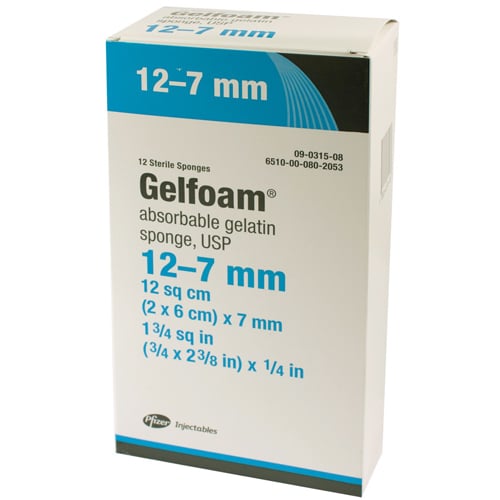
The Future of Bio-Absorbable Hemostats
As we look toward the future of medical technology, Gelfoam continues to inspire new generations of bio-materials. The transition from passive sponges to active, “smart” materials is currently underway, and the lessons learned from decades of Gelfoam use are foundational to these advancements.
We are seeing the emergence of nano-engineered hemostats that can stop bleeding at the molecular level in seconds. However, the cost-effectiveness, reliability, and ease of use associated with gelatin-based technology mean that Gelfoam remains the benchmark against which these new technologies are measured. The future likely holds hybrid materials—combining the proven lattice structure of Gelfoam with new synthetic peptides or AI-driven delivery mechanisms.
In conclusion, “What is Gelfoam?” is a question that finds its answer in the intersection of biology and engineering. It is a testament to the power of material science to provide elegant solutions to complex physiological problems. By leveraging the natural properties of gelatin and refining them through rigorous technological processes, Gelfoam has established itself as an indispensable asset in the global medical tech portfolio. Whether it is facilitating a routine outpatient procedure or a life-saving emergency surgery, this specialized technology continues to define the standard of care in surgical hemostasis.
aViewFromTheCave is a participant in the Amazon Services LLC Associates Program, an affiliate advertising program designed to provide a means for sites to earn advertising fees by advertising and linking to Amazon.com. Amazon, the Amazon logo, AmazonSupply, and the AmazonSupply logo are trademarks of Amazon.com, Inc. or its affiliates. As an Amazon Associate we earn affiliate commissions from qualifying purchases.