
The quest for optimal sleep has driven continuous innovation in mattress technology, leading to breakthroughs that address common comfort issues. Among these, memory foam emerged as a revolutionary material, praised for its exceptional pressure relief and body-contouring capabilities. However, its early iterations faced a significant challenge: heat retention. This inherent warmth, while cozy for some, often disrupted sleep for many, prompting engineers and material scientists to seek a solution. The answer arrived in the form of gel memory foam, an advanced iteration that merges the pressure-relieving benefits of viscoelastic foam with innovative cooling technologies.
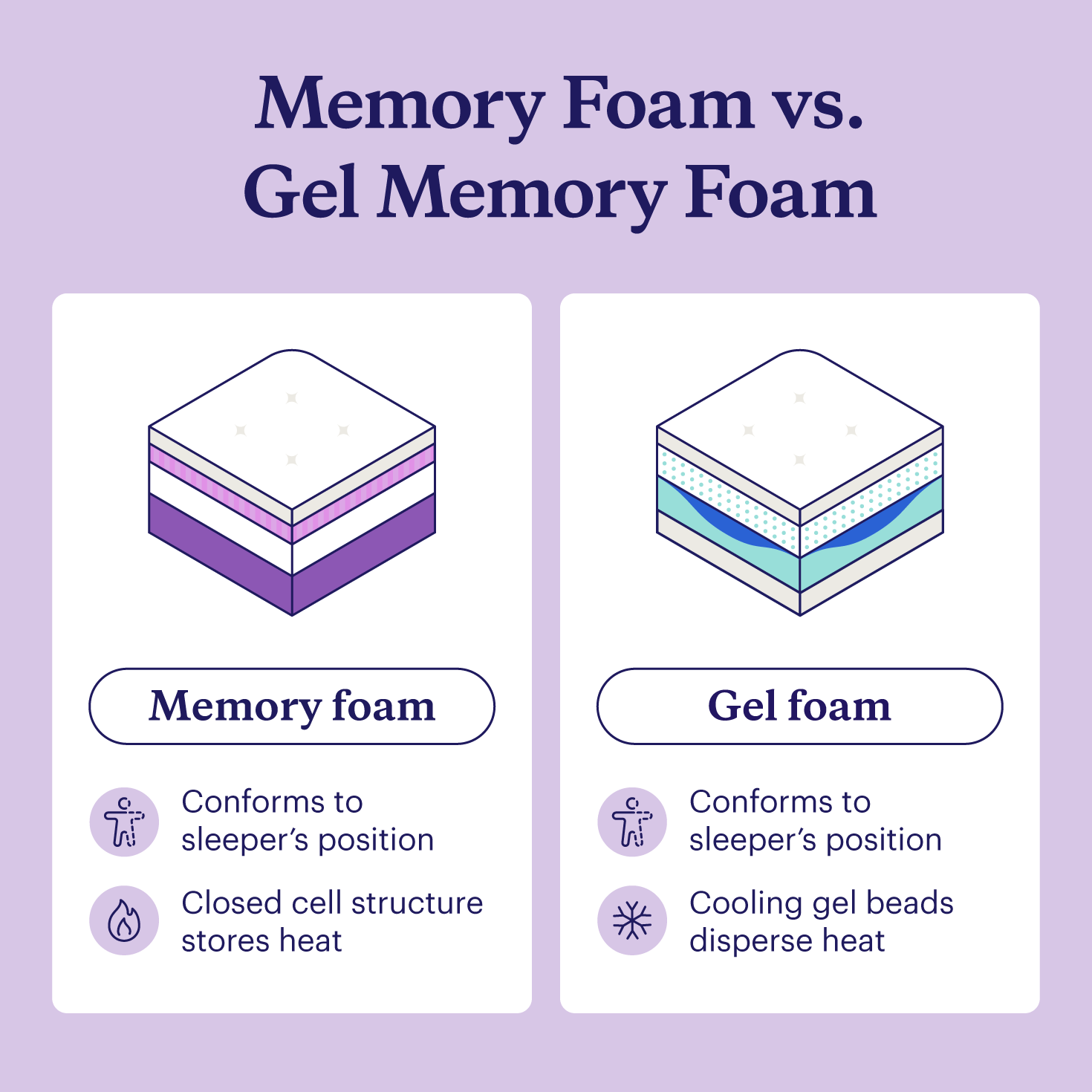
Traditional memory foam, originally developed by NASA for aircraft seating, is a viscoelastic polyurethane foam that responds to body heat and pressure, molding to the contours of the sleeper. This unique property distributes weight evenly, alleviating pressure points and promoting spinal alignment. Yet, the dense, closed-cell structure responsible for its supportive qualities also trapped heat, leading to discomfort. Gel memory foam directly confronts this issue, integrating various gel formulations into the foam matrix to enhance thermal regulation and improve overall sleep quality. It represents a significant step forward in material science, transforming a comfortable but often warm sleep surface into one that offers both superior support and a noticeably cooler experience.
The Core Technology: How Gel Infusion Works
Understanding gel memory foam begins with appreciating the fundamental properties of its predecessor and the technological leap represented by gel infusion. This process isn’t merely an additive; it fundamentally alters the thermal dynamics and sometimes even the structural integrity of the foam.
Viscoelasticity and Heat Retention
Conventional memory foam derives its unique characteristics from its viscoelastic polymer structure. This means it exhibits both viscous (fluid-like) and elastic (spring-like) properties. When pressure is applied, it slowly deforms and conforms to the shape of the object, then slowly returns to its original state once the pressure is removed. This slow response, coupled with its density, is key to its pressure-relieving capabilities. However, the compact cellular structure that enables this deep contouring also inherently limits airflow, causing heat to accumulate. As body heat transfers to the foam, it gets trapped within the material, raising the surface temperature and potentially leading to an uncomfortably warm sleep environment. For many, this warmth, while initially comforting, eventually becomes a deterrent to deep, uninterrupted sleep.
The Gel Infusion Mechanism
The advent of gel memory foam addresses the heat retention issue through the integration of various gel technologies. The primary goal of these infusions is to either absorb and dissipate heat more effectively or to create a more open cell structure that allows for greater airflow. There are several common methods for gel infusion:
- Gel Beads: Tiny gel beads are mixed into the liquid polyurethane during the manufacturing process. These beads are often made from materials with higher thermal conductivity than the foam itself. They absorb heat from the body and then help to disperse it throughout the mattress, or away from the sleeping surface. Some gel beads are also phase-change materials (PCMs), meaning they absorb and release heat as they change from a solid to a liquid state and back, effectively regulating temperature.
- Liquid Gel Swirls: In this method, liquid gel is swirled directly into the foam mixture. This creates a marbled or swirled appearance within the foam. The liquid gel typically contains cooling agents that draw heat away from the body more efficiently than traditional foam.
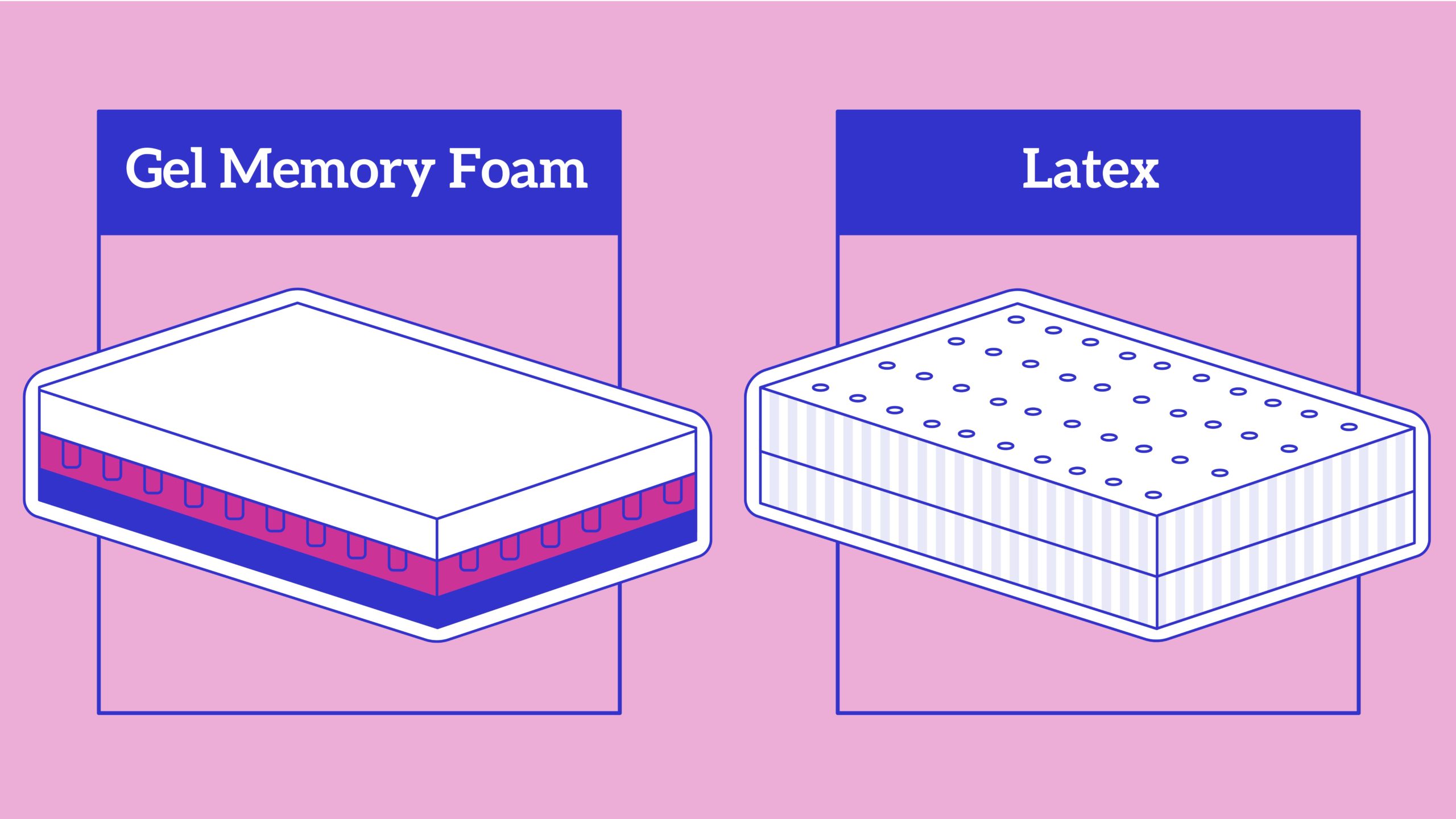
- Gel Layering/Pads: Rather than infusing the gel throughout the foam, some manufacturers apply a dedicated layer of gel directly on top of or within the memory foam. This gel layer often has a lattice-like or columnar structure, designed to maximize airflow and create a more immediate cooling sensation on the sleep surface.
- Open-Cell Technology: While not strictly “gel infusion,” many modern gel memory foams also incorporate advanced open-cell structures. This means the foam cells are less dense and more interconnected, allowing air to circulate more freely within the material. This enhanced breathability works synergistically with the gel to further reduce heat buildup.
Enhanced Thermal Regulation
The science behind gel memory foam’s cooling effect revolves around increasing thermal conductivity and promoting heat dissipation. Traditional memory foam acts as an insulator; gel, on the other hand, acts as a conductor or a heat sink. When a sleeper lies on gel memory foam, body heat is absorbed by the gel particles or layers. These gels then either conduct the heat away from the body and distribute it more evenly throughout the mattress, or they actively store and then release the heat as part of a phase change. The result is a more stable and often lower surface temperature at the point of contact, preventing the uncomfortable sensation of being “stuck” in a warm impression. This active management of thermal energy is what defines gel memory foam as a significant technological improvement over its predecessors.
Beyond Cooling: Performance and Comfort Enhancements
While thermal regulation is the primary driver behind gel memory foam’s development, the integration of gel can also bring other performance enhancements, subtly refining the overall sleep experience beyond just temperature.
Pressure Relief and Support
The core benefit of memory foam – its exceptional pressure relief – is not diminished by gel infusion; in many cases, it’s subtly enhanced. The viscoelastic properties of the foam still allow it to contour precisely to the body’s curves, distributing weight evenly and reducing stress on pressure points like shoulders, hips, and knees. The gel components, particularly those that alter the foam’s density or cell structure, can sometimes lead to a slightly different feel – often described as a more “responsive” or “buoyant” kind of sinkage compared to traditional memory foam’s deeper, slower hug. This ensures that while the foam cradles the body, it also provides robust support to maintain proper spinal alignment, crucial for preventing aches and pains.
Durability and Longevity
The impact of gel infusion on durability is a complex aspect, varying significantly with the specific type of gel used and the manufacturing process. In some formulations, the gel components can actually contribute to the foam’s structural integrity, potentially extending its lifespan by making it more resistant to permanent indentations and breakdown. For example, certain polymer gels can improve the foam’s resilience, helping it recover its shape more effectively over time. However, poorly integrated or low-quality gel can, in rare instances, degrade unevenly. Generally, reputable manufacturers ensure that gel infusions are stable and do not compromise the long-term performance or durability of the mattress, often resulting in a product that maintains its comfort and support for an extended period.
Responsiveness and Motion Isolation
Gel memory foam often exhibits a slightly faster recovery time compared to traditional memory foam. This means it bounces back to its original shape more quickly after pressure is removed. This increased responsiveness can make it easier for sleepers to change positions during the night, reducing the feeling of being “stuck” that some attribute to conventional memory foam. Despite this enhanced responsiveness, gel memory foam largely retains the excellent motion isolation properties for which memory foam is renowned. The viscoelastic material effectively absorbs movement, preventing disturbances from transferring across the bed. This makes it an ideal choice for couples, as one partner’s movements are unlikely to disturb the other, contributing to more peaceful, uninterrupted sleep.
Manufacturing Innovations and Variations

The landscape of gel memory foam is dynamic, with manufacturers continuously innovating to optimize performance and cater to diverse sleep preferences. These innovations extend to the type of gel used, the foam structure, and how these components are integrated into a complete sleep system.
Different Gel Formulations
The type of gel incorporated into memory foam plays a pivotal role in its characteristics. Beyond simple gel beads or swirls, advanced formulations now include:
- Phase-Change Materials (PCMs): These are perhaps the most sophisticated. PCMs are microencapsulated materials that absorb and release thermal energy as they undergo a change in physical state (e.g., from solid to liquid and back). In a mattress, this means as the body heats up, the PCM gel absorbs that heat, liquefying to store it. As the body cools, the PCM solidifies, releasing the stored heat. This creates a remarkably consistent microclimate, actively regulating temperature throughout the night.
- Conductive Gels: These gels are designed simply to draw heat away from the sleeping surface and disperse it more broadly throughout the foam or mattress structure, acting as an efficient thermal conduit. They rely on materials with higher thermal conductivity than the polyurethane foam itself.
- Plant-Based Gels: Driven by sustainability concerns, some manufacturers are exploring plant-based gel alternatives that offer similar cooling properties with a reduced environmental footprint, often using natural oils or derivatives.
Open-Cell Structures
A significant parallel innovation often paired with gel infusion is the development of open-cell memory foam structures. Unlike the more closed, dense cells of early memory foam, open-cell foam features a more interconnected network of cells. This design dramatically improves airflow within the foam, allowing heat and moisture to escape more readily. When combined with gel infusion, open-cell structures create a synergistic effect: the gel actively draws heat away, while the open cells allow that heat to dissipate effectively into the ambient air, preventing it from recirculating and building up. This dual approach significantly enhances the mattress’s breathability and cooling capacity.
Layering and Zoned Support
Modern gel memory foam mattresses rarely consist of a single slab of gel-infused foam. Instead, they often employ intricate layering systems to achieve specific comfort and support profiles. For example:
- Top Cooling Layers: A thinner, highly gel-infused or gel-layered foam might sit directly beneath the cover, providing immediate cooling sensation and pressure relief.
- Transition Layers: Denser or slightly firmer gel memory foams might be used in the middle layers to offer gradual support and prevent too much sinkage.
- Support Cores: The base layer is typically a high-density conventional foam or even an innerspring unit, providing foundational support and durability.
- Zoned Support: Advanced designs incorporate varying densities or types of gel memory foam in different zones of the mattress (e.g., softer for shoulders, firmer for lumbar) to provide targeted pressure relief and support for different body parts. This engineering considers the human anatomy, ensuring optimal alignment and comfort from head to toe.
These manufacturing innovations showcase a sophisticated understanding of material science and sleep ergonomics, allowing gel memory foam mattresses to offer a highly customized and technologically advanced sleep solution.
Technological Impact and Future Trends
Gel memory foam has already made a profound impact on the sleep industry, evolving from a niche luxury to a mainstream technology. Its continued development points towards an even more integrated and personalized future for sleep solutions.
Revolutionizing Sleep Tech
Gel memory foam’s ability to provide both conforming comfort and temperature regulation has cemented its place in the broader “sleep tech” ecosystem. It is a foundational component in many smart beds, where sensors can monitor sleep patterns, heart rate, and even breathing. The stability and consistent comfort offered by gel foam provide an ideal platform for these sophisticated monitoring systems. Furthermore, its capacity for thermal regulation can be linked with active cooling/heating systems, allowing smart beds to dynamically adjust the mattress surface temperature based on individual preference or real-time body temperature fluctuations, pushing the boundaries of personalized comfort. As AI and machine learning become more embedded in home environments, gel memory foam mattresses could integrate further, learning user preferences and pre-emptively adjusting conditions for optimal sleep.
Sustainability and Material Science
The future of gel memory foam is also deeply intertwined with sustainability. As consumer awareness of environmental impact grows, manufacturers are increasingly investing in research and development to create more eco-friendly foam and gel formulations. This includes:
- Plant-Based Foams: Utilizing natural oils (like soy or castor oil) to replace a portion of petroleum-derived components in polyurethane, reducing reliance on fossil fuels.
- Recycled Materials: Exploring methods to incorporate recycled plastics or other materials into foam or gel components.
- Biodegradable Gels: Developing gel materials that break down more safely at the end of the product’s life cycle.
- Reduced VOCs (Volatile Organic Compounds): Innovations in manufacturing processes are leading to foams with lower emissions, resulting in healthier indoor air quality. Certifications like CertiPUR-US® already play a crucial role in ensuring foams meet rigorous standards for content, emissions, and durability.
Personalization and Customization
The trend towards personalization will continue to drive innovation in gel memory foam. Beyond just different firmness levels, future developments could include:
- Modular Designs: Mattresses with interchangeable gel foam layers, allowing users to fine-tune their comfort and cooling levels over the lifespan of the product.
- Adaptive Zones: More sophisticated zoning that dynamically adjusts firmness or cooling based on individual body contours and weight distribution in real-time.
- Integration with Wearables: Seamless integration with personal wearable devices that monitor sleep, providing data that could inform adjustments to the mattress’s characteristics.
- Hypoallergenic and Antimicrobial Treatments: Further advancements in integrating additives that enhance hygiene and health benefits, making gel memory foam even more suitable for individuals with allergies or sensitivities.
In essence, gel memory foam is not just a material; it’s a platform for continuous technological advancement in the pursuit of better sleep. Its evolution from a simple solution to heat retention to a sophisticated component of smart sleep systems highlights the dynamic interplay between material science, engineering, and human well-being.
aViewFromTheCave is a participant in the Amazon Services LLC Associates Program, an affiliate advertising program designed to provide a means for sites to earn advertising fees by advertising and linking to Amazon.com. Amazon, the Amazon logo, AmazonSupply, and the AmazonSupply logo are trademarks of Amazon.com, Inc. or its affiliates. As an Amazon Associate we earn affiliate commissions from qualifying purchases.