
The Gross Domestic Product (GDP) of the United Kingdom is a cornerstone metric for understanding the health and performance of the British economy. It represents the total monetary value of all the finished goods and services produced within the UK’s borders over a specific period, typically a quarter or a year. Far from being a mere academic statistic, GDP serves as a vital barometer for policymakers, businesses, investors, and citizens alike, offering insights into economic growth, productivity, and the overall standard of living.
The Fundamental Definition and Calculation of UK GDP
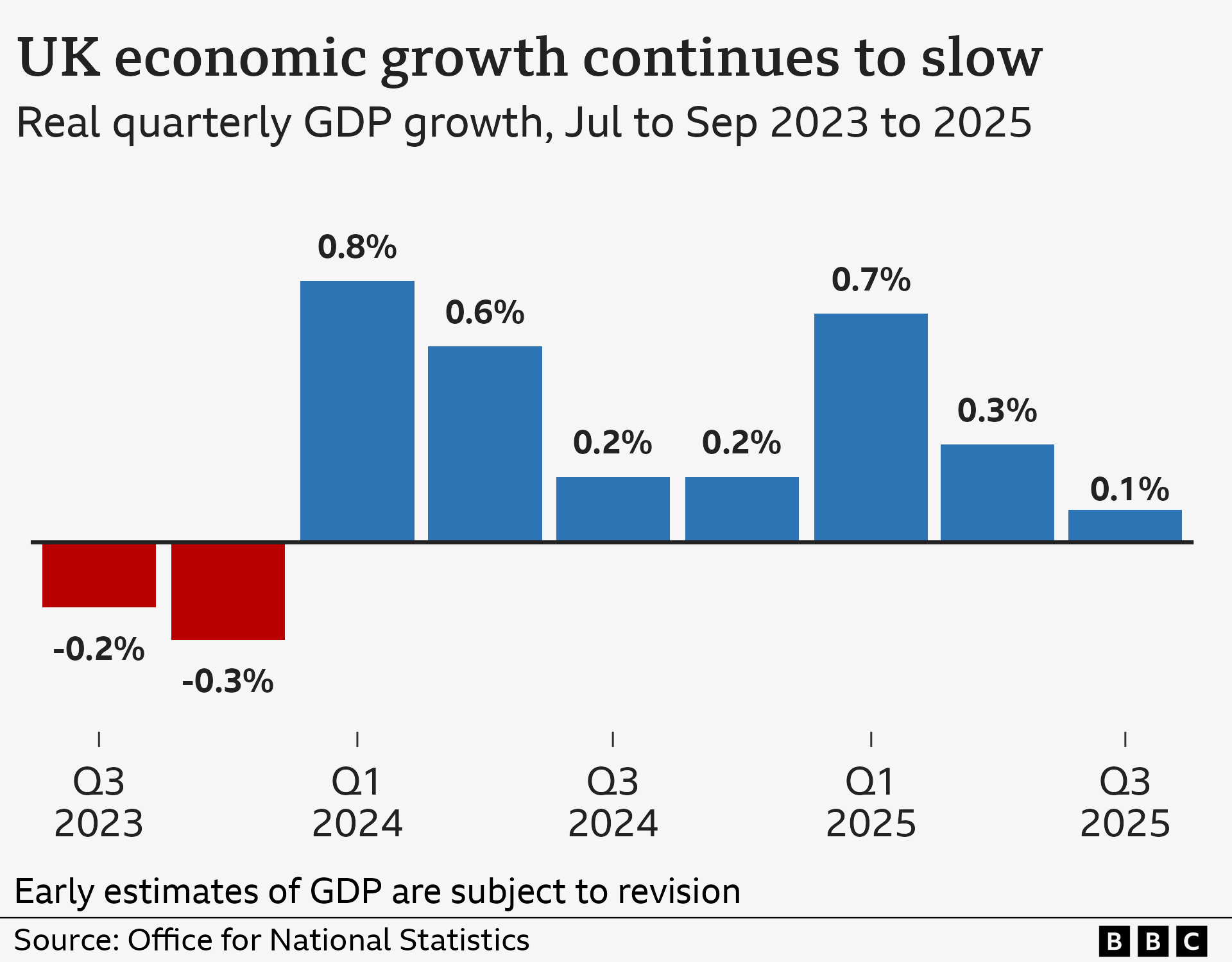
At its core, GDP is an aggregate measure designed to capture the economic output of a nation. The UK’s GDP is calculated using three primary approaches, each offering a different lens through which to view economic activity. These methods, while theoretically producing the same result, are essential for a comprehensive understanding.
The Output Approach: Summing Up Production
The output approach, also known as the production or value-added approach, focuses on the total value of goods and services produced by all sectors of the economy. This involves calculating the “gross value added” (GVA) at each stage of production. GVA is the difference between the value of a firm’s output and the value of its intermediate consumption (the goods and services used up in the production process). Summing up the GVA across all industries, and then adding taxes on products (like VAT) and subtracting subsidies on products, yields the GDP. This method highlights which sectors are contributing most to the economy and where growth or contraction is occurring.
Key Industries and Their Contribution to GVA
The UK’s economy is a complex mix of industries. Traditionally, services have dominated, but understanding the contributions of various sectors is crucial. The services sector, encompassing everything from finance and business services to retail, healthcare, and education, typically accounts for the largest share of UK GVA. Within services, financial and business services have historically been significant drivers.
The production sector, which includes manufacturing, mining, quarrying, energy, and construction, also plays a vital role. While its share has decreased over the decades, manufacturing remains important, particularly in areas like automotive, aerospace, and pharmaceuticals. Construction is a cyclical industry, often sensitive to economic conditions and government investment.
Agriculture, while a small percentage of overall GVA, is nonetheless an important foundational sector. Understanding the performance of these distinct industrial categories provides a granular view of the UK’s economic landscape.
The Expenditure Approach: Tracking Spending
The expenditure approach measures GDP by summing up all spending on final goods and services in an economy. This perspective views GDP as the total demand for a nation’s output. The formula is commonly expressed as:
GDP = C + I + G + (X – M)
Where:
- C (Consumption): This represents household spending on goods and services. It’s the largest component of GDP in most developed economies, reflecting consumer confidence and purchasing power.
- I (Investment): This includes business investment in capital goods (machinery, buildings, software) and changes in inventories, as well as household spending on new homes.
- G (Government Spending): This encompasses government expenditure on public services, infrastructure, and defense.
- (X – M) (Net Exports): This is the difference between the value of exports (goods and services sold abroad) and imports (goods and services bought from abroad). A trade surplus (exports > imports) adds to GDP, while a trade deficit subtracts from it.
This approach is particularly useful for understanding the drivers of economic demand and how different components of spending are influencing growth.
The Income Approach: Summing Up Earnings
The income approach calculates GDP by summing up all the incomes earned within an economy. This includes wages and salaries, profits of companies, rental income, and interest income. Essentially, it represents the total earnings generated by the factors of production (labor and capital) used to produce goods and services. This method provides insights into how economic output is distributed among the population and businesses.
Wages, Profits, and Other Factor Incomes
Under the income approach, GDP is the sum of:
- Compensation of Employees: This includes wages, salaries, and other employment benefits.
- Gross Operating Surplus: This represents the profits of companies and the surplus of self-employed individuals. It’s what remains after paying for labor and intermediate consumption.
- Gross Mixed Income: This is a measure for unincorporated businesses where it’s difficult to distinguish between the income of the owner and the income from the business itself.
- Taxes on Production and Imports less Subsidies: These are indirect taxes levied on goods and services, less any government subsidies.
Why UK GDP Matters: Its Significance and Applications
The Gross Domestic Product of the UK is more than just a number; it’s a critical indicator with far-reaching implications for policy, business strategy, and individual financial well-being.
Economic Health and Growth Monitoring
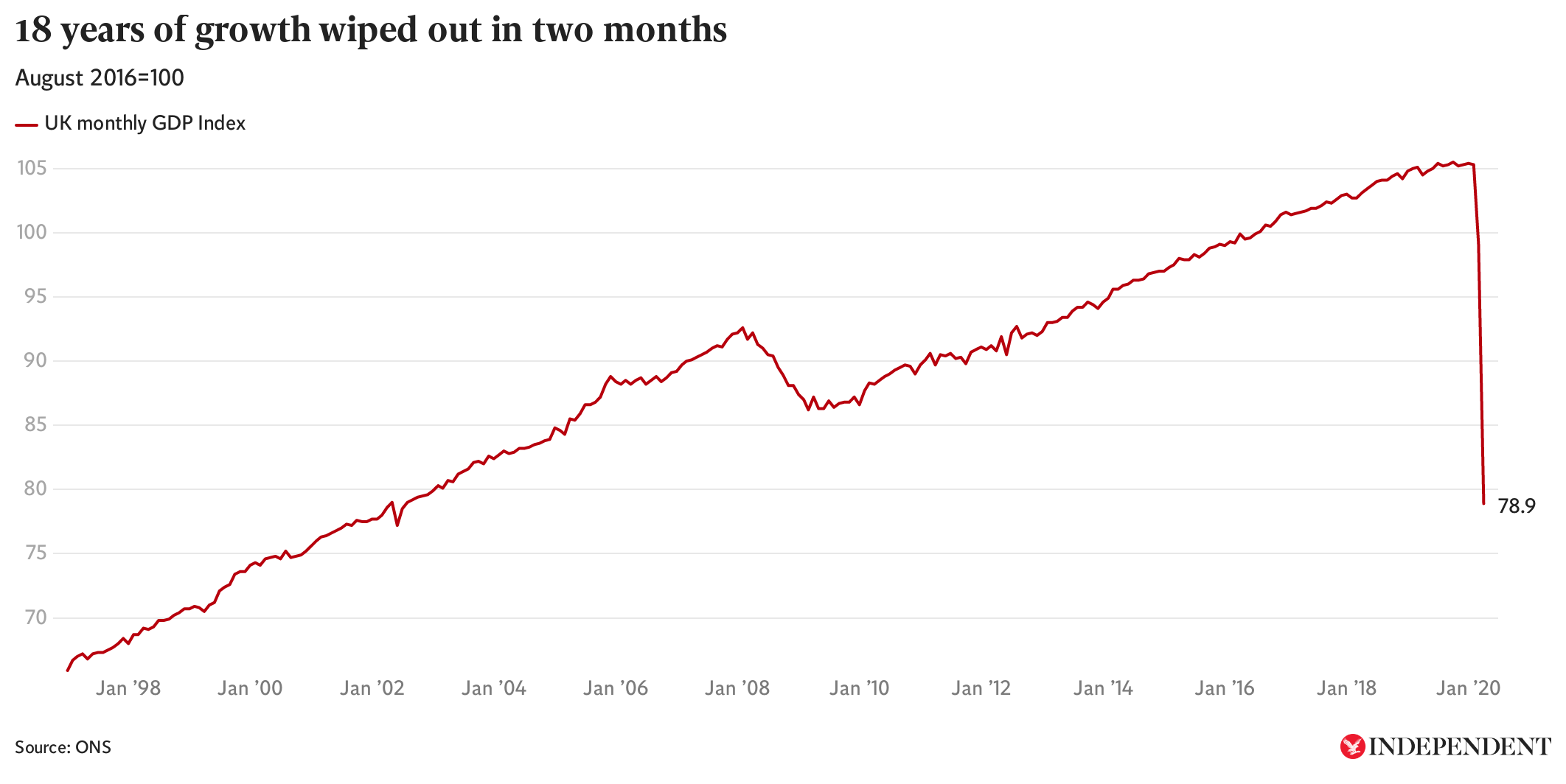
GDP is the primary gauge of a nation’s economic health. Consistent positive GDP growth signals an expanding economy, often associated with increased employment opportunities, higher consumer spending, and greater investment. Conversely, a declining GDP, particularly for two consecutive quarters, indicates a recession, a period of significant economic downturn. Policymakers, especially the Bank of England and the Treasury, closely monitor GDP figures to assess the effectiveness of monetary and fiscal policies.
Interpreting GDP Growth Rates: What Does it Tell Us?
GDP growth is usually expressed as a percentage change from the previous period. A 2% annual growth rate, for instance, means the economy produced 2% more in value than in the preceding year. Different growth rates have distinct implications:
- Sustained High Growth: Often desirable, but can lead to inflationary pressures if demand outstrips supply.
- Moderate Growth: Typically considered healthy and sustainable.
- Low or Stagnant Growth: Can indicate underlying structural issues or a lack of dynamism in the economy.
- Negative Growth (Recession): Signals economic contraction, job losses, and reduced investment.
Understanding these nuances allows for a more informed assessment of the UK’s economic trajectory.
Policy Making and Economic Management
The UK government and the Bank of England rely heavily on GDP data to inform their policy decisions. For example:
- Monetary Policy: If GDP growth is robust and inflation is a concern, the Bank of England might raise interest rates to cool down the economy. If GDP is stagnant or declining, interest rates might be lowered to stimulate borrowing and spending.
- Fiscal Policy: Governments use GDP projections to plan public spending, taxation, and borrowing. Strong GDP growth can allow for increased public services or tax cuts, while a downturn might necessitate austerity measures or stimulus packages.
- International Comparisons: GDP figures allow the UK to compare its economic performance against other countries, informing trade policy and international economic strategy.
Business Investment and Consumer Confidence
Businesses use GDP trends to make strategic decisions about investment, expansion, and hiring. If GDP is growing, businesses are more likely to invest in new equipment, research and development, and increase their workforce, anticipating higher demand for their products and services. For consumers, GDP growth often correlates with rising employment and wages, boosting confidence and encouraging spending. Conversely, a weakening GDP can lead to business caution, layoffs, and reduced consumer spending.
Factors Influencing UK GDP
A multitude of factors, both domestic and international, can influence the UK’s GDP. Understanding these drivers is crucial for forecasting future economic performance.
Domestic Factors
- Consumer Spending: As the largest component of GDP, consumer confidence, disposable income, and access to credit are powerful determinants.
- Business Investment: The willingness of companies to invest in capital, innovation, and expansion is vital for long-term growth. Factors like interest rates, corporate tax policies, and regulatory environments play a significant role.
- Government Spending and Policy: Fiscal policies, infrastructure projects, and the regulatory framework can directly impact economic activity.
- Labor Market Conditions: Employment levels, wage growth, and productivity all contribute to GDP. A skilled and healthy workforce is essential.
- Housing Market: The health of the housing market can influence consumer confidence and construction activity.
External Factors
- Global Economic Conditions: The performance of major trading partners, such as the European Union, the United States, and China, significantly impacts UK exports and imports.
- Exchange Rates: The value of the Pound Sterling affects the competitiveness of UK exports and the cost of imports. A weaker pound can boost exports but make imports more expensive.
- Commodity Prices: For the UK, the price of oil and gas can have a notable impact on inflation and business costs.
- Geopolitical Events: International conflicts, trade disputes, and global health crises can create uncertainty and disrupt supply chains, affecting economic activity.
- Brexit: The UK’s departure from the European Union has introduced ongoing adjustments to trade relationships, regulatory frameworks, and labor mobility, all of which have implications for GDP.
Challenges and Criticisms of GDP as a Measure
While GDP is an indispensable tool, it’s not without its limitations and criticisms. Its focus on monetary value can sometimes overlook crucial aspects of societal well-being.
Limitations of GDP
- Excludes Non-Market Activities: GDP does not account for unpaid work, such as childcare, volunteer work, or household chores, which contribute significantly to society.
- Ignores Income Inequality: GDP per capita can mask vast disparities in wealth distribution. A high GDP per capita doesn’t necessarily mean everyone is well-off.
- Environmental Costs: The production of goods and services often comes with environmental degradation, pollution, and resource depletion, which are not factored into GDP calculations.
- Focus on Quantity over Quality: GDP measures the value of goods and services produced but doesn’t inherently differentiate between beneficial and harmful activities (e.g., spending on disaster relief or healthcare for lifestyle diseases).
- Black Market and Informal Economy: Unreported economic activities are not captured by official GDP figures.
Alternative and Complementary Measures
Recognizing these limitations, economists and policymakers are increasingly exploring complementary measures to provide a more holistic view of societal progress. These include:
- Gross National Happiness (GNH): Bhutan’s pioneering approach that emphasizes well-being, environmental conservation, and cultural preservation.
- Human Development Index (HDI): Developed by the United Nations, it measures average achievement in health (life expectancy), education (years of schooling), and living standards (GNI per capita).
- Genuine Progress Indicator (GPI): Attempts to account for the environmental and social costs of economic activity.
Conclusion: The Enduring Importance of UK GDP
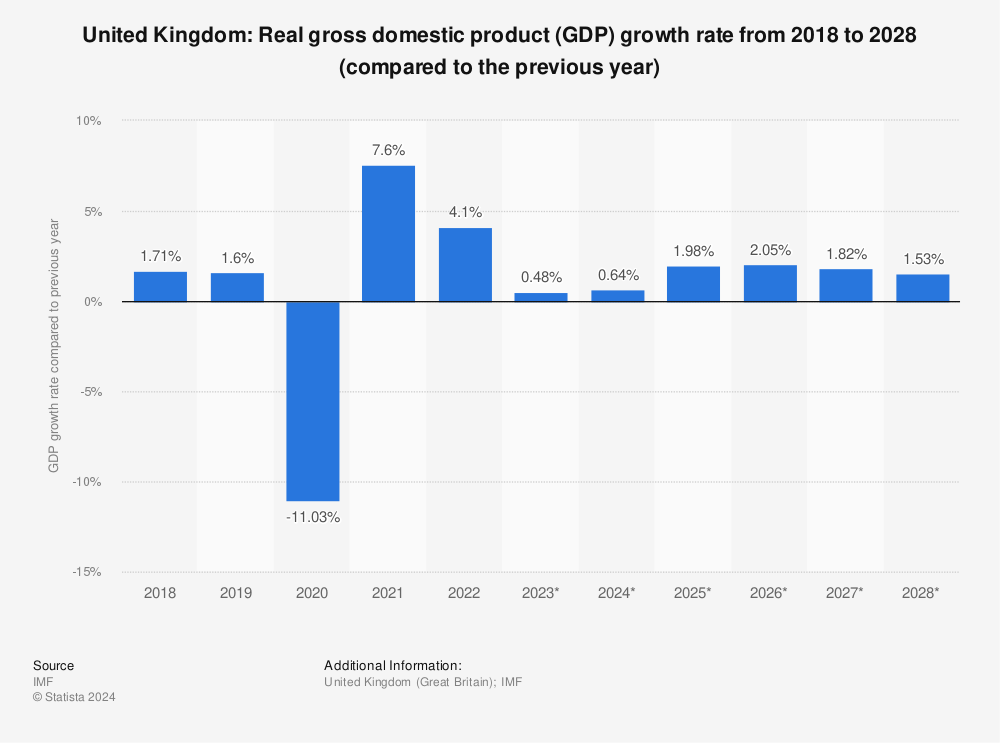
Despite its acknowledged shortcomings, the Gross Domestic Product remains the most widely used and comprehensive measure of a nation’s economic activity. For the UK, understanding its GDP is fundamental to navigating economic challenges and opportunities. It provides the essential data for informed policy decisions, strategic business planning, and a clearer picture of the nation’s overall economic performance. While future economic indicators may evolve to incorporate broader measures of well-being, GDP will likely continue to be the bedrock metric for assessing the financial health and dynamism of the United Kingdom. Its continuous monitoring and analysis are indispensable for fostering sustainable growth and prosperity.
aViewFromTheCave is a participant in the Amazon Services LLC Associates Program, an affiliate advertising program designed to provide a means for sites to earn advertising fees by advertising and linking to Amazon.com. Amazon, the Amazon logo, AmazonSupply, and the AmazonSupply logo are trademarks of Amazon.com, Inc. or its affiliates. As an Amazon Associate we earn affiliate commissions from qualifying purchases.