
Understanding the Gross Domestic Product (GDP) of India is essential for anyone looking to navigate the modern global financial landscape. As the world’s fifth-largest economy and one of its fastest-growing major nations, India serves as a critical barometer for emerging market health. For investors, business owners, and finance enthusiasts, the GDP figure is more than just a statistic; it is a reflection of industrial output, consumer demand, and the overall trajectory of the nation’s economic policy.
The Current State of India’s Economic Output
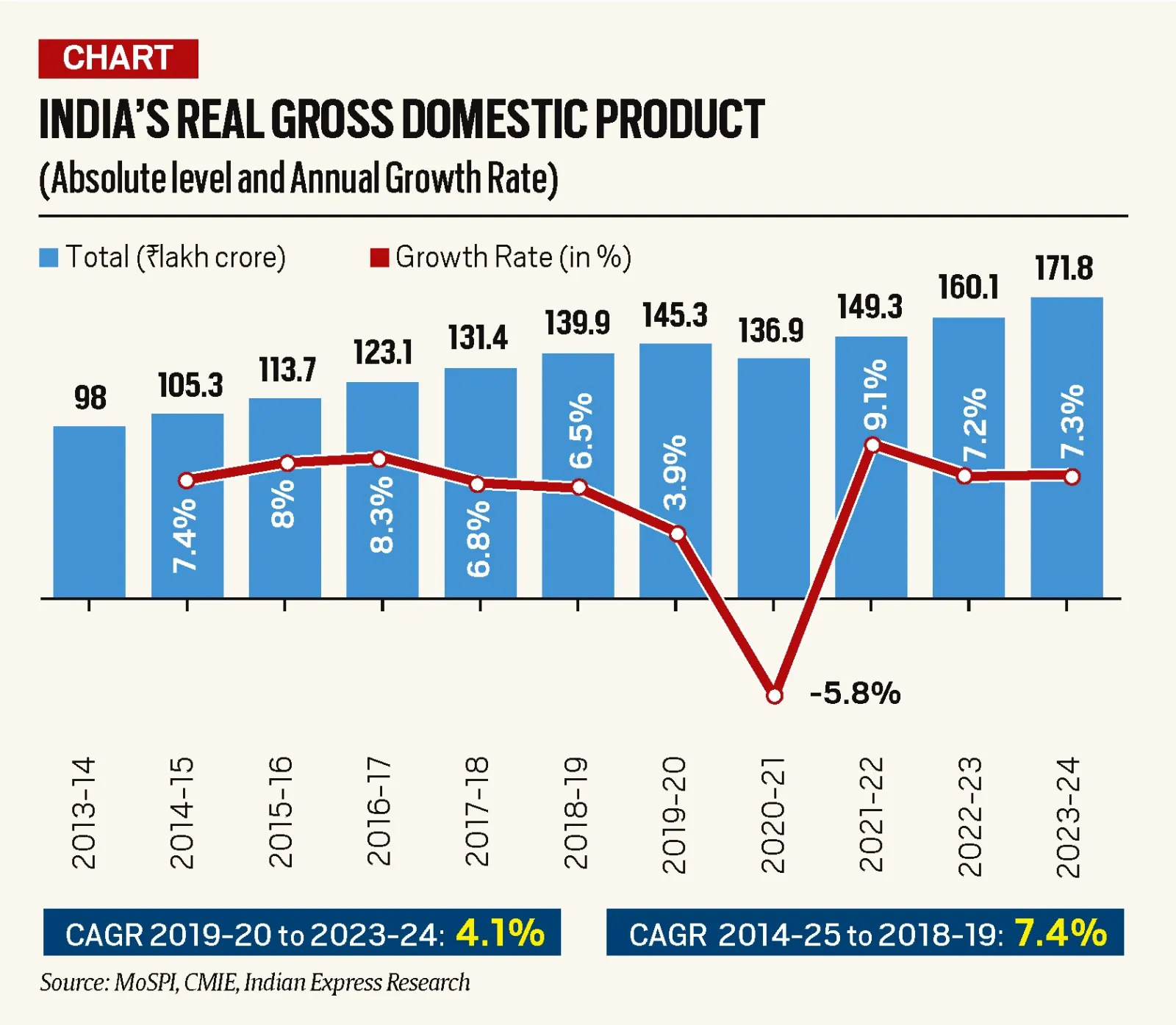
In the most recent fiscal assessments, India’s GDP has shown remarkable resilience, positioning itself as a bright spot in a global economy often clouded by volatility. The nominal GDP of India is currently estimated to be hovering around the $3.7 trillion to $4 trillion mark. This growth trajectory is fueled by a robust domestic consumption engine, significant infrastructure investments, and a rapidly evolving services sector.
Nominal GDP vs. Purchasing Power Parity (PPP)
When analyzing the Indian economy, it is vital to distinguish between Nominal GDP and GDP based on Purchasing Power Parity. Nominal GDP measures the value of all goods and services produced at current market prices, which is the figure most commonly cited in news reports. However, when adjusted for Purchasing Power Parity, India’s position becomes even more significant.
India ranks as the third-largest economy in the world in terms of PPP. This metric accounts for the relative cost of living and the inflation rates of the country, providing a more accurate picture of the standard of living and the domestic purchasing strength of the population. For businesses looking to enter the Indian market, the PPP figure often serves as a better indicator of consumer potential than the nominal dollar valuation.
Growth Trends and Projections
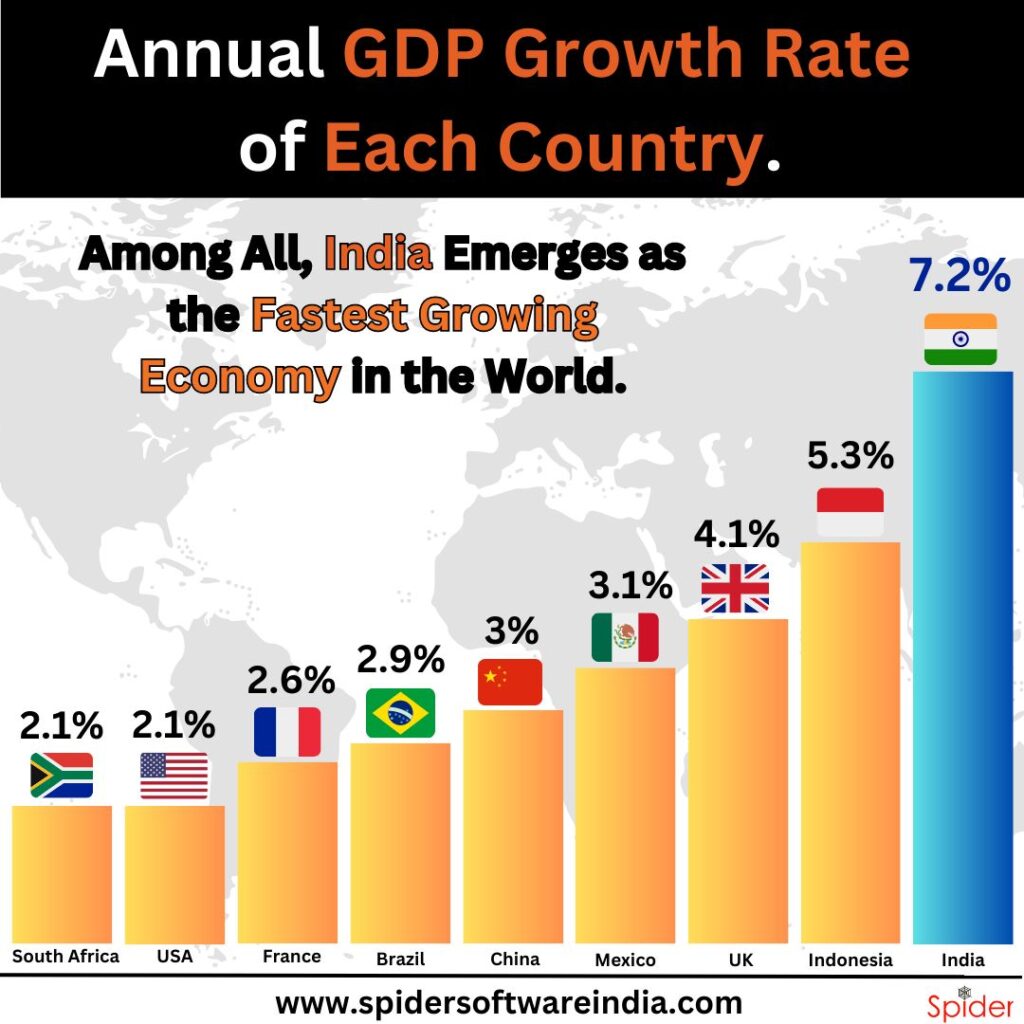
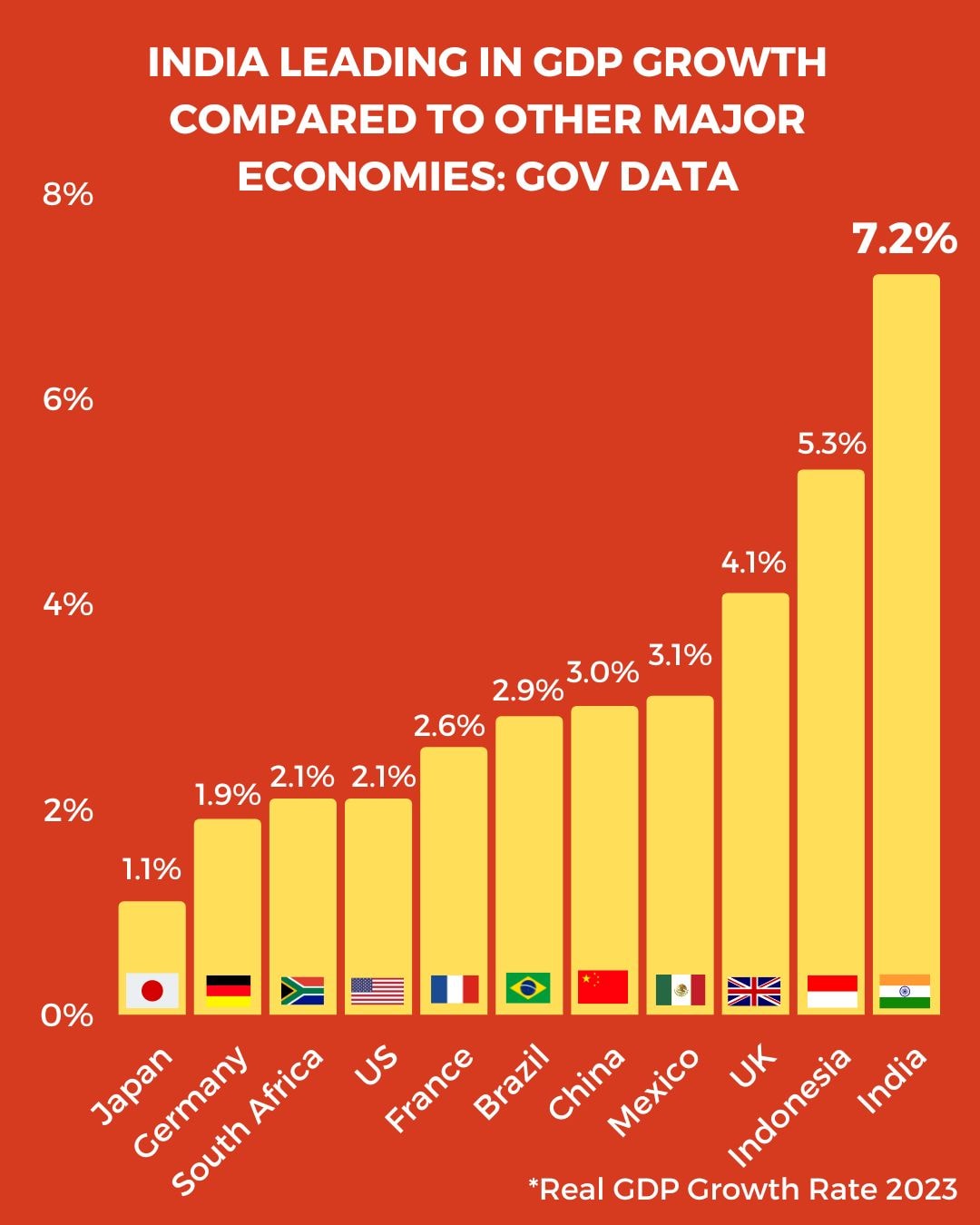
The Indian economy has consistently maintained a growth rate that outpaces most of its G20 counterparts. Driven by a “demographic dividend”—a large, young, and increasingly educated workforce—India has transitioned from an agrarian-focused society to a hub for technology, manufacturing, and financial services. Projections from major international financial institutions suggest that India is on track to become the world’s third-largest economy by the end of the decade, likely surpassing Japan and Germany.
Key Drivers of India’s Financial Growth
The structure of India’s GDP is complex and multifaceted. It is no longer reliant on a single sector; rather, it is a hybrid model that balances traditional strengths with modern innovation.
The Rise of the Services Sector
The services sector remains the most significant contributor to India’s GDP, accounting for over 50% of the total output. India has established itself as the “back office of the world,” with a massive export market for IT services, business process management, and software development. Beyond international outsourcing, the domestic services sector—including retail, telecommunications, banking, and hospitality—has seen explosive growth, driven by an expanding middle class.
Manufacturing and the ‘Make in India’ Initiative
While services dominate, the manufacturing sector is the current focus of aggressive policy reform. Through initiatives like “Make in India” and the implementation of Production Linked Incentive (PLI) schemes, the government is incentivizing global firms to establish manufacturing bases within the country. This shift is intended to reduce the reliance on imports and turn India into a global export hub for electronics, automobiles, and pharmaceuticals.
The Infrastructure Push
Public spending on capital infrastructure—specifically railways, highways, ports, and digital connectivity—has acted as a massive multiplier for the GDP. By lowering logistics costs and improving connectivity between industrial clusters and urban markets, the government is attempting to lower the barrier to entry for small and medium-sized enterprises (SMEs). This infrastructure-led growth strategy is designed to create long-term stability and attract foreign direct investment (FDI).
Investment Implications and Economic Stability
For the individual investor or the corporate entity, India’s GDP figures carry significant weight. Investing in an economy growing at a healthy clip requires a nuanced understanding of how these metrics translate into market opportunities.
Understanding Market Sentiment
GDP data is a lagging indicator, yet it influences market sentiment significantly. When India’s GDP reports exceed market expectations, it typically leads to an influx of foreign portfolio investment into the Indian stock markets. Conversely, periods of slower growth highlight the importance of sector-specific analysis. Investors often look toward sectors that are directly linked to GDP expansion, such as banking and finance, which benefit from increased credit demand, or consumer discretionary, which benefits from rising disposable income.
Managing Risk in a Growing Market
While the GDP growth story is compelling, it is not without risks. India faces challenges such as fluctuating global oil prices, geopolitical tensions affecting supply chains, and the need for continuous labor market reforms. From a business finance perspective, currency fluctuations are a critical factor. Because the Indian Rupee (INR) is subject to market forces, firms operating in India must employ robust hedging strategies to protect their bottom lines against potential volatility in exchange rates, which can impact the conversion of local earnings into dollar-denominated reports.
The Role of Monetary Policy
The Reserve Bank of India (RBI) plays a pivotal role in managing the balance between growth and inflation. GDP growth often puts upward pressure on inflation, and the RBI’s mandate to maintain price stability means that interest rates are frequently adjusted. For those involved in business finance, understanding the intersection of GDP growth and monetary policy is essential for planning capital expenditure and debt servicing. High-growth environments often lead to higher interest rate regimes, affecting the cost of capital for businesses across the country.
Future Outlook: The Decade Ahead
As we look toward the future, the composition of India’s GDP is expected to shift further toward digitization and sustainable energy.
The Digital Economy Impact
The rapid digitalization of the Indian economy—facilitated by initiatives like the Unified Payments Interface (UPI) and the expansion of high-speed internet into rural areas—is bringing millions of previously unbanked individuals into the formal economy. This “formalization” of the economy is a massive contributor to GDP growth, as it increases tax compliance, improves data transparency, and creates a more efficient credit ecosystem for small businesses.
Sustainable Development and Green Energy
Energy security is increasingly becoming a part of the GDP conversation. India’s massive investments in renewable energy, particularly solar and green hydrogen, are not just environmental goals but economic ones. By reducing the reliance on imported fossil fuels, India aims to improve its balance of payments and foster a new industrial sector that can contribute to GDP for decades to come.
In summary, the GDP of India is a dynamic figure that encapsulates the energy and ambition of one of the world’s most populous nations. It is a story of transition—from a traditional economy to a digital-first, manufacturing-ready powerhouse. For anyone involved in investing, corporate strategy, or financial planning, tracking the components of this growth is not merely a task of reading numbers; it is an exercise in understanding the shifting power dynamics of the 21st-century global economy. By focusing on the core drivers of this growth—services, infrastructure, and digital integration—stakeholders can identify the opportunities that lie within India’s ongoing economic expansion.
aViewFromTheCave is a participant in the Amazon Services LLC Associates Program, an affiliate advertising program designed to provide a means for sites to earn advertising fees by advertising and linking to Amazon.com. Amazon, the Amazon logo, AmazonSupply, and the AmazonSupply logo are trademarks of Amazon.com, Inc. or its affiliates. As an Amazon Associate we earn affiliate commissions from qualifying purchases.