
Guillain-Barré Syndrome (GBS) is a rare but serious autoimmune disorder that can affect individuals of all ages. While the direct link between technological advancements, branding strategies, or financial markets and GBS might not be immediately obvious, understanding this condition requires a multifaceted approach. This article delves into the nature of GBS, exploring its causes, symptoms, diagnosis, treatment, and the long-term implications for those affected, drawing parallels to the analytical and systematic thinking often applied in tech, brand, and finance.
Understanding the Neurological Attack: The Core of GBS
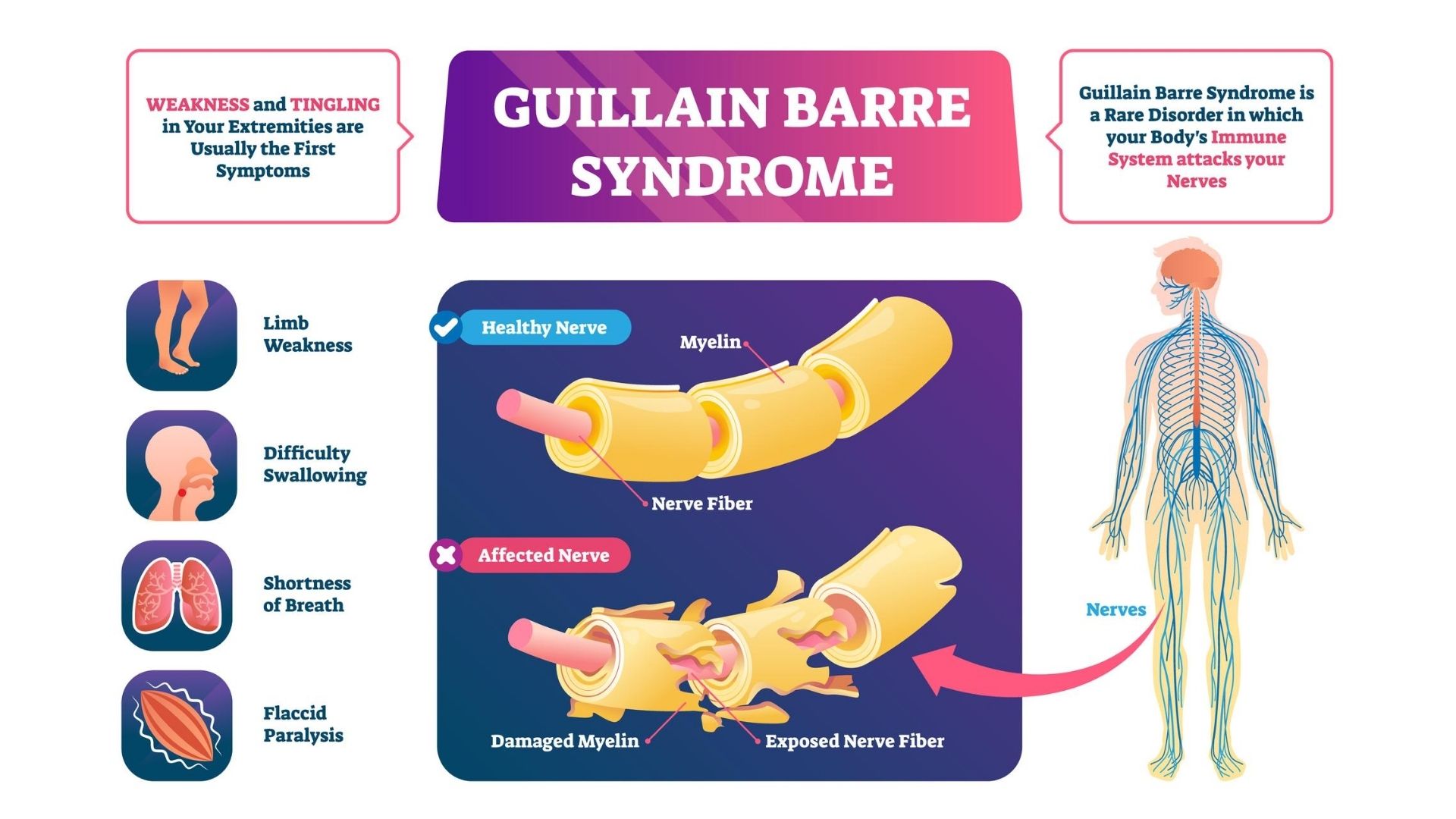
At its heart, GBS is a neurological disorder where the body’s own immune system mistakenly attacks the peripheral nervous system. This system is responsible for transmitting signals between the brain and spinal cord, and the rest of the body, controlling everything from muscle movement to sensory perception.
The Immune System’s Misguided Offensive
Normally, the immune system acts as a vigilant defender, identifying and neutralizing foreign invaders like bacteria and viruses. In GBS, however, this sophisticated defense mechanism goes awry. For reasons not fully understood in every case, the immune system begins to produce antibodies that target specific components of the peripheral nerves, particularly the myelin sheath. Myelin acts like an insulating layer around nerve fibers, crucial for efficient and rapid transmission of nerve impulses. When myelin is damaged, these signals are disrupted or completely blocked, leading to the characteristic symptoms of GBS.
Triggers and Associations: A Complex Web
While the exact trigger for this autoimmune response remains elusive in many instances, certain preceding events are frequently observed in individuals who develop GBS.
Infections: The Most Common Culprits
The most well-documented association is with antecedent infections. Viral infections, such as influenza, cytomegalovirus (CMV), Epstein-Barr virus (EBV), and Zika virus, are commonly implicated. Bacterial infections, most notably Campylobacter jejuni, a common cause of food poisoning, are also strongly linked to GBS. It’s believed that during these infections, the immune system’s response becomes confused, and its antibodies start to recognize similarities between parts of the pathogen and components of the peripheral nerves. This phenomenon is known as molecular mimicry.
Other Potential Triggers
Beyond infections, other factors have been associated with a slightly increased risk of GBS, though the causality is less definitively established. These include:
- Vaccinations: While rare, some vaccines have been linked to an increased risk of GBS. It’s crucial to note that the overall benefits of vaccination in preventing severe diseases far outweigh the extremely low risk of developing GBS. Regulatory bodies and medical professionals continuously monitor vaccine safety.
- Surgery: Certain surgical procedures have also been noted as potential triggers.
- Rare Conditions: In very rare cases, GBS has been reported in individuals with certain types of cancers or other autoimmune conditions.
The diverse range of potential triggers highlights the complex interplay between the immune system, genetics, and environmental factors that can lead to GBS, much like understanding market fluctuations requires analyzing various economic indicators and geopolitical events.
The Manifestation of GBS: Recognizing the Symptoms
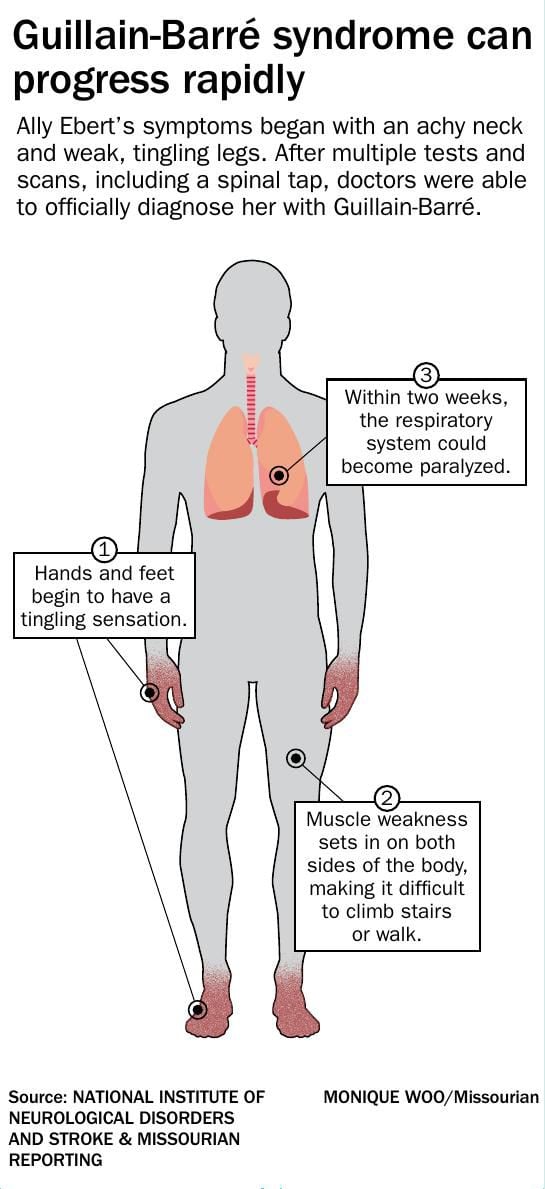
The hallmark of GBS is a rapid, progressive muscle weakness that typically begins in the legs and spreads upwards to the arms and trunk. The onset and progression of symptoms can vary significantly from person to person, ranging from mild weakness to complete paralysis.
The Ascending Paralysis Pattern
The classic presentation of GBS is an ascending paralysis, meaning the weakness starts at the lower extremities and moves towards the head. This progression can occur over hours, days, or weeks.
Early Warning Signs
Initial symptoms often include:
- Tingling or Prickling Sensations (Paresthesias): Often described as “pins and needles,” these sensations usually begin in the toes and fingers.
- Muscle Weakness: This is the most prominent symptom, starting as a feeling of heaviness or difficulty moving the legs. It can progress to significant weakness, making it difficult to walk or stand.
- Pain: Many individuals experience pain, which can be muscular, cramping, or neuropathic (nerve-related). This pain can be quite severe and requires aggressive management.
As the weakness ascends, it can affect:
- Arms and Hands: Difficulty with fine motor skills, lifting objects, or even holding them.
- Facial Muscles: Weakness in facial muscles can lead to difficulty speaking, chewing, swallowing, and blinking. In some cases, it can affect eye movement.
- Breathing Muscles: This is a critical and potentially life-threatening complication. When GBS affects the muscles responsible for breathing, individuals may require mechanical ventilation.
Sensory Disturbances and Autonomic Dysfunction
Beyond motor weakness, GBS can also impact sensory functions and the autonomic nervous system, which controls involuntary bodily functions.
Sensory Involvement
While motor weakness is predominant, some individuals also experience sensory disturbances, including:
- Numbness: Loss of sensation in the extremities.
- Loss of Balance and Coordination: Difficulty with proprioception (the sense of the relative position of one’s own parts of the body).
Autonomic Nervous System Complications
The autonomic nervous system controls vital functions like heart rate, blood pressure, and digestion. GBS can disrupt these functions, leading to:
- Blood Pressure Fluctuations: Significant drops (hypotension) or spikes (hypertension).
- Heart Rhythm Abnormalities: Irregular heartbeats.
- Digestive Issues: Constipation or difficulty emptying the bladder.
- Excessive Sweating or Inability to Sweat: Impaired temperature regulation.
These autonomic dysfunctions can be serious and require close monitoring and management in a hospital setting, much like closely tracking financial market volatility requires constant vigilance.

Diagnosis and Treatment: A Race Against Time
Diagnosing GBS relies on a combination of clinical assessment, neurological examination, and specific diagnostic tests. Prompt diagnosis is crucial for initiating timely treatment and improving outcomes.
The Diagnostic Toolkit
When GBS is suspected, physicians will typically:
- Take a Detailed Medical History: Inquiring about recent infections, vaccinations, and the onset and progression of symptoms.
- Perform a Neurological Examination: Assessing muscle strength, reflexes, and sensory responses. The pattern of weakness and the loss of reflexes are key indicators.
Key Diagnostic Tests
- Lumbar Puncture (Spinal Tap): This procedure involves collecting a sample of cerebrospinal fluid (CSF) from the lower back. In GBS, CSF typically shows a high protein count with a normal number of white blood cells. This pattern, known as albuminocytologic dissociation, is highly suggestive of GBS.
- Nerve Conduction Studies (NCS) and Electromyography (EMG): These tests measure the electrical activity of nerves and muscles. They can identify nerve damage and slow down nerve conduction velocities, confirming the diagnosis and helping to determine the severity of the condition.
Therapeutic Interventions: Halting the Attack
The primary goal of treatment for GBS is to reduce the severity of the immune system’s attack on the peripheral nerves and to manage symptoms.
Immunotherapy: Modulating the Immune Response
Two main forms of immunotherapy are highly effective:
- Intravenous Immunoglobulin (IVIg): This treatment involves administering high doses of antibodies from healthy donors directly into the bloodstream. IVIg is thought to work by blocking the antibodies that are attacking the nerves and by modulating the immune response. It is generally well-tolerated and considered the first-line treatment.
- Plasma Exchange (Plasmapheresis): This procedure involves removing the patient’s blood, separating the plasma (the liquid component that contains antibodies), and returning the blood cells mixed with a plasma substitute. The aim is to remove the harmful antibodies from the bloodstream.
Supportive Care: Managing Complications
Because GBS can affect vital functions, comprehensive supportive care is essential:
- Mechanical Ventilation: If breathing muscles are significantly weakened, a ventilator is necessary to assist breathing.
- Pain Management: Aggressive pain control is vital, often involving a combination of medications.
- Nutritional Support: If swallowing is impaired, a feeding tube may be required.
- Blood Pressure and Heart Rate Monitoring: Continuous monitoring and management of autonomic dysfunction are critical.
- Physical and Occupational Therapy: Rehabilitation plays a crucial role in recovery, helping patients regain strength, mobility, and independence.
The treatment of GBS, much like managing a complex business venture, requires a strategic, multi-pronged approach that addresses immediate threats while planning for long-term recovery and growth.
Recovery and Long-Term Outlook: Rebuilding and Adapting
The recovery period for GBS can be lengthy and variable, with most individuals experiencing some degree of improvement. However, the extent of recovery and the presence of residual deficits depend on the severity of the initial illness.
The Path to Recovery
- Plateau Phase: After the initial progression, symptoms typically stabilize for a period.
- Recovery Phase: This is the longest phase, where nerve function gradually returns. This can take weeks, months, or even years.
- Rehabilitation: Intensive physical and occupational therapy are crucial for regaining muscle strength, coordination, and functional independence. This often involves exercises, stretching, and adaptive strategies for daily living.
Potential Residual Deficits
While many people make a full or near-full recovery, some individuals may experience lasting effects, such as:
- Persistent Weakness or Numbness: Particularly in the legs.
- Fatigue: Chronic tiredness can be a significant challenge.
- Pain: Neuropathic pain can persist for some.
- Balance and Coordination Problems: Affecting mobility and increasing the risk of falls.
- Psychological Impact: Dealing with a sudden, life-altering illness can lead to anxiety, depression, and post-traumatic stress.
Life After GBS: Adapting and Thriving
Living with residual deficits requires adaptation and a strong support system.
Embracing Technology and Innovation
Just as technology constantly evolves to improve our lives, assistive devices and adaptive strategies can significantly enhance the quality of life for individuals recovering from GBS. This could include mobility aids, adaptive tools for daily tasks, and communication devices if speech is affected. Digital health platforms and online support groups can also provide valuable resources and community connection, mirroring the ways we leverage tech for productivity and information access.
Building a Strong Personal Brand (of Resilience)
While not a corporate endeavor, individuals recovering from GBS often develop a powerful personal “brand” of resilience and determination. This involves redefining capabilities, advocating for their needs, and finding new ways to achieve personal and professional goals. Understanding one’s limitations and strengths, much like a brand understands its market positioning, is key to navigating life post-GBS.
Financial Planning for Long-Term Care and Recovery
The financial implications of GBS can be substantial, encompassing medical expenses, lost income, and the need for ongoing therapy and potential home modifications. Careful financial planning, similar to prudent investment strategies, becomes essential. Exploring insurance options, understanding disability benefits, and seeking financial advice can help individuals and their families manage these challenges. Accessing online financial tools and resources can aid in budgeting and long-term financial security.
In conclusion, Guillain-Barré Syndrome is a complex neurological disorder with a significant impact on individuals and their families. Understanding its mechanisms, recognizing its symptoms, and embracing modern diagnostic and therapeutic approaches are crucial. Furthermore, drawing parallels to the structured, analytical, and forward-thinking principles found in technology, brand strategy, and finance can provide valuable frameworks for navigating the journey of recovery, adaptation, and ultimately, thriving after GBS. The continuous advancements in medical science, coupled with personal resilience and strategic planning, offer hope for a fulfilling life post-diagnosis.
aViewFromTheCave is a participant in the Amazon Services LLC Associates Program, an affiliate advertising program designed to provide a means for sites to earn advertising fees by advertising and linking to Amazon.com. Amazon, the Amazon logo, AmazonSupply, and the AmazonSupply logo are trademarks of Amazon.com, Inc. or its affiliates. As an Amazon Associate we earn affiliate commissions from qualifying purchases.