
While the direct answer to “what is garlic classified as” from a purely botanical perspective points to Allium sativum, a species in the onion genus Allium, this fundamental classification merely scratches the surface of how garlic is understood, valued, and strategically positioned in the commercial world. In the realm of branding, marketing, and corporate identity, garlic undergoes a myriad of classifications—from its specific variety and cultivation method to its geographic origin and perceived culinary or health benefits. These classifications are not just scientific labels; they are powerful tools that shape brand narratives, influence consumer perception, and dictate market positioning for countless garlic-related products globally. Understanding these nuanced classifications is crucial for any brand looking to cultivate a distinct identity and command a premium in a competitive market.
The Multifaceted Classifications Shaping Garlic’s Brand Narrative
Garlic’s journey from a humble bulb to a globally recognized ingredient involves several layers of classification, each offering unique opportunities for brand differentiation. For businesses operating in the food, health, or culinary sectors, leveraging these distinctions is paramount to crafting a compelling brand story and securing a loyal customer base.
Botanical and Varietal Distinctions: Building Heritage and Specificity
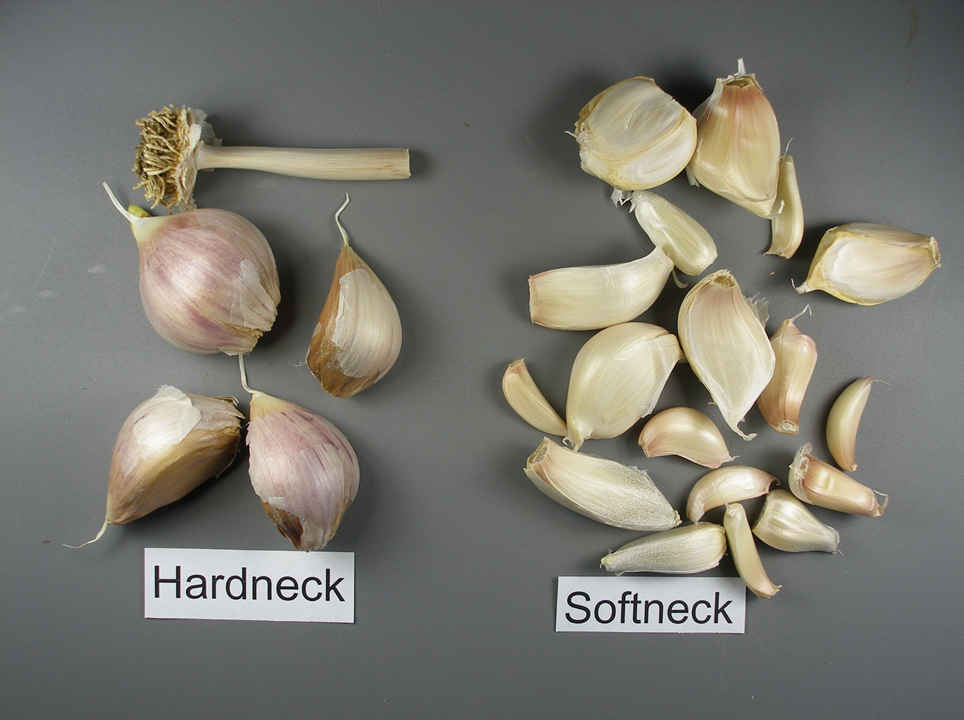
Beyond its species Allium sativum, garlic is further classified into numerous varieties, broadly categorized into hardneck and softneck types, with hundreds of cultivars globally. Each variety boasts distinct characteristics, such as clove size, skin color, pungency, and storage life. For branding, this varietal specificity is a goldmine.
Brands can establish a niche by focusing on heirloom varieties like ‘Rocambole’ known for its rich, complex flavor, or ‘Purple Stripe’ prized for its beautiful coloration and robust taste. By highlighting a specific varietal classification, a brand can evoke a sense of heritage, authenticity, and superior quality, positioning its product as a gourmet or connoisseur’s choice rather than a generic commodity. For instance, a brand might market “Porcelain Garlic” for its large, easy-to-peel cloves and strong flavor, appealing to home cooks seeking convenience and potency, thereby building a brand identity around these specific attributes. The rise of “black garlic,” which is raw garlic that has been fermented under controlled heat and humidity, also represents a classification by processing method, leading to an entirely new product category with its own distinct brand identity—one that emphasizes its unique sweet-savory flavor profile and purported health benefits. This reclassification transforms a common ingredient into an exotic, premium offering.
Cultivation Classifications: Organic, Conventional, and Sustainable Branding
How garlic is grown represents another critical classification with profound branding implications. The distinction between “organic” and “conventional” garlic is arguably one of the most impactful in consumer markets. Organic certification, a stringent classification process, signals to consumers that the garlic was grown without synthetic pesticides, herbicides, or fertilizers, aligning with increasing consumer demand for healthier, environmentally friendly food options.
Brands that achieve organic classification for their garlic products can command higher prices and appeal to a segment of consumers willing to pay a premium for perceived purity and sustainability. This classification becomes a cornerstone of their brand identity, often communicated prominently on packaging, marketing materials, and corporate messaging. Similarly, classifications related to sustainable farming practices, fair trade, or local sourcing (e.g., “locally grown garlic”) serve as powerful branding tools. They allow companies to connect with environmentally conscious consumers and build a brand reputation rooted in ethical and responsible agricultural practices, distinguishing them from mass-produced alternatives.
Geographic Indications: The Terroir of Garlic as a Brand Asset
Much like wine or cheese, garlic can be classified by its geographic origin, particularly when it possesses qualities attributable to that origin. Geographic Indications (GIs), such as Protected Designation of Origin (PDO) or Protected Geographical Indication (PGI), are powerful classifications that can elevate a product from a commodity to a premium brand.
Consider “Ail Rose de Lautrec” from France, a specific pink garlic variety that holds a PGI status. This classification assures consumers of its origin, traditional growing methods, and characteristic mild, delicate flavor. For brands sourcing and distributing such products, the GI classification provides an immediate, unassailable mark of quality, authenticity, and exclusivity. It allows them to tell a compelling story of terroir, tradition, and regional heritage, building a brand identity that transcends mere product features. This strategy taps into consumer desires for unique, authentic culinary experiences and positions the garlic as a specialty ingredient, differentiating it significantly from generic counterparts.
Culinary and Functional Classifications: Marketing Garlic’s Role and Benefits
Beyond its intrinsic agricultural and varietal properties, garlic is also classified by its role in cuisine and its perceived health benefits. These classifications are expertly leveraged in marketing to position garlic-based products for specific consumer segments and culinary applications.
Ingredient Classification: From Staple to Gourmet Essential
Garlic’s most common classification is as a fundamental culinary ingredient. However, within this broad category, it can be strategically classified and marketed to fit various culinary niches. Brands can position their garlic products not just as a basic seasoning but as a “gourmet enhancer,” a “secret weapon for chefs,” or an “authentic base for Mediterranean cuisine.”
For example, a brand might offer “pre-minced roasted garlic,” classifying it as a convenience product for busy home cooks who desire gourmet flavor without the preparation time. Another might market “smoked garlic cloves” as a specialty ingredient for barbecue enthusiasts or those seeking a unique flavor profile, thereby expanding garlic’s classification beyond its raw form. This approach involves understanding the culinary landscape and positioning garlic products to fill specific gaps or desires, establishing a brand identity around convenience, innovation, or culinary aspiration.
Health and Wellness Classifications: Positioning as a Superfood
Garlic has a long history of traditional medicinal use, and its health-promoting properties are increasingly supported by scientific research. Classifying garlic and garlic-derived products (like supplements) based on these functional benefits—such as “immune booster,” “heart-healthy ingredient,” “anti-inflammatory,” or “antioxidant-rich”—is a powerful branding strategy in the wellness industry.
Brands leverage these “functional food” classifications to appeal to health-conscious consumers. For instance, a supplement company might brand its garlic extract based on its high allicin content, classifying it as a potent natural remedy for cardiovascular health. Food brands might highlight garlic’s natural compounds in their packaging and marketing to position their products as part of a healthy lifestyle. This strategy requires credible scientific backing or strong traditional associations to build trust, creating a brand identity that aligns with health and vitality. By classifying garlic as a “superfood,” brands can tap into a lucrative market segment, reinforcing the product’s value beyond its culinary utility.
Strategic Branding Through Classification: Creating Distinct Market Identities
The savvy application of these diverse classifications is what transforms garlic from a simple agricultural product into a powerful brand asset. It’s about leveraging inherent qualities and external validations to tell a compelling brand story and create a distinct market presence.
Differentiating in a Commodity Market: The Power of Specificity
In a market often saturated with generic options, specific classifications are key differentiators. Rather than selling “garlic,” brands that market “single-origin organic hardneck garlic” immediately carve out a niche. This specificity allows them to communicate a higher perceived value, justifying premium pricing and attracting discerning customers who prioritize quality, origin, or ethical production. The power lies in moving beyond broad classifications to granular details that resonate with specific consumer desires, fostering brand loyalty by meeting precise expectations.
Communicating Value Through Classification: Packaging and Storytelling
Effective branding ensures that these classifications are not merely technical details but integral parts of the product’s identity. Packaging design plays a crucial role, using visual cues, colors, and typography to highlight organic certifications, varietal names, or geographical origins. Beyond the visual, compelling storytelling in marketing campaigns further reinforces these classifications. A brand might tell the story of the family farm that grows their organic garlic, or the unique soil conditions that give a specific varietal its distinct flavor. This narrative approach transforms classifications into emotional connections, building a deeper relationship between the consumer and the brand.
Case Studies: Successful Garlic Branding Based on Classification
Numerous brands have successfully built their identity around specific garlic classifications. While naming specific brands might be proprietary, examples abound: a gourmet food line exclusively selling black garlic, leveraging its unique classification as a fermented superfood; a local farmers’ cooperative branding its “heirloom garlic” as a premium ingredient for traditional cuisine, emphasizing its varietal purity and local origin; or a health supplement company marketing its “aged garlic extract” based on its scientific classification as a potent antioxidant. Each example demonstrates how a clear understanding and strategic communication of garlic’s classification can lead to a powerful, defensible brand identity, ultimately driving market success and consumer loyalty. The classification of garlic, therefore, is not a static label but a dynamic strategic lever in the complex world of brand building.
aViewFromTheCave is a participant in the Amazon Services LLC Associates Program, an affiliate advertising program designed to provide a means for sites to earn advertising fees by advertising and linking to Amazon.com. Amazon, the Amazon logo, AmazonSupply, and the AmazonSupply logo are trademarks of Amazon.com, Inc. or its affiliates. As an Amazon Associate we earn affiliate commissions from qualifying purchases.