
The fungal cell wall, a marvel of biological engineering, stands as the outermost protective layer of fungal cells. Far from being a mere inert barrier, it is a dynamic, multi-layered structure essential for maintaining cellular integrity, mediating interactions with the environment, and providing resistance against external stresses. In an era where technological advancements are rapidly transforming our understanding of biological systems, unraveling the intricate composition of the fungal cell wall has profound implications across diverse tech-driven fields, from novel drug discovery to advanced biotechnological applications and agricultural innovations. Understanding its specific components and their hierarchical arrangement is not just a biological curiosity but a critical foundation for developing targeted technological interventions.
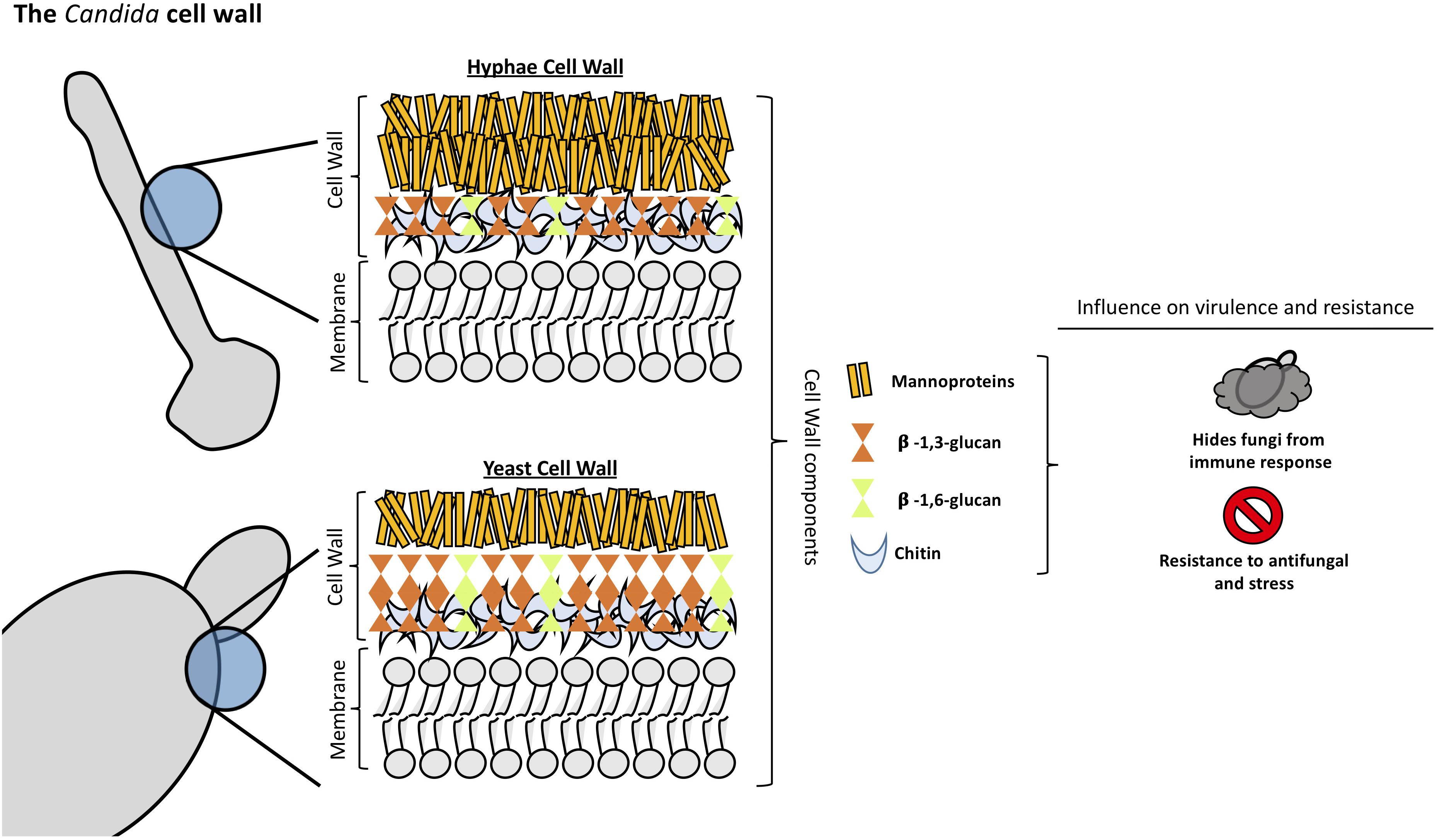
The Technological Imperative: Deconstructing Fungal Defenses
The composition of the fungal cell wall is not uniform across all species, but generally, it comprises a complex matrix of polysaccharides, proteins, and lipids, assembled into a robust, yet flexible, architecture. This sophisticated structure is the primary interface between the fungus and its surroundings, dictating its survival, pathogenicity, and interaction with host organisms or industrial environments. For technologists and researchers, dissecting this structure is paramount for several reasons.
Firstly, in medicine, the fungal cell wall represents an Achilles’ heel for many pathogenic fungi. Unlike human cells, which lack a cell wall, its unique components make it an ideal target for selective antifungal therapies, minimizing harm to human cells. The ongoing challenge of antifungal resistance highlights the urgent need for new drug targets, and detailed knowledge of cell wall biosynthesis pathways, facilitated by advanced bioinformatics and high-throughput screening technologies, is key to this endeavor.
Secondly, in agriculture, fungi are both beneficial agents (e.g., mycorrhizae) and devastating pathogens. Understanding how the cell wall contributes to fungal virulence or symbiotic relationships allows for the development of innovative agricultural technologies, such as biofungicides or genetically engineered crops with enhanced resistance. Finally, in industrial biotechnology, modulating the fungal cell wall can optimize fermentation processes, enhance enzyme secretion, or facilitate downstream processing, driving efficiency and yield in various biotechnological applications.
Advanced Analytics: Technologies for Unveiling Cell Wall Secrets
Identifying the precise components and their architectural organization within the fungal cell wall necessitates a suite of cutting-edge analytical technologies. Modern scientific inquiry moves beyond simple microscopy, leveraging sophisticated tools to provide molecular-level detail.
Spectroscopic and Imaging Technologies
Technologies such as Nuclear Magnetic Resonance (NMR) spectroscopy and Fourier-Transform Infrared (FTIR) spectroscopy are indispensable for determining the chemical structure and inter-molecular interactions of polysaccharides and proteins within the cell wall. These techniques allow researchers to map the types of chemical bonds and functional groups present, offering insights into the overall macromolecular architecture. Furthermore, advanced imaging techniques like Atomic Force Microscopy (AFM) and Cryo-Electron Microscopy (Cryo-EM) provide high-resolution topographical and structural data, revealing the multi-layered organization and even the nanoscale features of the cell wall in its native state, or close to it. Confocal laser scanning microscopy, often coupled with specific fluorescent probes, helps visualize the spatial distribution of different components within the intact cell wall.
Proteomics and Glycomics
The protein and sugar components of the cell wall are vast and diverse. Proteomics, utilizing high-resolution mass spectrometry, identifies the myriad proteins embedded within or associated with the cell wall, including enzymes involved in its synthesis and modification, adhesins, and receptors. Simultaneously, glycomics employs specialized mass spectrometry techniques and enzymatic digestion to characterize the complex carbohydrate chains (glycans) and their modifications, which are often crucial for cell wall function and immune recognition. The sheer volume of data generated by these “omics” technologies necessitates advanced bioinformatics algorithms and machine learning tools for accurate interpretation, allowing for the identification of patterns and potential drug targets that would be impossible to discern manually.
Genetic Engineering and Computational Modeling
Beyond direct analysis, genetic engineering tools like CRISPR-Cas9 allow for targeted gene knockouts or overexpression, enabling scientists to investigate the role of specific genes in cell wall biosynthesis and integrity. By observing the phenotypic changes in mutant fungi, researchers can infer the function of the missing or altered cell wall components. Complementing experimental data, computational modeling and molecular dynamics simulations are increasingly used to predict the three-dimensional structures of cell wall components and their interactions, providing a theoretical framework to guide experimental design and interpret results, especially relevant for understanding drug-target interactions.
Key Components and Their Technological Significance
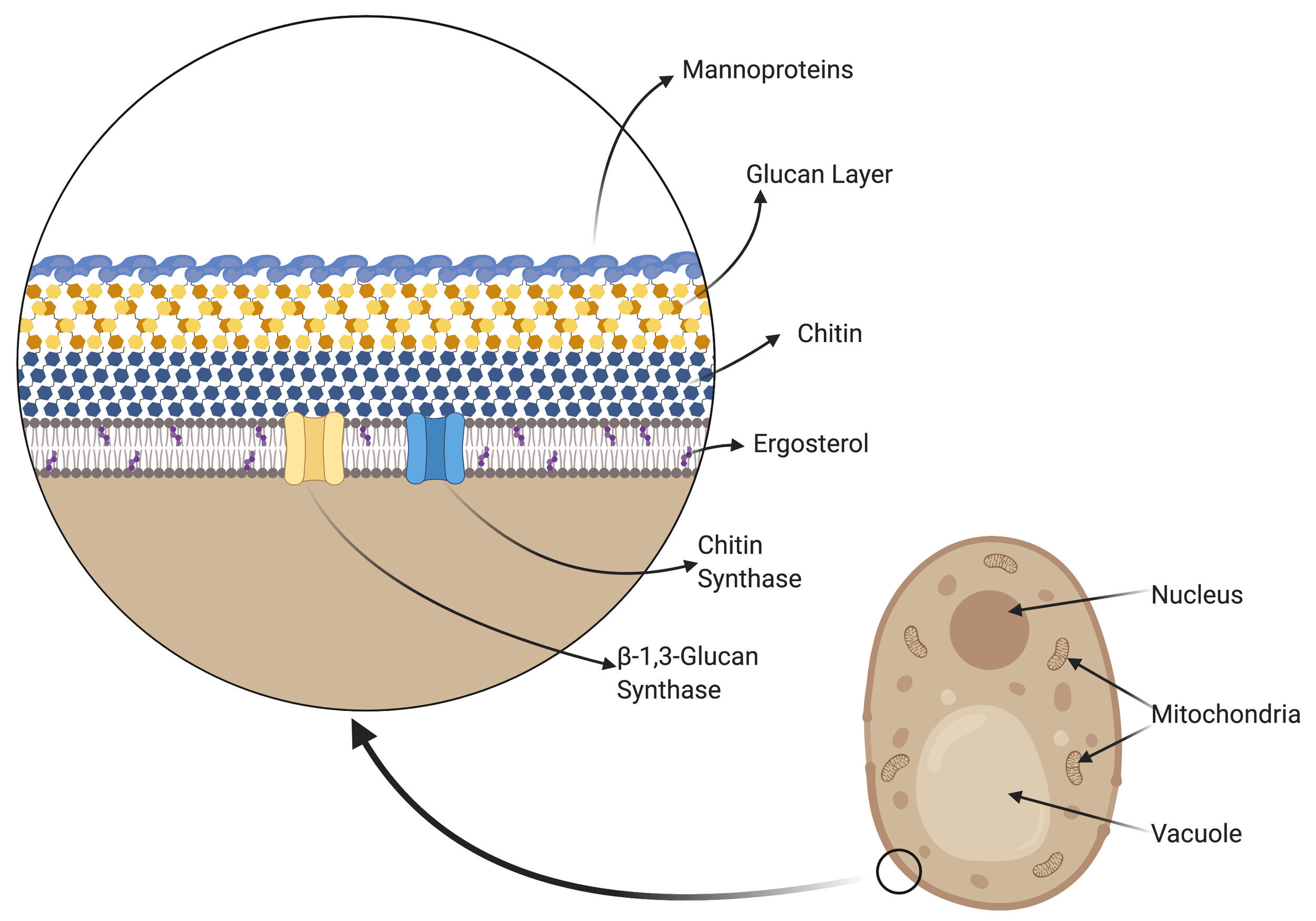
The fungal cell wall is predominantly composed of two major types of polysaccharides: chitin and glucans, along with a significant proportion of mannoproteins and, in some cases, melanin. Each component plays a vital role and offers distinct opportunities for technological exploitation.
Chitin and Glucans: Structural Scaffolds and Therapeutic Targets
Chitin, a linear polymer of N-acetylglucosamine, is structurally analogous to cellulose in plants and forms the primary microfibrillar scaffold of the fungal cell wall. It provides tensile strength and rigidity. Its synthesis involves chitin synthases, a family of enzymes that are unique to fungi and insects, making them excellent targets for antifungal agents. Technologies aiming to inhibit chitin synthesis or disrupt its polymerization represent a well-established strategy in antifungal drug development.
Glucans are the most abundant polysaccharides in the fungal cell wall, primarily $beta$-(1,3)-glucan and $beta$-(1,6)-glucan, which are extensively branched and cross-linked. These glucans provide structural support, regulate porosity, and are critical for cell wall integrity. The enzymes responsible for their synthesis, such as $beta$-(1,3)-glucan synthases, are also exclusive to fungi and are successfully targeted by echinocandin-class antifungal drugs. Further technological advancements focus on understanding the complex interplay between glucans and other components, aiming to develop synergistic therapies or entirely new classes of inhibitors, possibly using AI to screen vast molecular libraries for novel glucan synthesis inhibitors.
Mannoproteins: Surface Interaction and Diagnostic Potential
Mannoproteins are glycoproteins rich in mannose residues, found predominantly on the outer surface of the cell wall. They are involved in critical functions such as cell adhesion, immune modulation (often masking underlying immunogenic components like glucans), and enzyme activity. Their diverse sugar side chains contribute significantly to the antigenic properties of fungi.
Technologically, mannoproteins are of immense interest. Their roles in adhesion make them targets for preventing fungal biofilm formation, a persistent problem in medical devices and industrial settings. Moreover, specific mannoproteins serve as diagnostic markers for fungal infections, enabling the development of rapid and sensitive diagnostic assays. The precise mapping of mannoprotein structures and their functional roles, often facilitated by advanced mass spectrometry and immunological techniques, aids in creating more accurate diagnostic kits and potentially vaccines.
Melanin: Protection, Pathogenesis, and Bioremediation
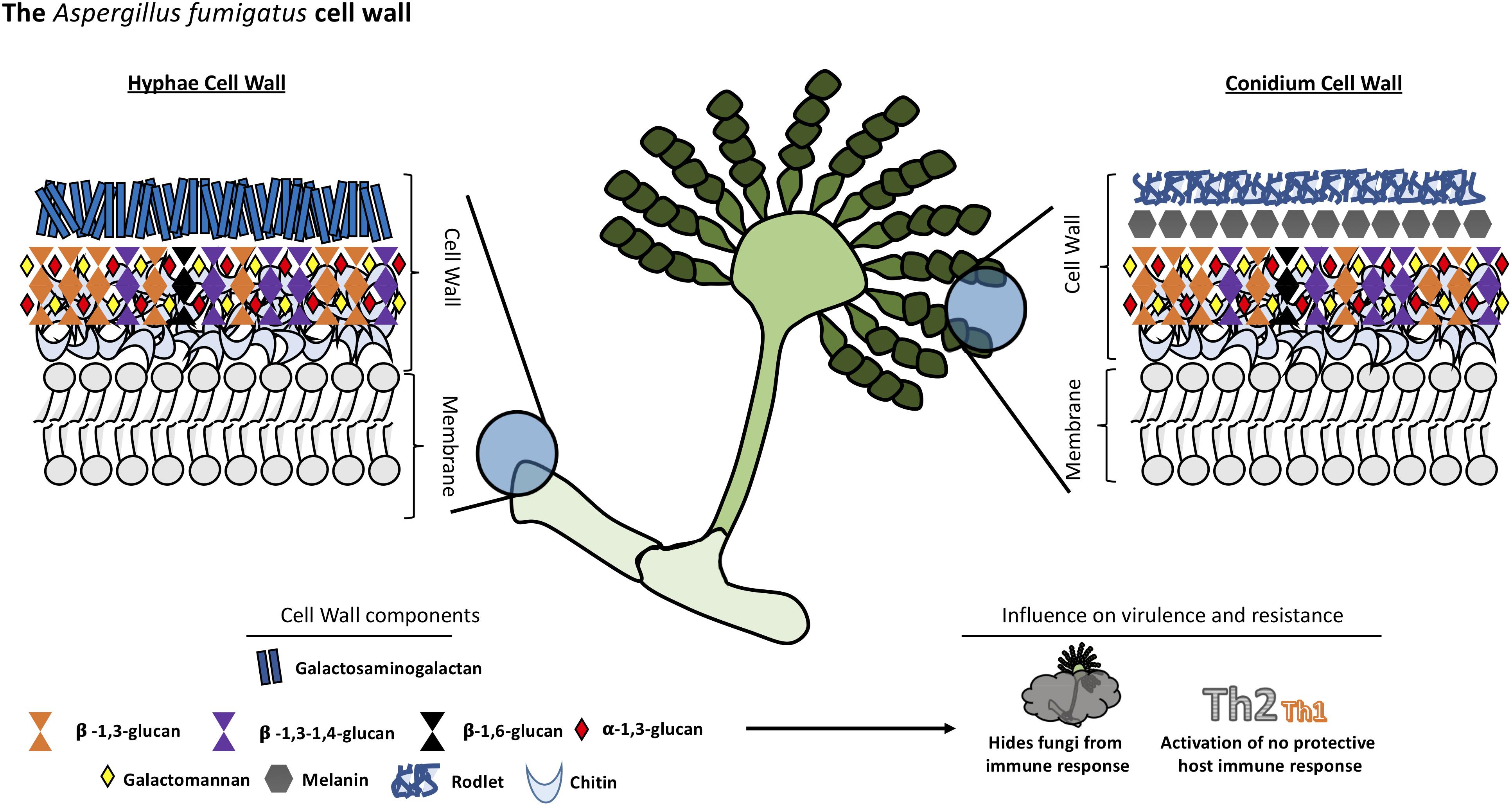
Certain fungi, particularly pathogenic species, synthesize melanin within or outside their cell walls. Melanin, a dark pigment, confers remarkable resistance to various environmental stresses, including UV radiation, extreme temperatures, enzymatic degradation, and host immune defenses. Its presence is often correlated with increased virulence in pathogenic fungi.
Understanding the enzymatic pathways of melanin synthesis offers another avenue for technological intervention. Inhibitors of melanin biosynthesis could potentially sensitize resistant fungal pathogens to existing antifungal drugs or host immune responses. Furthermore, the inherent resilience and chelating properties of fungal melanin are being explored in bioremediation technologies for detoxifying heavy metals and radionuclides from contaminated environments, turning a protective fungal component into an environmental solution.
Future Tech: Engineering Fungi and Counteracting Pathogens
The ongoing exploration into the fungal cell wall’s composition continues to fuel technological innovation. Future directions are increasingly multidisciplinary, combining molecular biology with materials science, artificial intelligence, and nanotechnology.
Advances in synthetic biology and gene editing technologies, such as CRISPR-Cas systems, are empowering researchers to precisely engineer fungal cell walls for specific applications. This could involve modifying cell wall components to enhance enzyme secretion for industrial purposes, creating ‘sensitized’ fungal strains that are more susceptible to existing treatments, or even engineering fungal “chassis” with novel cell wall properties for drug delivery or biosensor applications.
Nanotechnology holds promise for developing targeted drug delivery systems that can precisely transport antifungal agents through the host’s tissues and directly into the fungal cell wall, minimizing off-target effects and improving efficacy. Nanoparticles engineered to specifically bind to cell wall components could revolutionize diagnostic imaging or drug delivery.
Finally, the exponential growth of artificial intelligence and machine learning is poised to accelerate the discovery of new antifungal compounds and strategies. AI can analyze vast datasets from proteomics, glycomics, and genomics to identify novel drug targets within the cell wall, predict the efficacy of potential compounds, and even design new molecules with desired properties, streamlining the drug discovery pipeline. As our technological capabilities expand, so too does our ability to manipulate and understand the fundamental structures that underpin fungal life, opening new frontiers in medicine, agriculture, and biotechnology.
aViewFromTheCave is a participant in the Amazon Services LLC Associates Program, an affiliate advertising program designed to provide a means for sites to earn advertising fees by advertising and linking to Amazon.com. Amazon, the Amazon logo, AmazonSupply, and the AmazonSupply logo are trademarks of Amazon.com, Inc. or its affiliates. As an Amazon Associate we earn affiliate commissions from qualifying purchases.