
In the intricate world of finance, particularly concerning real estate and asset valuation, understanding the concept of functional obsolescence is paramount. It’s a term that frequently surfaces in property appraisals, investment analyses, and discussions around maximizing asset value. Unlike physical deterioration, which is visible wear and tear, or economic obsolescence, which stems from external market forces, functional obsolescence is an internal characteristic of a property that diminishes its desirability and utility in comparison to newer, more efficient, or more appropriately designed alternatives. For homeowners, investors, and business owners, recognizing and addressing functional obsolescence can significantly impact financial health and investment returns.

Defining Functional Obsolescence
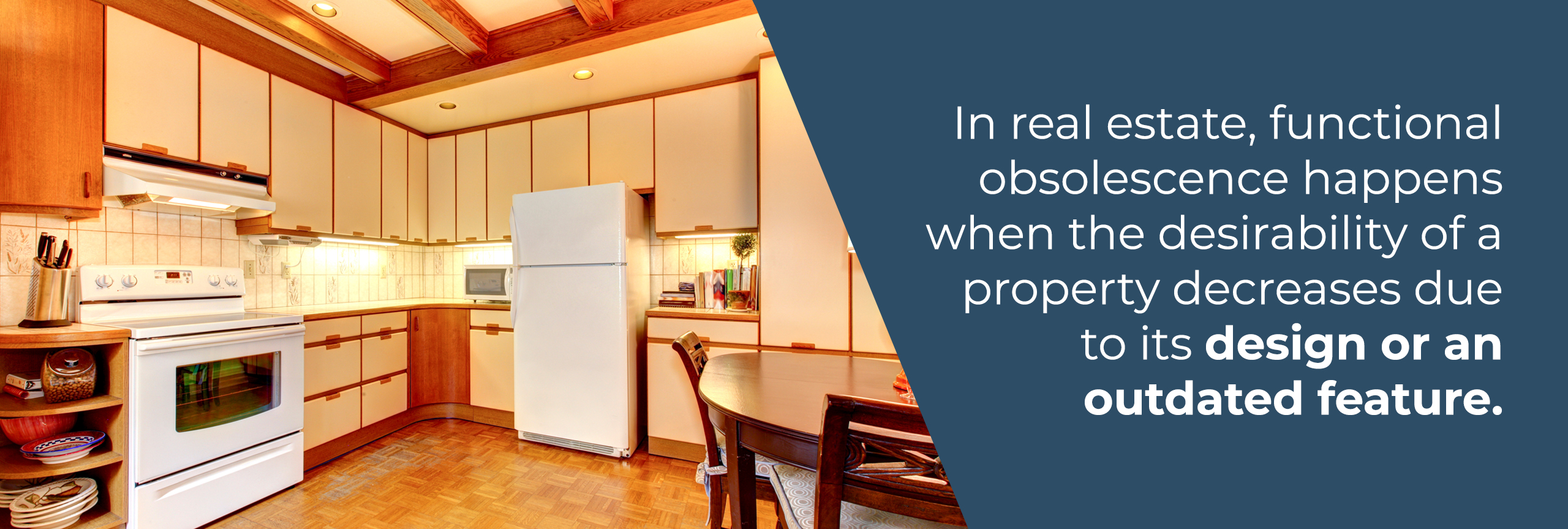
Functional obsolescence refers to a reduction in the value of an asset, most commonly real estate, due to an outdated design, style, or features that no longer meet current market standards, preferences, or technological expectations. It’s an internal factor, meaning the issue lies within the property itself, making it less efficient, less useful, or simply less appealing than what the market currently demands.
The Core Concept
Imagine a residential property built in the 1960s with a single, small bathroom and a galley kitchen, or a commercial building with an office layout designed for typewriters and filing cabinets in a digital age. While these structures might be physically sound—their roofs sturdy, foundations strong, and paint fresh—their inherent design and features are outmoded. These internal inefficiencies or outdated characteristics are what constitute functional obsolescence. The property still functions, but not optimally or as desired by today’s buyers or tenants, leading to a diminished market value.
This concept is crucial for anyone involved in property valuation, investment, or management. It highlights that value isn’t solely derived from a property’s physical condition or its location, but also from its practical utility and alignment with contemporary standards. Ignoring functional obsolescence can lead to overvaluation, poor investment decisions, and significant financial losses when it comes time to sell or lease.
Distinguishing from Other Forms of Obsolescence
To fully grasp functional obsolescence, it’s helpful to differentiate it from its counterparts: physical deterioration and economic obsolescence.
-
Physical Deterioration: This is the most straightforward form of depreciation, representing the loss in value due to wear and tear, decay, and damage from age and use. Examples include a leaky roof, crumbling foundation, or worn-out HVAC system. These are typically repairable or replaceable costs that directly impact the physical integrity and immediate functionality of the asset. From a financial perspective, physical deterioration often translates into direct repair and maintenance expenses.
-
Economic (or External) Obsolescence: This form of obsolescence arises from factors outside the property itself, typically changes in the external economic, social, or environmental conditions of the surrounding area. Think of a property losing value because a major employer leaves town, a new highway diverts traffic away from a retail location, or an undesirable land use (like a landfill) is approved nearby. The property itself might be perfectly fine, functionally and physically, but external forces beyond the owner’s control diminish its value. For investors, this risk is often assessed through market analysis and macroeconomic trends.
-
Functional Obsolescence: As established, this is an internal defect in the property’s design or utility that makes it less desirable or efficient by modern standards. It’s not about things wearing out (physical) or external market shifts (economic). It’s about a lack of utility, an outdated configuration, or an excessive cost to operate compared to newer alternatives. An example might be an office building with insufficient electrical wiring for modern computing demands, or a house with only a single garage when the market expects a two-car garage. Addressing functional obsolescence often requires re-design or significant renovation, and the financial implications involve assessing the cost of these changes against the potential increase in market value.
Understanding these distinctions is vital for accurate appraisal, strategic investment, and effective financial planning related to real estate assets.
Common Causes and Examples
Functional obsolescence can stem from various design flaws, outdated features, or the inability of a property to adapt to new needs. Identifying these causes is the first step in assessing their financial impact.
Outdated Design and Layout
One of the most frequent culprits of functional obsolescence is an outdated design or layout that no longer aligns with contemporary preferences or practical needs.
- Residential Examples: Homes from past decades often feature closed-off, compartmentalized rooms (e.g., separate small kitchen, dining room, and living room). Modern buyers frequently prefer open-concept living spaces that foster interaction and a sense of spaciousness. A home with an outdated floor plan might struggle to compete with newer constructions, leading to a lower sale price or longer time on the market. Similarly, a single-bathroom house in a market where two or more bathrooms are standard for family homes will experience functional obsolescence.
- Commercial Examples: Office buildings with fixed-wall cubicles, narrow hallways, or inadequate communal areas might be functionally obsolete in a market that prioritizes flexible workspaces, collaborative zones, and amenities like fitness centers or rooftop lounges. Retail spaces with poor visibility or awkward access points, designed for older shopping habits, can also suffer. The financial impact here is evident in lower rental yields, higher vacancy rates, or a reduced sale price for the property owner or investor.
Inadequate or Superfluous Features
Functional obsolescence can also arise from features that are either insufficient for modern use or, conversely, excessive and costly to maintain without providing proportional value.
- Inadequate Features: A residential property might lack modern electrical wiring to support today’s array of appliances and smart home technology, or it might have an HVAC system that is inefficient by current energy standards. For a business, this could mean insufficient internet infrastructure, outdated loading docks for current logistics needs, or inadequate parking in a high-density area. The cost to upgrade these features can be substantial, directly eating into an investment’s potential ROI.
- Superfluous Features: Sometimes, a property includes features that were once desirable but are now considered obsolete or unnecessarily expensive to maintain. An overly elaborate, costly-to-heat indoor swimming pool in a residential property that isn’t a luxury mansion, or a specialized manufacturing plant designed for an obsolete production process, are examples. While once valuable, these features can become financial liabilities, increasing operational costs without adding equivalent market value. Investors must critically assess if these features genuinely enhance desirability or merely drain resources.
Technological Advancements
Rapid technological progress is a significant driver of functional obsolescence across various asset types. What was state-of-the-art yesterday can be obsolete today.
- Building Systems: Older buildings often lack energy-efficient windows, insulation, or smart climate control systems common in newer constructions. These inefficiencies lead to higher utility bills, which is a direct financial burden on occupants and can deter potential buyers or tenants. Retrofitting these systems can be costly, and the decision to do so depends on a careful financial analysis of the return on investment.
- Infrastructure: For commercial properties, inadequate bandwidth, lack of smart building management systems, or outdated security infrastructure can render a building functionally obsolete for businesses reliant on advanced technology. Data centers, for example, must constantly upgrade their cooling and power systems to remain competitive. The financial risk for investors is that technologically lagging properties will command lower rents and suffer from higher obsolescence rates, requiring continuous capital expenditure to maintain market relevance.
Impact on Property Value and Financial Decisions
Understanding functional obsolescence is not merely an academic exercise; it has tangible financial consequences that permeate various aspects of property ownership and investment.
Real Estate Appraisal and Investment
For real estate appraisers, identifying functional obsolescence is a critical step in determining a property’s true market value. Appraisers will typically adjust the value downward to account for these deficiencies, often by estimating the cost to cure the obsolescence or by comparing the property to similar, un-obsoleted properties. This adjustment directly impacts the property’s appraised value, which, in turn, influences loan amounts, insurance values, and tax assessments.
For investors, functional obsolescence presents both risks and opportunities.
- Risks: Investing in a property with significant functional obsolescence without a clear strategy to address it can lead to lower-than-expected rental income, prolonged vacancy periods, and a diminished return on investment (ROI). The cost to bring the property up to modern standards might outweigh the potential gains.
- Opportunities: Savvy investors can seek out properties with correctable functional obsolescence. A property with an outdated kitchen or bathroom, for instance, might be purchased at a discount, renovated, and then sold or leased for a substantial profit. This strategy, often referred to as “value-add” investing, hinges on accurately estimating renovation costs and the market’s willingness to pay for the improvements. Thorough financial modeling and due diligence are indispensable here.
Homeownership and Renovation Decisions
Homeowners are not immune to the financial effects of functional obsolescence. An outdated kitchen, a single small bathroom, or an inefficient layout can significantly reduce a home’s market appeal and resale value.
- Resale Value: When a homeowner decides to sell, functional obsolescence can lead to a lower asking price or a longer time on the market compared to functionally superior homes in the same neighborhood. This directly impacts personal finance by affecting the equity realized from the sale.
- Renovation ROI: Homeowners often contemplate renovations to address functional obsolescence. However, not all renovations yield the same return on investment. Upgrading an outdated kitchen or adding a bathroom often provides a strong ROI, as these improvements directly address common functional deficiencies. Conversely, highly personalized or extravagant renovations might not appeal to a broad market and could result in over-improvement for the neighborhood, leading to a poorer financial return. Strategic financial planning, including understanding neighborhood comparables and market trends, is crucial before embarking on major renovations.
Business Finance and Commercial Properties
For businesses and commercial property owners, functional obsolescence can impact operational efficiency, tenant attraction, and overall asset profitability.
- Operational Costs: An office building with an inefficient HVAC system or outdated lighting will incur higher utility costs, affecting the business’s bottom line or making the space less attractive to tenants. A warehouse with an inefficient layout or inadequate loading docks can hinder supply chain operations, increasing labor costs and reducing throughput. These inefficiencies represent a direct financial drag.
- Tenant Attraction and Retention: In a competitive commercial real estate market, properties with modern amenities, flexible layouts, and up-to-date technology attract and retain higher-paying tenants. A functionally obsolete commercial space will likely command lower rents, experience higher vacancy rates, and necessitate greater marketing efforts, all of which directly impact a business’s revenue and profitability. Effective asset management for commercial properties includes regular assessments of functional obsolescence and proactive capital expenditure planning.
Mitigating Functional Obsolescence
Addressing functional obsolescence is a proactive financial strategy aimed at preserving and enhancing property value. It requires careful planning, market insight, and a sound understanding of cost-benefit analysis.
Strategic Renovations and Upgrades
The most direct way to combat functional obsolescence is through targeted renovations and upgrades. However, these must be strategic, focusing on improvements that genuinely enhance utility and appeal, and offer a positive return on investment.
- Cost-Benefit Analysis: Before undertaking any major renovation, a thorough cost-benefit analysis is essential. This involves estimating the cost of the renovation, projecting the increase in market value or rental income, and considering the opportunity cost of the capital. For example, upgrading a single-bathroom home to two bathrooms might have a high ROI in a family-oriented neighborhood, while adding a luxury sauna might not.
- Focus on Market Demands: Renovations should align with current market trends and buyer/tenant preferences. This means researching what features and designs are most desired in the specific sub-market. For residential properties, this often includes open-concept living, modernized kitchens and bathrooms, energy-efficient windows, and smart home technology. For commercial spaces, it might involve flexible layouts, collaborative zones, enhanced connectivity, and energy-efficient building systems.
- Phased Improvements: For larger projects or where budget is a constraint, renovations can be phased. This allows property owners to prioritize improvements that offer the most immediate financial impact or address the most significant functional deficiencies first, spreading the investment over time.
Market Awareness and Future-Proofing
Beyond physical renovations, mitigating functional obsolescence involves a continuous awareness of market dynamics and an effort to “future-proof” assets where possible.
- Stay Informed: Property owners and investors should regularly monitor real estate market trends, design innovations, and technological advancements. What is considered standard today might be obsolete in five to ten years. Subscribing to industry publications, attending real estate seminars, and consulting with local real estate professionals can provide valuable insights.
- Flexible Design: When building or significantly renovating, incorporating flexible design elements can help mitigate future functional obsolescence. For example, designing office spaces that can be easily reconfigured, or homes with layouts that can adapt to changing family needs, can extend the useful life and market appeal of an asset.
- Regular Assessments: Periodically assessing a property’s functionality against current market standards is a crucial aspect of property management. This allows owners to identify potential areas of obsolescence before they significantly impact value and to plan for proactive interventions rather than reacting to a decline in market interest.

The Financial Imperative of Understanding Functional Obsolescence
In summary, functional obsolescence is a critical financial concept that directly influences the value, marketability, and profitability of real estate assets. Whether you are a homeowner looking to protect your equity, an investor seeking lucrative opportunities, or a business managing commercial property, a deep understanding of functional obsolescence is indispensable. It informs appraisal processes, guides strategic renovation decisions, and shapes investment strategies. By recognizing its causes, understanding its financial impact, and implementing proactive mitigation strategies, individuals and businesses can better preserve asset value, optimize financial returns, and navigate the complex landscape of property finance with greater confidence and success.
aViewFromTheCave is a participant in the Amazon Services LLC Associates Program, an affiliate advertising program designed to provide a means for sites to earn advertising fees by advertising and linking to Amazon.com. Amazon, the Amazon logo, AmazonSupply, and the AmazonSupply logo are trademarks of Amazon.com, Inc. or its affiliates. As an Amazon Associate we earn affiliate commissions from qualifying purchases.