
Amazon’s “Frustration-Free Packaging” (FFP) program is a cornerstone of their commitment to improving the customer experience by streamlining the unboxing process. Far more than just a buzzword, FFP represents a strategic initiative by Amazon to reduce waste, enhance product protection, and ultimately, make it easier for consumers to access their purchases. This program is a testament to Amazon’s continuous pursuit of operational efficiency and customer satisfaction, impacting everything from product design and manufacturing to logistics and last-mile delivery. At its core, FFP is about eliminating unnecessary layers of packaging, such as clamshells, excessive plastic ties, and oversized boxes, that often lead to customer annoyance and environmental concern.

The genesis of FFP lies in Amazon’s recognition that the traditional retail packaging model, designed for brick-and-mortar shelves, was often ill-suited for the rigors of e-commerce fulfillment. Products shipped directly to consumers were frequently encased in robust, tamper-evident, yet difficult-to-open materials. This created a disconnect: while the product itself might be innovative, the act of receiving and opening it could be a point of friction. FFP emerged as a solution to this challenge, incentivizing vendors to adopt packaging that is easy to open, recyclable, and minimizes material usage while still ensuring product integrity.
The Pillars of Frustration-Free Packaging
Frustration-Free Packaging is not a monolithic concept but rather a multifaceted approach built upon several key principles. These pillars guide Amazon’s collaboration with vendors and manufacturers, ensuring that packaging meets specific, measurable criteria designed to benefit both the customer and the environment.
Ease of Opening
The most direct manifestation of FFP is its emphasis on making it simple for customers to access their products. This means moving away from the notorious “plastic clamshells” that require scissors, knives, or even significant brute force to open, often resulting in sharp edges and potential injury. Instead, FFP encourages packaging that can be opened by hand, with minimal effort. This could involve tear strips, perforated edges, or simple box designs that allow for easy manipulation.
Reducing Material Waste
A significant component of FFP is the reduction of material. This encompasses several aspects:
- Right-Sizing: Eliminating oversized boxes that require excessive void fill (like bubble wrap or air pillows). FFP encourages packaging that is just large enough to contain the product securely, reducing the amount of cardboard and filler material used per shipment.
- Eliminating Unnecessary Layers: Products are often double or triple-boxed for retail display. FFP aims to consolidate these layers, allowing the product’s own packaging to serve as the shipping container where appropriate, provided it meets durability standards.
- Minimizing Void Fill: By right-sizing boxes and designing for snug fits, the need for cushioning materials is drastically reduced. This not only saves on the cost and environmental impact of producing and disposing of these materials but also makes the unboxing experience cleaner and less cluttered.
Recyclability and Sustainability
Beyond simply reducing material, FFP places a strong emphasis on the environmental impact of packaging. This means prioritizing materials that are widely recyclable and discouraging the use of difficult-to-recycle plastics, Styrofoam, and other non-renewable materials.
Promoting Recyclable Materials
Amazon actively works with vendors to identify and utilize materials that can be easily recycled by consumers in their local recycling programs. This includes paper-based materials, cardboard, and certain types of plastics that have established recycling streams. The goal is to ensure that once the packaging has served its purpose, it can be reintroduced into the circular economy rather than ending up in landfills.
Reducing Environmental Footprint

The overall goal of FFP is to reduce the environmental footprint of Amazon’s supply chain. This is achieved not only through material reduction and recyclability but also by optimizing shipping density. When products are packaged efficiently, more items can fit into a shipping container or truck, leading to fewer transportation-related emissions. The reduced volume of packaging waste also has positive implications for waste management infrastructure.
The Vendor’s Perspective: Embracing Frustration-Free Packaging
For vendors selling on Amazon, adopting Frustration-Free Packaging is not merely a compliance issue but a strategic opportunity to enhance their brand perception and operational efficiency. Amazon provides resources and incentives to guide vendors through the FFP certification process.
Benefits for Vendors
The advantages of participating in the FFP program are numerous:
- Improved Customer Satisfaction: By delivering products that are easy to open and minimize waste, vendors directly contribute to a positive customer experience, leading to higher satisfaction rates and potentially fewer customer service inquiries related to packaging issues.
- Reduced Shipping Costs: Right-sized packaging often means lower shipping weights and dimensions, which can translate into reduced shipping fees for vendors. Furthermore, minimizing void fill can lead to better utilization of warehouse space.
- Enhanced Brand Image: Customers are increasingly conscious of environmental impact. Vendors who demonstrate a commitment to sustainable packaging practices, as supported by FFP, can build a stronger, more positive brand image.
- Streamlined Fulfillment: FFP encourages packaging designs that are compatible with automated fulfillment processes, potentially leading to faster processing times and fewer errors in Amazon’s warehouses.
The Certification Process
Amazon has developed a clear process for vendors to get their packaging certified as Frustration-Free. This typically involves:
- Submission of Packaging Designs: Vendors submit details about their packaging, including dimensions, materials, and opening mechanisms.
- Testing and Evaluation: Amazon may conduct its own testing or require vendors to perform tests to ensure the packaging meets FFP standards for durability, ease of opening, and recyclability.
- Collaboration and Iteration: Amazon often collaborates with vendors to refine their packaging designs, offering guidance and support to help them meet the FFP criteria. This iterative process ensures that the final packaging is both functional and aligns with FFP principles.
- FFP Labeling: Once certified, products can be identified with the “Frustration-Free Packaging” seal, signaling to customers the ease and sustainability of the packaging.
The Customer’s Experience: A Seamless Unboxing
For the end consumer, Frustration-Free Packaging translates into a tangible improvement in the shopping experience. The moments after receiving a package can significantly influence a customer’s overall perception of a brand and their purchasing experience.
The Unboxing Revolution
The act of opening a package has, for many, been a source of mild to moderate annoyance. FFP aims to transform this into a positive interaction.
- Effortless Access: Customers can quickly and easily access their new items without the need for tools or struggle. This is particularly appreciated for items that might be needed urgently or for consumers who may have physical limitations.
- Reduced Clutter: The absence of excessive padding and oversized boxes means less waste to deal with immediately after opening. This leads to a cleaner and more immediate enjoyment of the purchased product.
- Environmental Conscience: Customers can feel good about their purchase, knowing that the packaging is designed with sustainability in mind. The ability to easily recycle the packaging further enhances this positive feeling.
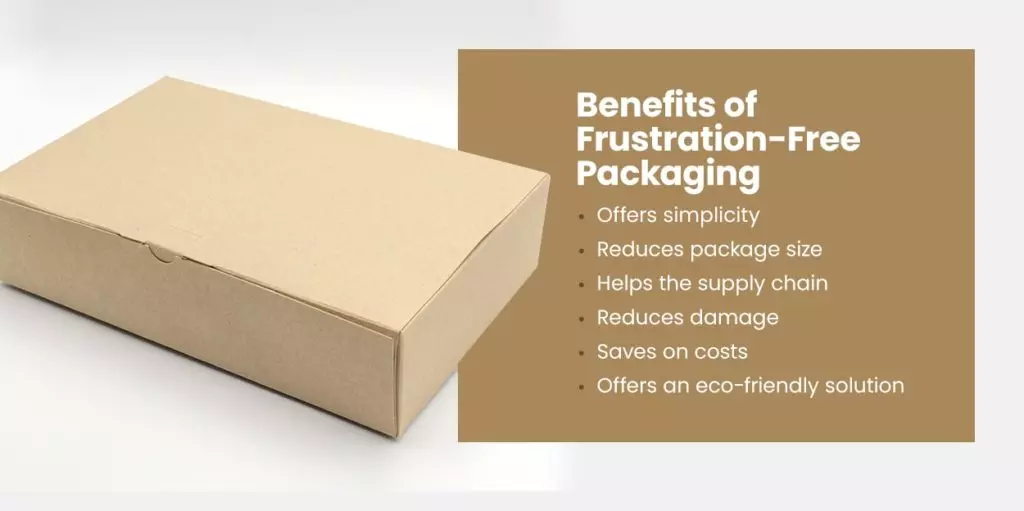
Impact on Product Perception
The packaging is often the first physical interaction a customer has with a product. FFP packaging, being thoughtfully designed, can positively influence this initial perception.
- Sense of Quality: Well-designed, easy-to-open, and minimal packaging can convey a sense of premium quality and attention to detail from the brand. It suggests that the company cares about the entire customer journey, not just the product itself.
- Brand Loyalty: A consistently positive unboxing experience can foster customer loyalty. When customers know they can expect a hassle-free and environmentally conscious delivery from a particular seller or brand, they are more likely to return.
- Reduced Returns and Complaints: Packaging failures, such as damaged products due to inadequate protection or difficulty opening, can lead to customer frustration and returns. FFP, by focusing on both protection and ease of access, aims to minimize these issues.
In conclusion, Amazon’s Frustration-Free Packaging program is a sophisticated initiative that aligns customer expectations with operational realities. By focusing on ease of opening, material reduction, and sustainability, FFP not only enhances the customer unboxing experience but also offers significant benefits to vendors and contributes to Amazon’s broader environmental goals. It represents a forward-thinking approach to e-commerce logistics, demonstrating that efficiency, customer satisfaction, and environmental responsibility can, and indeed should, go hand in hand.
aViewFromTheCave is a participant in the Amazon Services LLC Associates Program, an affiliate advertising program designed to provide a means for sites to earn advertising fees by advertising and linking to Amazon.com. Amazon, the Amazon logo, AmazonSupply, and the AmazonSupply logo are trademarks of Amazon.com, Inc. or its affiliates. As an Amazon Associate we earn affiliate commissions from qualifying purchases.