
In the dynamic and often tumultuous world of commercial aviation, few brands elicit as strong and distinct a reaction as Frontier Airlines. Often misunderstood, yet undeniably impactful, Frontier has carved out a significant niche by meticulously crafting and adhering to a brand strategy centered around the ultra low-cost carrier (ULCC) model. To truly grasp “what is Frontier Airlines” means to go beyond simply identifying it as an airline; it requires a deep dive into its corporate identity, its strategic positioning, and the deliberate choices that define its market presence and consumer perception. This article explores the foundational elements of the Frontier brand, examining its strategic genesis, the pillars of its identity, how it manages customer experience, and its ongoing journey in a crowded marketplace.
The Genesis of an Ultra Low-Cost Carrier
Frontier Airlines’ brand story is deeply intertwined with its strategic evolution from a regional operator to a prominent ultra low-cost carrier. Understanding this trajectory is crucial to appreciating the current manifestation of its brand.
Founding Principles and Early Vision
Frontier Airlines was originally founded in 1994, emerging from the ashes of the original Frontier Airlines, which ceased operations in 1986. From its inception, the “new” Frontier aimed to serve a specific segment of the air travel market. Initially, it sought to connect Denver, Colorado, its primary hub, with various destinations, emphasizing a customer-friendly approach with a relatively full-service offering for its time. While not an ultra low-cost carrier in its earliest days, the seeds of cost-consciousness and market differentiation were always present. The brand identity began to take shape around accessibility and service, attempting to distinguish itself through a regional focus and a distinct service culture. This early phase laid the groundwork for a brand that, while undergoing significant transformations, consistently sought to redefine value for its customers.
Strategic Evolution and Market Positioning
The pivotal shift in Frontier’s brand strategy occurred in the early 2010s, particularly after its acquisition by Republic Airways Holdings and subsequently its sale to Indigo Partners. Under the guidance of Indigo Partners, a private equity firm known for its expertise in the ULCC model (with stakes in Wizz Air, Volaris, and JetSMART), Frontier underwent a radical transformation. This was not merely an operational change; it was a fundamental redefinition of the brand itself. Frontier shed its previous “full-service lite” aspirations and fully embraced the ULCC paradigm. This meant an aggressive unbundling of services, a focus on point-to-point routes, high aircraft utilization, and a relentless pursuit of operational efficiency to drive down costs.
This strategic pivot cemented Frontier’s brand positioning as the “everyday low-fare” airline, directly challenging traditional carriers and even other low-cost airlines. Its brand became synonymous with affordability, targeting primarily leisure travelers and price-sensitive individuals for whom the absolute lowest fare was the primary decision driver. This strategic evolution wasn’t just about changing how they operated; it was about fundamentally altering what the Frontier brand stood for in the consumer’s mind: maximum value for minimum outlay, with all “extras” being precisely that – optional add-ons.
Deconstructing the Frontier Brand Strategy: The ULCC Model
The core of Frontier’s brand identity is intrinsically linked to its ultra low-cost carrier (ULCC) business model. Every aspect of its brand strategy, from pricing to visual identity, reinforces this commitment.
Unbundling Services: The Core of Cost Leadership
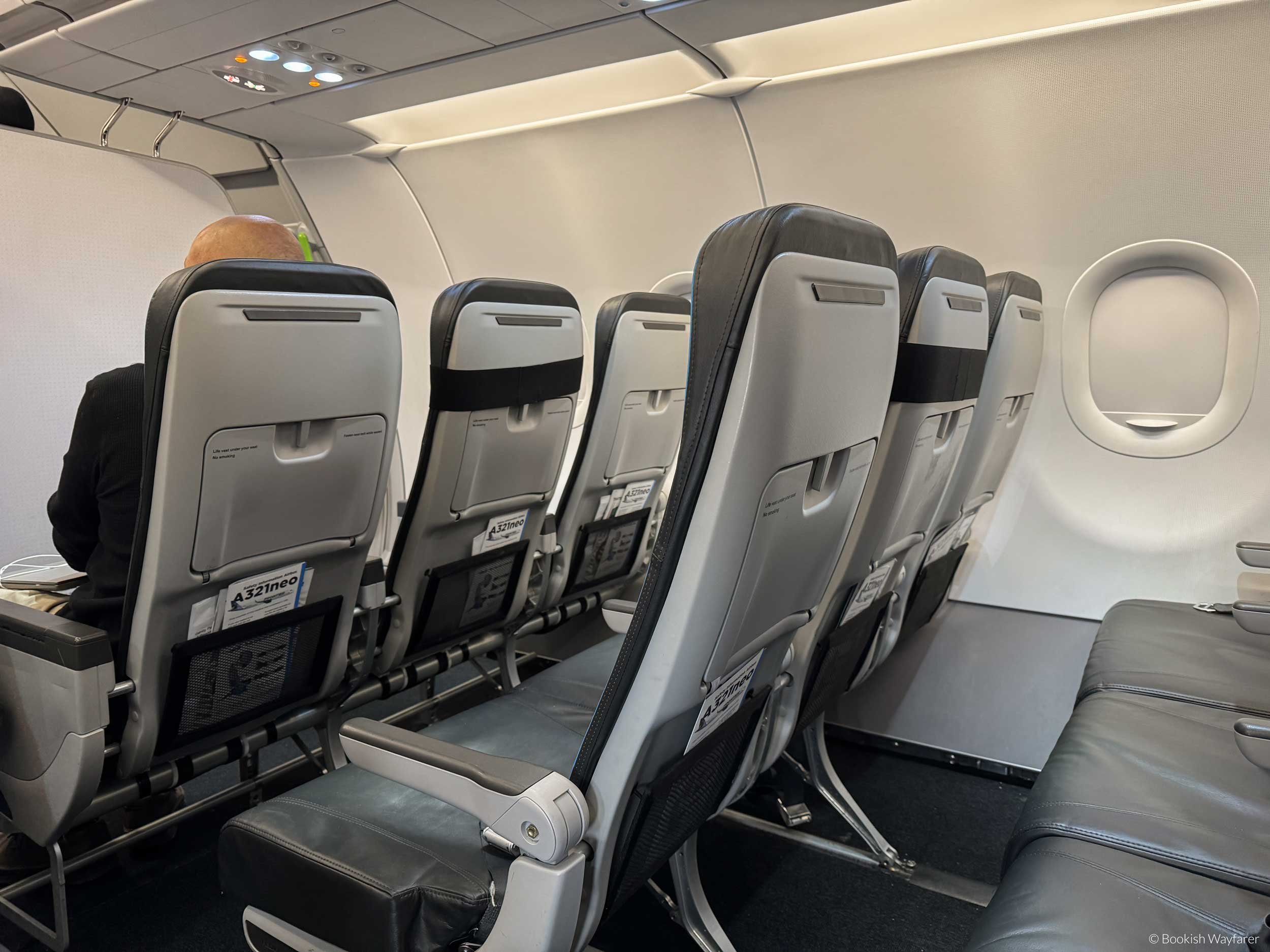
The most defining characteristic of the Frontier brand is its unbundled service model. Unlike legacy carriers that include baggage, seat selection, and in-flight amenities in the base fare, Frontier strips these down to the bare minimum. The brand promises “low fares,” and it delivers on that promise by charging separately for virtually everything beyond the seat itself. This strategy isn’t accidental; it’s a deliberate and highly effective brand play designed to appeal to a specific segment of travelers. By advertising extremely attractive base fares, Frontier captures attention and communicates a core brand message: affordability first.
This unbundling acts as a powerful brand differentiator. It clearly communicates to the consumer that they are in control of their costs, allowing them to customize their travel experience. For many, particularly leisure travelers who might not need a carry-on or care about pre-assigned seating, this model offers unprecedented savings. However, it also requires transparent communication to manage customer expectations, as the “a la carte” approach can sometimes lead to perceived hidden fees if not understood. The brand’s success hinges on consumers accepting this trade-off: a lower base price in exchange for paying for specific services they choose.
The Psychology of “Low Fares Done Right”
Frontier’s former tagline, “Low Fares Done Right,” encapsulated its brand promise and its strategic intent. It wasn’t just about offering cheap tickets; it was about demonstrating that the ULCC model could be executed effectively and responsibly. This tagline aimed to build trust and convey competence within a segment often associated with no-frills and potential compromises. “Done Right” implied efficiency, reliability, and a focus on the essentials that matter most to the price-conscious traveler: getting from point A to point B safely and affordably.
This messaging was a crucial element in shaping brand perception, attempting to preemptively address common criticisms of ULCCs regarding service quality or reliability. It positioned Frontier not just as the cheapest option, but as a smart choice for those who value efficiency and cost control. While the tagline may evolve, the underlying psychological appeal—that you’re getting a great deal without unnecessary fluff—remains a cornerstone of the Frontier brand narrative. It’s about empowering consumers to make financially savvy travel choices without feeling shortchanged on the core service of transportation.
Visual Identity: The Iconic Animal Tailfins
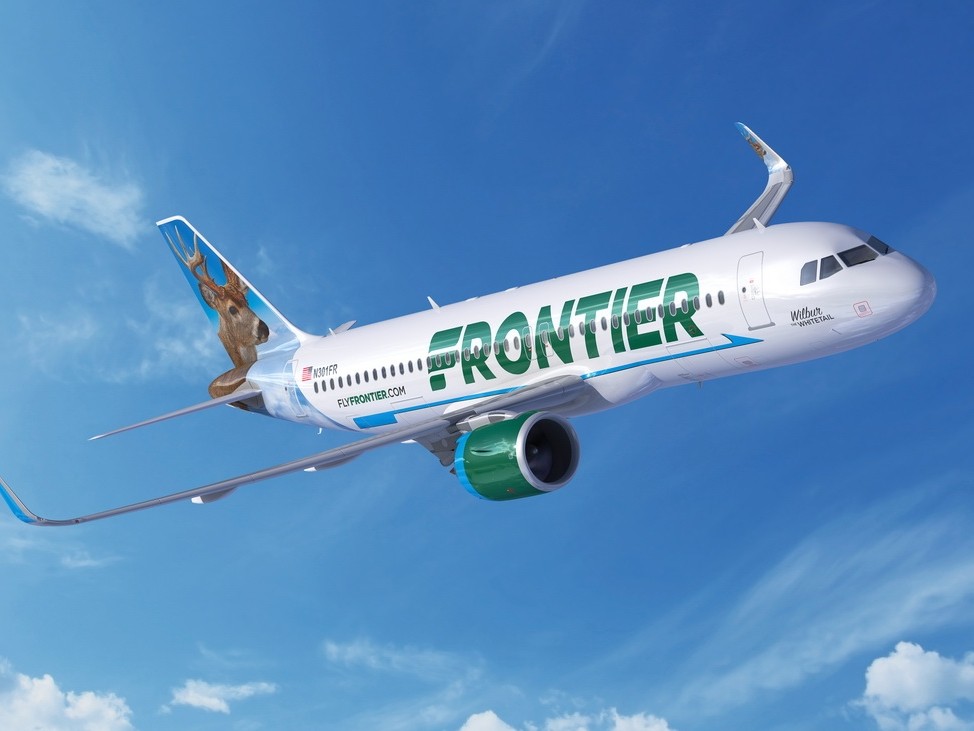
Perhaps the most recognizable and endearing aspect of the Frontier brand’s visual identity is its iconic animal tailfins. Each aircraft in their fleet features a different animal on its tail, complete with a name and a small backstory. From “Grizwald the Bear” to “Foxy the Fox,” these playful and memorable characters serve several important brand functions. Firstly, they make the brand highly distinctive and instantly recognizable in a crowded airline market where aircraft liveries can often blend together. This unique visual element creates a strong brand recall.
Secondly, the animals inject a sense of whimsy, friendliness, and approachability into the brand, which can help soften the sometimes austere perception of an ultra low-cost model. They create an emotional connection, particularly appealing to families and younger travelers, aligning with Frontier’s target demographic of leisure travelers. This creative branding strategy helps differentiate Frontier beyond just price, adding a layer of personality and memorability that few other airlines can match. It’s a clever way to communicate that while the fares might be low, the brand itself has character and warmth, building a subtle bridge between the transactional nature of ULCC and the desire for a pleasant travel experience.
Brand Perception and Customer Experience

Managing brand perception and customer experience is particularly challenging for ULCCs like Frontier, where the primary brand promise is low cost, which often comes with trade-offs.
Attracting the Price-Sensitive Traveler
Frontier’s brand strategy is laser-focused on attracting the price-sensitive traveler. Its marketing messages consistently highlight low base fares, appealing directly to individuals and families for whom travel affordability is paramount. This strategic targeting allows Frontier to tap into a vast segment of the market that might otherwise forgo air travel due to cost constraints. The brand effectively communicates that it unlocks travel opportunities, making destinations accessible to a wider audience. This positioning is powerful, as it aligns directly with a fundamental human desire for exploration and connection, framed within an accessible price point.
However, attracting this segment also means managing expectations. The brand has to be clear that the low price comes with specific conditions and that “extras” are indeed extra. Successful brand communication in this context means educating the consumer about the ULCC model upfront, ensuring that the initial excitement of a low fare isn’t replaced by frustration over additional costs at the airport. Frontier’s brand relies on the customer understanding and accepting this value proposition.
Navigating Customer Feedback and Brand Loyalty
The ULCC model often generates polarized customer feedback. While many appreciate the low fares, others express dissatisfaction with fees for services they might expect to be included, or perceived reductions in customer service. This creates a unique challenge for brand loyalty. True loyalty for a ULCC like Frontier is often transactional—customers return for the lowest price—rather than emotional. Building emotional loyalty becomes a more complex task.
Frontier addresses this by doubling down on its core value proposition, continuously refining its operational efficiencies to keep fares low. It also utilizes loyalty programs like Frontier Miles and the Discount Den to incentivize repeat business, offering exclusive access to even lower fares. These programs are designed to foster loyalty through tangible economic benefits, reinforcing the brand’s core promise of affordability. Managing public perception also involves addressing feedback directly, often reiterating the “a la carte” model as a choice rather than a deficiency. The brand aims to cultivate a segment of travelers who not only understand but appreciate this flexible, cost-effective approach.
The Double-Edged Sword of Ancillary Revenue
Ancillary revenue—income generated from services beyond the base ticket price, such as baggage fees, seat selection, and priority boarding—is a critical component of Frontier’s financial model and a key element of its brand identity. It’s both a driver of profitability and a frequent point of contention for customers. From a brand strategy perspective, ancillary revenue reinforces the ULCC promise: the base fare is low because you only pay for what you use. This empowers the customer with choice and control over their final travel cost.
However, it’s a double-edged sword. While it allows for attractive headline prices, it can also lead to customer frustration if not communicated clearly or if additional fees are perceived as excessive. The brand must strike a delicate balance: maximizing ancillary revenue while ensuring that customers feel they are getting value for money and not being “nickel-and-dimed.” Effective brand management here involves transparency in pricing, clear explanations of what’s included and what’s not, and ensuring that the overall experience, even with additional purchases, still feels like a good deal relative to competitors. The success of Frontier’s brand hinges on consumers ultimately feeling that the freedom to choose what they pay for is a benefit, not a burden.
Competitive Landscape and Brand Resilience
Frontier operates in a highly competitive sector, necessitating continuous brand evolution and resilience. Its ability to maintain its brand identity while adapting to market pressures is crucial.
The Scramble in the Low-Cost Segment
The low-cost airline segment is intensely competitive, with players like Spirit Airlines and Allegiant Air vying for the same price-sensitive travelers. This “scramble” means that Frontier cannot rest on its laurels regarding its low-fare brand promise. It must continually innovate its offerings and operational efficiencies to maintain its cost advantage. Competition forces Frontier to be agile, constantly re-evaluating its route network, pricing strategies, and ancillary services to remain attractive.
In this environment, brand differentiation becomes paramount. While all ULCCs share similar operational models, Frontier distinguishes itself through its specific route network, its memorable animal tailfins, and its particular blend of promotional offers. The brand’s resilience in this competitive landscape stems from its disciplined adherence to the ULCC model, ensuring that it can consistently offer competitive pricing, which is its primary brand value.
Adapting to Market Dynamics and Consumer Demands
The airline industry is susceptible to external shocks, from fuel price fluctuations to global pandemics. Frontier’s brand resilience is tested by its ability to adapt to these market dynamics while staying true to its core identity. During economic downturns, its low-cost model can become even more appealing, reinforcing its value proposition. However, in periods of higher demand or increased focus on sustainability, the brand must find ways to resonate without abandoning its fundamental strategy.
Adapting to consumer demands also means being mindful of evolving expectations. While price remains king for its target audience, there’s an increasing emphasis on transparent pricing, digital convenience, and even environmental responsibility. Frontier must carefully integrate these considerations into its brand messaging and operational practices without compromising its cost structure. This might involve leveraging technology for a smoother booking experience or highlighting the fuel efficiency of its modern fleet as a nod to environmental concerns.
Reinforcing Brand Values for Future Growth
For future growth, Frontier’s brand strategy will need to continually reinforce its core values of affordability, choice, and accessibility. This means maintaining operational excellence to ensure reliability, even with low prices. It also involves consistent and clear communication about its unique service model, ensuring new customers understand what to expect and repeat customers feel their loyalty is rewarded.
The brand’s future also lies in expanding its network strategically, reaching new markets where its ULCC model can thrive. By staying disciplined in its cost structure and innovative in its ancillary offerings, Frontier aims to solidify its position as the go-to choice for value-conscious travelers. The endearing animal tailfins will continue to play a role in making the brand approachable, while the underlying operational efficiency will ensure the brand delivers on its fundamental promise: making air travel affordable and accessible for millions.
In conclusion, Frontier Airlines is far more than just a company that flies planes; it is a meticulously constructed brand built upon the principles of ultra low-cost travel. Its identity, from its unbundled services and transparent pricing strategy to its distinctive visual elements, all serve to reinforce its unique positioning in the market. Understanding “what is Frontier Airlines” means appreciating the strategic brilliance behind its brand and its relentless pursuit of making air travel affordable for the masses, a mission that continues to define its presence and shape its future.
aViewFromTheCave is a participant in the Amazon Services LLC Associates Program, an affiliate advertising program designed to provide a means for sites to earn advertising fees by advertising and linking to Amazon.com. Amazon, the Amazon logo, AmazonSupply, and the AmazonSupply logo are trademarks of Amazon.com, Inc. or its affiliates. As an Amazon Associate we earn affiliate commissions from qualifying purchases.