
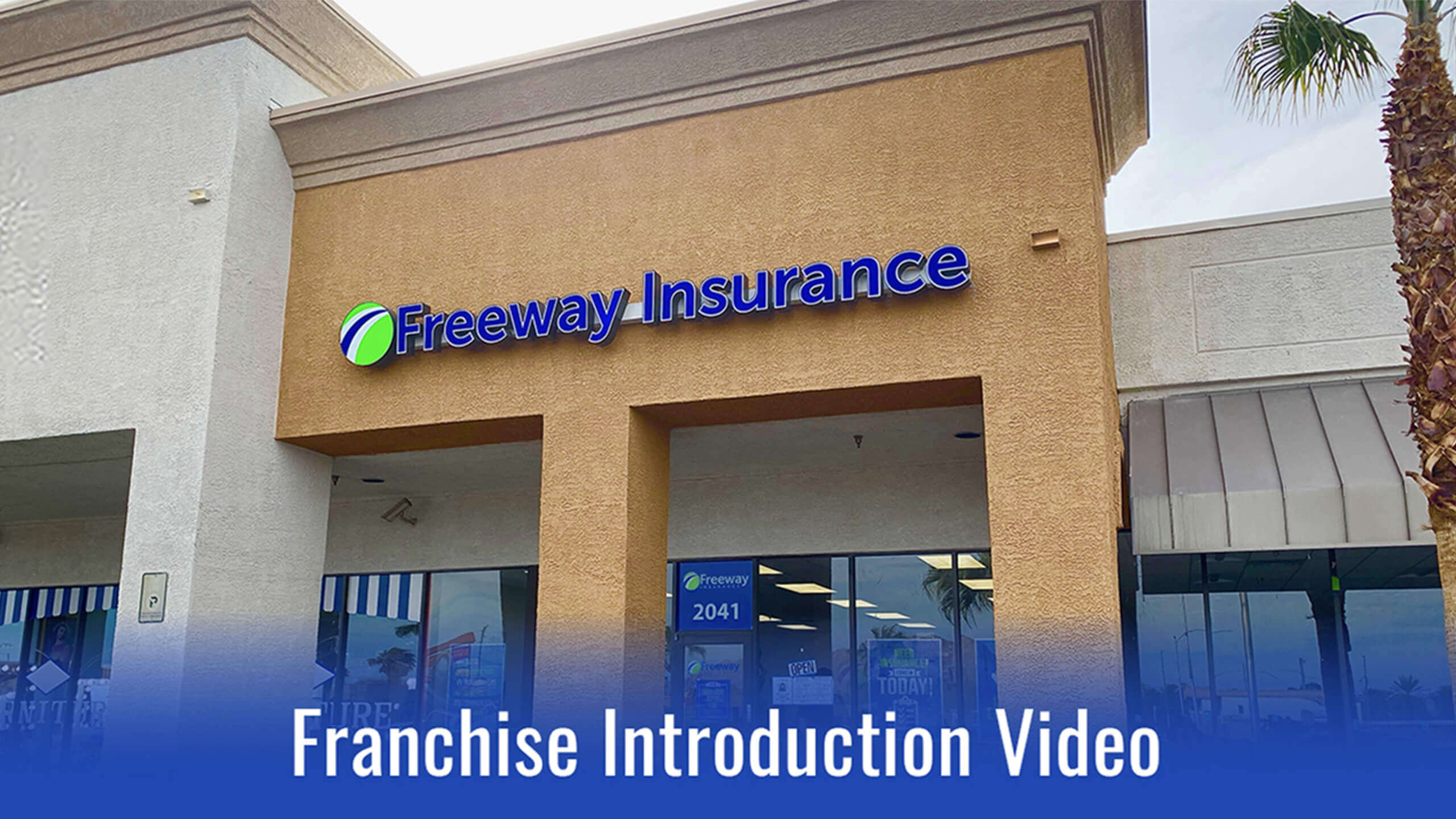
In the complex ecosystem of personal finance, insurance stands as one of the most critical pillars of wealth preservation. For many consumers, navigating the world of premiums, deductibles, and liability limits is a daunting task, particularly for those who do not fit the “standard” profile of a low-risk driver. This is where Freeway Insurance enters the conversation. As one of the largest privately held insurance distribution companies in the United States, Freeway Insurance acts as a specialized intermediary, connecting high-risk and budget-conscious consumers with a wide array of financial protection products.

Understanding what Freeway Insurance is requires a look beyond simple auto coverage. It involves understanding the brokerage model, the economics of non-standard insurance, and how specialized financial tools can help individuals maintain legal compliance and protect their assets even when their driving record or credit history is less than perfect.
Understanding the Role of Freeway Insurance in the Personal Finance Landscape
At its core, Freeway Insurance is not an insurance carrier—meaning they do not typically underwrite the policies themselves—but rather a multi-line insurance brokerage. This distinction is vital for any consumer looking to optimize their financial portfolio. While a carrier like Geico or State Farm provides the actual coverage and pays out claims, a brokerage like Freeway shops among dozens of different carriers to find the best rate for a specific individual.
The Brokerage Model vs. The Direct Carrier Model
For the modern consumer, the primary financial advantage of a brokerage model is the “comparison engine” effect. When an individual applies for insurance through a direct carrier, they are limited to that single company’s proprietary underwriting algorithms. If that company deems the applicant too risky, the premium will be prohibitively high, or coverage will be denied entirely.
Freeway Insurance functions as a financial aggregator. By partnering with a vast network of both national and niche carriers, they can match a driver’s specific risk profile with the carrier most likely to offer a competitive rate. This is particularly beneficial for individuals in the “non-standard” market—drivers who may have had a lapse in coverage, multiple tickets, or an at-fault accident. From a personal finance perspective, this saves the consumer the significant time-cost of manual shopping while potentially uncovering lower rates that are not advertised to the general public.
Navigating the Non-Standard Insurance Market
The “non-standard” insurance market is a specific segment of the financial industry designed for individuals who are considered higher risk by traditional standards. In the eyes of an actuary, risk is a quantifiable metric that dictates the cost of capital. Factors such as a low credit score, a history of driving under the influence (DUI), or a lack of prior insurance history can push a person into this category.
Freeway Insurance specializes in this niche. For these consumers, insurance is not just a monthly expense; it is a mandatory requirement for economic participation. Without insurance, an individual cannot legally drive to work, which jeopardizes their primary source of income. By providing access to the non-standard market, Freeway Insurance serves as a financial bridge, allowing individuals to maintain their mobility and employment status while they work toward improving their risk profile.
Evaluating the Cost-Benefit Ratio: Why Financial Planning Includes Insurance
A common mistake in personal finance is viewing insurance solely as a cost to be minimized. In reality, insurance is a risk-transfer mechanism. By paying a monthly premium, you are transferring the risk of a catastrophic financial loss—such as a $50,000 medical bill from a car accident or a total loss of a vehicle—to a third party. Freeway Insurance facilitates this transfer for demographics that might otherwise be priced out of the market.
Lowering Premiums for High-Risk Drivers
One of the key financial services offered by Freeway is the identification of discounts that high-risk drivers might not be aware of. Even in the non-standard market, there are ways to mitigate costs. Freeway’s agents are trained to look for “affinity discounts,” multi-car discounts, and savings related to defensive driving courses.
Furthermore, because they represent multiple companies, they can pivot a client to a different carrier as their financial situation changes. For instance, if a driver’s credit score improves or an old violation falls off their record, Freeway can re-shop the policy to ensure the client isn’t still paying “high-risk” prices for a “standard-risk” profile. This dynamic management of insurance costs is an essential component of long-term financial health.
SR-22 Filings and Financial Responsibility
For many drivers who have faced legal issues, an SR-22 is a mandatory financial document. An SR-22 is not insurance itself, but rather a certificate of financial responsibility that proves to the state that an individual carries the minimum required liability insurance.
Freeway Insurance is well-known for its expertise in handling SR-22 filings. From a wealth-management perspective, failing to file an SR-22 or allowing coverage to lapse can result in heavy fines, license revocation, and even more expensive premiums in the future. By streamlining this process, Freeway helps consumers avoid the cascading financial penalties associated with non-compliance.
Diversifying Risk with Multi-Line Insurance Products
While auto insurance is their primary focus, Freeway Insurance has expanded into a comprehensive financial services provider. Diversification is a fundamental principle of finance, and it applies to insurance as well. By covering multiple areas of risk through a single brokerage, consumers can often find “bundle” savings that lower their total monthly expenditure.
Renters and Homeowners Protection
A significant portion of a household’s net worth is often tied up in personal property. Freeway offers homeowners and renters insurance, which protect against the loss of assets due to fire, theft, or natural disasters. For renters, this is a frequently overlooked financial tool. For a very low monthly cost, renters insurance protects thousands of dollars in assets, preventing a single burglary or kitchen fire from becoming a total financial wipeout. Freeway’s ability to source these policies alongside auto insurance creates a more robust safety net for the consumer.
Health and Commercial Coverage for Business Owners
For the self-employed or small business owners, Freeway Insurance also provides access to health insurance and commercial vehicle coverage. In the context of “Side Hustles” and “Online Income,” many individuals are moving away from traditional W-2 employment. These “solopreneurs” must manage their own benefits and liability.
Commercial auto insurance is a critical financial tool for anyone using their vehicle for business purposes, such as delivery or courier services. Standard personal policies often exclude accidents that occur during business use. Freeway helps these entrepreneurs identify the gaps in their coverage, ensuring that their business activity doesn’t accidentally expose their personal finances to ruinous liability.
Strategies for Optimizing Your Insurance Budget with Freeway
Maximizing the value of a brokerage like Freeway Insurance requires an active approach to financial management. It is not enough to simply sign up for a policy; one must understand how to leverage the brokerage’s resources to improve their overall financial standing.
Comparative Shopping and the Power of Choice
The primary value proposition of Freeway is choice. In a high-inflation environment, the cost of insurance often rises alongside the cost of vehicle repairs and medical care. By using Freeway’s comparative shopping tools, consumers can check the market every six to twelve months. This prevents “price walking”—a phenomenon where insurance companies gradually raise rates on loyal customers who are unlikely to shop around. Regularly re-evaluating coverage through a broker ensures that the consumer is always paying the current market-bottom price for their specific risk level.
Long-term Financial Health and Improving Your Risk Profile
The ultimate financial goal for any high-risk driver should be to transition back into the standard insurance market. Freeway Insurance provides the necessary coverage to maintain a “continuous insurance” history, which is a major factor in how premiums are calculated.
A lapse in insurance, even for a few days, can lead to a significant increase in future rates. By finding an affordable policy through Freeway during difficult financial times, a consumer can maintain their “insured” status. Over time, as tickets expire and credit scores rise, this history of continuous coverage becomes a valuable asset, eventually allowing the consumer to qualify for the lowest possible rates in the industry.
In conclusion, Freeway Insurance serves as a vital financial intermediary for a diverse range of consumers. By specializing in the non-standard market and utilizing a brokerage model, they provide the tools necessary for individuals to protect their assets, maintain legal compliance, and manage their risk. In the broader context of personal finance, understanding how to use services like Freeway is about more than just finding a cheap car insurance policy; it is about strategic risk management and the preservation of one’s financial future. Whether you are dealing with a complex driving history or simply looking to diversify your insurance portfolio, the ability to compare, bundle, and strategically manage your coverage is a hallmark of sound financial planning.
aViewFromTheCave is a participant in the Amazon Services LLC Associates Program, an affiliate advertising program designed to provide a means for sites to earn advertising fees by advertising and linking to Amazon.com. Amazon, the Amazon logo, AmazonSupply, and the AmazonSupply logo are trademarks of Amazon.com, Inc. or its affiliates. As an Amazon Associate we earn affiliate commissions from qualifying purchases.