
The term “Free Silver” occupies a unique space in the annals of economic history, representing more than just a literal description of a precious metal. It was the centerpiece of one of the most contentious political and financial debates in the late 19th century, a movement that sought to transform the very nature of the American monetary system. Today, while the specific legislative battles of the 1890s have passed, the underlying principles of “Free Silver”—inflationary policy, the democratization of currency, and the role of hard assets in wealth preservation—remain deeply relevant to modern investors and financial strategists.

To understand “Free Silver,” one must look at it through two lenses: its historical identity as a movement for the “free and unlimited coinage of silver” and its modern identity as a cornerstone of precious metals investing. In both contexts, silver serves as a counterweight to centralized monetary control and a potential hedge against the devaluation of paper currency.
The Historical Foundations of the Free Silver Movement
The Free Silver movement was born out of economic necessity and populist fervor. During the late 1800s, the United States operated under a de facto gold standard. This policy limited the money supply to the amount of gold held in reserve, which led to significant deflation. For the burgeoning industrial and banking sectors in the Northeast, this was acceptable; however, for farmers in the South and West and for silver miners, it was catastrophic.
The “Crime of 1873” and Bimetallism
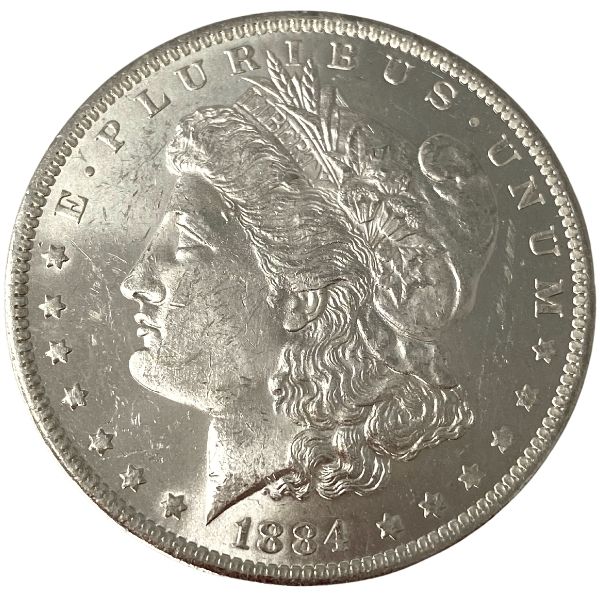
The catalyst for the movement was the Coinage Act of 1873, which demonetized silver and moved the U.S. strictly toward gold. Critics labeled this the “Crime of 1873.” Before this act, the U.S. maintained a bimetallic standard, where both gold and silver were used to back the dollar at a fixed ratio—historically 16 to 1.
“Free Silver” advocates demanded that the government return to this bimetallic standard. The term “Free” did not mean the metal was provided at no cost; rather, it referred to “free coinage,” meaning that anyone could bring silver bullion to the federal mint and have it struck into legal tender coins. This would have effectively increased the money supply, driven up the prices of agricultural goods, and made it easier for debtors to pay back loans with “cheaper” dollars.
The Populist Uprising and the Gold Standard
The movement reached its zenith in the 1896 presidential election with William Jennings Bryan’s famous “Cross of Gold” speech. Bryan argued that the gold standard was a burden on the working class, famously stating, “You shall not press down upon the brow of labor this crown of thorns; you shall not crucify mankind upon a cross of gold.” While the Free Silver movement ultimately failed to achieve its primary goal of unlimited coinage, it laid the groundwork for future monetary shifts, including the eventual departure from the gold standard in the 20th century.
Silver’s Unique Role in a Modern Investment Portfolio
In the modern financial landscape, the spirit of the Free Silver movement lives on in the community of investors who view silver as “the people’s money.” Unlike gold, which is primarily held by central banks and institutional investors as a tier-one reserve asset, silver is more accessible to the retail investor and possesses a dual identity: it is both a monetary metal and a vital industrial commodity.
Industrial Demand and the Green Energy Transition
One of the primary reasons silver remains a compelling asset today is its indispensable role in technology and industry. Silver is the most electrically and thermally conductive of all metals, making it essential for the production of solar panels, electric vehicles (EVs), and 5G telecommunications infrastructure.
As the global economy shifts toward “green” energy, the demand for silver is projected to increase significantly. Unlike gold, which is largely recycled, much of the silver used in industrial applications is consumed in small quantities that are not economically viable to recover. This creates a supply-and-demand dynamic where industrial consumption can lead to physical shortages, potentially driving up the price for investors.
Silver as a Store of Value and Inflation Hedge
While industrial demand provides a price floor, silver’s role as a store of value provides its “monetary” upside. During periods of high inflation or geopolitical instability, investors often flock to hard assets. Silver has historically performed well during cycles of currency debasement. Because it cannot be printed or “created” by a central bank, it maintains intrinsic value that fiat currencies lack.
For the modern investor, holding silver—often referred to as “the poor man’s gold”—is a way to diversify away from the risks of the traditional banking system. It offers a level of liquidity and portability that other hard assets, such as real estate, cannot match.

Analyzing the Gold-to-Silver Ratio for Tactical Entry
For those looking to trade or invest in silver, the Gold-to-Silver Ratio (GSR) is perhaps the most important metric to monitor. This ratio represents the number of ounces of silver required to purchase one ounce of gold. Historically, this ratio has served as a reliable indicator of whether silver is undervalued or overvalued relative to its more expensive cousin.
Interpreting the Historical Ratio
Over the last century, the GSR has fluctuated wildly. In the days of the bimetallic standard, the ratio was legally set at 16:1. In the modern era, however, the ratio has averaged closer to 50:1 or 60:1. When the ratio expands significantly—such as when it surpassed 100:1 during the market volatility of 2020—investors often view it as a signal that silver is extremely undervalued compared to gold.
Strategic Portfolio Rebalancing
Savvy investors use the GSR to rebalance their precious metals holdings. When the ratio is high (e.g., above 80:1), a common strategy is to buy silver, anticipating that the ratio will eventually contract toward its historical mean. Conversely, when the ratio drops (e.g., below 40:1), some investors trade their silver for gold to lock in gains and preserve purchasing power in a more stable asset. This tactical approach allows investors to grow their total ounces of precious metals over time without necessarily injecting more fiat capital.
Practical Methods for Acquiring Silver Today
For the modern proponent of “Free Silver,” there are several ways to gain exposure to the metal, each with its own set of risks and rewards. The choice of vehicle depends on the investor’s goals—whether they are seeking long-term wealth preservation, short-term speculation, or a hedge against systemic collapse.
Physical Bullion: Ownership and Security
The most direct way to own silver is through physical bullion. This includes government-minted coins (such as the American Silver Eagle or the Canadian Silver Maple Leaf), silver rounds, and bars.
- Pros: No counterparty risk. If the financial system faces a crisis, physical silver remains in your possession.
- Cons: Requires secure storage and insurance. There are also “premiums” over the spot price when buying and “spreads” when selling.
Silver ETFs and Paper Silver
For those who want price exposure without the hassle of physical storage, Exchange-Traded Funds (ETFs) like the iShares Silver Trust (SLV) or the Sprott Physical Silver Trust (PSLV) are popular options.
- Pros: High liquidity; can be bought and sold within a traditional brokerage account.
- Cons: Involves counterparty risk. In the case of some ETFs, the investor does not actually own the underlying metal but rather a share in a trust that tracks the price.
Silver Mining Stocks
Investing in the companies that extract silver from the ground offers “leverage” to the silver price. If the price of silver rises by 10%, a mining company’s profits may rise by 30% or more due to their fixed operating costs.
- Pros: Potential for outsized gains and dividends.
- Cons: High risk. Mining companies are subject to operational failures, geopolitical risks in mining jurisdictions, and management incompetence.
The Future of Silver: Inflation, Green Energy, and Wealth Preservation
As we look toward the future, the concept of “Free Silver” continues to evolve. In an era characterized by record-breaking government debt and aggressive central bank interventions, the arguments made by the populists of the 1890s are finding a new audience. The modern “Free Silver” movement is less about legislative coinage and more about financial autonomy and the protection of purchasing power.
The Impact of Monetary Policy
The massive expansion of the global money supply over the last decade has created a fertile environment for silver. As fiat currencies lose value through inflation, the “fixed” supply of silver becomes more attractive. Investors today are increasingly looking at silver not just as a commodity, but as a form of “insurance” against currency failure.
Technological Advancements and Scarcity
Furthermore, the “silver squeeze” phenomenon—where retail investors coordinate to buy physical silver to expose the lack of supply in the paper markets—highlights the modern tension between physical reality and financial abstraction. With silver mine production stagnating and industrial demand rising, the fundamental case for silver has rarely been stronger.
In conclusion, “Free Silver” is a term that bridges the gap between the economic struggles of the past and the financial strategies of the present. Whether viewed as a historical populist movement or a modern investment asset, silver remains a symbol of financial resilience. For the contemporary investor, understanding the history, the industrial utility, and the market mechanics of silver is essential for navigating an increasingly complex and inflationary global economy. By incorporating silver into a diversified financial plan, individuals can honor the legacy of the “Free Silver” advocates while securing their own financial future.
aViewFromTheCave is a participant in the Amazon Services LLC Associates Program, an affiliate advertising program designed to provide a means for sites to earn advertising fees by advertising and linking to Amazon.com. Amazon, the Amazon logo, AmazonSupply, and the AmazonSupply logo are trademarks of Amazon.com, Inc. or its affiliates. As an Amazon Associate we earn affiliate commissions from qualifying purchases.