
The national motto of France, “Liberté, Égalité, Fraternité” (Liberty, Equality, Fraternity), stands as a powerful testament to the enduring principles that define the French nation. More than just a sequence of words, this phrase functions as the ultimate brand slogan for France, encapsulating its core corporate identity, guiding its national strategy, and informing its global narrative. For centuries, this motto has served as an unparalleled example of effective brand communication, projecting a consistent message of foundational values both internally to its citizens and externally to the world.
The Genesis of a National Brand Slogan: Liberté, Égalité, Fraternité
The journey of “Liberté, Égalité, Fraternité” from revolutionary rallying cry to official national motto is a compelling case study in the evolution of a brand statement. Born amidst the tumultuous French Revolution in the late 18th century, these three words quickly transcended their initial role as mere political slogans to become the defining pillars of a nascent national identity. Their revolutionary roots provided an immediate, visceral connection to the people’s aspirations, acting as a concise and powerful articulation of a radical shift in national purpose and values.
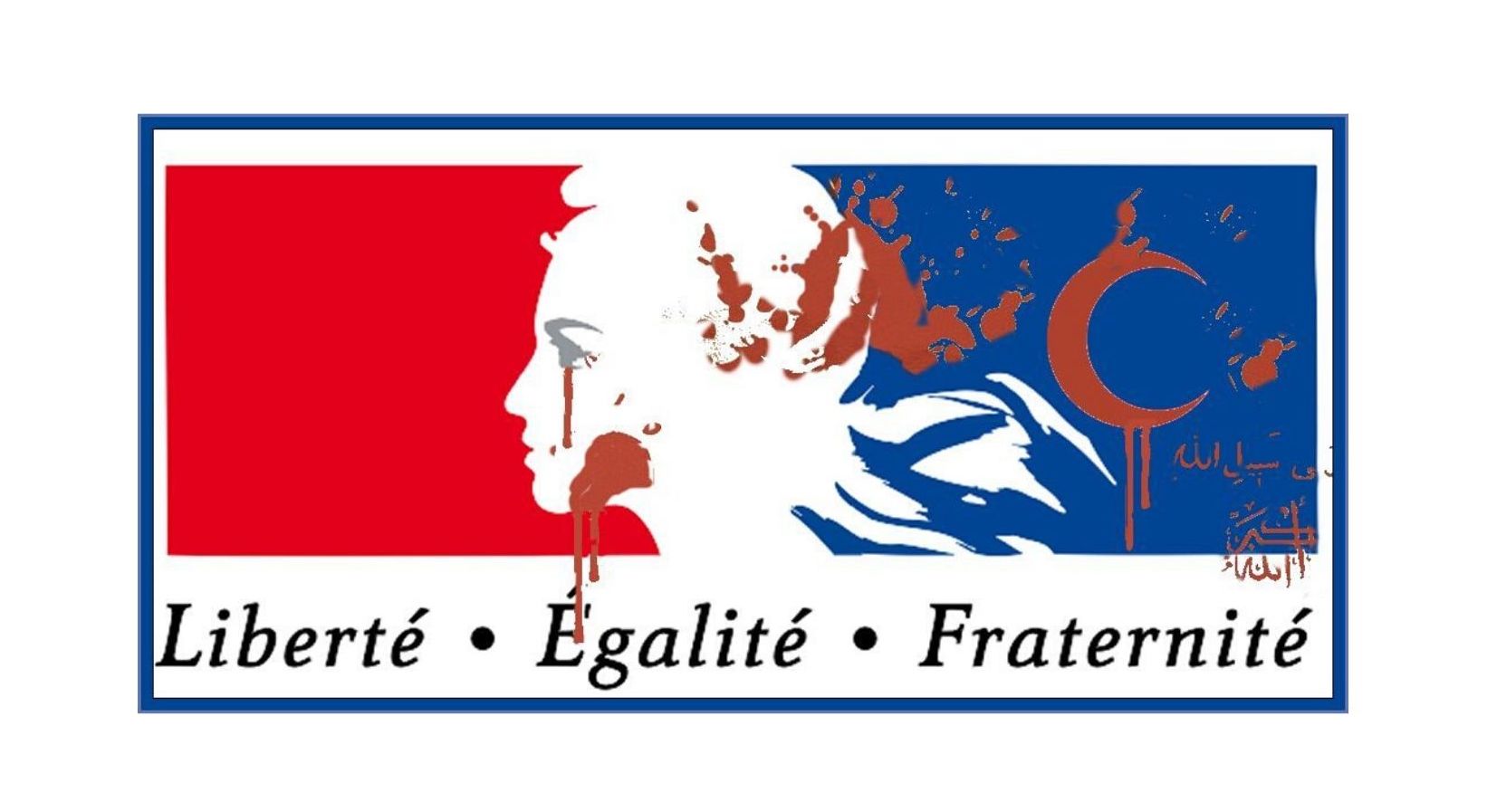
Initially, the combination of these terms was not consistently fixed. Various permutations and additions existed, but the triad of Liberty, Equality, and Fraternity gradually gained prominence due to its resonance with the Enlightenment ideals that fueled the revolution. “Liberty” symbolized freedom from oppression and monarchical rule; “Equality” demanded an end to aristocratic privilege and legal disparities; and “Fraternity” evoked a sense of national unity, solidarity, and common purpose. The brilliance of this early brand messaging lay in its ability to condense complex philosophical concepts into an easily digestible, emotionally charged manifesto.
Over the subsequent decades, the motto experienced periods of ebb and flow, reflecting France’s volatile political landscape. It was adopted, suppressed, and re-adopted by different regimes—from the First Empire to the Second Republic. This fluctuating acceptance underscores the inherent strategic value attributed to the motto by various leaders, who recognized its power to either legitimize or undermine their rule by aligning with or rejecting these fundamental national tenets. Its definitive adoption as the official national motto occurred under the Third Republic, enshrined in the Constitution of 1958. This formal institutionalization cemented its role as the undisputed corporate identity statement for the French state, moving it beyond a mere historical artifact to an active, living brand asset. This process illustrates how a truly potent brand slogan, despite challenges, can ultimately become indelibly linked to its subject, achieving a near-sacred status that transcends political shifts.
Corporate Identity on a National Scale: The Motto as France’s Core Brand Statement
In the realm of national branding, “Liberté, Égalité, Fraternité” functions as France’s most critical brand statement, deeply embedded in its corporate identity and external communications. It serves as a concise mission statement, articulating the nation’s core values and strategic intent to a global audience. Through public diplomacy, cultural exchanges, and international relations, France consistently projects an image that resonates with these principles, leveraging them to build trust, foster alliances, and exert soft power on the world stage.
As a central element of France’s corporate identity, the motto informs how the nation is perceived. When one thinks of France, these ideals are often implicitly or explicitly associated with its institutions, its foreign policy, and its cultural output. This intentional alignment provides a consistent framework for all aspects of national representation, from the design of official documents to the rhetoric of its political leaders. It ensures that France speaks with a unified voice, a critical component of successful brand management. This consistency is not accidental but a result of generations of strategic reinforcement, making the motto an indispensable tool in France’s global positioning strategy.
Internally, the motto plays an equally vital role in shaping national consciousness and fostering unity. It serves as a constant reminder to French citizens of the foundational values upon which their society is built. Educational curricula, civic ceremonies, and public discourse frequently reference these ideals, reinforcing a shared sense of belonging and collective purpose. For a nation with a rich tapestry of regional identities and diverse populations, such a unifying brand statement is invaluable. It provides a common reference point, a set of shared aspirations that transcend individual differences, contributing significantly to national cohesion. This dual functionality – defining the brand both externally and internally – showcases the motto’s strategic depth as a corporate identity asset, proving that the most successful brand statements resonate deeply with all stakeholders.
Brand Resonance and Impact: From Public Squares to Product Labels
The enduring power of “Liberté, Égalité, Fraternité” is evident in its pervasive brand resonance, permeating every facet of French life, from monumental architecture to the subtle undertones in commercial branding. It’s not merely an abstract concept; it’s a living, breathing element of France’s national design and marketing strategy, creating profound brand equity that influences perception both domestically and internationally.
Visually, the motto is seamlessly integrated into the national aesthetic. It is carved into the pediments of public buildings, emblazoned on official documents, and frequently invoked in political speeches and public discourse. The very design of the French flag, the Tricolour, with its blue, white, and red, is often symbolically linked to these ideals—blue for liberty, white for equality, and red for fraternity, though this interpretation is not officially decreed. Marianne, the personification of the French Republic, embodying liberty and reason, serves as another powerful visual symbol that reinforces the motto’s message. These pervasive visual cues are deliberate brand design choices that ensure the motto’s constant presence and reinforce its significance in the collective consciousness. They are the tangible touchpoints through which the national brand is experienced.
Beyond governmental and civic spheres, the motto’s influence subtly extends into the commercial branding of French products and services. While not explicitly printed on every label, the values it represents—quality, innovation, freedom of expression, and a certain democratic elegance—are often implicit in the marketing narratives of French luxury goods, fashion houses, culinary arts, and technological innovations. Brands leverage the inherent prestige and historical depth associated with “Frenchness,” a brand identity intrinsically linked to the motto’s ideals. For instance, a French luxury brand might subtly convey “liberty” through creative freedom in design, “equality” through universal appeal in quality, and “fraternity” through a sense of heritage and artisanal community. This demonstrates how a deeply ingrained national brand identity can provide a powerful halo effect for commercial enterprises, contributing to their global appeal and market positioning.
The motto also forms a critical cornerstone of France’s tourism branding. Visitors are not just invited to see sights but to experience a culture deeply rooted in these principles. Marketing campaigns often highlight France as a land of freedom, equal opportunities, and communal warmth, drawing millions who seek to engage with these ideals firsthand. This strategic alignment between national values and tourism promotion showcases how a well-articulated brand motto can translate into tangible economic and cultural capital. The continued relevance of “Liberté, Égalité, Fraternité” across such diverse domains confirms its status as an exceptionally effective, enduring brand asset, continually shaping perceptions and driving engagement.

Lessons in Enduring Brand Strategy: Authenticity, Longevity, and Global Reach
The enduring success of “Liberté, Égalité, Fraternité” offers invaluable lessons for any entity, whether corporate or personal, seeking to craft a powerful and lasting brand strategy. Its longevity and profound impact underscore several key principles essential for effective brand development: authenticity, consistency, and a deep connection to core values.
Firstly, the motto’s authenticity is rooted in its origin from genuine societal upheaval and deeply held philosophical convictions. It wasn’t a slogan manufactured in a boardroom but emerged organically from a profound national transformation. For any brand, this lesson is critical: an authentic brand identity, one that truly reflects an organization’s mission, values, and culture, resonates far more deeply and sustainably than one based on superficial messaging. Brands that are true to themselves build trust and loyalty, fostering a genuine connection with their audience.
Secondly, consistency in communication has been paramount. Despite political shifts, the core message of Liberty, Equality, and Fraternity has been relentlessly reiterated across generations through education, public art, legal frameworks, and political discourse. This unwavering commitment to the brand’s core statement has ensured its indelible place in the national consciousness and global perception. In branding, consistent messaging across all touchpoints—marketing materials, product design, customer service, and corporate culture—reinforces identity and builds strong brand recognition. Any deviation risks diluting the brand’s power and confusing its audience.
Finally, the motto’s global reach demonstrates the power of universal values. While specifically French in origin, the concepts of liberty, equality, and fraternity possess a universal appeal that transcends national borders. This broad resonance has enabled France to export its brand ideals through diplomacy and cultural influence, contributing to its soft power. For businesses and individuals, crafting a brand identity around universally recognized values can significantly enhance global appeal and market penetration. A brand that stands for something meaningful and universally understood has a far greater chance of achieving enduring relevance and making a significant impact on the world stage. The French motto, therefore, serves as a masterclass in how a well-conceived, authentic, and consistently communicated brand statement can create unparalleled longevity, deep resonance, and expansive global influence.
aViewFromTheCave is a participant in the Amazon Services LLC Associates Program, an affiliate advertising program designed to provide a means for sites to earn advertising fees by advertising and linking to Amazon.com. Amazon, the Amazon logo, AmazonSupply, and the AmazonSupply logo are trademarks of Amazon.com, Inc. or its affiliates. As an Amazon Associate we earn affiliate commissions from qualifying purchases.