
Frame damage, at its core, refers to significant structural compromise to a vehicle’s foundational frame or unibody. While the immediate concern might be the structural integrity and safety of the vehicle, the financial repercussions of such damage are profound and often overlooked until one is directly faced with it. Understanding what frame damage entails is not merely about mechanical knowledge; it is a critical component of personal and business financial literacy, impacting asset value, insurance costs, repair decisions, and long-term financial planning.
Understanding the Core Concept and Its Financial Ramifications
The structural integrity of a vehicle is paramount, not just for safety but for maintaining its financial value as an asset. Frame damage directly undermines this.
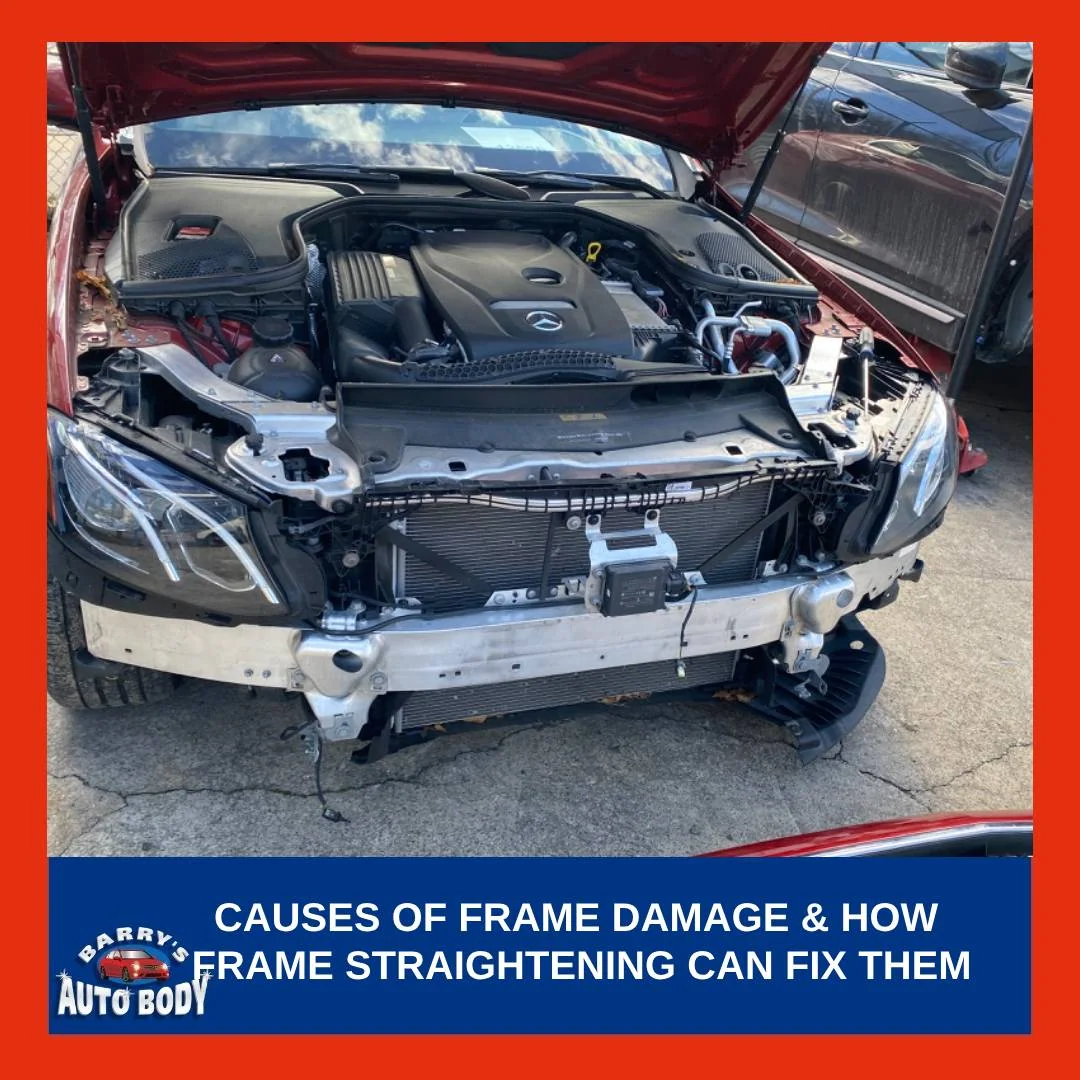
Defining Frame Damage
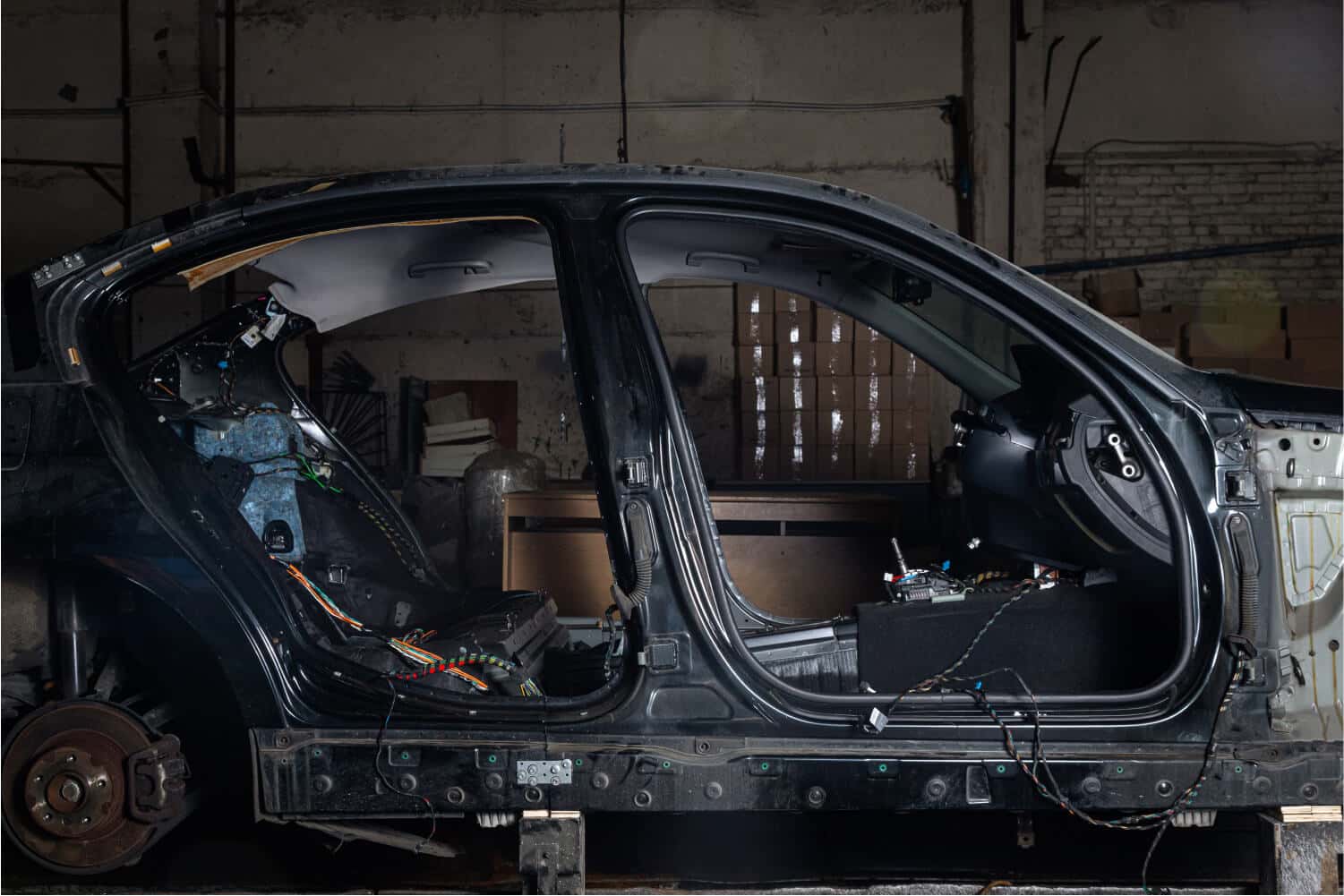
In most modern vehicles, the “frame” is either a separate ladder frame (common in trucks and some SUVs) or an integrated unibody structure (prevalent in cars and crossovers). Frame damage occurs when this foundational structure experiences bending, twisting, crumpling, or tearing, usually as a result of a severe impact or accident. Unlike cosmetic damage to fenders or bumpers, frame damage affects the very geometry of the vehicle, potentially misaligning critical components like the suspension, steering, and drivetrain. Even seemingly minor frame damage can lead to a cascade of issues, making the vehicle unsafe, difficult to align, and significantly less durable. From a financial perspective, this structural compromise immediately devalues the asset and introduces substantial liabilities.
Why It Matters Financially
The financial implications of frame damage are multi-faceted and touch upon several key areas of personal and business finance. Firstly, it represents a direct hit to the asset’s value. A vehicle with a history of frame damage, even if expertly repaired, will almost always command a lower price on the resale market. Secondly, the costs associated with repairing frame damage can be astronomical, often exceeding the vehicle’s market value, leading to a “total loss” declaration by insurance providers. Thirdly, it can impact insurance premiums and future insurability. Lastly, for businesses relying on fleets, frame damage can disrupt operations, incur significant repair or replacement costs, and affect depreciation schedules, all impacting profitability. Ignoring or misunderstanding frame damage can lead to poor financial decisions, significant out-of-pocket expenses, and diminished returns on automotive investments.
The Financial Impact on Vehicle Value and Ownership
Frame damage doesn’t just affect a car’s physical integrity; it profoundly impacts its economic standing as an asset. For most individuals and many businesses, a vehicle represents a significant investment, and frame damage can quickly erode that investment.
Diminished Value Claims and Resale
One of the most significant financial consequences of frame damage is the concept of “diminished value.” Even after a vehicle with frame damage has been repaired to factory specifications, its market value is typically lower than an identical vehicle that has never sustained such damage. This reduction in value stems from the perception of potential buyers and the reality that a repaired frame, regardless of quality, may never be as strong or straight as its original, undamaged counterpart.
Owners whose vehicles are damaged due to another party’s negligence may be eligible to file a diminished value claim against the at-fault driver’s insurance policy. This claim seeks compensation for the difference between the vehicle’s market value before the accident and its market value after being repaired. Understanding this entitlement is crucial for recovering a portion of the financial loss incurred. For sellers, disclosing frame damage is often legally required and, if not, is an ethical necessity, directly impacting the achievable sale price and liquidity of the asset. Buyers, armed with this knowledge, will invariably negotiate for a lower price, reflecting the diminished asset quality.
Repair Costs vs. Total Loss
The cost of repairing frame damage can range from thousands to tens of thousands of dollars, depending on the severity and the vehicle’s make and model. Specialized equipment, skilled labor, and extensive diagnostic procedures are often required. This high cost frequently brings owners face-to-face with a critical financial decision: repair or replace?
Insurance companies employ a “total loss” threshold, which dictates that if the cost of repair exceeds a certain percentage (often 70-80%) of the vehicle’s actual cash value (ACV), the vehicle is declared a total loss. In such cases, the insurer pays out the ACV of the vehicle to the owner, effectively writing off the car. For the owner, this means accepting a payout that might not be enough to replace the vehicle with an equivalent model, especially if they still owe money on a car loan. Gap insurance can bridge this financial gap, covering the difference between the insurance payout and the outstanding loan balance, underscoring the importance of adequate coverage.
Insurance Implications: Premiums, Deductibles, and Claims
Dealing with frame damage inevitably involves insurance. Filing a claim for frame damage, particularly if it was an at-fault accident, can lead to increased insurance premiums in subsequent policy periods. Insurers view vehicles with a history of severe damage, or drivers involved in accidents causing such damage, as higher risks.
The deductible, the amount an insured must pay out-of-pocket before the insurance coverage kicks in, is also a significant financial consideration. For major repairs like frame damage, a high deductible can represent a substantial immediate cost. Understanding your policy’s specifics, including deductible amounts, coverage limits for repairs, and any provisions for diminished value, is vital for managing the financial fallout. Furthermore, some specialized or older vehicles might be difficult to insure for frame damage, or the cost of comprehensive coverage might become prohibitively high, affecting future financial planning for vehicle ownership.
Navigating Frame Damage as a Buyer or Seller
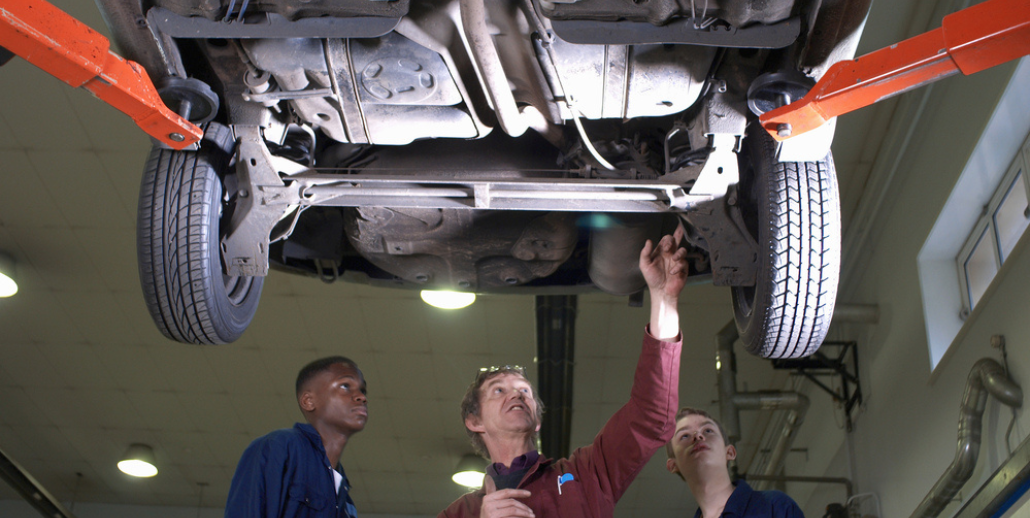
Whether you are in the market for a used vehicle or preparing to sell your current one, understanding frame damage is crucial for making financially sound decisions and protecting your investment.
Due Diligence for Buyers: Pre-Purchase Inspections
For prospective used car buyers, identifying past frame damage is a paramount step in due diligence. A vehicle that has sustained significant frame damage, even if repaired, may present long-term issues with alignment, tire wear, and potentially compromise safety. From a financial perspective, purchasing a vehicle with undisclosed frame damage is a direct path to immediate depreciation and potential future repair expenses.
The most effective way to uncover frame damage is through a pre-purchase inspection (PPI) conducted by an independent, certified mechanic who specializes in structural assessment. These inspections go beyond superficial checks, often involving detailed measurements and assessments of the vehicle’s frame. Additionally, reviewing the vehicle’s history report (e.g., CarFax, AutoCheck) can reveal accident history, but these reports are not always exhaustive and might miss incidents not reported to insurance or law enforcement. A thorough PPI acts as a financial safeguard, potentially saving buyers from acquiring a devalued and problematic asset.
Disclosure Requirements for Sellers
For sellers, transparency regarding a vehicle’s history, especially prior frame damage, is not just an ethical obligation but often a legal one. Many jurisdictions have laws requiring sellers to disclose known material defects, and frame damage almost invariably falls into this category. Failing to disclose such damage can lead to legal disputes, costly lawsuits, and the potential reversal of a sale, resulting in significant financial losses and reputational damage.
Even in areas without strict disclosure laws, a seller’s credibility can be severely impacted if a buyer discovers undisclosed frame damage post-purchase. This can complicate future transactions and erode trust. Financially, disclosing damage upfront, while potentially leading to a lower asking price, helps to manage buyer expectations and facilitates a smoother, legally sound transaction, avoiding future liabilities.
Negotiating Price with Known Damage
When frame damage is known and disclosed, it significantly alters the negotiation dynamic. For buyers, this information provides substantial leverage to negotiate a lower purchase price, reflecting the diminished value of the vehicle. Buyers should factor in not only the current market depreciation due to the damage but also potential future costs, such as increased maintenance, diminished resale value, and potentially higher insurance premiums.
Sellers, in turn, must realistically price their vehicle. Attempting to sell a vehicle with frame damage at a price comparable to an undamaged one is often futile and can deter serious buyers. A well-informed buyer will factor in the costs of a professional inspection and potential future issues, expecting a significant discount. Successful negotiation in such scenarios requires both parties to have a clear understanding of the financial implications of frame damage and to approach the transaction with realistic expectations of value.
Long-Term Financial Planning and Risk Mitigation
Dealing with frame damage extends beyond immediate repairs or sales; it requires foresight and strategic financial planning to mitigate risks and protect long-term financial health.
Maintaining Comprehensive Insurance Coverage
Adequate insurance coverage is the primary financial defense against the catastrophic costs associated with frame damage. Comprehensive and collision coverage protects against various incidents, including accidents that could lead to frame damage. It’s crucial not just to have coverage, but to ensure it’s appropriate for the vehicle’s value and the owner’s financial situation. Regularly reviewing policy limits, deductibles, and special clauses (like diminished value coverage, if available) ensures that one is financially prepared for unexpected events. For newer vehicles, gap insurance, which covers the difference between the vehicle’s actual cash value and the outstanding loan balance in the event of a total loss, is a prudent financial decision that can prevent significant out-of-pocket debt.
Emergency Funds for Unexpected Repairs
Even with excellent insurance, out-of-pocket costs can arise from frame damage, including deductibles, rental car expenses not fully covered, and the potential for residual “diminished value” not fully compensated. Maintaining an emergency fund specifically allocated for unexpected vehicle repairs or replacement can provide a crucial financial safety net. This fund allows individuals and businesses to cover immediate costs without dipping into other critical savings or incurring high-interest debt, thereby safeguarding their overall financial stability. Proactive budgeting for potential vehicle expenses, beyond routine maintenance, is a hallmark of sound financial planning.
The Decision to Repair, Replace, or Sell
When faced with frame damage, the decision to repair, replace, or sell the vehicle is fundamentally a financial one, requiring a careful cost-benefit analysis.
- Repairing: This involves weighing the repair cost against the vehicle’s post-repair value and the expected lifespan of the repairs. If the repair cost significantly approaches or exceeds the vehicle’s pre-damage value, repairing might be a poor financial investment, leading to substantial negative equity.
- Replacing: If the vehicle is deemed a total loss, or if repair costs are too high, replacing it becomes the option. This requires assessing one’s current financial capacity to purchase a new vehicle, considering down payments, loan terms, and insurance costs for the replacement.
- Selling (as-is): For vehicles with extensive frame damage that are not a total loss but whose repairs are economically unfeasible or undesirable, selling the vehicle “as-is” for parts or to a specialized salvage buyer might be the most financially sensible option. This minimizes further investment into a depreciated asset, although the recovery amount will be significantly lower than an undamaged sale.
Each of these decisions has long-term financial implications, affecting cash flow, debt levels, and asset portfolios. Prudent financial decision-making in the face of frame damage requires thorough research, professional advice, and a clear understanding of personal or business financial goals.
aViewFromTheCave is a participant in the Amazon Services LLC Associates Program, an affiliate advertising program designed to provide a means for sites to earn advertising fees by advertising and linking to Amazon.com. Amazon, the Amazon logo, AmazonSupply, and the AmazonSupply logo are trademarks of Amazon.com, Inc. or its affiliates. As an Amazon Associate we earn affiliate commissions from qualifying purchases.