
In the world of global marketing and corporate identity, few products possess the recognition, emotional resonance, and cultural weight of “Football.” However, as any brand strategist will tell you, a product’s name is its most vital asset—and for the world’s most popular sport, that asset is remarkably fragmented. The debate over whether to call the game “football,” “soccer,” “calcio,” or “footy” is not merely a linguistic quirk; it is a fascinating study in brand positioning, regional identity, and market segmentation.
To understand what football is called in other countries is to understand the history of international branding. When a sport crosses borders, it must negotiate its identity with the existing cultural landscape. This article explores how the branding of the world’s game shifts across continents and what these naming conventions reveal about global market strategy.
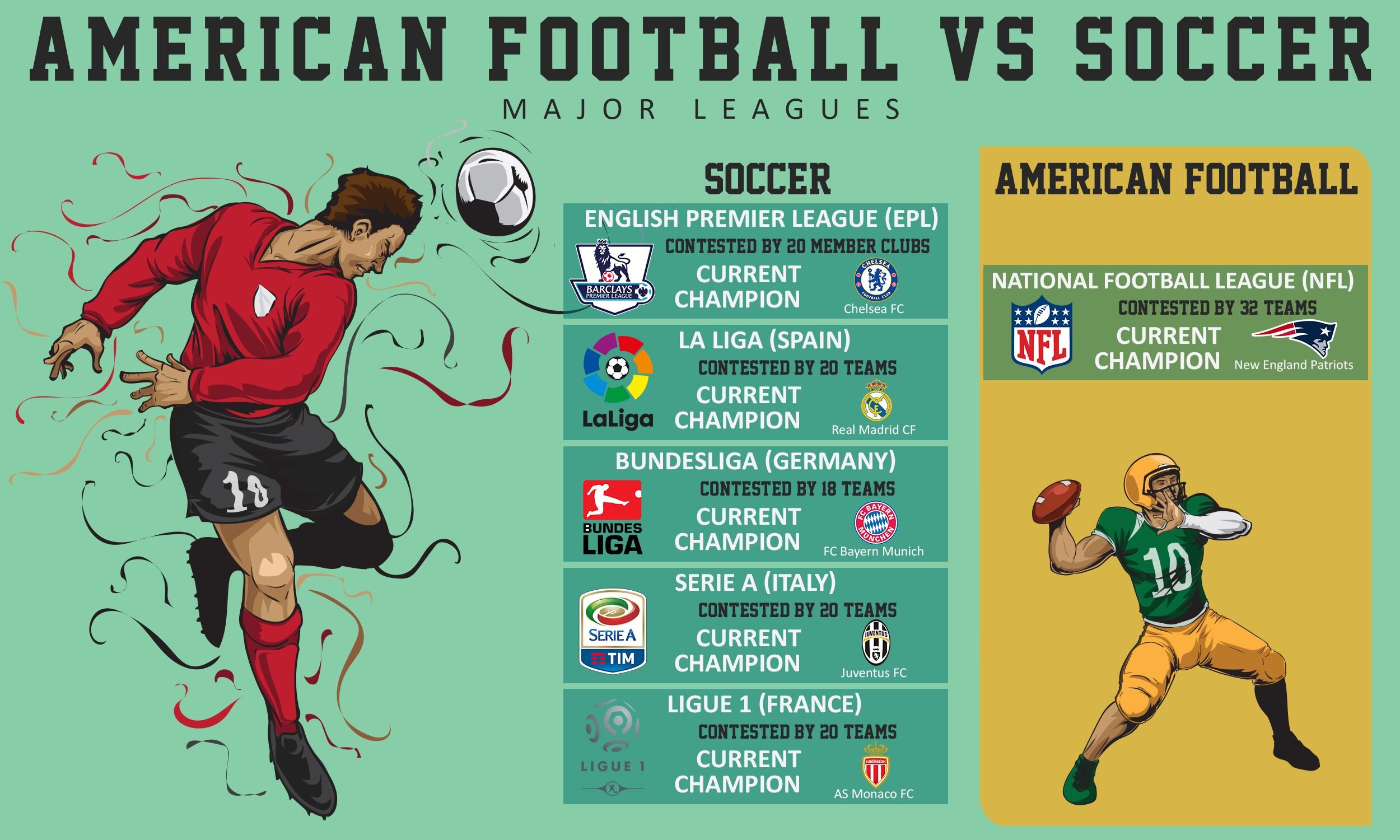
The Identity Crisis: Soccer vs. Football as a Brand Positioning Strategy
The most famous divide in sports branding is the “Football vs. Soccer” dichotomy. While purists often argue that “football” is the only legitimate name, the term “soccer” actually originated as a branding tool in 19th-century England to differentiate Association Football from Rugby Football. Today, the choice of terminology serves as a primary indicator of a league’s target market and brand heritage.
Market Segmentation: Why the US and Australia Rebranded the World’s Game
In markets like the United States, Australia, and South Africa, the term “football” was already a “claimed” brand. In the U.S., “Football” belongs to the NFL—a multibillion-dollar brand synonymous with American grit and spectacle. Consequently, the sport known to the rest of the world as football had to be positioned as “Soccer.”
Major League Soccer (MLS) represents a conscious branding decision. By adopting the term “Soccer” in its corporate identity, the league avoided brand confusion with the NFL. This is a classic example of market segmentation: when a dominant player already owns a keyword or a brand category, the newcomer must pivot to a distinct name to establish its own niche. In Australia, “footy” often refers to Australian Rules Football (AFL) or Rugby League, necessitating the use of “Soccer” to ensure the product is clearly defined for the consumer.
Preserving Tradition: The European “Football” Heritage as a Brand Asset
Conversely, in Europe, the brand “Football” is synonymous with heritage, prestige, and authenticity. For leagues like the English Premier League or Germany’s Bundesliga, the word “Football” (or “Fußball”) is a sacred brand asset. These organizations lean into the “football” moniker to project a sense of historical continuity. In these markets, calling the sport “soccer” is often viewed as a “brand dilution”—an Americanization that strips the sport of its traditional value. For global sports brands, maintaining this linguistic purity is essential for retaining the loyalty of their core demographic.
Regional Nomenclature and Brand Loyalty
Beyond the soccer-football divide, several nations have developed unique brands for the sport that reflect their national identity. These names function as “sub-brands” within the global football ecosystem, offering a unique value proposition to local fans.
Calcio: How Italy Branded the Sport through Historical Identity
Italy offers perhaps the most sophisticated example of sports branding through naming. While the rest of the world debates football vs. soccer, Italy calls the game Calcio. This is not a translation; it is a deliberate link to Calcio Fiorentino, a historical game played in 16th-century Florence.
By branding the sport as Calcio, Italy successfully tied a modern global product to its Renaissance heritage. This creates a powerful corporate identity for the FIGC (Italian Football Federation) and Serie A. It positions Italian football as an artisanal, historical, and deeply cultural product—distinct from the more industrialized versions of the game found in England or Germany. From a marketing perspective, Calcio is a masterclass in using national history to create a unique brand identity that stands out in a crowded global marketplace.
The Gridiron vs. The Pitch: Differentiating Product Identity in North America
In North America, the term “Football” is so strongly associated with the gridiron (the field used in American football) that the “World’s Game” required a complete re-imaging of its physical brand assets. The branding of “Soccer” in the U.S. involves emphasizing the “Pitch” and the “90-minute clock” to differentiate it from the “Gridiron” and the “quarter-based system.”

This differentiation is critical for corporate sponsors and broadcasters. When Nike or Adidas market “football” gear in the U.S., they must navigate a dual-brand strategy: “Football” for cleats and helmets, and “Soccer” for kits and balls. This prevents “brand cannibalization,” ensuring that marketing budgets are effectively allocated to the correct consumer segments without overlapping messages.
The Economic and Marketing Impact of Naming Conventions
The name of the sport isn’t just a matter of local pride; it has significant implications for global search intent, licensing, and corporate partnerships. Brands must be agile in how they deploy these terms to maximize their Return on Investment (ROI).
Licensing and Merchandising: Navigating Global Search Intent
In the digital age, “Football” and “Soccer” are two of the most valuable keywords in existence. However, they attract entirely different audiences. A digital marketing team for a brand like Electronic Arts (EA) must navigate this when branding their flagship video game.
The recent rebranding of “FIFA” to “EA Sports FC” is a prime example of a corporate identity shift. By moving away from the “FIFA” name, EA had to decide how to market “FC” (Football Club) globally. In North America, the marketing focus remains on the “world’s most popular soccer game,” while in Europe, it is the “ultimate football experience.” This “glocal” approach—global strategy with local execution—ensures that the brand remains relevant regardless of the local terminology.
Broadcaster Influence: How Media Giants Standardize Sports Brands
Broadcasters play a pivotal role in cementing a sport’s name within a culture. When NBC Sports won the rights to the English Premier League in the U.S., they made a strategic branding choice: they would use the term “Soccer” in their promotions but often allowed their commentators to use “Football” to maintain “authentic” brand appeal.
This “hybrid branding” allows the broadcaster to appeal to two demographics at once: the casual American viewer who identifies with the word “soccer” and the hardcore enthusiast who wants the “authentic football” experience. By managing the brand in this way, broadcasters can expand the market share of the sport without alienating the traditionalist base.
The Evolution of Digital Sports Branding
As we move further into a digital-first world, the way we name and categorize sports is increasingly influenced by algorithms, SEO, and social media hashtags. The branding of football is becoming more standardized, yet more complex.
SEO and Global Reach: Choosing the Right Keywords for a Global Audience
For any brand operating in the sports space, the choice between #Football and #Soccer is a strategic one. On platforms like X (formerly Twitter) or Instagram, #Football is often dominated by American Football fans during the fall months in the U.S. Therefore, global soccer brands often use #Futbol or #Soccer to ensure their content reaches the intended “Association Football” audience.
This is a lesson in “keyword branding.” If your brand name is too generic or overlaps with a larger industry, you lose visibility. Modern football clubs now function as media houses, and their digital strategy involves a meticulous balance of regional terms to ensure maximum engagement across diverse geographical markets.

The Future of Sport: Will Digital Globalization Homogenize the Brand?
As the Premier League and UEFA Champions League continue to dominate global viewership, we are seeing a gradual “brand homogenization.” The immense financial power of these European entities is slowly pushing the “Football” brand into markets that previously favored “Soccer.”
However, complete homogenization is unlikely. Brand strength is built on emotional connection, and emotional connection is rooted in local identity. Just as a brand like Coca-Cola maintains different flavor profiles or packaging sizes for different countries, “Football” will likely continue to exist under various names. Whether it is the “Footy” of the Australian outback or the “Saka” of Japan, these names are essential local “sub-brands” that protect the sport from becoming a sterile, one-size-fits-all corporate product.
In conclusion, what football is called in other countries is a profound reflection of how brands are built, defended, and evolved. For the global marketer, the “Football vs. Soccer” debate is not a problem to be solved, but a rich landscape of regional identities to be navigated. By understanding these naming conventions, brands can better position themselves to win the hearts—and wallets—of fans across the globe. Consistent branding might be the goal for most corporations, but for the world’s game, its diversity of names is perhaps its greatest brand strength.
aViewFromTheCave is a participant in the Amazon Services LLC Associates Program, an affiliate advertising program designed to provide a means for sites to earn advertising fees by advertising and linking to Amazon.com. Amazon, the Amazon logo, AmazonSupply, and the AmazonSupply logo are trademarks of Amazon.com, Inc. or its affiliates. As an Amazon Associate we earn affiliate commissions from qualifying purchases.