
The “Five Nights at Freddy’s” (FNAF) franchise has exploded in popularity, captivating a massive audience with its unique blend of jump scares, intricate lore, and unsettling atmosphere. As its reach expands across video games, merchandise, and now a highly anticipated film, a common question arises: what is FNAF rated? This isn’t just about assigning a simple letter or number; it’s about understanding the game’s content, its target audience, and how its various elements contribute to its overall age appropriateness.
For parents, educators, and even concerned players, discerning the suitability of FNAF is crucial. The game’s reputation for being scary is undeniable, but what exactly constitutes that scariness, and at what age can players handle it? This exploration will delve into the rating systems commonly applied to video games, analyze the specific content within FNAF that influences these ratings, and discuss the broader implications of these ratings within the context of the franchise’s widespread appeal.

Understanding Video Game Ratings: A Framework for FNAF’s Appropriateness
Before we can definitively address “what is FNAF rated,” it’s essential to understand the systems that govern video game ratings. In most major markets, these ratings serve as guides for consumers, providing insights into the game’s content and helping them make informed decisions about what’s suitable for themselves or their children.
The ESRB: North America’s Standard
In North America, the Entertainment Software Rating Board (ESRB) is the primary body responsible for assigning age and content ratings to video games. The ESRB uses a system of age categories and content descriptors.
-
Age Categories: These range from E for Everyone (content suitable for all ages) to M for Mature (content suitable for ages 17 and up). The intermediate categories are E10+ for Everyone 10+ (content suitable for ages 10 and up), T for Teen (content suitable for ages 13 and up), and AO for Adults Only (content suitable for ages 18 and up).
-
Content Descriptors: These provide more specific information about the game’s content that led to its rating. For FNAF, descriptors like “Fantasy Violence,” “Mild Blood,” and “Horror” are particularly relevant.
PEGI: Europe’s Approach
In Europe, the Pan European Game Information (PEGI) system is widely used. PEGI also employs age ratings (from 3, 7, 12, 16, to 18) and content descriptors. The descriptors often focus on violence, sex, discrimination, drugs, gambling, and fear.
How These Ratings Apply to FNAF
The “Five Nights at Freddy’s” series, at its core, is designed to be a horror experience. This immediately places it outside the “Everyone” or “E10+” categories. The primary factors contributing to its ratings are:
- Jump Scares and Intense Suspense: The hallmark of FNAF is its reliance on sudden, startling moments designed to elicit a fear response. These can be incredibly effective but also quite distressing for younger audiences.
- Themes of Threat and Danger: Players are constantly under threat from animatronic characters that are programmed to be hostile. The narrative often involves stories of murder and tragedy, even if not explicitly shown.
- Creepy and Disturbing Imagery: While the graphics are not photorealistic, the character designs of the animatronics are inherently unsettling, with their decaying appearances and vacant stares.
- Psychological Horror: Beyond jump scares, FNAF often creates a sense of dread and unease through its sound design, environmental storytelling, and the feeling of being trapped and vulnerable.
Given these elements, FNAF games are consistently rated T for Teen (13+) by the ESRB and fall into the PEGI 12 category in Europe. This reflects the understanding that while the games don’t typically feature explicit gore or mature themes, the intensity of the horror, the psychological stress, and the potential for fear make them best suited for a teenage audience.
Deconstructing FNAF’s Content: Why the “Teen” Rating?
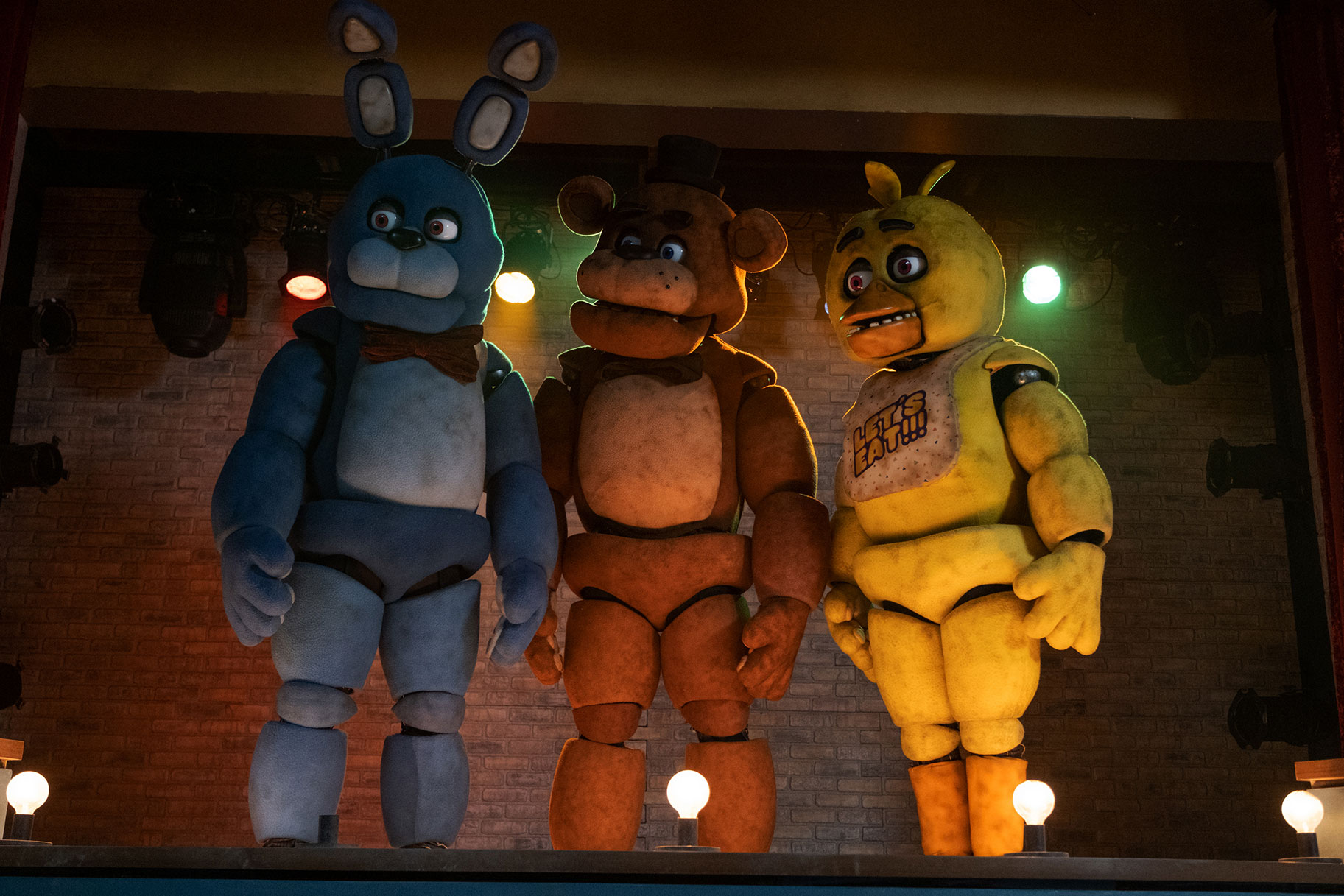
The “T for Teen” rating isn’t arbitrary. It’s a deliberate assessment of the game’s elements, and by dissecting these, we can better understand why FNAF isn’t considered appropriate for younger children.
2.1 Jump Scares and the Thrill of Fear
The most prominent feature of FNAF is its reliance on jump scares. These are sudden, unexpected appearances of the animatronics, often accompanied by a loud sound cue. While effective in creating a thrilling experience for older players, for younger children, these can be genuinely terrifying and may lead to nightmares or anxiety. The constant anticipation of a jump scare, combined with the dark and claustrophobic environments, creates a sustained level of tension that can be overwhelming for those not yet equipped to handle such intense emotional stimuli.
2.2 Thematic Elements: Not Just Monsters
Beyond the immediate scares, FNAF’s narrative often touches upon darker, more mature themes, albeit indirectly. The backstory of the games frequently involves stories of missing children, murder, and the tragic fates of both victims and perpetrators. While these events are not graphically depicted, the underlying implications of child endangerment and death are present. For younger players, these themes can be disturbing and difficult to process. The game’s lore, which has become a massive draw for fans, often delves into complex and somber narratives that require a level of emotional maturity to fully grasp and engage with.
2.3 Visual and Auditory Design: Cultivating Dread
The visual and auditory design of FNAF plays a significant role in its horror. The animatronics, with their worn, broken, and unsettling appearances, are designed to be frightening. The dim lighting, flickering lights, and enclosed spaces contribute to a sense of isolation and vulnerability. The sound design is equally crucial, with creaking doors, mechanical footsteps, and distorted music all working in concert to build an atmosphere of dread. These elements, while masterfully crafted to create a terrifying experience for the intended audience, can be genuinely distressing for children who are more sensitive to frightening imagery and sounds.
Beyond the Game: FNAF’s Broader Appeal and Rating Implications
The rating of FNAF extends beyond just the video games themselves. As the franchise has grown, so has its reach, prompting discussions about how these ratings translate to other media and whether the core audience remains consistent.
3.1 Merchandise and Younger Audiences
The immense popularity of FNAF has led to a vast array of merchandise, from plush toys and action figures to apparel and board games. This merchandise often appeals to a younger demographic, even those who may not be old enough to play the games themselves. Parents may find themselves purchasing FNAF-themed items for children who are fans of the characters, even if they haven’t experienced the horror firsthand. This creates a disconnect where the brand is accessible to younger audiences, but the core experience is not. It highlights the importance of parents being aware of the actual content of the games, even when interacting with the franchise through less intense media.
3.2 The FNAF Movie: A Cinematic Interpretation
The release of the “Five Nights at Freddy’s” movie has brought the franchise to an even wider audience, including those who may not be gamers. The film’s rating is also a critical consideration. Generally, movies are rated based on similar factors to video games: violence, language, thematic elements, and crude humor. The film, like the games, aims to capture the horror and suspense. While specific ratings can vary by region, it’s expected that the film will also be geared towards a teenage audience, reflecting the source material’s inherent tone. This means parents will again need to assess if the cinematic experience is appropriate for their children, even if they are younger than the typical gamer.

3.3 The Role of Digital Security and Responsible Engagement
While the core question is about age ratings, it’s worth noting the broader context of digital security and responsible engagement, especially for younger players. For those who are within the recommended age range for FNAF, it’s important to promote healthy gaming habits. This includes understanding that the fear is part of the experience, knowing when to take breaks, and having open conversations with parents about any anxieties or discomfort they might experience. For parents of younger children who are exposed to FNAF through merchandise or peer discussions, understanding the game’s content is paramount to initiating conversations about why certain media might not be suitable for them, fostering a sense of media literacy and critical thinking.
In conclusion, “what is FNAF rated?” is a question with a clear answer: T for Teen (13+) by the ESRB and generally PEGI 12 in Europe. This rating is a direct consequence of the franchise’s reliance on intense jump scares, psychologically unsettling themes, and a pervasive atmosphere of dread. While the appeal of FNAF has expanded through merchandise and film, the core experience remains rooted in horror, making it a series best suited for those who have reached a certain level of emotional maturity to navigate its frightening world. Understanding these ratings and the content that informs them is crucial for making informed decisions about engaging with the “Five Nights at Freddy’s” franchise, ensuring both enjoyment and responsible consumption of its unique brand of horror.
aViewFromTheCave is a participant in the Amazon Services LLC Associates Program, an affiliate advertising program designed to provide a means for sites to earn advertising fees by advertising and linking to Amazon.com. Amazon, the Amazon logo, AmazonSupply, and the AmazonSupply logo are trademarks of Amazon.com, Inc. or its affiliates. As an Amazon Associate we earn affiliate commissions from qualifying purchases.