
Florida’s hurricane season is officially defined by meteorology, running from June 1st to November 30th each year. However, for residents and businesses across the Sunshine State, this period carries a weight far beyond mere calendrical dates. It represents a critical six-month window demanding meticulous financial planning, risk assessment, and strategic asset protection. Understanding “what Florida’s hurricane season is” from a monetary perspective means delving into the costs of preparation, the nuances of insurance, the economic impact on local businesses, and the long-term financial recovery strategies essential for resilience in a state inherently exposed to tropical weather systems.
The Calendar and Its Financial Implications
The cyclical nature of hurricane season necessitates a proactive financial approach, where foresight directly translates into monetary savings and reduced post-disaster stress.
Understanding the Official Season and Peak Activity
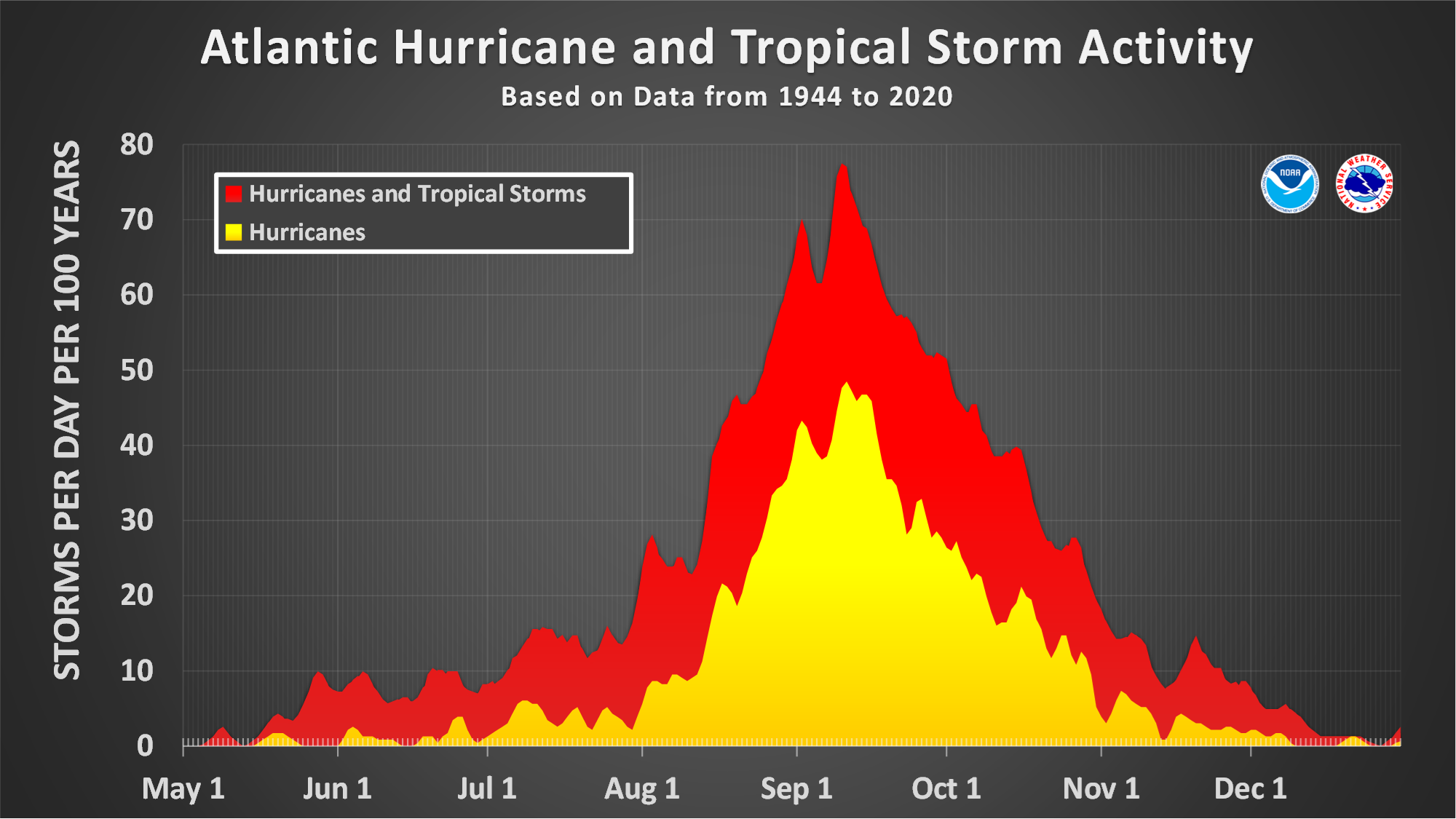
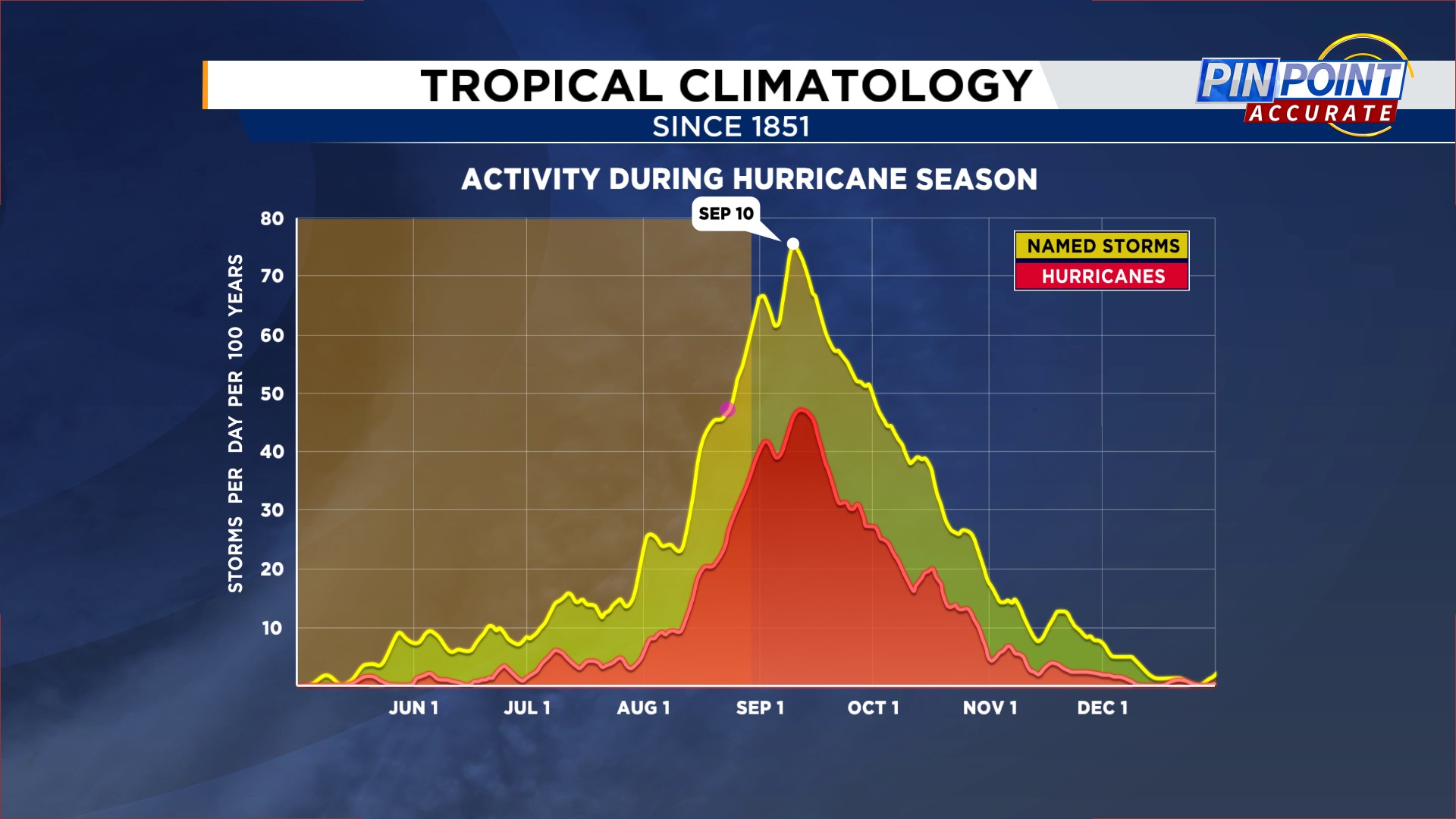
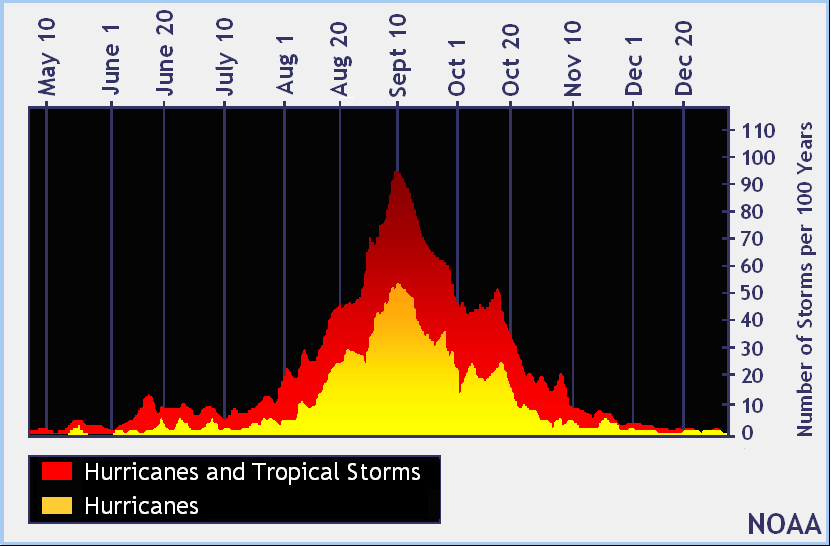
From June to November, Florida enters a heightened state of alert, with peak hurricane activity typically occurring between mid-August and late October. This timeline isn’t just for weather watchers; it’s a financial planning calendar. Smart financial management dictates that budgeting for preparedness should commence well before June 1st, allowing for the procurement of supplies, home reinforcements, and thorough insurance reviews without the urgency and potential price surges that accompany an approaching storm. For businesses, understanding these peak periods influences inventory management, staffing levels, and the timing of critical investments in disaster readiness. The cost of operations during a potential threat, from employee safety protocols to temporary closures, becomes a calculable risk that prudent financial planning seeks to mitigate.
The Cost of Procrastination: Why Early Preparation Saves Money
Delaying hurricane preparations often leads to significantly higher costs. Waiting until a storm is imminent means facing increased demand for essential supplies like batteries, water, non-perishable food, and plywood, which often results in price gouging or outright shortages. Contractors for services like tree trimming or roof inspections charge premium rates during peak season or an immediate threat. Furthermore, reviewing and updating insurance policies at the last minute can be impossible; most insurers impose moratoriums on issuing new policies or making significant changes once a storm is named and threatens the region. The financial implications extend to travel: emergency evacuation costs, including fuel, accommodation, and last-minute flights, skyrocket. Proactive measures, such as installing hurricane-rated windows or shutters in the off-season, not only potentially reduce insurance premiums but are also significantly cheaper than emergency repairs or reconstruction after damage occurs. The investment in early, measured preparation is a financial shield against the unpredictable, often exorbitant expenses of reactive crisis management.
Protecting Your Assets: Insurance and Emergency Funds
At the heart of financial preparedness for hurricane season lies the comprehensive protection of both tangible assets and liquid capital. This two-pronged approach ensures that recovery is feasible, not catastrophic.
Navigating Homeowners and Flood Insurance Policies
A common misconception in Florida is that standard homeowners insurance covers all hurricane-related damages. While most policies include coverage for wind damage, they explicitly exclude flood damage. This critical distinction necessitates a separate flood insurance policy, available through the National Flood Insurance Program (NFIP) or private insurers. Understanding your policy specifics is paramount:
- Deductibles: Hurricane deductibles are often separate from standard deductibles and are typically expressed as a percentage (e.g., 2% or 5%) of your home’s insured value, not a flat dollar amount. This can mean a substantial out-of-pocket expense before coverage kicks in.
- Coverage Limits: Assess if your policy’s dwelling coverage accurately reflects the current rebuilding cost of your home, and ensure personal property limits are adequate for your belongings.
- Exclusions: Be aware of what your policy doesn’t cover, such as damage from mold (unless directly related to a covered peril and promptly addressed) or certain types of water damage.
Annual policy reviews are not just recommended, they are a financial imperative. They allow homeowners to adjust coverage, address potential gaps, and understand the financial implications of a claim before disaster strikes, preventing the devastating financial blow of being underinsured.
Building a Robust Emergency Fund for Disaster Readiness
While insurance handles major repairs, an emergency fund provides immediate liquidity for the myriad of expenses that arise before, during, and immediately after a storm. This fund should ideally cover 3-6 months of living expenses under normal circumstances, but for hurricane preparedness, it should also include specific allocations for:
- Evacuation Costs: Fuel, temporary housing, food, and pet care.
- Immediate Post-Storm Needs: Supplies not covered by insurance, minor repairs, generators, or cash for areas where electronic payments are unavailable.
- Insurance Deductibles: Having your hurricane deductible readily accessible prevents financial distress when filing a claim.
Access to liquid cash or readily transferable funds is crucial, especially during power outages or banking disruptions. An adequately funded emergency reserve not only mitigates immediate financial strain but also provides the psychological comfort to make clear-headed decisions in a chaotic environment, preventing reliance on high-interest credit cards or predatory loans during recovery.
Business Finance in the Eye of the Storm
For Florida’s diverse business landscape, hurricane season presents a unique set of financial challenges, from direct operational losses to broader economic ripple effects. Strategic financial planning is paramount to ensuring continuity and swift recovery.
Economic Impact and Supply Chain Resilience
The financial repercussions of a hurricane extend far beyond damaged storefronts. Regionally, hurricanes can devastate tourism, agriculture, and local commerce, leading to significant revenue losses and job displacement. For individual businesses, the impacts include:
- Inventory Damage: Costly losses for goods, raw materials, or finished products.
- Property Damage: Repairs to physical structures and equipment.
- Loss of Sales/Revenue: Due to forced closures, power outages, and reduced consumer activity.
- Supply Chain Disruptions: Delays or complete cessation of critical inputs, impacting production and delivery.
Businesses must conduct thorough financial risk assessments, considering the potential for these losses. Investing in supply chain resilience—such as diversifying suppliers, maintaining safety stock, or even pre-arranging alternative logistics—can be a significant upfront cost but offers invaluable financial protection against operational paralysis. The ability to quickly resume operations is not just about rebuilding, it’s about retaining market share, customer loyalty, and ultimately, financial viability.
Disaster Recovery Loans and Business Interruption Insurance
Crucial financial tools exist to help businesses navigate the aftermath of a hurricane. The U.S. Small Business Administration (SBA) offers low-interest, long-term disaster loans for businesses of all sizes, non-profit organizations, homeowners, and renters to cover property damage and economic injury. However, a cornerstone of financial protection for businesses is Business Interruption (BI) Insurance. This specialized policy covers:
- Lost Profits: Reimbursing the net income that would have been earned had the disaster not occurred.
- Fixed Costs: Covering ongoing expenses like rent, utilities, and employee salaries during the interruption period.
- Extra Expenses: Costs incurred to minimize the shutdown period, such as relocating to a temporary site.
Understanding the terms of BI insurance is critical, including waiting periods before coverage begins, maximum recovery periods, and exclusions. Meticulous record-keeping of financial statements, inventory, and operational costs is essential to substantiate claims effectively. Without comprehensive BI coverage and a clear understanding of available recovery loans, businesses risk prolonged financial distress or even permanent closure following a major storm event.
Smart Financial Tools and Strategies for Hurricane Preparedness
In the digital age, leveraging technology and adhering to sound financial strategies can significantly streamline hurricane preparedness and recovery, transforming a potentially overwhelming experience into a manageable process.
Leveraging Technology for Financial Planning and Record Keeping
Modern financial tools offer robust solutions for pre-storm organization and post-storm recovery. Cloud-based storage is indispensable for safeguarding vital financial and personal documents. Digitizing insurance policies, deeds, loan documents, banking statements, tax records, and a home inventory with photos or videos ensures access even if physical copies are lost or damaged.
- Budgeting Apps: Can help allocate specific funds for hurricane preparation, tracking expenses for supplies, home improvements, and emergency fund contributions.
- Online Banking & Payment Platforms: Provide critical access to funds and the ability to manage finances remotely, which is invaluable during power outages or if physical bank branches are inaccessible.
- Investment Tracking Tools: While not directly for hurricane prep, understanding how your investment portfolio might be affected by regional economic disruptions (e.g., impact on local real estate, tourism-dependent stocks) allows for proactive rebalancing if desired.
Using these tools fosters a proactive, organized financial posture, reducing the stress and potential errors associated with manual record-keeping during a crisis.
Post-Storm Financial Recovery: Navigating Claims and Assistance
The immediate aftermath of a hurricane demands a systematic financial recovery strategy.
- Document Everything: Immediately photograph and video all damage before any cleanup or repairs begin. This visual evidence is crucial for insurance claims.
- Contact Insurers Promptly: File claims as soon as it’s safe to do so. Be prepared to provide policy numbers and detailed descriptions of damage. Maintain a meticulous log of all communications with your insurer.
- Understand Federal Assistance: While FEMA (Federal Emergency Management Agency) aid is not a substitute for insurance, it can provide grants for temporary housing and essential home repairs not covered by insurance, or low-interest loans from the SBA for uninsured or underinsured losses. Know the distinction and eligibility criteria.
- Avoid Scams: Be wary of opportunistic contractors demanding large upfront payments or promising quick fixes that may be substandard. Verify licenses and insurance, and get multiple written estimates.
- Budget for Recovery: Even with insurance payouts, rebuilding can be a complex financial undertaking. Create a detailed budget for repairs, potential deductibles, and temporary living expenses. Consider engaging a public adjuster if you feel your claim is being unfairly handled, though this also has financial implications.
Florida’s hurricane season is not merely a meteorological phenomenon; it is an annual financial stress test. Proactive financial planning, comprehensive insurance coverage, robust emergency savings, and intelligent use of financial tools are not optional conveniences but essential components for mitigating risk, ensuring stability, and fostering swift recovery for both individuals and businesses across the state.
aViewFromTheCave is a participant in the Amazon Services LLC Associates Program, an affiliate advertising program designed to provide a means for sites to earn advertising fees by advertising and linking to Amazon.com. Amazon, the Amazon logo, AmazonSupply, and the AmazonSupply logo are trademarks of Amazon.com, Inc. or its affiliates. As an Amazon Associate we earn affiliate commissions from qualifying purchases.