
In the rapidly evolving landscape of personal finance, consumers are frequently presented with a dizzying array of borrowing options. From traditional fixed-rate personal loans to high-interest payday products, the spectrum of credit is vast. One term that has gained significant traction in recent years—particularly among those seeking agility in their financial management—is the “flex loan.”
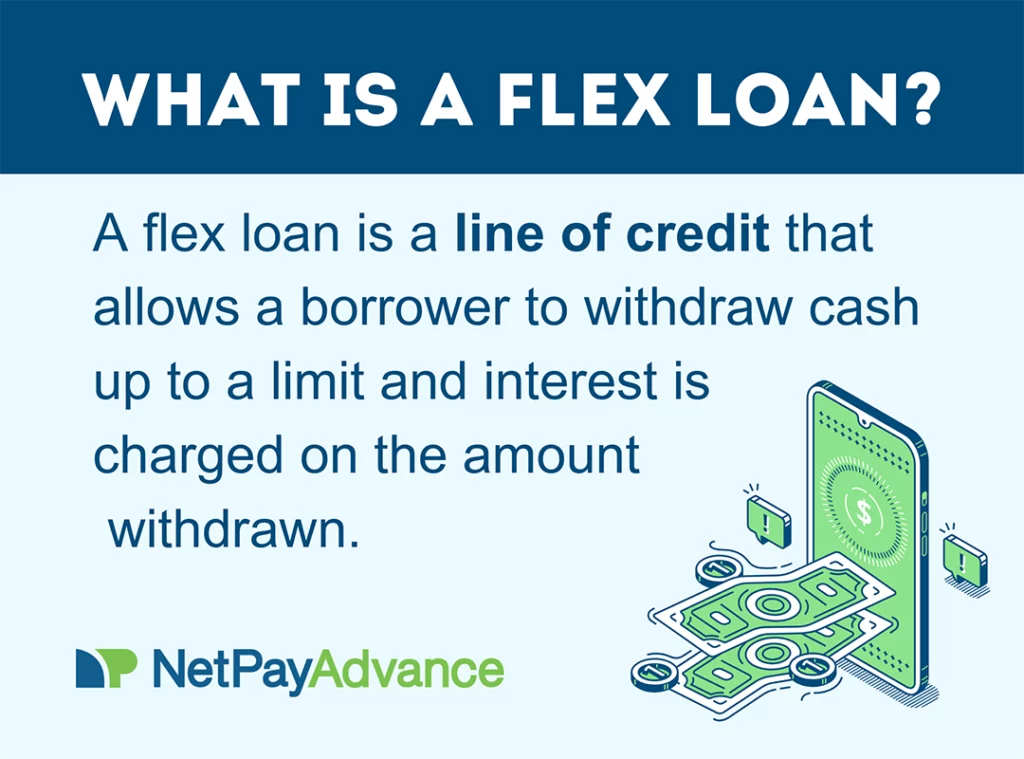
A flex loan is essentially a hybrid financial product that combines the characteristics of a personal line of credit with the accessibility of short-term lending. Unlike a standard installment loan, where you receive a lump sum and pay it back over a fixed period, a flex loan offers a more fluid approach to borrowing. Understanding the mechanics, costs, and strategic applications of this tool is essential for anyone looking to navigate their personal finances with precision.
Understanding the Mechanics of a Flex Loan
To grasp what a flex loan is, one must first understand the concept of revolving credit. Much like a credit card, a flex loan provides the borrower with a pre-approved credit limit. However, the way it is structured and marketed often differentiates it from the plastic in your wallet.
The Concept of an Open-Ended Line of Credit
The defining feature of a flex loan is that it is “open-ended.” When a lender approves you for a flex loan, they establish a maximum borrowing limit based on your creditworthiness and income. You are not required to take the full amount at once. Instead, you can withdraw only what you need, when you need it. As you pay back the principal, that credit becomes available to borrow again. This “revolving” nature is what provides the “flexibility” that gives the loan its name.
How a Flex Loan Differs from Traditional Personal Loans
In a traditional personal loan, the relationship between the lender and borrower is linear: you borrow $5,000, you receive $5,000, and you pay it back in equal monthly installments until the balance reaches zero. Once it’s paid, the account is closed.
A flex loan breaks this linear mold. There is no set “end date” in the traditional sense, provided you remain in good standing. You can carry a balance indefinitely, though it is financially inadvisable to do so. Furthermore, while traditional loans are often used for specific, one-time expenses like home renovations or debt consolidation, flex loans are typically marketed as a safety net for ongoing or unpredictable expenses.
Repayment Structures and Minimum Payments
Repayment for a flex loan usually mirrors the structure of a credit card. Borrowers are required to make a minimum monthly payment, which typically includes a portion of the principal balance plus accrued interest and fees. Some lenders also charge a “customary fee” or a “periodic finance charge” based on the daily balance. Because there is no fixed term, the borrower has the autonomy to pay off the entire balance at any time without prepayment penalties, or to simply pay the minimum and carry the debt forward.
The Financial Pros and Cons of Flex Loans
Every financial instrument is a double-edged sword, and the flex loan is no exception. Its utility depends entirely on the borrower’s discipline and the specific terms of the lending agreement.
Flexibility and Immediate Access to Capital
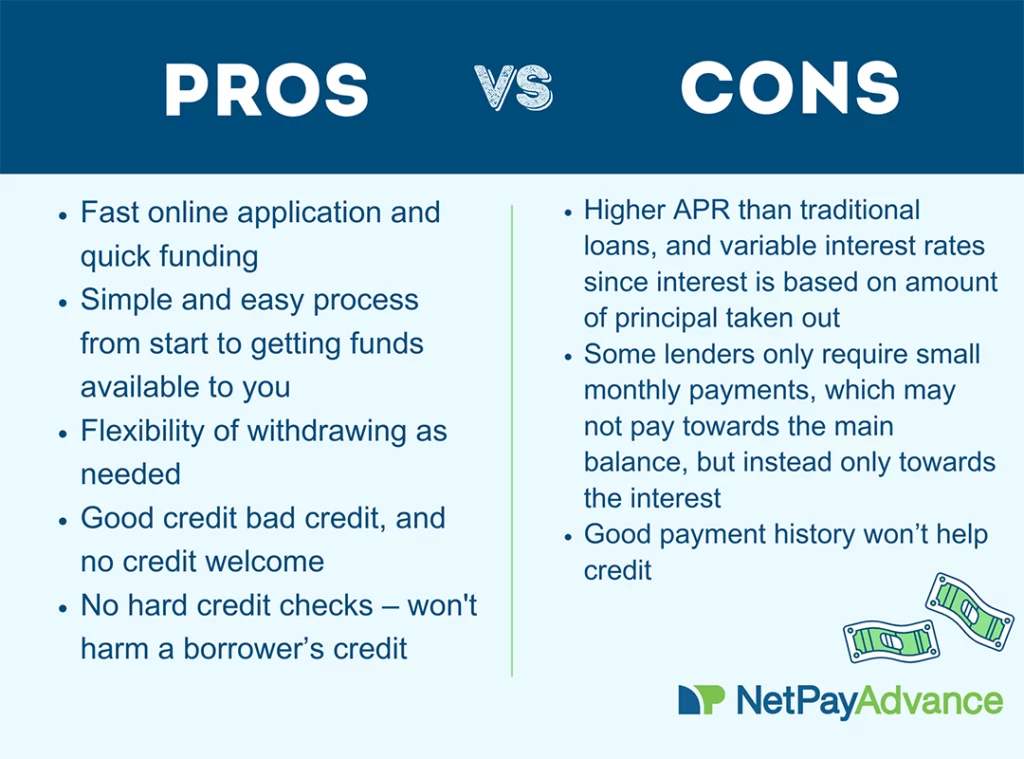
The primary advantage of a flex loan is convenience. Once the line of credit is established, accessing funds is usually instantaneous. In an emergency—such as a medical crisis or an urgent car repair—the ability to transfer funds to a checking account without re-applying for a loan is invaluable. This “apply once, use often” model reduces the administrative burden on the borrower and provides peace of mind.
Interest Rates and High APRs
The most significant drawback of flex loans is their cost. In the hierarchy of interest rates, flex loans occupy a space well above traditional bank loans and often higher than standard credit cards. Because they are frequently offered to individuals with “fair” or “poor” credit scores, lenders offset their risk by charging high Annual Percentage Rates (APRs). In some jurisdictions, the APR on a flex loan can reach triple digits. This makes them an expensive way to borrow money over the long term.
Impact on Credit Scores
Flex loans can affect your credit score in several ways. First, the initial application usually triggers a “hard inquiry,” which may cause a temporary dip in your score. Secondly, because it is a revolving line of credit, your “credit utilization ratio” comes into play. If you maximize your flex loan limit, it could negatively impact your score. Conversely, a history of on-time payments can help build a positive credit profile. It is vital to confirm whether the lender reports to the major credit bureaus (Equifax, Experian, and TransUnion), as not all short-term lenders do.
Comparing Flex Loans with Other Financial Tools
To determine if a flex loan is the right choice, it is helpful to see how it stacks up against more common forms of credit.
Flex Loans vs. Payday Loans
Flex loans are often marketed as a more consumer-friendly alternative to payday loans. A payday loan requires the borrower to pay back the full amount plus a flat fee by their next paycheck, often within 14 days. This often leads to a “debt trap” where the borrower must take out a new loan to pay the old one.
A flex loan mitigates this by allowing for partial payments over time. However, the interest rates can still be comparable to payday loans. While the structure of a flex loan is more manageable, the cost remains high, requiring the same level of caution.
Flex Loans vs. Credit Cards
Both are revolving lines of credit, but they serve different niches. Credit cards are ideal for daily transactions and often come with rewards or 0% introductory APR periods. Flex loans, however, are usually pure cash vehicles. They are easier to obtain for those who might not qualify for a high-limit credit card, and they provide cash directly to a bank account without the “cash advance” fees and higher interest rates typically associated with using a credit card at an ATM.
Exploring Cheaper Alternatives
Before committing to a flex loan, savvy financial planners should look for lower-cost alternatives. These include:
- Credit Union Loans: Often have capped interest rates and more personalized service.
- Personal Installment Loans: If you know exactly how much you need, a fixed-rate installment loan will almost always be cheaper than a flex loan.
- 0% APR Credit Cards: For those with good credit, these offer interest-free borrowing for 12–18 months.
- Emergency Funds: Ideally, a liquid savings account should serve the purpose of a flex loan without the interest costs.
Who Should Consider a Flex Loan?
A flex loan is not a one-size-fits-all solution. It is a niche product designed for specific financial scenarios.
Emergency Funding and Unforeseen Expenses
The ideal use case for a flex loan is as a secondary or tertiary emergency fund. If your primary savings are depleted or tied up in investments, a flex loan provides a buffer. It is best used for “one-off” surprises—a leaking roof or an unexpected flight—rather than as a supplement to a lifestyle that exceeds one’s income.
Managing Variable Income
For freelancers, contractors, or gig economy workers, income can be feast or famine. A flex loan can help “smooth” consumption during lean months. By borrowing a small amount to cover essential bills in a slow month and paying it back in full during a high-income month, a professional can maintain financial stability. However, this requires rigorous budgeting to ensure the debt does not snowball.
The Importance of a Repayment Strategy
One should never open a flex loan without a clear exit strategy. Because there is no fixed term, it is easy to fall into the habit of only paying the minimum. Over time, this results in the borrower paying back many times what they originally borrowed in interest alone. A professional approach to a flex loan involves using it for short-term gaps and aggressively paying down the principal as soon as capital becomes available.
Conclusion: Balancing Convenience and Cost
A flex loan is a powerful financial tool that offers unparalleled convenience and liquidity. It bridges the gap between the rigid structure of traditional loans and the predatory nature of payday lending. By providing an open-ended line of credit, it empowers borrowers to take control of their cash flow and respond to life’s uncertainties with confidence.
However, that empowerment comes at a premium. The high interest rates and the potential for long-term debt cycles mean that flex loans should be handled with extreme care. In the realm of personal finance, information is the best defense. Before signing a flex loan agreement, it is imperative to read the fine print, calculate the total cost of borrowing, and honestly assess your ability to repay the balance quickly. When used strategically and sparingly, a flex loan can be a valuable asset in your financial toolkit; when used recklessly, it can become a significant hurdle to your long-term wealth.
aViewFromTheCave is a participant in the Amazon Services LLC Associates Program, an affiliate advertising program designed to provide a means for sites to earn advertising fees by advertising and linking to Amazon.com. Amazon, the Amazon logo, AmazonSupply, and the AmazonSupply logo are trademarks of Amazon.com, Inc. or its affiliates. As an Amazon Associate we earn affiliate commissions from qualifying purchases.