
Fantasy football has evolved into a sophisticated strategic game, with leagues constantly innovating to offer deeper gameplay and more engaging decision-making. Among these innovations, the concept of the “flex” position has become a cornerstone of modern fantasy football. It’s a seemingly simple addition, but its impact on roster construction, waiver wire strategy, and overall league competitiveness is profound. Understanding the flex position is crucial for any serious fantasy football manager looking to maximize their team’s potential and navigate the complexities of weekly lineup decisions.
The introduction of the flex spot fundamentally altered the traditional fantasy football landscape, which was once dominated by rigid positional requirements. It moved away from the era of simply filling quarterback, running back, wide receiver, and tight end slots. Instead, it introduced a layer of flexibility, allowing managers to deploy an additional player from a wider pool of eligible positions. This shift acknowledges the evolving nature of NFL offenses and defenses, where players can contribute in multiple ways, and provides a more dynamic environment for fantasy competition.

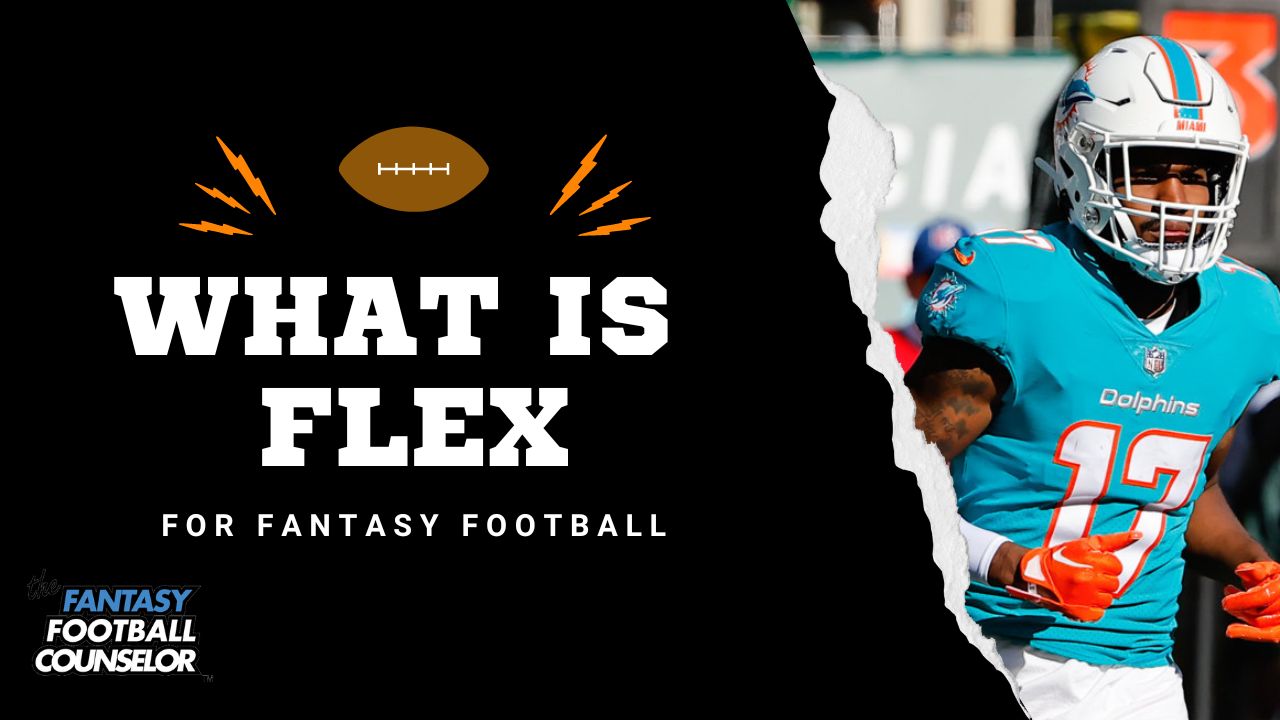
The essence of the flex position lies in its adaptability. It’s a slot on your roster that can be filled by a player designated for a specific, more traditional offensive position, but with added choice. This choice typically extends to players who are either Running Backs (RBs), Wide Receivers (WRs), or Tight Ends (TEs). Some leagues, in their quest for even greater strategic depth, may expand this eligibility to include a second quarterback (though this is rare and generally discouraged for balance reasons) or even defensive players in specific formats. However, the most common iteration of the flex position revolves around the skill positions of RB, WR, and TE.
This flexibility is not just a minor tweak; it’s a paradigm shift. It means a manager who might have a surplus of talented wide receivers, or perhaps a few injury-prone but high-upside running backs, can deploy them in ways that were previously impossible. It creates a more nuanced decision-making process, forcing managers to weigh the potential upside of a third or fourth wide receiver against the floor of a backup tight end, or the boom-or-bust potential of a committee running back. The flex spot transforms the roster from a collection of positional specialists into a more fluid, strategic entity.
The Mechanics and Evolution of the Flex Position
The flex position, in its most common form, represents a strategic expansion beyond the standard starting lineup of a quarterback, two running backs, two wide receivers, and a tight end. It provides an additional starting spot that can be filled by a player from a select group of offensive positions. The exact composition of this eligible player pool is a critical variable that dictates the strategic implications of the flex.
Defining the Eligible Player Pool
The primary defining characteristic of a flex position is the set of player positions that are eligible to fill it. The most ubiquitous setup allows for a Running Back (RB), Wide Receiver (WR), or Tight End (TE) to be placed in the flex slot. This creates a dynamic where managers must constantly evaluate the strengths of their roster across these three positions to determine the optimal starter for their flex. For example, if a team has a particularly strong stable of wide receivers but a slightly weaker group of running backs, they might be inclined to start their fourth-best receiver in the flex over their third-best running back, especially if the receiver has a favorable matchup.
Less common, but increasingly seen in more complex leagues, are variations on this theme. Some leagues might allow for a “Superflex” or “2QB” league, where a second quarterback can be started in the flex position. This dramatically alters player values, as quarterbacks become significantly more scarce and valuable. Other, more niche leagues, might include other offensive positions, or even defensive players, though these are generally less popular due to the potential for imbalance and the dilution of specialized player value. The standard RB/WR/TE flex remains the benchmark for most fantasy football experiences.
The Strategic Implications of Flex
The introduction of the flex position injects a significant layer of strategic depth into fantasy football. It moves the game beyond simply identifying the best players at each position and forces managers to consider the marginal value of players across different positions. This introduces several key strategic considerations:
- Roster Construction: Managers must now think about roster balance differently. Instead of simply drafting the top players at each position, they might prioritize depth at RB and WR, knowing they can leverage these players in the flex. Conversely, a team with a truly elite tight end might feel more comfortable taking a risk on a developmental receiver or a backup running back, knowing their flex can absorb the impact.
- Waiver Wire Strategy: The flex position makes the waiver wire a more dynamic battlefield. A manager might drop a solid but unexciting tight end to pick up a speculative wide receiver with upside or a running back who is a few injuries away from a featured role. The ability to deploy these players as starters immediately changes the calculus of waiver wire pickups.
- Matchup Analysis: Weekly lineup decisions become more complex. A manager might have two borderline RB2s and two borderline WR2s. The decision of who to start in the flex will depend heavily on the perceived matchups for each player. A running back facing a stout run defense might be benched in favor of a wide receiver going against a weak secondary, even if the running back is typically considered the superior player.
- Trade Decisions: The flex position influences trade strategies. A manager looking to upgrade their starting lineup might target a player who offers significant upside for their flex spot, even if they aren’t an immediate upgrade at a traditional starting position. Conversely, teams might be more willing to trade away depth at RB or WR if they have a strong starting lineup and can absorb the loss through their flex.
The evolution of fantasy football has seen the flex position move from a novel concept to an almost essential component of league formats, driving deeper engagement and more strategic decision-making.
Impact on Player Valuation and Drafting
The flex position fundamentally alters how players are valued during the draft and throughout the season. It creates a more fluid player pool, where the “next best player available” can come from a variety of positions, leading to more complex drafting strategies and a higher premium on depth.
Redefining Positional Scarcity
Before the widespread adoption of the flex, positional scarcity was more clearly defined. Running backs and wide receivers were often drafted in distinct tiers, with a noticeable drop-off in talent after the initial waves of elite players. The flex position blurs these lines. Now, a player who might be considered a high-end RB3 or WR3 in a traditional league could be a valuable flex starter. This means that the pool of “startable” players expands considerably.
Consider a scenario where a team has drafted two strong running backs and two strong wide receivers. In a traditional league, their depth at RB and WR might be less critical. However, with a flex, that third or fourth running back or wide receiver suddenly becomes a crucial piece of their starting lineup. This increased demand for players at these positions elevates their overall value. It encourages drafting for depth in these positions earlier than might have been previously necessary. The scarcity isn’t just about elite talent; it’s about identifying players who can consistently produce week-to-week in that flexible starting spot.
The Rise of “Flex-Worthy” Players
The concept of “flex-worthy” players has emerged as a direct consequence of this positional shift. These are players who, while perhaps not elite enough to be locked into a top-tier RB1 or WR1 spot, possess the talent, opportunity, or favorable matchup to be a viable starter in the flex position. Identifying these players is a key differentiator for successful fantasy managers.
During the draft, managers often target players with high upside in the mid-to-late rounds who fit this “flex-worthy” profile. These might be running backs in committees who could seize a larger workload if an injury occurs, or wide receivers on offenses with strong passing games who are currently buried on the depth chart but have big-play potential. The goal is to accumulate as many of these flex-worthy assets as possible, creating a deep pool of options to exploit weekly matchups.
This also impacts the trade market. A manager might offer a solid but unexciting starting tight end for a player with more upside who can be deployed at flex. The perceived value of a player can increase dramatically if they are viewed as a consistent flex option, even if they aren’t a cornerstone starter.
Adapting Draft Strategy for the Flex
Drafting in a league with a flex position requires a nuanced approach. The traditional strategy of prioritizing elite talent at the scarce positions (like QB in some formats, or RB and WR in general) still holds, but the depth consideration becomes paramount.
- Early Rounds: The top RBs and WRs remain highly coveted. However, managers might also look to secure a player with flex upside even in the early rounds, if their positional needs are somewhat met.
- Mid Rounds: This is where “flex-worthy” players become the focus. Managers will likely be targeting players who are projected to be RB2s, WR3s, or TE1s, as these are the players who will most consistently fill the flex role. Building depth here is crucial.
- Late Rounds: The late rounds become an opportunity to take shots on high-upside players who could develop into flex starters. This includes handcuffs to star running backs, receivers in offenses known for high volume, or tight ends with potential to break out.
- Positional Balance: While focusing on RB and WR depth for flex is important, neglecting other positions entirely can be detrimental. A manager needs to ensure they have at least one viable option at QB and TE to avoid being forced to start a zero-upside player in those slots. The flex provides the flexibility to compensate for a less-than-ideal starter at QB or TE if needed, but not to entirely ignore them.
Ultimately, the flex position encourages a more balanced and flexible approach to drafting, where identifying depth and players with multi-positional starting potential is as important as securing elite talent.
The Flex Position and In-Season Management
Beyond the draft, the flex position significantly influences how fantasy managers manage their rosters throughout the season. It amplifies the importance of waiver wire activity, strategic lineup setting, and understanding player matchups on a weekly basis.
The Waiver Wire as a Flex Incubator
The waiver wire transforms from a place to find replacements for injured starters to a crucial arena for acquiring flex-worthy talent. A player who might have been overlooked on draft day can emerge as a valuable flex option due to an increased workload, a change in offensive scheme, or a favorable schedule.
Managers must constantly scan the waiver wire for players who fit the flex criteria. This could be a backup running back who has seen their role expand due to a starter’s injury, a wide receiver who has shown flashes of big-play ability and is moving up the depth chart, or a tight end who is benefiting from a high-volume passing attack. The ability to quickly identify and acquire these players and slot them into the flex position can be a significant advantage over opponents.
Furthermore, the flex position allows managers to be more aggressive in dropping players who are underperforming but still have name value. If a team has a deep bench of flex-capable players, they can afford to cut loose a veteran who isn’t producing to make room for a promising rookie or a player in a suddenly potent offense.
Navigating Weekly Lineup Decisions
The flex position is the epicenter of weekly lineup decisions. It presents a constant strategic puzzle that requires careful consideration of player performance, matchups, and risk tolerance.
- Matchup Analysis: This becomes more critical than ever. A manager might have a middling running back and a middling wide receiver. The decision of who to start in the flex will hinge on the strength of their opponents’ defenses. A running back facing a notoriously stout run defense might be benched in favor of a wide receiver playing against a vulnerable secondary, even if the running back is typically ranked higher.
- Floor vs. Ceiling: Managers must weigh the reliable, consistent production (floor) against the potential for a massive, league-winning performance (ceiling). A player with a high floor might be a safer bet in a conservative lineup, while a player with a high ceiling offers the potential for a significant advantage if they hit. The flex position allows for greater experimentation with these risk-reward calculations.
- Injury Management: The flex position provides crucial depth when injuries strike. If a starting running back or wide receiver is sidelined, a manager can confidently insert another player from their flex-worthy depth, minimizing the impact of the injury. Without a flex, such injuries can be devastating, forcing managers to start players with very little upside.
- Bye Weeks: Bye weeks are also more manageable with a flex. While losing a starting player still hurts, having an extra starting spot allows managers to absorb the loss of a player at RB or WR more effectively by pulling from their flex options.
The flex position demands a proactive approach to in-season management. Managers who are constantly evaluating their rosters, monitoring player news, and understanding league-wide trends are best positioned to leverage this strategic advantage.
The Future and Variations of the Flex Position
The flex position, as a concept, is not static. Fantasy football leagues are continually innovating, and this has led to the exploration of various iterations and expansions of the flex idea, pushing the boundaries of strategic complexity and player valuation.
The Superflex/2QB Revolution
Perhaps the most significant evolution of the flex concept is the widespread adoption of “Superflex” or “2QB” leagues. In these formats, the flex position is designated as a spot where a second quarterback can be started. This drastically alters the landscape of player valuation and drafting strategy.
Quarterbacks, already a crucial position, become immensely valuable. The scarcity of starting-caliber quarterbacks is magnified, leading to early-round runs on QBs and a dramatic increase in their average draft position. Players who might have been considered mid-round targets in traditional leagues become first-round locks in Superflex formats. This also elevates the value of backup quarterbacks who have a chance to see playing time due to injuries. The strategy shifts from simply filling the QB slot to aggressively acquiring and rostering multiple quarterbacks. This format is for the truly dedicated manager who enjoys deep strategic planning and player management.

Other Flex Variations
While Superflex is the most prominent variation, other leagues experiment with different flex configurations to achieve unique strategic outcomes.
- Flex with TE Eligibility: Some leagues expand the flex to include a tight end, even if they already have a dedicated TE starting spot. This offers more flexibility for teams with multiple viable tight ends or those looking to exploit a favorable tight end matchup.
- Flex with Kicker or Defense: While less common and often considered less strategic, some leagues might allow a kicker or even a defense to be placed in the flex position. This is typically seen in more casual leagues or those seeking to reduce the impact of individual player variance, though it can also lead to a more predictable outcome.
- RB/WR/TE/QB Flex: This is essentially the Superflex format, but it explicitly states that any of the four primary offensive positions are eligible. The intention is to provide the maximum possible flexibility.
- “Any Non-QB” Flex: In some niche formats, the flex might be defined as any player except a quarterback, allowing for greater flexibility across RB, WR, TE, and even other offensive positions that might be included in the league’s player pool.
The continued evolution of the flex position reflects the dynamic nature of fantasy football itself. Leagues are constantly seeking ways to enhance player engagement, reward strategic acumen, and create a more compelling competitive environment. As offenses continue to evolve in the NFL, so too will the ways in which fantasy leagues adapt their rules and formats, with the flex position likely remaining at the forefront of these innovations. Understanding these variations is key for any fantasy manager looking to join or excel in a wider array of league types.
aViewFromTheCave is a participant in the Amazon Services LLC Associates Program, an affiliate advertising program designed to provide a means for sites to earn advertising fees by advertising and linking to Amazon.com. Amazon, the Amazon logo, AmazonSupply, and the AmazonSupply logo are trademarks of Amazon.com, Inc. or its affiliates. As an Amazon Associate we earn affiliate commissions from qualifying purchases.