
In the landscape of global beverage retail, few products illustrate the intersection of cultural localization and corporate brand strategy as effectively as the Starbucks Flat White. Introduced to the American market in early 2015, the Flat White was not merely an addition to a menu; it was a calculated move by Starbucks to reposition itself within an increasingly sophisticated coffee market. By analyzing the “what” and the “why” behind the Starbucks Flat White, we uncover a masterclass in brand premiumization, the psychology of consumer perception, and the strategic adaptation of artisanal trends for a global scale.
The Strategic Origin: Translating Artisanal Culture into a Global Brand Asset
The introduction of the Flat White marked a significant departure from Starbucks’ traditional focus on sugary, dessert-like beverages such as the Frappuccino. To understand the brand’s logic, one must look at the competitive landscape of the mid-2010s, where the “Third Wave” of coffee—characterized by artisanal roasting and a focus on the origin of the bean—was beginning to threaten Starbucks’ dominance.
Identifying the Gap in the Premium Coffee Market
Before the Flat White’s global rollout, Starbucks occupied a middle ground between fast-food coffee and elite, boutique espresso bars. However, as consumers became more educated about espresso-to-milk ratios and the nuances of milk texture, the brand faced a “sophistication gap.” Boutique competitors like Blue Bottle and Stumptown were winning over the high-value “coffee purist” demographic. The Flat White was the brand’s response—a drink that signaled a return to espresso-forward craftsmanship. By adopting a beverage with deep roots in the specialist coffee cultures of Australia and New Zealand, Starbucks signaled that it could still compete in the realm of high-end, traditional espresso.
The Australian Influence and Global Localization
Brand localization is often about bringing the “exotic” to the mainstream. The Flat White carried an aura of sophisticated, Antipodean coffee culture. For the North American consumer, the drink felt new and “authentic,” yet it was served within the familiar, safe environment of a Starbucks store. This strategy allowed Starbucks to capitalize on the “halo effect” of Australian coffee culture, borrowing its credibility to bolster its own brand identity. It was a move designed to prove that a massive corporation could still deliver a product that felt curated and specialized.
Product Premiumization: How the Flat White Redefined the Starbucks Value Proposition
In marketing, “premiumization” is the process of making a brand or product more appealing to consumers by emphasizing its superior quality and exclusivity. The Starbucks Flat White is a quintessential example of how technical product specifications can be leveraged to create a premium brand narrative.
The Ristretto Shot as a Signature Quality Marker
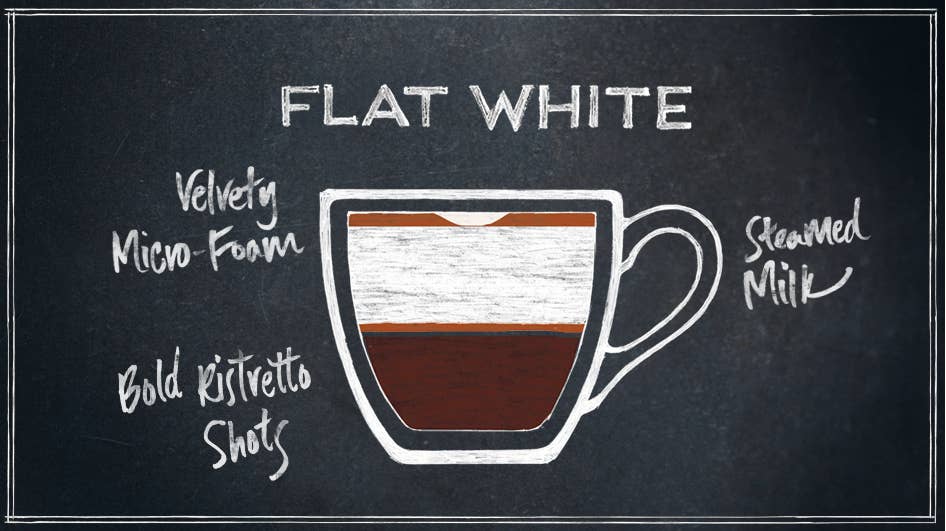
A key differentiator in the Starbucks Flat White is the use of ristretto shots rather than standard espresso shots. From a brand perspective, the word “ristretto” (Italian for “restricted”) acts as a linguistic tool for premiumization. By using less water to pull a more concentrated, sweeter, and more intense shot of coffee, Starbucks created a product that tasted fundamentally different from its standard latte. This technical nuance allowed the brand to charge a premium price and market the drink as a “bolder” and “more sophisticated” option. It shifted the focus from the quantity of the beverage to the quality of the extraction, aligning the brand with artisanal standards.
Micro-foam Engineering: Scaling Craftsmanship
The “flat” in Flat White refers to the texture of the milk. Unlike the airy, voluminous foam of a cappuccino, the Flat White requires “micro-foam”—milk steamed to a velvety, liquid-silk consistency. For Starbucks, the challenge was operational: how to produce a handcrafted, micro-foam texture across tens of thousands of locations using automated or semi-automated machinery. The brand invested heavily in barista training and equipment calibration to ensure that the Flat White remained consistent. This emphasis on “the pour” transformed a routine service act into a visual demonstration of brand expertise. It wasn’t just coffee; it was a display of “barista craft,” a core pillar of the Starbucks brand identity.

Visual Identity and Minimalist Marketing: The Power of the “White Dot”
A brand is not just what you taste; it is what you see. The Starbucks Flat White introduced a distinct visual language that separated it from the rest of the menu. While other drinks were buried under whipped cream and caramel drizzle, the Flat White was celebrated for its minimalism.
Iconography in a Paper Cup
The signature visual of the Starbucks Flat White is the single dot of white micro-foam in the center of the dark espresso crema. This “white dot” became an unofficial logo for the drink. In social media marketing and brand photography, this minimalist aesthetic appealed to a more “mature” and design-conscious consumer. It signaled a “less is more” philosophy that resonated with the burgeoning minimalist lifestyle trends of the 2010s. By creating a drink that was visually recognizable even without a green mermaid logo on the cup, Starbucks successfully created a sub-brand with its own unique visual equity.
Cultivating the “Connoisseur” Consumer Persona
The marketing campaigns surrounding the Flat White were notably different from the vibrant, high-energy ads used for seasonal offerings like the Pumpkin Spice Latte. The Flat White imagery was often moody, understated, and focused on the dark richness of the coffee beans and the pouring of the milk. This was a deliberate attempt to cultivate a “connoisseur” persona. By drinking a Flat White, the consumer was signaling their own refined taste. They were no longer just a “Starbucks drinker”; they were an “espresso enthusiast.” This psychological shift is vital for brand loyalty, as it connects the product to the consumer’s personal identity and status.
Competitive Strategy: Defending the Brand Against Third-Wave Competitors
The long-term success of the Flat White is a testament to Starbucks’ ability to defend its market share against smaller, more agile competitors. In the world of brand strategy, this is often referred to as “encirclement”—where a market leader adopts the best features of its competitors to neutralize their advantage.
Reclaiming the Artisanal Narrative
By the time the Flat White became a staple, many consumers were beginning to view Starbucks as a “fast-food” coffee chain. The Flat White helped pivot that narrative. It served as a bridge between the convenience of a global chain and the perceived quality of a local roastery. This “best of both worlds” positioning allowed Starbucks to retain customers who might have otherwise drifted toward boutique brands. It proved that Starbucks could do “serious” coffee, effectively reclaiming its heritage as a brand born out of a passion for espresso in Seattle’s Pike Place Market.
Price Elasticity and Premium Tiering
From a financial brand management perspective, the Flat White allowed Starbucks to test the limits of price elasticity. Because the drink was marketed as a premium, handcrafted item requiring more skill and better ingredients (ristretto shots and whole milk by default), consumers were willing to pay a higher price for a smaller volume compared to a standard latte. This “upselling” strategy increased the average transaction value. It also established a “premium tier” within the core menu, providing a template for future high-margin launches like the “Reserve” line and Cold Brew variants.

Conclusion: The Lasting Legacy of the Flat White Brand Strategy
The Starbucks Flat White is much more than a recipe of espresso and steamed milk; it is a sophisticated branding tool that solved a specific corporate challenge. It allowed a global giant to speak the language of the artisanal movement, recaptured the attention of the coffee purist, and reinforced the brand’s authority in the espresso category.
Through the strategic use of ristretto shots, the engineering of micro-foam, and a minimalist visual identity, Starbucks didn’t just add a drink to its menu—it evolved its brand. The Flat White remains a core component of the Starbucks identity because it perfectly balances the company’s dual nature: the efficiency of a global powerhouse and the soul of a neighborhood coffee shop. For brand strategists and marketers, the lesson of the Flat White is clear: to maintain market leadership, one must be willing to learn from the niche, adapt to changing consumer values, and never stop refining the “craft” that sits at the heart of the brand.
aViewFromTheCave is a participant in the Amazon Services LLC Associates Program, an affiliate advertising program designed to provide a means for sites to earn advertising fees by advertising and linking to Amazon.com. Amazon, the Amazon logo, AmazonSupply, and the AmazonSupply logo are trademarks of Amazon.com, Inc. or its affiliates. As an Amazon Associate we earn affiliate commissions from qualifying purchases.