
The First Amendment to the United States Constitution is a cornerstone of American democracy, safeguarding fundamental freedoms that underpin a free and open society. It is one of the most influential and widely discussed amendments, touching upon principles of expression, belief, and association that are vital for individual liberty and the functioning of a healthy republic. While its wording is concise, its implications are vast and continue to be interpreted and debated in the context of evolving societal norms and technological advancements.
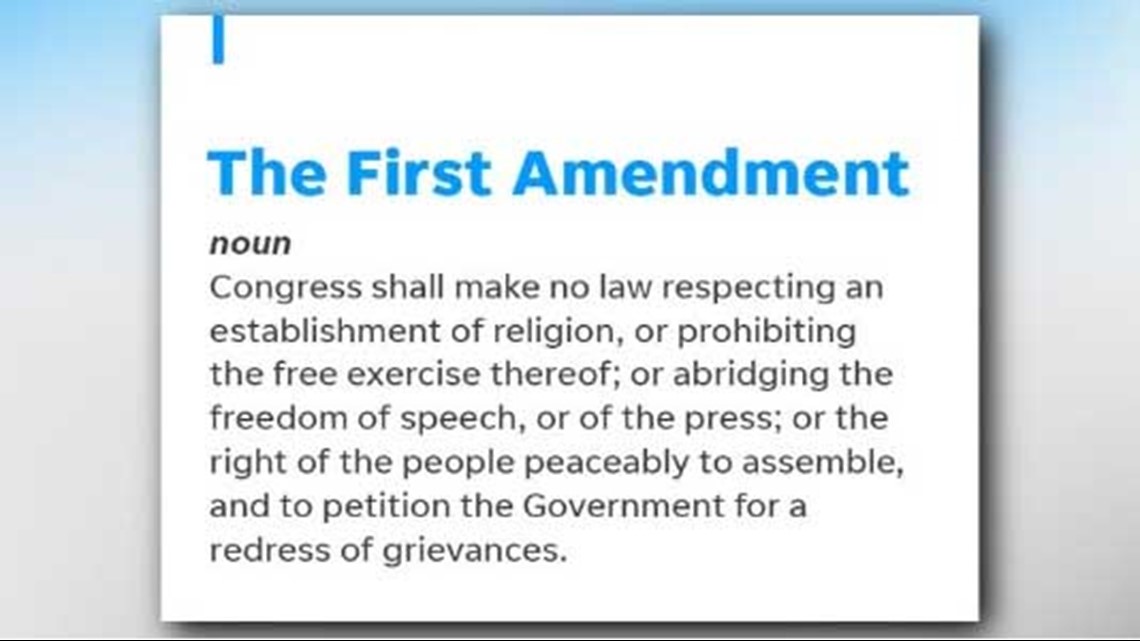
At its core, the First Amendment protects five distinct but interconnected freedoms: freedom of religion (both in establishment and free exercise), freedom of speech, freedom of the press, the right to peaceably assemble, and the right to petition the government for a redress of grievances. These protections are not absolute and have been the subject of numerous legal challenges and landmark court decisions, shaping our understanding of what constitutes permissible speech and action in a democratic society.

Understanding the Freedoms Guaranteed by the First Amendment
The First Amendment’s power lies in its ability to act as a bulwark against government overreach, ensuring that individuals can express themselves, hold their own beliefs, and engage with their communities without fear of reprisal. This foundational protection is crucial for a society that values dissent, innovation, and the free exchange of ideas.
Freedom of Religion: A Dual Protection
The religion clauses of the First Amendment are unique in that they offer a dual protection. Firstly, they establish the “Establishment Clause,” which prohibits the government from establishing a religion. This means that the government cannot endorse, favor, or support any particular religion over others, nor can it create a state-sponsored religion. The intent is to ensure a separation between church and state, allowing individuals to practice their faith (or no faith) without government interference or coercion.
Secondly, the amendment protects the “Free Exercise Clause.” This clause guarantees individuals the right to practice their religion freely, without undue government interference. This encompasses not only the internal beliefs of individuals but also their outward practices and rituals, as long as those practices do not infringe upon the rights or safety of others. The interpretation of this clause has been complex, with courts often balancing religious freedom against compelling government interests. For instance, while individuals have the right to practice their faith, this right is not absolute and can be limited if it poses a clear and present danger to public health, safety, or order.
Freedom of Speech: The Lifeblood of Democracy
Freedom of speech is arguably the most frequently invoked and debated aspect of the First Amendment. It protects the right of individuals to express their opinions and ideas without fear of government censorship or punishment. This protection extends to a wide range of expression, including spoken words, written text, artistic creations, and symbolic actions.
The Scope and Limitations of Free Speech
The Supreme Court has consistently held that freedom of speech is a cherished right, but it is not without its limitations. Certain categories of speech are not protected by the First Amendment, or receive less protection. These typically include:
- Incitement to violence: Speech that is likely to incite imminent lawless action is not protected.
- Defamation: False statements of fact that harm someone’s reputation can lead to civil liability. This includes libel (written defamation) and slander (spoken defamation).
- Obscenity: While the definition of obscenity is difficult to pin down and has evolved, speech deemed obscene is not protected.
- Fighting words: Words that are likely to provoke an immediate violent reaction from the person to whom they are addressed are not protected.
- Perjury: Lying under oath in a legal proceeding.
- Copyright infringement: Unauthorized use of copyrighted material.
- True threats: Statements that communicate a serious expression of intent to commit an unlawful act of violence against a particular individual or group.
Beyond these narrowly defined categories, the government generally cannot prohibit speech based on its content. However, the government can impose reasonable time, place, and manner restrictions on speech. These restrictions must be content-neutral, narrowly tailored to serve a significant government interest, and leave open ample alternative channels for communication. For example, a city can require a permit for a large political rally to manage traffic and ensure public safety, but it cannot deny the permit simply because it dislikes the message of the rally.
In the digital age, the interpretation of free speech has become increasingly complex. Social media platforms, online forums, and other digital spaces raise new questions about who has the authority to regulate speech. While private platforms are not bound by the First Amendment in the same way the government is, their content moderation policies have significant implications for public discourse. This area remains a subject of ongoing debate and legal scrutiny, particularly as technology continues to shape how we communicate and access information.
Freedom of the Press: An Informed Citizenry
Freedom of the press is inextricably linked to freedom of speech. It protects the right of journalists and media organizations to publish and disseminate information and opinions without government censorship. This freedom is considered vital for a functioning democracy, as it allows for the free flow of information, investigative journalism, and the holding of power to account.
The Role of the Press in Society
A free press acts as a watchdog, informing the public about the actions of government officials and other powerful entities. It provides a platform for diverse viewpoints and facilitates public debate on important issues. Without a free press, citizens would be more susceptible to misinformation and propaganda, and their ability to make informed decisions would be severely compromised.
The Supreme Court has recognized the importance of a free press and has afforded it strong protections. This includes the right to publish truthful information about matters of public concern, even if that information is critical of the government. While the press, like individuals, is not immune from laws regarding defamation and other harms, the bar for punishing the press for publishing truthful information is very high. This principle is often referred to as the “press freedom” doctrine.
In the digital realm, the concept of “press” has broadened to include online news outlets, bloggers, and citizen journalists. The challenges now lie in discerning credible sources from unreliable ones in a landscape flooded with information. The ethical responsibilities of those who publish online, akin to traditional journalists, are increasingly under discussion.
The Rights to Assemble and Petition: Collective Action and Voice
The First Amendment also guarantees the right of individuals to peaceably assemble and to petition the government for a redress of grievances. These rights empower citizens to organize, express their collective will, and engage directly with their elected officials.
Peaceable Assembly and the Power of Collective Voice
The right to assemble protects the ability of people to gather together for a common purpose, whether it be to protest, to advocate for a cause, or to express solidarity. This right is crucial for social movements and for citizens to demonstrate their support or opposition to government policies. However, like freedom of speech, this right is qualified by the requirement that the assembly be “peaceable.” Violence or unlawful conduct during a gathering can lead to the loss of First Amendment protections for those involved.

Petitioning the Government: A Direct Line to Power
The right to petition the government is a vital mechanism for citizens to communicate their concerns and to seek changes in laws or policies. This can take various forms, including writing letters to elected officials, lobbying, signing petitions, and bringing lawsuits. It ensures that the government remains responsive to the needs and desires of its constituents. This right is fundamental to the concept of representative democracy, allowing for a direct channel of communication between the governed and those who govern.
In conclusion, the First Amendment is a dynamic and essential part of the U.S. Constitution. Its protections for religion, speech, press, assembly, and petition are fundamental to the liberties enjoyed by Americans. As society and technology evolve, the interpretation and application of these protections continue to be a subject of vital importance, shaping the landscape of individual freedom and the very nature of democratic discourse. The ongoing dialogue surrounding the First Amendment underscores its enduring significance in safeguarding the foundational principles of a free society.
aViewFromTheCave is a participant in the Amazon Services LLC Associates Program, an affiliate advertising program designed to provide a means for sites to earn advertising fees by advertising and linking to Amazon.com. Amazon, the Amazon logo, AmazonSupply, and the AmazonSupply logo are trademarks of Amazon.com, Inc. or its affiliates. As an Amazon Associate we earn affiliate commissions from qualifying purchases.