
Financial compensation is the cornerstone of the professional relationship between an employer and an employee. In its simplest form, it is the total amount of monetary and non-monetary value provided to an individual in exchange for their time, labor, and expertise. However, in the modern economic landscape, financial compensation has evolved far beyond the traditional weekly paycheck. For employees, understanding the nuances of compensation is essential for building long-term wealth and ensuring fair market value for their skills. For businesses, a well-structured compensation strategy is a critical tool for attracting top-tier talent and maintaining a competitive edge in a globalized market.

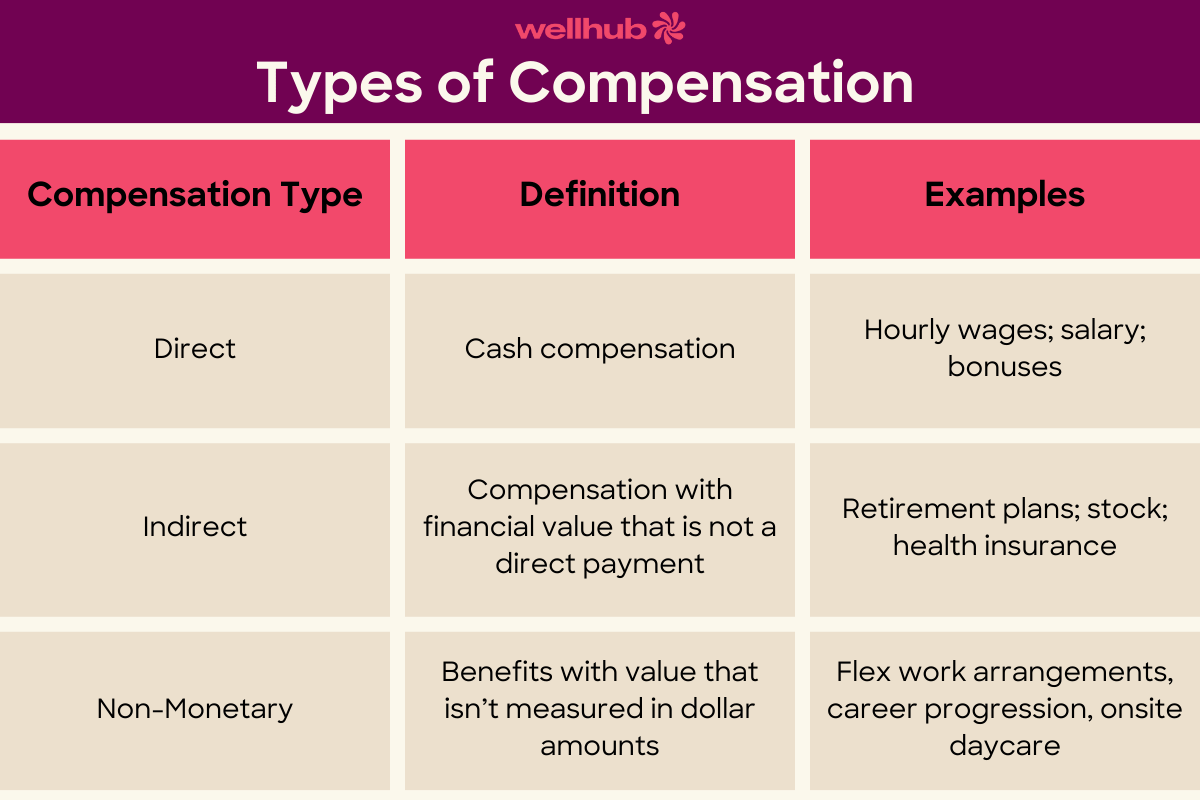
To truly grasp the concept of financial compensation, one must look past the “base salary” and examine the “total rewards” package. This includes direct pay, indirect benefits, equity, and performance-based incentives that collectively define an individual’s economic worth within an organization.
The Core Components of Direct Compensation
Direct compensation refers to the liquid financial payments made to an employee. This is the most visible part of any job offer and typically forms the foundation of an individual’s personal budget and financial planning.
Base Salary and Hourly Wages
The most fundamental element of direct compensation is the base salary or hourly wage. A base salary is a fixed amount of money paid over a specific period, usually monthly or bi-weekly, regardless of the number of hours worked (provided the job requirements are met). Hourly wages, conversely, are tied directly to time spent on the clock. For most professionals, the base salary is the primary metric used to compare job offers, but it is rarely the whole story. It serves as the baseline upon which other financial incentives, such as bonuses and raises, are calculated.
Commissions and Performance-Based Pay
In many industries—particularly sales, real estate, and finance—commissions represent a significant portion of financial compensation. Commissions are payments based on a percentage of the revenue or profit generated by the employee. This structure aligns the employee’s financial interests directly with the company’s bottom line. Beyond commissions, performance-based pay can include “piece-rate” pay, where workers are paid for each unit produced, or “merit increases,” which are permanent raises added to the base salary following a positive performance review.
Bonuses and Variable Incentives
Variable pay includes one-time payments that are not guaranteed as part of the base salary. Sign-on bonuses are used to entice talent during the hiring phase, while annual or quarterly performance bonuses are distributed based on the achievement of specific corporate or individual KPIs (Key Performance Indicators). Profit-sharing is another form of variable compensation where a portion of the company’s quarterly or annual profits is distributed among employees, fostering a sense of collective ownership and motivation.
Indirect Compensation: The Value of Benefits and Perks
While direct compensation puts cash in your bank account, indirect compensation—often referred to as “fringe benefits”—provides value by covering expenses that the employee would otherwise have to pay for out-of-pocket. In many high-level corporate roles, indirect compensation can account for 30% to 40% of the total value of the package.
Health, Life, and Disability Insurance
Perhaps the most critical form of indirect compensation in the modern economy is the insurance package. Comprehensive health, dental, and vision insurance represent a massive financial shield for employees. When an employer subsidizes these premiums, they are effectively increasing the employee’s net worth by protecting them from catastrophic costs. Life insurance and short- and long-term disability insurance also provide a financial safety net, ensuring that the employee or their family is compensated in the event of illness or tragedy.
Retirement Contributions and Wealth Building
Financial compensation is not just about the money you spend today; it is also about the money you save for the future. Retirement benefits, such as 401(k) matching programs in the United States or pension schemes in other regions, are powerful wealth-building tools. When an employer “matches” a percentage of an employee’s retirement contribution, they are providing a 100% return on investment for those specific dollars. Over a 30-year career, these employer contributions, compounded by market growth, can represent hundreds of thousands of dollars in total financial compensation.
Paid Time Off and Work-Life Flexibility
While not always viewed as “money,” Paid Time Off (PTO), sick leave, and parental leave have a direct financial value. They represent hours where the employee is being paid without providing labor. Furthermore, the rise of remote and hybrid work models has introduced a new dimension to compensation. The ability to work from home saves employees significant amounts of money on commuting, professional wardrobes, and daily meals—essentially acting as a “stealth raise” by reducing the cost of living.
Equity Compensation: Owning a Piece of the Business

In the technology and startup sectors, equity has become one of the most lucrative forms of financial compensation. Equity allows employees to share in the long-term capital appreciation of the company, effectively turning employees into shareholders.
Stock Options
Stock options give an employee the right to purchase a specific number of shares in the company at a predetermined price (the “strike price”) after a certain period of time (the “vesting period”). If the company’s stock price rises above the strike price, the employee can “exercise” their options, buy the shares at the discount, and sell them at the market rate for a profit. This form of compensation is highly speculative but can lead to transformative wealth if the company experiences significant growth or goes public.
Restricted Stock Units (RSUs)
Unlike stock options, which must be purchased, Restricted Stock Units (RSUs) are a promise to give the employee shares of stock at a future date, provided they remain with the company. Once they vest, RSUs are treated as income and are worth the current market value of the stock. RSUs are often preferred in established public companies because they have inherent value even if the stock price does not rise dramatically, whereas stock options can become “underwater” if the market price falls below the strike price.
Employee Stock Purchase Plans (ESPP)
An ESPP is a program that allows employees to use after-tax payroll deductions to purchase company stock at a discount—usually between 5% and 15% off the market price. This provides an immediate “gain” on the investment, making it a highly effective tool for diversifying one’s personal investment portfolio using company-provided incentives.
The Strategic Importance of Compensation for Business
From a business finance perspective, compensation is often the largest line item on a company’s income statement. However, it should not be viewed merely as an expense, but rather as a strategic investment in human capital.
Attracting and Retaining Talent
In a “war for talent,” the structure of a compensation package is the primary differentiator. Companies that offer higher base salaries may attract more applicants, but those that offer robust benefits and equity often see higher retention rates. High turnover is incredibly expensive for businesses, involving recruitment costs, training time, and lost productivity. Therefore, competitive compensation is a preventative measure against the high costs of employee churn.
Aligning Incentives with Corporate Goals
Variable compensation and equity are designed to solve the “principal-agent problem,” where the interests of the employees (agents) may not naturally align with the interests of the owners (principals). By tying a portion of financial compensation to company performance or stock price, businesses ensure that employees are incentivized to work toward the long-term profitability and health of the organization.
Regulatory and Tax Implications
Financial compensation is subject to a complex web of tax laws and labor regulations. Employers must balance the desire to pay employees well with the tax liabilities associated with different types of pay. For example, certain benefits are tax-deductible for the employer and tax-free for the employee, making them more “efficient” than a simple cash raise. Navigating these financial structures requires sophisticated accounting and human resources planning to maximize the value for both the organization and its workforce.
Evaluating and Negotiating Your Compensation
For the individual, the most important takeaway is how to evaluate a total compensation package. A job offering a $100,000 salary with no benefits or retirement matching may actually be worth less than a job offering $85,000 with a 6% 401(k) match, fully paid health insurance, and annual bonuses.
Calculating Total Rewards
To truly understand your financial compensation, you should request a “Total Rewards Statement” from your employer. This document quantifies the dollar value of every benefit provided. When comparing job offers, use a spreadsheet to normalize the data. Factor in the cost of insurance premiums, the value of PTO, and the potential upside of equity. Only by looking at the “total” can you make an informed decision about your financial future.
The Art of Negotiation
Negotiation is the most direct way to impact your financial compensation. Most people focus exclusively on negotiating the base salary, but every element of compensation is potentially on the table. If a company cannot meet your salary requirements due to budget constraints, you might negotiate for a higher sign-on bonus, more equity, or additional vacation days. Successful negotiation requires market research—using tools like salary surveys and industry reports—to demonstrate your market value and ensure that your compensation reflects the revenue-generating potential you bring to the table.
Financial compensation is a multifaceted ecosystem of value. By understanding how salary, benefits, and equity work together, professionals can make smarter career moves, and businesses can build more resilient, motivated teams. In the end, compensation is the ultimate reflection of value in the marketplace—a dynamic exchange that fuels personal prosperity and corporate growth alike.
aViewFromTheCave is a participant in the Amazon Services LLC Associates Program, an affiliate advertising program designed to provide a means for sites to earn advertising fees by advertising and linking to Amazon.com. Amazon, the Amazon logo, AmazonSupply, and the AmazonSupply logo are trademarks of Amazon.com, Inc. or its affiliates. As an Amazon Associate we earn affiliate commissions from qualifying purchases.