
The dream of homeownership often begins with understanding the financing options available. For many prospective buyers, particularly those with modest down payments or less-than-perfect credit, a Federal Housing Administration (FHA) loan emerges as a viable and attractive path. But what exactly is an FHA interest rate, and how does it compare to other mortgage products? This article delves into the intricacies of FHA interest rates, demystifying their calculation, the factors that influence them, and how they fit into the broader landscape of mortgage financing. Understanding these nuances is crucial for making informed decisions on your journey to owning a home.
Understanding FHA Loans: A Foundation
Before dissecting the interest rate, it’s essential to grasp the fundamental nature of an FHA loan. Unlike conventional mortgages, FHA loans are not issued by the FHA directly. Instead, they are originated by private lenders (banks, credit unions, mortgage companies) and then insured by the Federal Housing Administration, which is part of the U.S. Department of Housing and Urban Development (HUD). This government backing provides lenders with a layer of protection against borrower default, which in turn allows them to offer more flexible qualification criteria and often more favorable terms to a wider range of borrowers.
The Federal Housing Administration’s Role
The FHA’s primary mission dates back to the Great Depression, designed to stimulate the housing market and make homeownership more accessible. By insuring mortgages, the FHA mitigates risk for lenders, encouraging them to approve loans for borrowers who might not qualify for conventional financing. This includes individuals with lower credit scores, higher debt-to-income ratios, or those who can only afford a minimal down payment. The FHA’s role is therefore not to set a universal interest rate, but rather to establish guidelines and standards that approved lenders must adhere to when originating these insured loans. This indirect influence on the market ensures that FHA loans remain a robust option for aspiring homeowners across various financial spectra.
Key Characteristics of FHA Loans
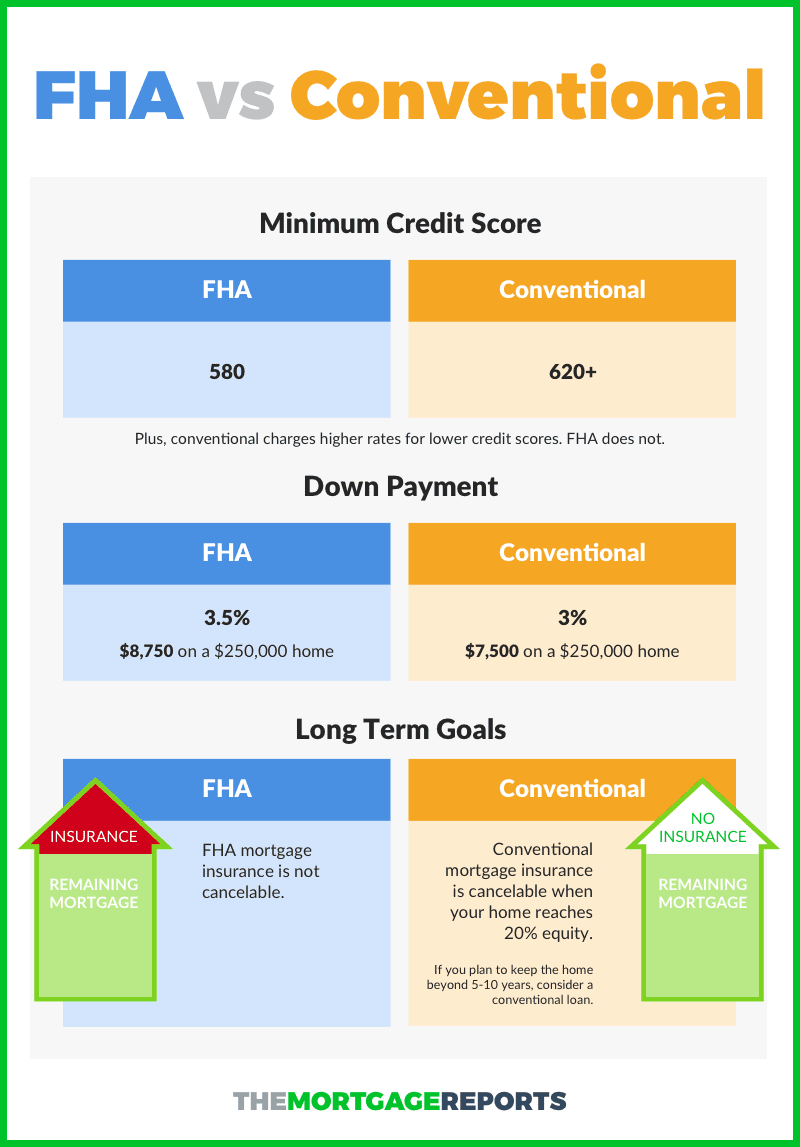
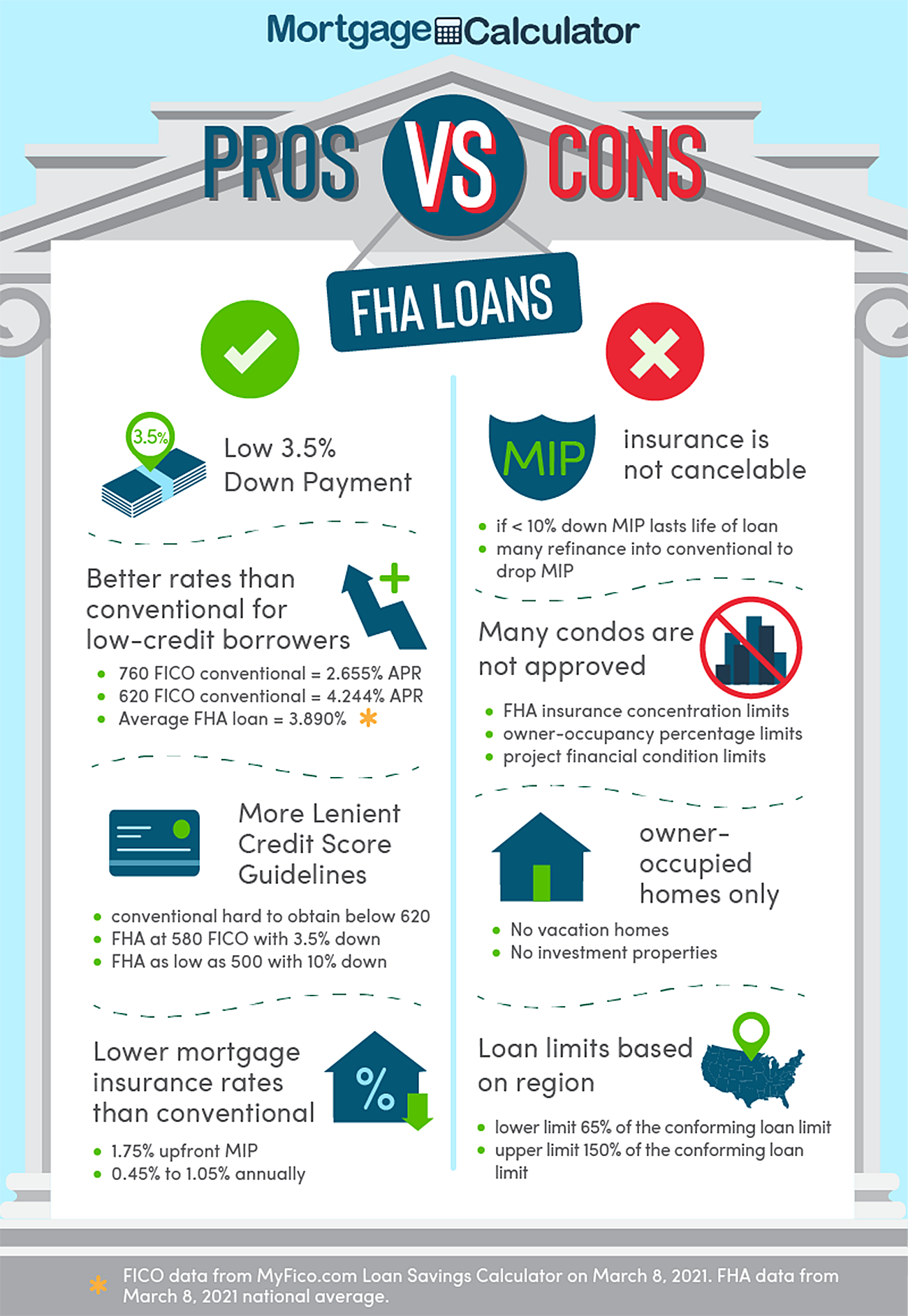
FHA loans come with several distinguishing characteristics that impact their overall cost and appeal. Firstly, they typically require a lower minimum down payment compared to many conventional loans, often as little as 3.5% of the purchase price. This makes homeownership attainable for those who haven’t saved a substantial sum. Secondly, FHA loans have more lenient credit score requirements, generally allowing scores as low as 580 for the 3.5% down payment, though some lenders may require higher. Thirdly, FHA loans mandate both an Upfront Mortgage Insurance Premium (UFMIP) and an Annual Mortgage Insurance Premium (MIP), which is paid monthly. These insurance premiums are a significant component of the total cost of an FHA loan, separate from the interest rate, but undeniably influence the overall affordability and comparison with other loan types. Lastly, FHA loans are subject to specific loan limits, which vary by county and are designed to ensure the program primarily serves low-to-moderate income borrowers and properties in typical markets, rather than high-value luxury homes.
Deconstructing FHA Interest Rates
The interest rate on an FHA loan is a critical component of your monthly mortgage payment and the overall cost of borrowing. However, it’s not a static figure dictated by the FHA itself. Instead, FHA interest rates are dynamic and influenced by a confluence of market forces and individual lender strategies, all within the FHA’s established regulatory framework. Understanding these underlying mechanisms is key to comprehending the “what” and “why” behind the rates offered to you.
How FHA Rates are Determined
FHA interest rates are determined in much the same way as conventional mortgage rates: they are set by individual lenders. Lenders consider a variety of factors when pricing their FHA loan offerings. At the most fundamental level, these rates are influenced by the broader financial markets, particularly the yield on U.S. Treasury bonds and the overall economic outlook. When the economy is strong and inflation is a concern, interest rates tend to rise; conversely, during periods of economic uncertainty or recession, rates often fall as investors seek the safety of government bonds. Beyond these macroeconomic trends, individual lenders factor in their own operational costs, desired profit margins, and competitive landscape. While the FHA sets the rules for who qualifies for these loans and how they are structured, it does not mandate a specific interest rate, fostering competition among lenders that ultimately benefits the consumer.
Market Forces vs. Lender Discretion
The interplay between market forces and lender discretion is central to FHA interest rate determination. Global and national economic indicators, such as inflation rates, employment figures, and the Federal Reserve’s monetary policy decisions, exert a significant influence on the bond market, which in turn impacts mortgage rates. For instance, when the Federal Reserve raises its benchmark interest rate, it often translates into higher borrowing costs across the board, including for FHA loans. However, individual lenders still have a degree of discretion. They might adjust their rates based on their current loan volume, specific risk assessments for certain borrower profiles (even within FHA guidelines), or simply to be more competitive in a particular market segment. This means that two different FHA-approved lenders could offer slightly different rates for the same borrower on the same day, highlighting the importance of shopping around.
The Impact of Mortgage Insurance Premiums (MIP)
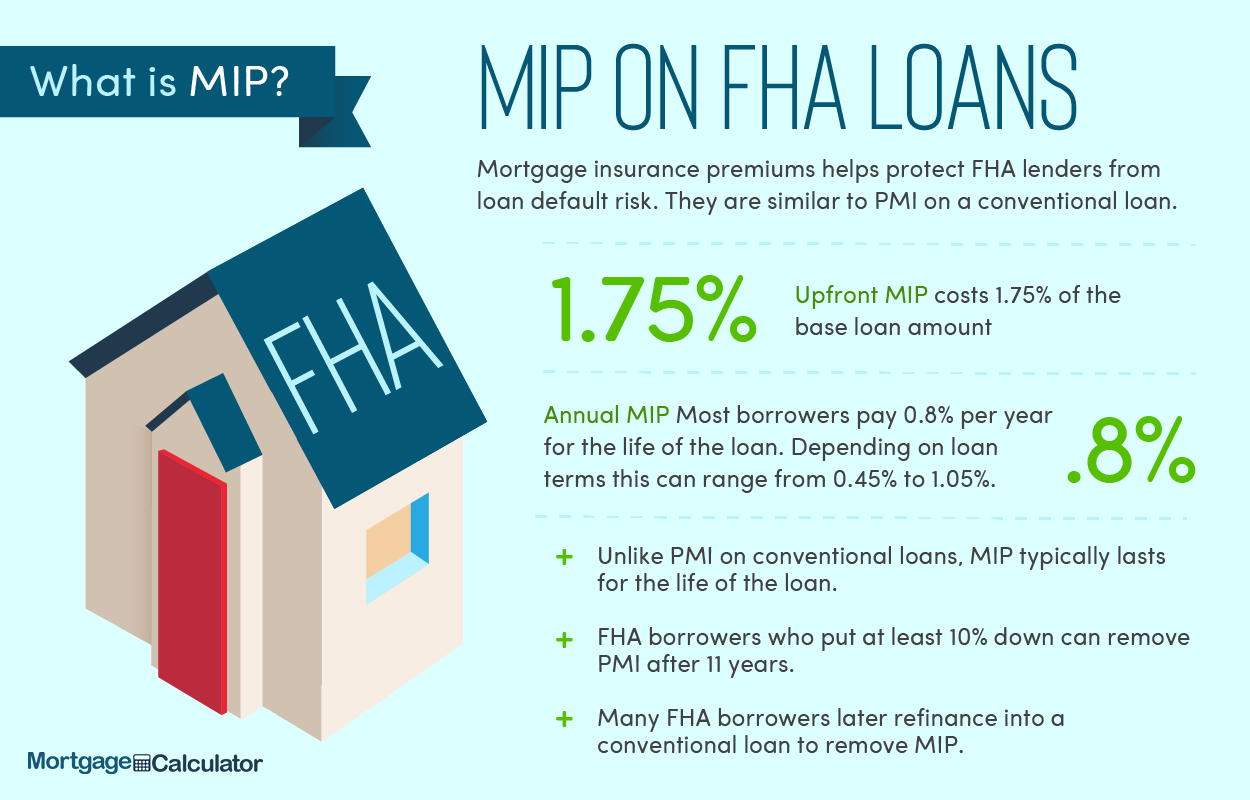
While not an interest rate in itself, the FHA’s Mortgage Insurance Premium (MIP) significantly impacts the effective cost of an FHA loan, and thus must be considered when evaluating FHA interest rates. FHA loans require two types of MIP:
- Upfront Mortgage Insurance Premium (UFMIP): This is a one-time fee, currently 1.75% of the loan amount, which is typically financed into the loan, increasing the principal.
- Annual Mortgage Insurance Premium (MIP): This is an ongoing premium, typically ranging from 0.45% to 1.05% of the loan amount per year, paid in monthly installments. Unlike conventional private mortgage insurance (PMI), which can often be canceled once sufficient equity is built, FHA’s annual MIP is often mandatory for the life of the loan if the borrower puts down less than 10%. This means that even if an FHA loan has a seemingly lower nominal interest rate than a conventional loan, the added cost of MIP can make its total monthly payment higher, and its effective annual percentage rate (APR)—which accounts for all costs—less competitive. Understanding this total cost is crucial for a realistic comparison.
Factors Influencing Your Specific FHA Rate
While market conditions and lender policies set the general landscape for FHA interest rates, your individual financial profile plays a crucial role in determining the specific rate you’ll be offered. Lenders assess various aspects of your financial health to gauge your creditworthiness and the perceived risk of lending to you. Optimizing these factors before applying can significantly impact the interest rate you ultimately secure.
Credit Score and Financial Health
Your credit score is arguably the most influential factor in determining your FHA interest rate. While FHA guidelines allow for lower credit scores (e.g., 580 for 3.5% down), lenders often offer more favorable rates to borrowers with higher scores. A higher credit score signals a lower risk of default to lenders, justifying a lower interest rate. Beyond the score itself, lenders will review your overall financial health, including your payment history, the amount of debt you carry, and your credit utilization. A history of timely payments and responsible credit management will consistently lead to better rate offers. Conversely, late payments, collection accounts, or a high debt-to-income ratio, even if still within FHA limits, could result in a higher interest rate or even require a larger down payment.
Loan-to-Value (LTV) and Down Payment
The Loan-to-Value (LTV) ratio represents the loan amount compared to the home’s appraised value. A lower LTV, which results from a larger down payment, is generally seen as less risky by lenders. Although FHA loans are known for their low down payment requirements (3.5%), putting down more than the minimum can sometimes lead to a slightly better interest rate. While the impact might not be as pronounced as with conventional loans (where higher LTV often means higher PMI and rates), demonstrating a greater equity stake from the outset can still signal financial stability to a lender, potentially unlocking more competitive pricing options. Moreover, a larger down payment reduces the total loan amount, thereby lowering both the principal and the interest paid over the life of the loan, regardless of the rate.
Loan Term and Type (Fixed vs. Adjustable)
The length of your mortgage term also affects the interest rate. FHA loans are commonly offered with 15-year or 30-year fixed-rate terms. Generally, shorter-term loans (e.g., 15-year) tend to have lower interest rates than longer-term loans (e.g., 30-year). This is because lenders face less interest rate risk over a shorter period. While a 15-year loan comes with higher monthly payments, it results in substantial interest savings over the life of the loan. Additionally, while less common for FHA, adjustable-rate mortgages (ARMs) are also available. FHA ARMs typically start with lower initial interest rates than fixed-rate options but are subject to adjustments over time, which can introduce payment uncertainty. The choice between a fixed or adjustable rate, and the chosen term, will directly influence the initial interest rate offered.
Economic Indicators and Lender Specifics
Beyond your personal financial situation, broader economic indicators and the specific lender you choose can impact your FHA interest rate. Inflation expectations, the Federal Reserve’s policies on benchmark rates, and global economic stability all contribute to the general direction of mortgage rates. Lenders constantly adjust their offerings based on these macro factors. Furthermore, each FHA-approved lender has its own pricing strategy, overhead costs, and risk tolerance. Some lenders might specialize in FHA loans and offer particularly competitive rates, while others might have different incentives or target different borrower segments. This makes shopping around and comparing offers from multiple FHA-approved lenders absolutely essential to ensure you’re securing the most favorable rate available for your unique circumstances.
Comparing FHA to Conventional Rates: A Strategic View
When evaluating mortgage options, a common dilemma is whether to choose an FHA loan or a conventional loan. While FHA loans offer distinct advantages, a direct comparison of their interest rates with those of conventional loans requires a strategic and holistic perspective that goes beyond the nominal rate alone. It’s about understanding the total cost of borrowing and eligibility criteria.
When FHA Rates Can Be More Advantageous
FHA interest rates can often appear competitive, and sometimes even lower, than conventional rates, particularly for borrowers who present a higher risk profile from a conventional lender’s perspective. For instance, a borrower with a credit score in the 620-680 range might find that the FHA offers a significantly lower interest rate than a conventional loan for which they might barely qualify, if at all. This is due to the FHA’s government insurance, which de-risks the loan for the lender. While conventional loans for borrowers with excellent credit (740+) typically boast the lowest interest rates, for those with less-than-perfect credit, a higher debt-to-income ratio, or a minimal down payment, the FHA loan structure can translate into a more accessible and often more affordable interest rate than the conventional market would provide for a similar borrower profile.
The Full Cost Picture: Interest Rate + MIP
The biggest caveat when comparing FHA and conventional interest rates is the FHA’s mandatory mortgage insurance premiums (MIP). As discussed, FHA loans require both an upfront MIP (UFMIP) and an annual MIP, which can significantly increase the total monthly payment and the overall cost of the loan. While conventional loans also require private mortgage insurance (PMI) if the down payment is less than 20%, PMI can often be canceled once 20% equity is reached, and sometimes it’s cheaper than FHA’s MIP for comparable risk profiles. For FHA loans with less than 10% down, the annual MIP is typically for the life of the loan. Therefore, when comparing, it’s crucial to look beyond just the nominal interest rate. Calculate the Annual Percentage Rate (APR) for both options, which incorporates interest, points, and mortgage insurance, to get a true picture of the loan’s overall cost. A seemingly lower FHA interest rate might result in a higher APR once MIP is factored in, making a conventional loan with a slightly higher nominal rate potentially more affordable over the long term, especially if you plan to build equity quickly.
Eligibility Differences and Their Rate Implications
The fundamental difference in eligibility criteria between FHA and conventional loans also has implicit rate implications. FHA loans are designed to be more inclusive, allowing for lower credit scores, higher debt-to-income ratios, and minimal down payments. This broader accessibility means that FHA rates are priced to accommodate this wider range of borrower risk. Conventional loans, conversely, generally demand higher credit scores, lower debt-to-income ratios, and larger down payments to secure the most competitive rates. If you meet the stringent requirements for a conventional loan, especially with excellent credit and a substantial down payment, you might find that conventional rates, coupled with potentially cancellable PMI, offer a more advantageous long-term financial outcome. However, if conventional loan eligibility is a hurdle, the FHA’s more flexible criteria, even with the MIP, might be the only realistic path to homeownership, making its rates inherently more “advantageous” by virtue of simply being available.
Navigating the FHA Loan Process and Securing the Best Rate
Securing an FHA loan with a favorable interest rate involves more than just meeting the basic eligibility requirements. It’s a strategic process that demands diligent research, careful financial planning, and proactive engagement with lenders. By understanding how to navigate this landscape, you can optimize your chances of obtaining the most competitive FHA interest rate available.
Finding an FHA-Approved Lender
The first crucial step is to identify and connect with FHA-approved lenders. Not all mortgage lenders offer FHA loans, and among those that do, their specific offerings, rates, and customer service can vary significantly. Start by researching local banks, credit unions, and independent mortgage brokers who have experience with FHA financing. Mortgage brokers, in particular, can be valuable as they often work with multiple lenders and can help you compare different FHA options quickly. Don’t settle for the first quote you receive. Engage with at least three to five different lenders to gather comparative loan estimates. This competitive shopping is paramount because, as discussed, FHA interest rates are set by individual lenders, not by the FHA itself, allowing for variations in pricing. Look beyond just the interest rate; compare origination fees, closing costs, and lender reputation.
Understanding Rate Locks and Closing Costs
Once you receive a favorable FHA interest rate offer, it’s vital to understand the concept of a “rate lock.” A rate lock protects you from market fluctuations by guaranteeing your quoted interest rate for a specific period (e.g., 30, 45, or 60 days) while your loan is being processed. Discuss the terms of the rate lock with your lender, including any fees associated with locking the rate and the process for extending it if your closing is delayed. Alongside the interest rate, pay close attention to all closing costs, which are fees paid at the close of the loan transaction. These can include appraisal fees, credit report fees, title insurance, attorney fees, and the FHA’s Upfront Mortgage Insurance Premium (UFMIP). Lenders are legally required to provide you with a Loan Estimate detailing all these costs. Scrutinize this document carefully, as high closing costs can negate the benefit of a slightly lower interest rate. Some closing costs are negotiable, so don’t hesitate to ask your lender about reducing or waiving certain fees.
Tips for Optimizing Your FHA Interest Rate
To position yourself for the best possible FHA interest rate, consider the following proactive strategies:
- Improve Your Credit Score: Even within the FHA’s lenient guidelines, a higher credit score will almost always lead to a lower interest rate. Prioritize paying down debts, especially high-interest credit cards, and ensure all payments are made on time in the months leading up to your application.
- Reduce Your Debt-to-Income (DTI) Ratio: Lenders look at your DTI to assess your ability to manage monthly payments. A lower DTI indicates less financial strain. Try to pay off existing loans or credit card balances before applying.
- Save for a Larger Down Payment: While 3.5% is the minimum, putting more money down can marginally improve your interest rate and significantly reduce your overall loan amount, leading to lower total interest paid.
- Be Prepared with Documentation: Having all necessary financial documents (pay stubs, bank statements, tax returns) readily available and organized can expedite the loan process and demonstrate your preparedness, potentially improving your standing with a lender.
- Consider “Buying Down” the Rate (Points): If you have extra cash, you might consider paying “discount points” at closing. Each point is typically 1% of the loan amount and can reduce your interest rate over the life of the loan. Calculate whether the long-term savings outweigh the upfront cost based on how long you plan to stay in the home.
By understanding the FHA loan ecosystem, diligently comparing offers, and strategically optimizing your financial profile, you can navigate the path to homeownership more confidently and secure an FHA interest rate that aligns with your financial goals.
aViewFromTheCave is a participant in the Amazon Services LLC Associates Program, an affiliate advertising program designed to provide a means for sites to earn advertising fees by advertising and linking to Amazon.com. Amazon, the Amazon logo, AmazonSupply, and the AmazonSupply logo are trademarks of Amazon.com, Inc. or its affiliates. As an Amazon Associate we earn affiliate commissions from qualifying purchases.