
The term “feudal system” conjures images of knights, castles, and a rigid social hierarchy. While these are certainly components, a deeper understanding reveals a complex socio-economic and political structure that profoundly shaped the distribution of wealth, land, and labor for centuries. Far from being a purely historical curiosity, examining feudalism offers invaluable insights into the fundamental principles of resource allocation, wealth generation, and the evolution of economic power, concepts that remain remarkably relevant in our modern financial landscape. This exploration will delve into the economic mechanics of feudalism, its impact on the flow of capital, and its enduring lessons for understanding wealth accumulation and societal structures.
The Land as the Primary Asset: The Foundation of Feudal Wealth
At its core, the feudal system was an agrarian economy, with land being the paramount source of wealth and power. The intricate web of relationships was built upon the ownership and control of agricultural land, which directly translated into economic and political influence.
Lords, Vassals, and the Granting of Fiefs
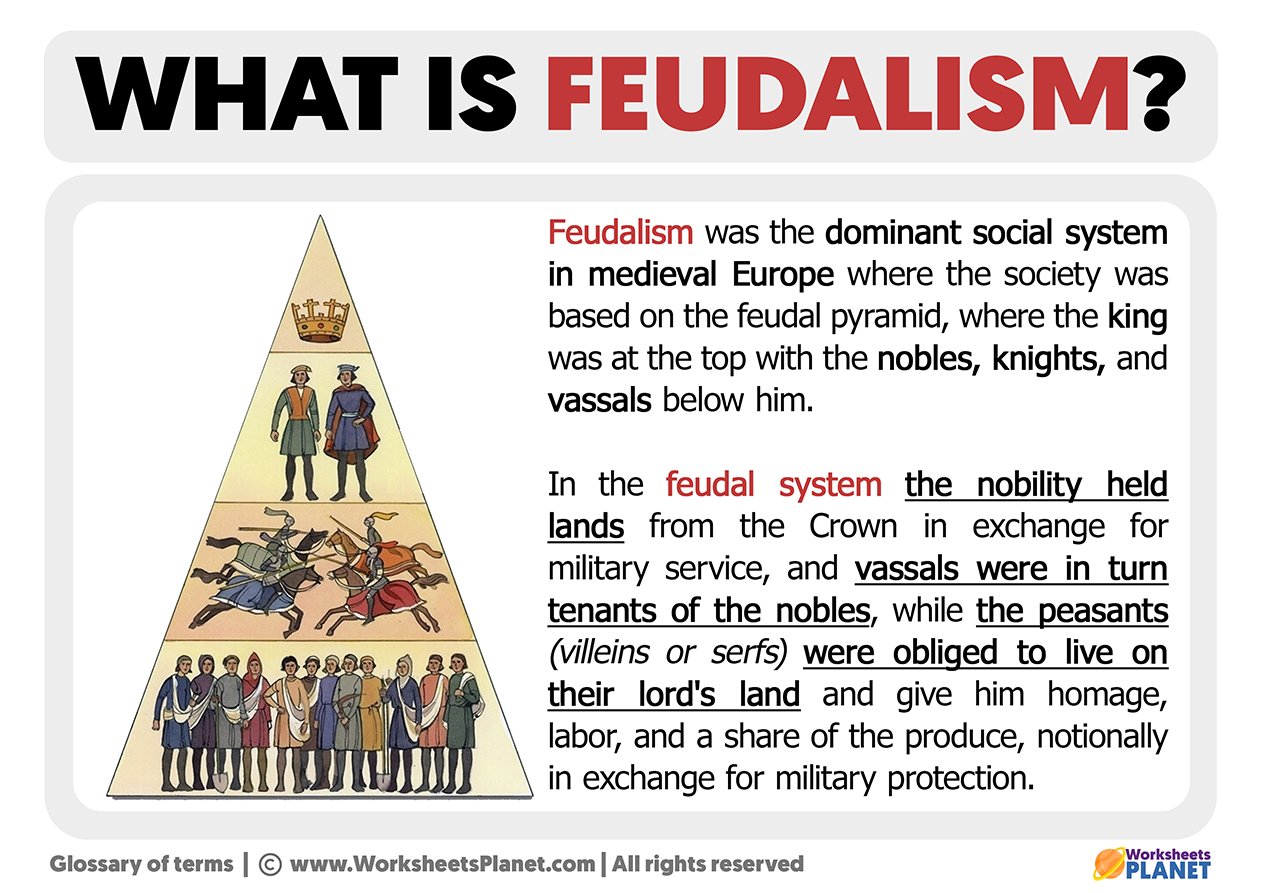
The apex of this system was the monarch, who, in theory, owned all the land. However, to govern and defend vast territories, monarchs granted large tracts of land, known as fiefs, to powerful nobles – the lords. This act of granting a fief was not a outright sale or inheritance as we understand it today; it was a reciprocal agreement, a contractual bond sealed with an oath of fealty. The lord, in turn, became a vassal to the king, obligated to provide military service, counsel, and financial aid when called upon. This system of reciprocal obligations, where land was exchanged for loyalty and service, formed the bedrock of the feudal economy.
The economic significance of a fief was immense. It wasn’t just a plot of land; it was a self-sustaining economic unit. A large fief encompassed not only arable land but also forests, pastures, and importantly, the labor force to work it. The lord essentially held a monopoly over the resources and the means of production within his domain. This control over land and labor was the primary engine of wealth generation in feudal society.
The Role of Serfs and Peasant Labor
The vast majority of the population in a feudal society were serfs or peasants. Unlike modern labor markets where individuals are free to sell their labor to the highest bidder, serfs were tied to the land. They were not slaves in the strictest sense, as they were not the personal property of the lord, but they were also not free. Their lives were dictated by custom and obligation. They were granted a small plot of land for their own subsistence, but in return, they were compelled to work the lord’s demesne (the land directly managed by the lord) for a specified number of days each week.
This system of corvée labor was the primary mechanism for generating agricultural surplus. The lord’s wealth was directly proportional to the amount of surplus his land could produce, and this surplus was achieved through the unpaid labor of the serfs. Beyond labor, serfs also paid various dues and taxes in kind – a portion of their harvest, livestock, or other produce. These payments, often in kind rather than cash (as currency was scarce and its circulation limited), were crucial for the lord’s sustenance and the maintenance of his household and military retinue.
The economic inefficiency of this system, from a modern perspective, is evident. Serfs had little incentive to innovate or increase productivity beyond their immediate needs, as the surplus would primarily benefit the lord. However, within the context of the time, it was a stable, albeit rigid, system for resource distribution and basic economic survival.
The Nature of Capital and Wealth in a Feudal Economy
Understanding feudalism requires a shift in perspective regarding the nature of capital and wealth. Unlike our current capitalist societies where capital is primarily understood as liquid assets, investments, and financial instruments, feudal capital was largely tangible and land-based.
Tangible Assets: Land, Livestock, and Immovable Property
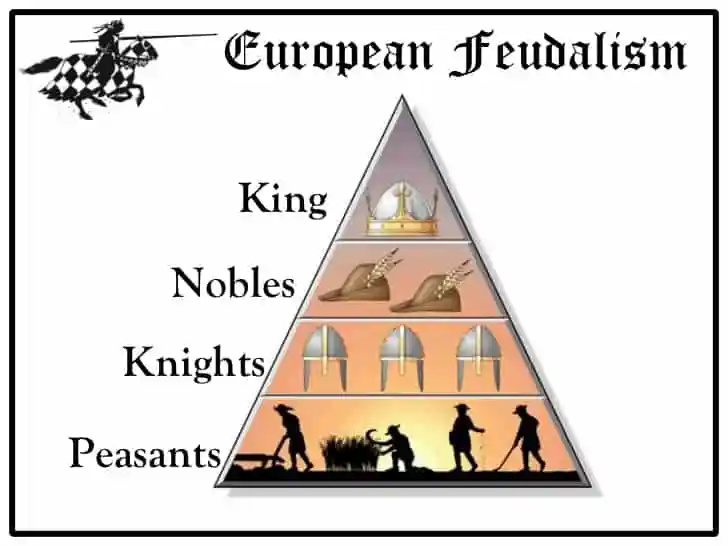
The primary form of wealth in feudalism was land. The more land a lord controlled, the greater his wealth and power. This was not just about owning acres; it was about controlling the resources and the labor associated with it. Livestock, such as cattle, sheep, and horses, were also significant assets, representing both food sources and tools for agriculture and warfare. Immovable property, including manors, castles, and mills, were further manifestations of accumulated wealth and provided economic leverage.
The concept of financial capital in the modern sense – stocks, bonds, and easily convertible currency – was rudimentary. While some forms of currency existed and trade did occur, the economy was largely agrarian and based on a system of direct exchange and payment in kind. Therefore, accumulating wealth meant accumulating tangible assets, particularly land and the means to exploit it. The circulation of money was slow and primarily occurred in larger towns and for specific transactions, rather than being a ubiquitous medium of exchange as it is today.
Limited Financial Instruments and the Absence of Modern Banking
The financial landscape of feudalism was characterized by its simplicity and the scarcity of sophisticated financial instruments. There were no stock markets, no complex investment vehicles, and rudimentary forms of lending, often characterized by usury, which was frequently condemned by the Church. The concept of credit was nascent, and long-term financial planning was less about investment growth and more about securing resources for immediate needs and future obligations.
Banking, as we know it, did not exist. Transactions were largely conducted through direct barter, payments in kind, or the limited circulation of coins. Money changers and early forms of merchant guilds played a role in facilitating some transactions, but they were a far cry from the global financial institutions of today. The absence of widespread credit and investment opportunities meant that economic mobility was severely restricted, with wealth primarily inherited or gained through military conquest or royal favor. The focus was on the preservation and generation of tangible assets, rather than the speculative growth of financial capital.
The Economic Cycles and Stagnation of Feudalism
While feudalism provided a stable framework for centuries, its inherent structure also fostered economic cycles and ultimately contributed to its gradual decline.
Agricultural Productivity and Vulnerability to Shocks
The feudal economy was almost entirely dependent on agricultural productivity. This made it highly vulnerable to environmental factors. Poor harvests due to drought, floods, or disease could lead to widespread famine and economic distress, impacting not only the peasantry but also the lords who relied on their labor and produce. The lack of advanced agricultural techniques, crop rotation, or pest control methods meant that yields were often low and subject to significant fluctuation.
Furthermore, the system of land tenure, with its emphasis on traditional practices and the limited incentives for innovation among the serfs, hindered significant advancements in agricultural technology. This lack of progress in the primary sector meant that the overall economic growth of feudal societies was often slow and cyclical, with periods of relative prosperity followed by significant downturns.

The Rise of a Merchant Class and the Shift Towards a Cash Economy
The seeds of feudalism’s decline were sown, ironically, by the very system it was built upon. As populations grew and trade began to expand, particularly through the burgeoning towns and cities, a new economic force emerged: the merchant class. Merchants dealt in goods, requiring actual currency for transactions, and their activities fostered the circulation of money.
This growing reliance on currency began to undermine the traditional feudal obligations. Lords, who increasingly desired cash for luxury goods, military campaigns, or to pay for services, started to commute labor services into monetary payments. Serfs, who could sell their surplus produce in burgeoning markets, began to accumulate some personal wealth and desired more freedom from their traditional obligations. This gradual shift towards a cash economy, facilitated by the rise of trade and a more mobile population, chipped away at the foundations of the land-based feudal system. The economic power began to shift from those who owned land to those who controlled capital and trade, paving the way for the development of early capitalism.
The feudal system, in essence, was a sophisticated, albeit rigid, economic model centered on land ownership and reciprocal obligations. Its legacy lies not only in its historical significance but also in its fundamental lessons about the nature of wealth, the importance of resource allocation, and the enduring power of economic structures to shape societies. By understanding its economic underpinnings, we gain a richer appreciation for the evolution of financial systems and the forces that have driven economic change throughout history.
aViewFromTheCave is a participant in the Amazon Services LLC Associates Program, an affiliate advertising program designed to provide a means for sites to earn advertising fees by advertising and linking to Amazon.com. Amazon, the Amazon logo, AmazonSupply, and the AmazonSupply logo are trademarks of Amazon.com, Inc. or its affiliates. As an Amazon Associate we earn affiliate commissions from qualifying purchases.