
The human body is a marvel of intricate biological processes, and iron plays a fundamental, albeit often unseen, role in keeping us functioning optimally. From delivering oxygen to our cells to supporting crucial metabolic pathways, iron is a vital mineral. But how do we know if our iron levels are just right, too low, or too high? This is where the ferritin test steps into the spotlight, acting as a key diagnostic tool for understanding our body’s iron status.
While seemingly a purely medical topic, the world of health and wellness increasingly intersects with technology, personal branding, and even financial implications. Understanding your ferritin levels isn’t just about avoiding iron deficiency anemia; it can influence your energy, cognitive function, and overall well-being, all of which can impact your professional output (Tech & Productivity), your personal narrative (Brand), and even healthcare costs (Money).

Understanding Ferritin: The Body’s Iron Storage System
Before delving into the test itself, it’s crucial to grasp what ferritin is. Ferritin is a protein that plays the vital role of storing iron within our cells. Think of it as a sophisticated and safe delivery system, housing iron and releasing it only when needed by the body. This stored iron is essential for producing hemoglobin, the protein in red blood cells responsible for transporting oxygen from the lungs to the rest of the body.
Why is Iron Storage Important?
Iron is not a mineral that the body can synthesize on its own; it must be obtained through our diet. However, iron is also a reactive element, meaning that if it’s not stored properly, it can become toxic and contribute to cellular damage. Ferritin’s job is to bind to iron in a controlled manner, preventing this free iron from wreaking havoc while ensuring a readily available supply for vital functions.
- Hemoglobin Production: As mentioned, the primary role of iron is in the creation of hemoglobin. Without sufficient iron, hemoglobin production suffers, leading to reduced oxygen-carrying capacity in the blood.
- Enzyme Function: Iron is a crucial component of various enzymes involved in energy production, DNA synthesis, and immune function.
- Cellular Respiration: Iron is a key element in the electron transport chain, the process by which cells generate energy.
The Significance of Ferritin Levels
The amount of ferritin in your blood is a direct indicator of the amount of iron stored in your body.
- Low Ferritin: This typically suggests that your body’s iron stores are depleted. If left unaddressed, this can progress to iron deficiency, and eventually, iron deficiency anemia. Symptoms can range from fatigue and weakness to shortness of breath and pale skin.
- High Ferritin: Elevated ferritin levels can indicate several things. While it often signifies increased iron stores (iron overload), it can also be a sign of inflammation, infection, liver disease, or certain types of cancer. It’s important to note that high ferritin due to inflammation isn’t necessarily indicative of iron overload, making further investigation crucial.
The Ferritin Test: What to Expect and Why It’s Done
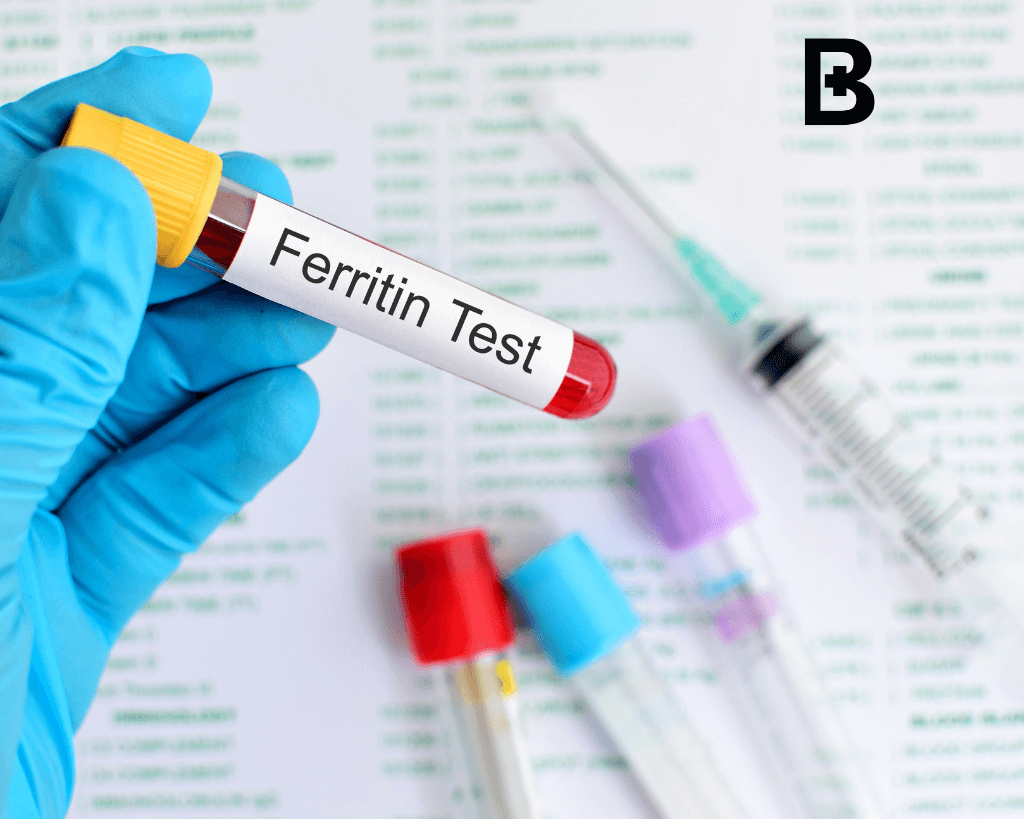
The ferritin test is a simple blood test, readily available through your doctor’s office or various diagnostic laboratories. It measures the level of ferritin in your serum (the liquid component of blood).
How is the Test Performed?
A healthcare professional will draw a small sample of blood, usually from a vein in your arm. The sample is then sent to a laboratory for analysis. The procedure itself is quick, generally taking only a few minutes, and is minimally uncomfortable, often involving a slight prick from the needle.
When is a Ferritin Test Ordered?
A ferritin test is typically ordered when a doctor suspects an issue with your iron levels. This can be due to a variety of symptoms or risk factors:
- Symptoms of Anemia: Persistent fatigue, weakness, pale skin, dizziness, headaches, shortness of breath, and cold hands or feet are classic signs that might prompt an iron assessment.
- Suspected Iron Deficiency: If you have a diet low in iron, or conditions that affect iron absorption (like celiac disease or inflammatory bowel disease), your doctor might order this test proactively.
- Suspected Iron Overload: Conditions like hemochromatosis, a genetic disorder causing the body to absorb too much iron, will necessitate ferritin testing.
- Monitoring Chronic Diseases: Patients with chronic inflammatory conditions, liver disease, or certain cancers may have their ferritin levels monitored as part of their overall health management.
- Pregnancy: Iron needs increase significantly during pregnancy, making ferritin tests a routine part of prenatal care.
Interpreting the Results: What Do the Numbers Mean?
Interpreting ferritin test results requires context and should always be done in consultation with a healthcare professional. There isn’t a single universal “normal” range, as it can vary slightly between laboratories and depend on factors like age and sex.
Generally, for adults:
- Men: A typical range might be between 20-250 nanograms per milliliter (ng/mL) or micrograms per liter (µg/L).
- Women: A typical range might be between 10-120 ng/mL or µg/L.
- Children: Ranges vary significantly with age.
Key Takeaways for Interpretation:
- Low Ferritin: Levels below the reference range strongly suggest depleted iron stores.
- High Ferritin: Levels above the reference range can indicate iron overload or, importantly, inflammation. A doctor will often order additional tests (like transferrin saturation and C-reactive protein) to differentiate between these possibilities.
- Normal Ferritin with Anemia: This scenario might suggest other causes for anemia, such as vitamin B12 or folate deficiency, or anemia of chronic disease.
Beyond the Blood: Ferritin’s Impact on Your Life
While the ferritin test is a medical procedure, the information it provides can have broader implications, touching upon areas like technology, personal branding, and even financial considerations.
The Tech Angle: Wearable Health and Proactive Wellness
In our increasingly digitally connected world, technology is revolutionizing how we approach health. Wearable devices, once solely for tracking steps and heart rate, are beginning to offer more sophisticated health insights. While direct ferritin monitoring via wearables isn’t yet mainstream, the trend towards proactive health management is undeniable.
- Data-Driven Health: Imagine future smartwatches that, through non-invasive sensors or integration with home testing kits, could provide early indicators of iron deficiency or inflammation. This would empower individuals to take charge of their health long before symptoms become debilitating.
- AI in Diagnostics: Artificial intelligence (AI) is already being used to analyze medical images and patient data to aid in diagnosis. AI algorithms can potentially identify patterns in blood work, including ferritin levels, that might be missed by the human eye, leading to earlier and more accurate diagnoses.
- Personalized Health Apps: Apps that track diet, sleep, and activity can also incorporate health metrics. If you’re experiencing persistent fatigue despite good sleep and exercise, and a ferritin test reveals low levels, you can use these apps to track your dietary iron intake and see if it improves, creating a personalized feedback loop.
This technological shift aligns with the “Digital Health” and “Productivity” trends on your website. By understanding and managing your iron levels, you can optimize your energy, focus, and cognitive function, directly impacting your productivity in various technological endeavors.
The Brand Aspect: Energy, Vitality, and Your Personal Narrative
Your personal brand is built on how you present yourself to the world. Energy, vitality, and a clear mind are often perceived as hallmarks of success and capability. Iron deficiency, even before it progresses to full-blown anemia, can significantly impact these attributes.
- Cognitive Function and Focus: Low iron levels can lead to brain fog, difficulty concentrating, and impaired memory. For individuals building a personal brand, whether as an entrepreneur, freelancer, or influencer, these cognitive deficits can hinder creativity, strategic thinking, and effective communication – all crucial for brand building.
- Physical Appearance and Energy Levels: Chronic fatigue and paleness can subtly undermine a vibrant and energetic personal brand. Looking and feeling your best contributes to confidence and a positive outward perception.
- Professional Performance: Whether you’re coding complex software, strategizing marketing campaigns, or managing financial portfolios, optimal physical and mental health is paramount. A ferritin test can be a foundational step in ensuring you have the energy and clarity to perform at your peak, reinforcing the strength of your personal brand through consistent, high-quality output.
This connects to the “Brand Strategy,” “Personal Branding,” and “Reputation” aspects of your website. Ensuring your internal health supports your external presentation is a key, yet often overlooked, component of successful branding.
The Money Matters: Healthcare Costs and Investment in Well-being
The implications of your health status can also extend to your financial well-being.
- Healthcare Expenses: Untreated iron deficiency anemia can lead to more severe health complications, requiring more extensive and costly medical interventions. Regular health check-ups, including tests like the ferritin test, can be seen as an investment in preventative care, potentially saving money on future treatments.
- Lost Income and Productivity: For those who rely on their physical and mental capacity for their livelihood, unexplained fatigue and cognitive issues due to iron imbalance can translate directly into lost income. For entrepreneurs and freelancers, this can have a significant impact on their business finance and online income streams.
- Financial Planning for Health: Incorporating health monitoring into your financial planning is a wise strategy. Understanding that certain tests might be advisable based on your lifestyle or family history allows for better budgeting for healthcare needs.
This ties into the “Personal Finance,” “Investing,” and “Financial Tools” sections of your website. Viewing your health as an asset to be managed and invested in, rather than a cost center, is a key principle for long-term financial success.
Conclusion: A Simple Test, Profound Insights
The ferritin test, while seemingly a straightforward medical procedure, offers profound insights into a critical aspect of your body’s functioning: iron storage. By understanding your ferritin levels, you gain a window into your iron status, enabling proactive management of potential deficiencies or excesses.
In today’s interconnected world, this medical information has ripple effects. Leveraging technology for proactive health monitoring, understanding how your physical well-being underpins your personal brand, and recognizing the financial implications of managing your health are all vital considerations. The ferritin test is more than just a number on a lab report; it’s a foundational piece of information that can empower you to live a healthier, more energetic, and ultimately, more successful life, across all facets of your personal and professional endeavors.
aViewFromTheCave is a participant in the Amazon Services LLC Associates Program, an affiliate advertising program designed to provide a means for sites to earn advertising fees by advertising and linking to Amazon.com. Amazon, the Amazon logo, AmazonSupply, and the AmazonSupply logo are trademarks of Amazon.com, Inc. or its affiliates. As an Amazon Associate we earn affiliate commissions from qualifying purchases.