
The term “federal unemployment” often sparks confusion, as the unemployment insurance (UI) system in the United States is a complex tapestry woven from both federal and state laws, funding mechanisms, and administrative responsibilities. Unlike some centralized government programs, there isn’t a single, monolithic “federal unemployment” agency where individuals apply for benefits. Instead, the federal government plays a crucial, multifaceted role in setting standards, providing financial support, and offering specialized or emergency programs that complement and interact with state-administered UI systems. Understanding this intricate interplay is fundamental for anyone navigating periods of joblessness and for appreciating the economic safety net it provides.
The Dual Nature of U.S. Unemployment Insurance (UI)
The U.S. unemployment insurance system operates as a cooperative venture between the federal government and individual states. This dual structure is designed to provide temporary financial assistance to eligible workers who lose their jobs through no fault of their own. It serves as a vital economic stabilizer, helping to sustain consumer spending during economic downturns and providing a critical financial bridge for families facing unexpected job loss.
A Federal-State Partnership
At its core, UI is a program where states manage the day-to-day operations, process claims, determine eligibility, and distribute benefits according to their specific laws. However, the federal government establishes the overarching framework and mandates for these state programs. This partnership ensures a baseline level of protection across the nation while allowing states the flexibility to tailor certain aspects of their programs to local economic conditions and policy preferences. Without the federal component, the system would lack uniformity and consistent funding sources, potentially leaving many without adequate support.
Core Principles and Funding
The UI system is primarily funded through taxes levied on employers. There are two main components to these taxes:
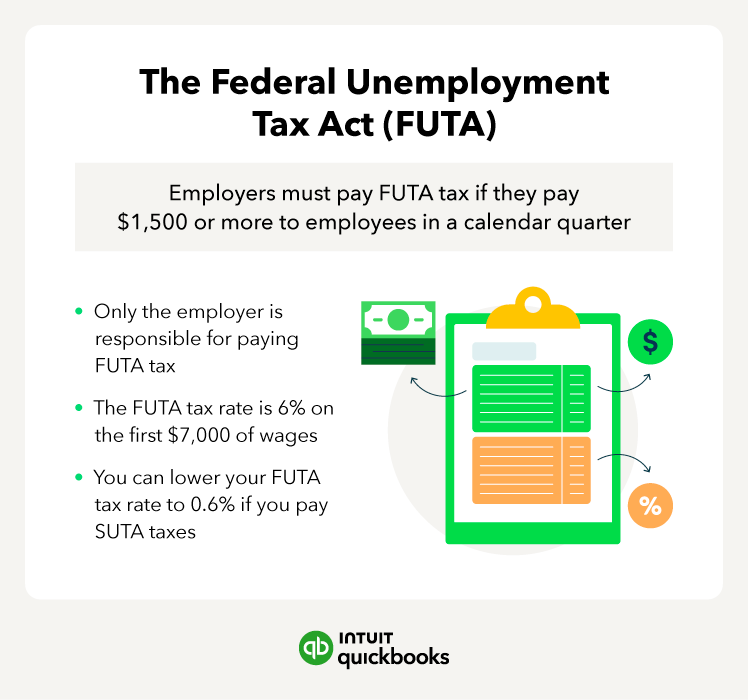
- Federal Unemployment Tax Act (FUTA) taxes: These are paid by employers to the federal government. FUTA funds cover the federal government’s share of UI administrative costs for states, pay for the federal portion of Extended Benefits (EB), and provide a loan fund for states that may run out of money to pay benefits.
- State Unemployment Insurance (SUI) taxes: These are paid by employers to their respective state governments. SUI taxes are the primary source of funding for regular state UI benefits. In a few states, employees also contribute to the SUI fund.
It’s crucial to understand that UI is an insurance program, not a welfare program. Benefits are paid out of funds accumulated from employer contributions, not general tax revenue, and eligibility is tied to an individual’s past employment and earnings history.
The Federal Government’s Permanent Role in Unemployment Insurance
While states are the direct administrators, the federal government maintains several permanent roles that are indispensable to the functioning and stability of the entire UI system. These roles include establishing statutory requirements, providing oversight, and funding specific aspects of the program.
Establishing the Framework: The FUTA Act
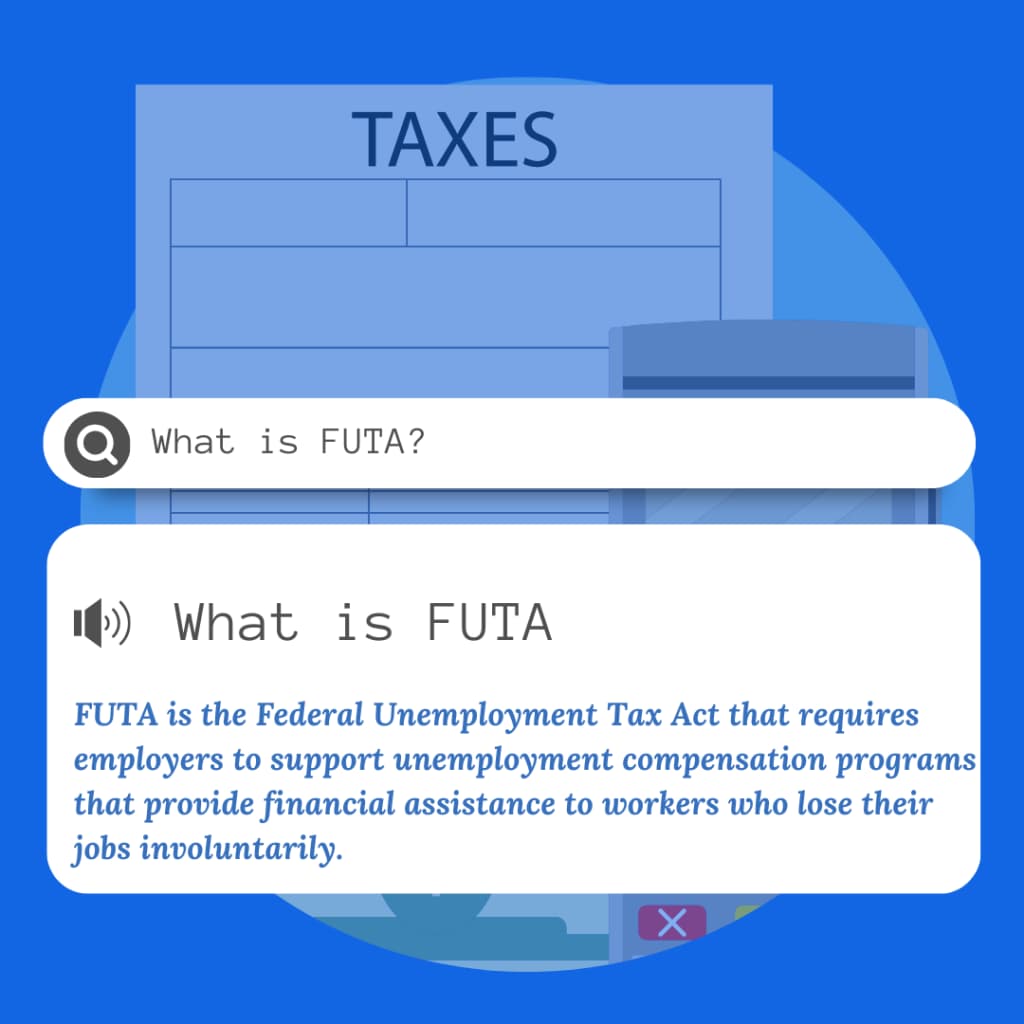
The Federal Unemployment Tax Act (FUTA) is the cornerstone of the federal government’s involvement. Enacted in 1935 as part of the Social Security Act, FUTA requires employers to pay a federal tax on the wages they pay to employees. The key functions of FUTA include:
- Setting Minimum Standards: FUTA incentivizes states to establish and maintain UI programs that meet certain federal standards. If a state’s UI law meets these standards, employers in that state can typically receive a credit against their federal FUTA tax liability, effectively reducing the net federal tax rate. This mechanism encourages states to participate and maintain a compliant UI program.
- Funding State Administration: A portion of FUTA tax revenue is allocated to pay for the administrative costs of state UI agencies. This federal support is critical, as it allows states to operate their unemployment offices, process claims, and ensure efficient service delivery without solely relying on state budgets.
- Maintaining a Federal Loan Fund: FUTA also funds a federal account from which states can borrow money if their own UI trust funds become depleted during economic downturns. This acts as a crucial safety valve, preventing states from running out of funds to pay benefits during severe recessions.
Oversight and Administrative Support
Beyond FUTA, the U.S. Department of Labor (DOL) plays a significant role in overseeing state UI programs. The DOL’s Employment and Training Administration (ETA) works closely with state agencies to ensure compliance with federal law, provide technical assistance, and gather data on the national unemployment picture. This oversight ensures that states adhere to federal guidelines regarding eligibility, benefit payment, and non-discrimination, promoting fairness and consistency across the country.
The Extended Benefits (EB) Program
One of the most direct and permanent “federal unemployment” programs is the Extended Benefits (EB) program. Unlike regular state benefits, which typically last for 26 weeks (though this varies by state), EB provides additional weeks of benefits during periods of high unemployment.
- Trigger Mechanism: EB is a permanent federal-state program that automatically “triggers on” in states when their insured unemployment rate reaches a certain threshold. There are both “on” and “off” triggers based on state-specific unemployment metrics.
- Funding Split: When EB is active, the federal government typically funds 50% of the cost of these additional weeks of benefits, with the state funding the remaining 50%. This federal contribution is vital in extending the safety net during economically challenging times, providing relief to states facing increased benefit payouts.
Special and Temporary Federal Unemployment Programs
In addition to its permanent roles, the federal government often steps in with special or temporary programs, particularly during national emergencies or to address specific economic dislocations. These programs are distinct from regular state UI and the permanent EB program, usually being enacted by Congress for a limited duration.
Disaster Unemployment Assistance (DUA)
DUA is a purely federal program designed to provide financial assistance to individuals whose employment or self-employment has been lost or interrupted as a direct result of a major disaster declared by the President. This program is critical because it extends coverage to many individuals who typically wouldn’t qualify for regular state UI, such as self-employed individuals, farmers, or those who were scheduled to begin new employment but couldn’t due to the disaster. DUA benefits are federally funded and administered by state UI agencies under agreements with the Department of Labor.
Trade Adjustment Assistance (TAA)
The Trade Adjustment Assistance (TAA) program is another federally funded initiative that provides a comprehensive set of benefits and services to workers who lose their jobs or whose hours and wages are reduced due to increased imports or shifts in production out of the United States. TAA goes beyond simple income support, offering:
- Training: To help workers acquire new skills for re-employment.
- Job Search Allowances: To assist with costs incurred in seeking employment outside the worker’s commuting area.
- Relocation Allowances: To help workers move for a new job.
- Reemployment Trade Adjustment Assistance (RTAA): Wage subsidies for older workers.
- Trade Readjustment Allowances (TRA): Income support while workers are in approved training or searching for jobs.
TAA is a proactive federal response aimed at mitigating the impact of global trade shifts on domestic workers, reflecting a broader economic policy goal.
Emergency Federal Benefits During Crises (e.g., COVID-19 Era Programs)
Perhaps the most recognized “federal unemployment” interventions are the large-scale, temporary programs enacted during severe economic crises. The COVID-19 pandemic saw an unprecedented expansion of federal unemployment benefits through various legislative acts, most notably the CARES Act in 2020. These programs included:
- Pandemic Unemployment Assistance (PUA): Provided benefits to individuals not traditionally eligible for UI, such as self-employed workers, gig workers, and independent contractors, whose work was affected by the pandemic.
- Pandemic Emergency Unemployment Compensation (PEUC): Offered additional weeks of benefits for those who exhausted their regular state UI benefits.
- Federal Pandemic Unemployment Compensation (FPUC): Provided an additional, flat weekly payment on top of regular state or PUA benefits.
These programs were entirely federally funded and aimed at providing a robust, immediate economic response to a widespread national crisis. It is critical to understand that these were temporary measures, designed to expire, and are not a permanent feature of the federal UI landscape. Their existence highlights the federal government’s capacity to significantly expand the UI safety net during emergencies.
How Federal Components Affect Claimants and Financial Planning
For an individual facing unemployment, understanding the federal layers beneath the state-administered system is crucial for accurate financial planning and benefit expectations.
Navigating the State-Centric Application Process
Despite the federal involvement, individuals primarily interact with their state’s unemployment agency. The initial application for benefits, weekly or bi-weekly certifications, and any appeals processes are all handled at the state level. Even when federal emergency programs (like PUA or PEUC) are active, they are typically administered by state agencies, requiring claimants to follow state-specific procedures. Therefore, accurate personal financial planning requires familiarity with one’s state UI rules.
Understanding Benefit Duration and Amounts
The duration and amount of regular UI benefits are determined by state law, based on an individual’s past earnings during a “base period.” When federal extended or emergency programs are active, they typically extend the duration of benefits or add supplemental payments. For example, during the COVID-19 pandemic, FPUC added $600 (and later $300) per week to regular state benefits, significantly impacting a claimant’s temporary income. This demonstrates how federal actions can directly and substantially augment personal financial resources during unemployment. Financial planning during job loss must therefore consider not just regular state benefits but also any available federal extensions or supplements.
Financial Preparedness and the Safety Net
The federal-state UI system provides a critical financial safety net, but it’s important for individuals to understand its limitations. While federal programs can extend and enhance benefits during severe downturns, they are not always active. Regular state benefits vary, and they typically replace only a portion of an individual’s lost wages. For robust personal financial planning, relying solely on UI benefits is insufficient. Building an emergency savings fund equivalent to three to six months of living expenses remains a cornerstone of financial resilience, complementing the temporary assistance provided by unemployment insurance.
The Economic Rationale and Policy Implications of Federal Involvement
The federal government’s involvement in UI is not merely administrative; it’s rooted in significant economic and social policy objectives.
Economic Stabilization
Unemployment insurance is widely recognized as an “automatic stabilizer” in the economy. When job losses surge, UI benefits automatically flow to affected individuals, helping to maintain their purchasing power. This continued consumer spending prevents a deeper contraction of demand, thereby mitigating the severity of recessions. Federal interventions, especially expanded benefits during crises, amplify this effect, injecting significant funds into the economy precisely when they are most needed, thereby accelerating recovery.
Equity and Standards Across States
Federal oversight and funding help to ensure a baseline level of protection and administrative consistency across states. While states retain flexibility, federal mandates prevent a “race to the bottom” where states might drastically cut benefits to attract businesses, potentially leaving their unemployed residents with inadequate support. This federal role promotes a degree of equity and a more consistent safety net nationwide.

Ongoing Debates and Future of UI
The federal role in unemployment insurance is a subject of ongoing policy debate. Discussions often revolve around whether the federal government should mandate higher minimum benefit levels, whether triggers for extended benefits should be nationalized or more responsive, and how the system should adapt to new forms of employment, such as the gig economy. The experience of recent crises has fueled calls for making certain federal programs, like automatic triggers for extended benefits, a more permanent feature of the system to provide faster and more robust responses to future economic shocks. These discussions highlight the dynamic nature of “federal unemployment” as policymakers strive to balance federal oversight, state flexibility, and the evolving needs of the workforce.
aViewFromTheCave is a participant in the Amazon Services LLC Associates Program, an affiliate advertising program designed to provide a means for sites to earn advertising fees by advertising and linking to Amazon.com. Amazon, the Amazon logo, AmazonSupply, and the AmazonSupply logo are trademarks of Amazon.com, Inc. or its affiliates. As an Amazon Associate we earn affiliate commissions from qualifying purchases.