
The federal gas tax stands as a foundational yet often misunderstood component of the American financial landscape, profoundly impacting everything from household budgets to national infrastructure. At its core, it is an excise tax levied by the U.S. federal government on motor fuels. Far from a simple sales tax, its structure and dedicated purpose make it a unique and vital mechanism in public finance. Understanding the federal gas tax is crucial for comprehending the financial underpinnings of the nation’s transportation system and its broader economic implications.
Defining the Federal Gas Tax: An Essential Revenue Stream
The federal gas tax is an indirect tax, meaning it is not paid directly by the consumer to the government, but rather included in the price of fuel by distributors and then passed down the supply chain to the end-user at the pump. As of the current rates, the federal government imposes an excise tax of 18.4 cents per gallon on gasoline and 24.4 cents per gallon on diesel fuel. These rates have remained unchanged since 1993, a point of significant discussion given inflation and increasing infrastructure costs.

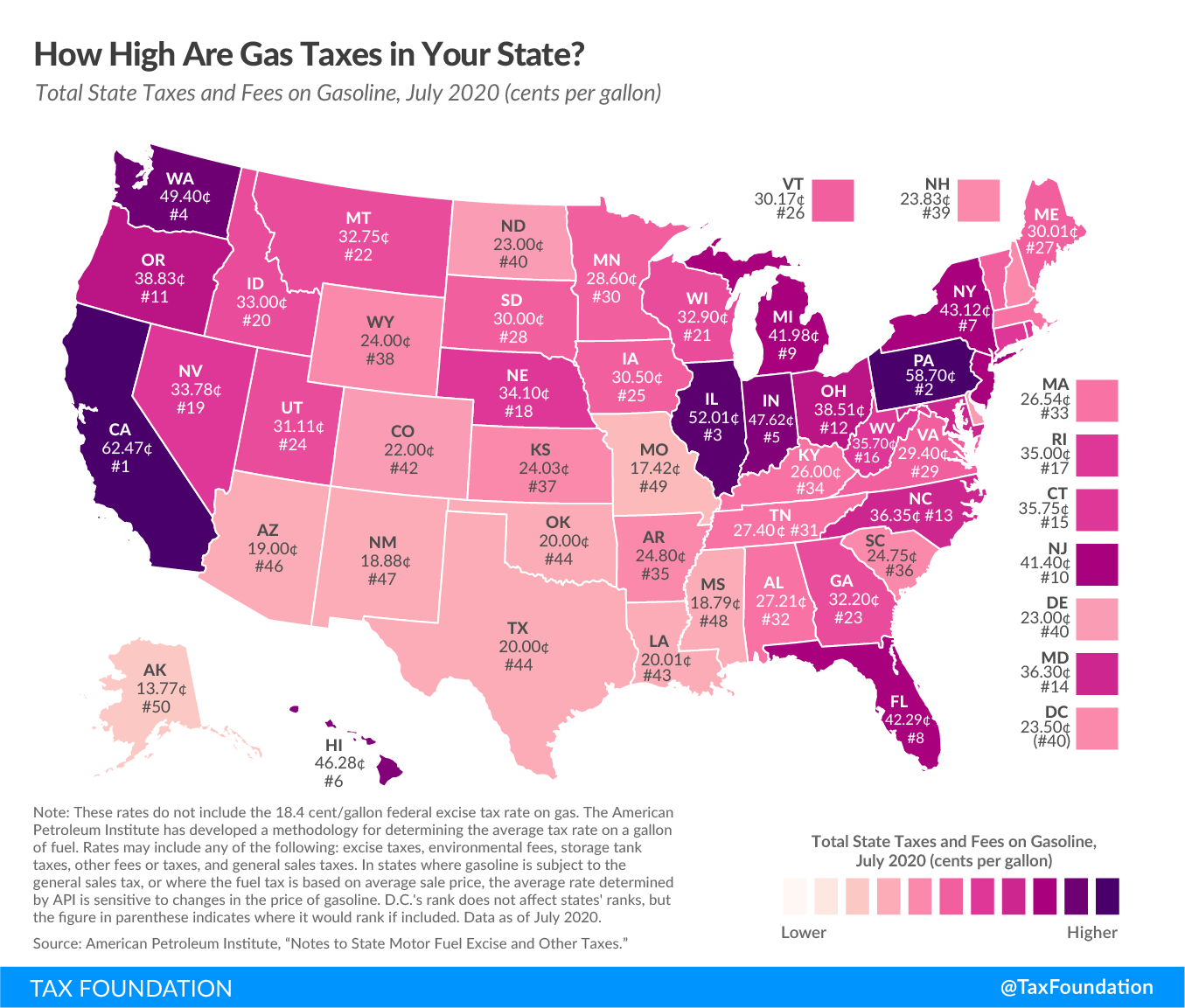
This tax is distinct from state and local fuel taxes, which vary widely by jurisdiction and contribute to state-specific transportation projects. The federal levy, however, generates a massive pool of revenue designated for national purposes. Its primary objective is not merely general revenue collection but the direct funding of federal highway and mass transit programs. This principle of dedicating specific tax revenue to specific expenditures is known as hypothecation, a cornerstone of the federal gas tax’s design. For individuals, this translates to a consistent, albeit often overlooked, charge every time they refuel their vehicles. For businesses, particularly those in logistics, agriculture, and transportation, it represents a significant and ongoing operational cost that must be factored into pricing and financial planning.
A Journey Through Time: History and Evolution of the Tax
The federal gas tax is not a recent innovation; its roots stretch back to the early 20th century. First enacted in 1932 during the Great Depression, the initial rate was a mere one cent per gallon. Its introduction was part of a broader effort to raise revenue during a period of severe economic hardship. However, its purpose quickly evolved beyond general revenue generation. Lawmakers soon recognized the logical connection between taxing motor fuel consumption and funding the roads that vehicles used.
The pivotal moment in the tax’s history came with the passage of the Federal-Aid Highway Act of 1956. This landmark legislation established the Interstate Highway System and, crucially, solidified the federal gas tax as its primary funding mechanism. The “users pay” principle became firmly entrenched: those who benefit most directly from the roads (motorists) should contribute to their construction and maintenance. This act also created the Highway Trust Fund (HTF), a dedicated account for collecting and disbursing these revenues.
Over the decades, the federal gas tax rate saw several increases, generally in response to growing infrastructure needs and inflation. Each increase was typically met with debate but ultimately deemed necessary to keep pace with the demands of a rapidly expanding and aging transportation network. The last increase, in 1993, raised the gasoline tax to its current 18.4 cents per gallon. This longevity without adjustment presents a significant financial challenge today, as the purchasing power of those fixed cents has dramatically eroded due to inflation, while the cost of building and maintaining infrastructure has soared. This historical context highlights how a seemingly small per-gallon tax has been instrumental in shaping the physical and economic landscape of the United States.
The Highway Trust Fund: Where Your Money Drives
The concept of hypothecation is central to understanding the federal gas tax. The revenue collected from this tax does not flow into the general treasury to be spent on any government program. Instead, it is specifically earmarked for the Highway Trust Fund (HTF). This fund, established in 1956, is the lifeblood of federal highway and transit programs across the nation.
The HTF is actually composed of two separate accounts: the Highway Account, which funds federal-aid highway programs (construction, maintenance, safety improvements), and the Mass Transit Account, which supports public transportation projects (buses, subways, commuter rail). This dedicated structure ensures that the financial contributions of motorists and commercial transporters are directly reinvested into the infrastructure they utilize.
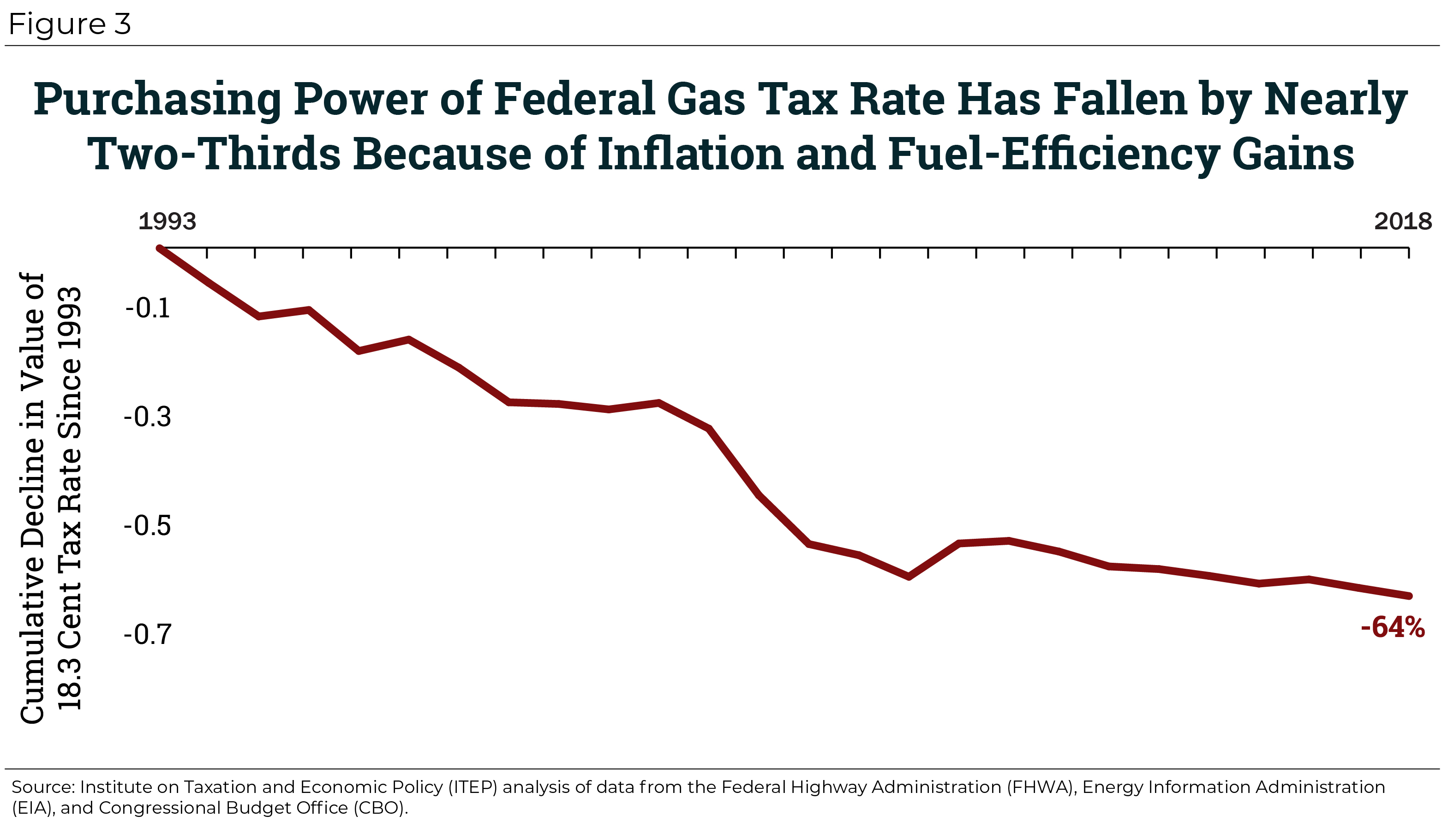
However, the HTF faces severe and persistent financial challenges. The core issue stems from the static tax rate in the face of escalating costs and evolving consumption patterns. Since the last increase in 1993, construction costs have risen significantly, while vehicle fuel efficiency has improved dramatically. More recently, the accelerating adoption of electric vehicles (EVs) means a growing segment of road users contribute nothing to the fund through fuel purchases. This combination has led to a widening gap between the HTF’s revenues and the expenditures required to maintain and improve the nation’s infrastructure.
To prevent insolvency, Congress has repeatedly resorted to transferring funds from the general treasury into the HTF, effectively “bailing out” the fund. These transfers, while necessary to keep critical projects moving, undermine the original “users pay” principle and add strain to the broader federal budget. The declining solvency of the HTF underscores the urgent need for a sustainable, long-term funding solution that can adapt to modern transportation trends and meet the nation’s extensive infrastructure demands.
Economic Impact and Equity Concerns
The federal gas tax, like any broad-based consumption tax, carries significant economic implications for both individuals and businesses, while also raising important questions of equity and fairness.
Impact on Consumers: For the average American household, the federal gas tax is a direct, if often unitemized, cost embedded in their daily lives. Every time they fill up their vehicle, a portion of that payment goes to this federal levy. While 18.4 cents per gallon might seem negligible on its own, it adds up over thousands of miles driven annually. More critically, the federal gas tax is considered a regressive tax. This means it disproportionately affects lower-income households, who spend a larger percentage of their income on essential expenses like transportation compared to higher-income households. Moreover, individuals in rural areas, who often have fewer public transportation alternatives and must drive longer distances for work, errands, and services, bear a heavier burden compared to their urban counterparts.
Impact on Businesses: The economic ramifications for businesses are substantial. For industries heavily reliant on transportation, such as trucking, logistics, agriculture, and construction, the federal gas tax represents a direct operational cost. These businesses often absorb these costs or, more commonly, pass them on to consumers through higher prices for goods and services. This ripple effect can impact the entire supply chain, contributing to inflation and potentially affecting the competitiveness of American businesses in global markets. Small businesses, in particular, may find it challenging to absorb these costs without impacting their bottom line or passing them on to customers who may already be price-sensitive.
Equity and the “Users Pay” Principle: The foundational justification for the federal gas tax has always been the “users pay” principle: those who benefit from the roads should be the ones to fund them. This principle aims to create a direct link between consumption (driving) and contribution (paying for roads). However, this principle is increasingly challenged in the modern era. Electric vehicle owners, for instance, utilize the roads but contribute nothing to the HTF through fuel purchases. Similarly, while heavy trucks pay a higher diesel tax, critics argue they cause disproportionately more wear and tear on roads than passenger vehicles, leading to questions about whether their current contributions are truly commensurate with their impact. The debate around equity also extends to how funds are allocated, with some arguing that specific regions or types of projects receive disproportionate funding, regardless of where the tax revenue originated.
The Future of Federal Fuel Taxation
The current funding model for America’s infrastructure, heavily reliant on the federal gas tax, is facing an existential crisis. The challenges are clear and compounding: declining fuel consumption due to increasing vehicle efficiency, the rapid growth of electric vehicles that bypass the fuel tax entirely, and persistent political resistance to raising the tax rate despite decades of inflation. These factors collectively threaten the long-term solvency of the Highway Trust Fund and, by extension, the nation’s ability to maintain and upgrade its critical transportation infrastructure.
This precarious financial outlook has spurred a robust national discussion about potential alternatives to the traditional gas tax, each with its own set of financial implications and administrative hurdles:
- Vehicle Miles Traveled (VMT) Tax: Often cited as the most promising alternative, a VMT tax would charge motorists based on the actual number of miles they drive, regardless of their vehicle’s fuel type or efficiency.
- Pros: This system directly adheres to the “users pay” principle by capturing contributions from all road users, including EV drivers. It could also be structured to vary by vehicle weight, road type, or even time of day, offering greater flexibility in revenue generation and traffic management.
- Cons: Significant privacy concerns arise from tracking vehicle movements. The administrative complexity of implementing and enforcing such a system on a national scale is immense, requiring new technologies and reporting mechanisms. Equity issues also persist, as rural drivers typically travel more miles and might face a disproportionately higher tax burden.
- Tolls: Expanding the use of toll roads and bridges is another mechanism to generate revenue directly from users.
- Pros: Tolls provide a direct and clear link between usage and payment, and can be adjusted for specific infrastructure projects.
- Cons: They can create traffic bottlenecks, particularly at entry and exit points, and raise equity concerns by creating financial barriers for lower-income individuals or businesses that rely on those routes. The revenue generated is typically localized, making it less suitable for broad national funding.
- General Fund Contributions: Relying more heavily on appropriations from the general federal treasury to fund transportation projects is a stop-gap measure already in use.
- Pros: It can provide immediate relief to the HTF.
- Cons: It fundamentally abandons the “users pay” principle, putting transportation funding in direct competition with other national priorities (like defense, education, healthcare) and making it subject to annual political whims rather than a dedicated revenue stream.
- Carbon Tax: While primarily an environmental policy, a carbon tax on fuel could serve a dual purpose by generating revenue for infrastructure.
- Pros: It would internalize the environmental cost of fossil fuels and encourage cleaner alternatives.
- Cons: It would still face the same challenges with EVs not contributing, and its primary objective is not necessarily infrastructure funding. It could be seen as an additional burden rather than a replacement.
The need for reform is no longer a matter of if, but when. The long-term economic stability and global competitiveness of the United States hinge on a robust, well-maintained transportation network. Finding a sustainable, equitable, and politically feasible funding mechanism to replace or significantly augment the federal gas tax is one of the most pressing financial challenges facing the nation in the coming decades.
aViewFromTheCave is a participant in the Amazon Services LLC Associates Program, an affiliate advertising program designed to provide a means for sites to earn advertising fees by advertising and linking to Amazon.com. Amazon, the Amazon logo, AmazonSupply, and the AmazonSupply logo are trademarks of Amazon.com, Inc. or its affiliates. As an Amazon Associate we earn affiliate commissions from qualifying purchases.