
In the global textile and craft industry—a sector valued at tens of billions of dollars—the “fat quarter” is more than just a convenient cut of fabric for a hobbyist. It represents a masterclass in retail psychology, inventory management, and high-margin product positioning. For entrepreneurs in the e-commerce space, boutique fabric shop owners, or financial analysts looking at the “passion economy,” understanding the fat quarter is essential to understanding how small units of inventory can drive massive financial returns.
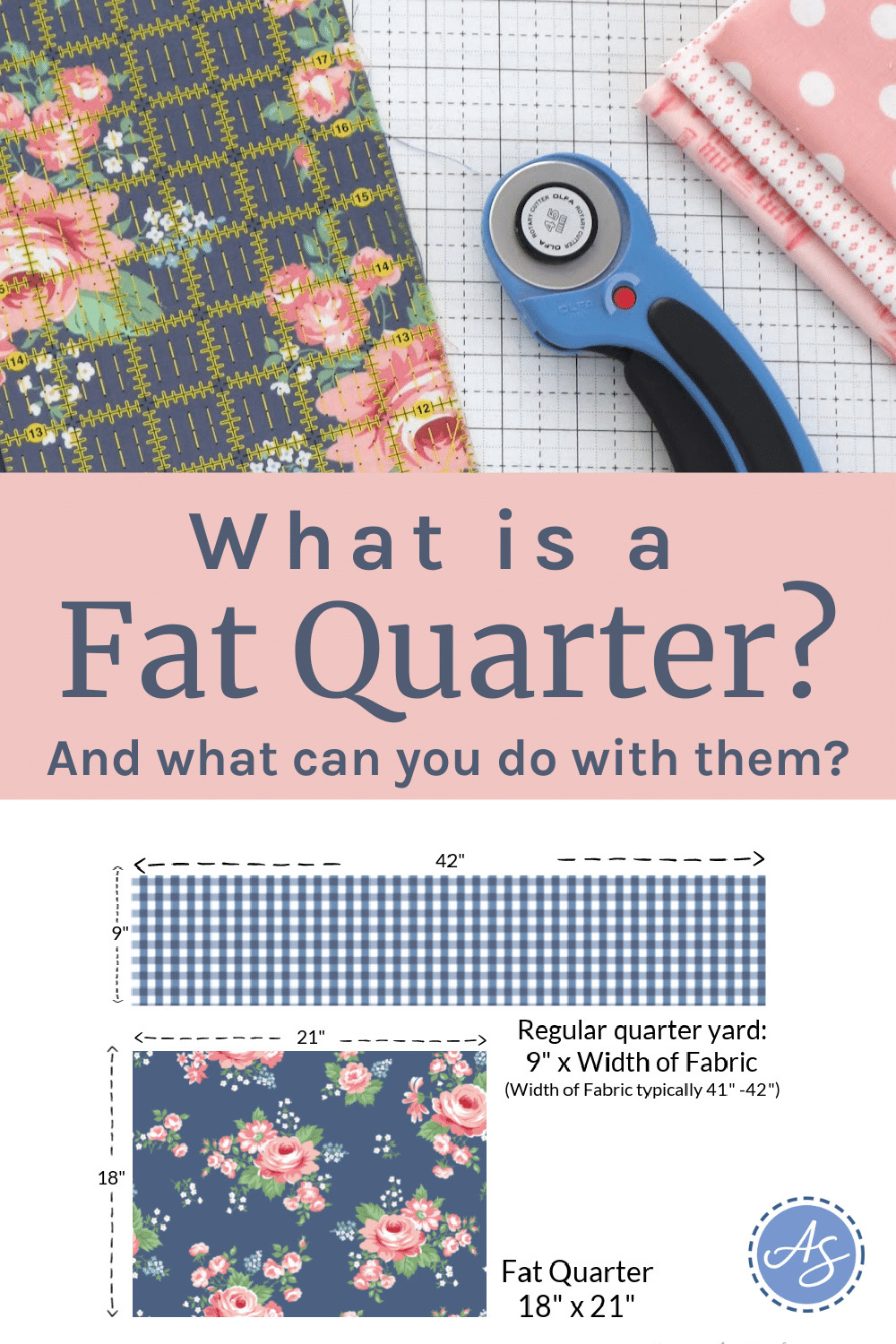
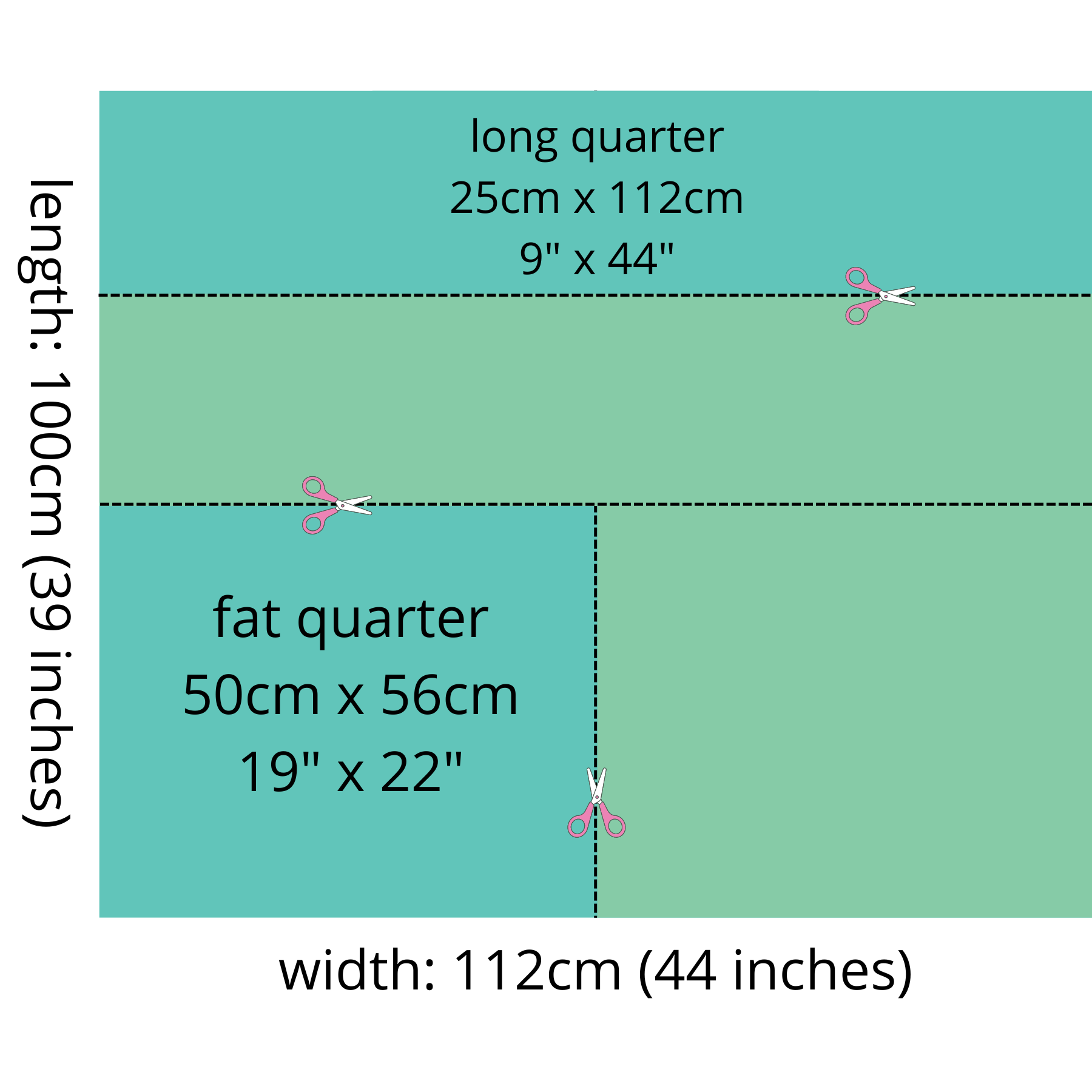
A fat quarter is a one-fourth yard cut of fabric that measures approximately 18 inches by 22 inches. While a standard “long quarter” is cut as 9 inches across the full width of the bolt, the fat quarter is created by cutting a half-yard and then splitting it vertically. This simple shift in geometry transforms a functionally limited strip of cloth into a versatile asset, creating a unique micro-economy within the sewing and quilting world.
Understanding the Unit of Measurement: Why “Fat Quarters” Matter in Retail Finance
From a purely mathematical standpoint, a fat quarter contains the same square footage as a traditional quarter-yard cut. However, from a financial and utility perspective, they are valued very differently.
Breaking Down the Standard Yard vs. The Fat Quarter
In traditional textile manufacturing, the yard is the standard unit of currency. However, for a consumer, a standard quarter-yard (9″ x 44″) is often too narrow for significant projects like mask-making, bag construction, or large quilt blocks. By reconfiguring the dimensions to 18″ x 22″, retailers provide a “fat” piece of fabric that allows for larger continuous shapes to be cut.
For the business owner, this is a strategic move in inventory liquidity. A bolt of fabric that sits on a shelf is “dead capital.” By pre-cutting that bolt into fat quarters, a retailer can move the inventory faster because the entry price point is lower for the consumer, even if the price per yard is technically higher.
The Psychology of the Lower Price Point
In the world of personal finance and consumer behavior, the “unit price” often takes a backseat to the “total checkout price.” A consumer might hesitate to spend $18 on a full yard of premium designer fabric, but they will rarely blink at spending $5 on a fat quarter.
This is a classic example of price anchoring. By offering a smaller, more affordable unit, retailers lower the barrier to entry for a purchase. This leads to higher transaction volumes and, frequently, a higher “Average Order Value” (AOV) as customers are prone to picking up multiple fat quarters—often referred to as “fabric candy”—rather than committing to a single large cut.
The Revenue Model: Maximizing Profit Margins on Pre-Cut Fabrics
The most compelling reason for any business to focus on fat quarters is the significant impact on gross profit margins. In the textile industry, value-added services are where the real money is made.
Value-Added Processing: Turning Raw Goods into Premium Units
When a retailer takes a bolt of fabric and cuts it into fat quarters, they are performing “light manufacturing.” This labor-intensive process justifies a price markup. If a designer fabric costs $12 per yard at retail, a shop might sell individual fat quarters for $4.00 to $4.50 each.
At $4.00 per fat quarter, the yield per yard becomes $16.00. This is a 33% increase in gross revenue compared to selling the fabric by the yard. Even after accounting for the labor cost of cutting and packaging, the net profit remains substantially higher. This “kitting” or “bundling” strategy is a cornerstone of successful specialty retail.
Reducing Waste and Dead Stock through Strategic Sizing
In any business involving physical goods, “remnants” (the leftover ends of a roll) are a financial drain. They are often sold at a loss or discarded. The fat quarter system minimizes this waste. Because the dimensions are standardized, shop owners can calculate exactly how many units they can extract from a bolt, leaving almost zero “tail” on the roll.
Furthermore, fat quarters allow shops to “curate” collections. By bundling 10-20 fat quarters from different designers into a “bundle,” a retailer can sell through slower-moving inventory by pairing it with a “hero” print that is in high demand. This prevents capital from being tied up in unpopular patterns.
Scalability and the Craft Economy: Turning Small Cuts into Big Business
The fat quarter is the ideal unit for the “Side Hustle” era. For entrepreneurs looking to enter the e-commerce market with limited capital, these small cuts of fabric offer a low-risk, high-reward entry point.
Low Overhead Entry Points for E-commerce Sellers
One of the biggest hurdles in retail is shipping and logistics. Large bolts of fabric are heavy, expensive to ship, and require significant storage space. Fat quarters, conversely, are lightweight and can often be shipped in standard envelopes or small flat-rate mailers.
For an online entrepreneur, this reduces the “Cost of Goods Sold” (COGS) and the fulfillment overhead. A business can be run out of a small home office, focusing on “curated bundles” where the value is not just in the fabric itself, but in the aesthetic eye of the seller who coordinates the colors and patterns.
Subscription Box Models and Recurring Revenue
The most stable form of income in the craft sector is recurring revenue. The fat quarter is the perfect product for a subscription box model. Because they are uniform in size, they are easy to pack and ship monthly.
Many successful textile brands now offer “Fat Quarter Clubs.” These clubs provide a steady stream of predictable monthly income, allowing the business owner to better manage cash flow and forecast inventory needs months in advance. The customer benefits from a “surprise and delight” factor, while the business benefits from the high LTV (Lifetime Value) of a recurring subscriber.
Financial Management for Fabric Entrepreneurs
Operating a business centered around fat quarters requires a keen eye on specific financial metrics that differ from traditional “big box” retail.
Inventory Turnover Ratios in the Boutique Textile Space
In finance, the Inventory Turnover Ratio measures how many times a company’s inventory is sold and replaced over a specific period. For a shop selling fat quarters, a high turnover is critical. Because fashion and design trends in the textile world move quickly, holding onto “last season’s” fat quarters can lead to a rapid devaluation of assets.
Successful entrepreneurs monitor which designers and colorways have the highest velocity. They use this data to reinvest their profits into “pre-cuts” that are likely to sell out within 30 to 60 days, ensuring that their capital is always working and never stagnant.
Cost-Benefit Analysis: Buying Wholesale vs. Curating Bundles
A sophisticated financial approach to this niche involves a detailed cost-benefit analysis of sourcing. Is it more profitable to buy 50 bolts of fabric at wholesale prices and hire labor to cut them into fat quarters, or is it more efficient to buy “pre-cut” bundles directly from the manufacturer?
While buying pre-cuts from a manufacturer (like Moda or FreeSpirit) reduces labor costs and equipment needs, it also lowers the profit margin. Conversely, cutting in-house increases the margin but introduces higher operational complexity and labor costs. The most successful businesses find a “sweet spot,” performing the cutting in-house for high-volume basics while outsourcing the labor for complex, multi-print designer collections.

Conclusion: The Small Unit with Large Financial Impact
The fat quarter of fabric is a testament to the idea that in business, the way a product is packaged and presented is often just as important as the product itself. By taking a commodity—cotton cloth—and resizing it to fit the specific needs and price sensitivities of a target market, the textile industry has created a highly efficient vehicle for wealth creation.
Whether you are a hobbyist looking to understand the value of your stash or an investor looking at the trends within the DIY economy, the fat quarter serves as a powerful reminder of how smart unit-economics can turn a simple material into a scalable, profitable business model. In the intersection of creativity and commerce, the fat quarter remains the gold standard for maximizing utility, minimizing waste, and driving consistent financial growth.
aViewFromTheCave is a participant in the Amazon Services LLC Associates Program, an affiliate advertising program designed to provide a means for sites to earn advertising fees by advertising and linking to Amazon.com. Amazon, the Amazon logo, AmazonSupply, and the AmazonSupply logo are trademarks of Amazon.com, Inc. or its affiliates. As an Amazon Associate we earn affiliate commissions from qualifying purchases.