
In the realm of health and wellness, understanding your body’s internal metrics is crucial for proactive management and informed decision-making. Among these metrics, fasting glucose stands out as a foundational measurement, offering a snapshot of how your body is processing sugar when it’s been at rest for a period. While the term might sound technical, its implications are far-reaching, touching upon aspects of personal finance (as healthcare costs can be significant), brand (in the context of personal health as a brand asset), and of course, technology (with the array of apps and gadgets that help monitor it). This article delves into the essence of fasting glucose, its significance, and how to interpret its readings within the broader context of your overall well-being.
The concept of fasting glucose is deceptively simple: it’s the level of sugar (glucose) in your blood after you haven’t eaten or drunk anything, other than water, for a specified period, typically eight to 12 hours. This period of abstinence allows your body to process any circulating glucose from recent meals, providing a baseline reading of your blood sugar regulation. Think of it as taking a picture of your blood sugar levels when your system isn’t actively being influenced by external food intake. This baseline is vital because it helps healthcare professionals understand your body’s inherent ability to manage glucose, a process fundamental to energy production and cellular function.
The Science Behind Fasting Glucose: Fueling Your Cells
Glucose, the primary sugar in our bloodstream, is the body’s main source of energy. It’s derived from the breakdown of carbohydrates we consume. Once absorbed into the bloodstream, glucose needs to be transported into our cells to be used for energy. This crucial transport is regulated by a hormone called insulin, produced by the pancreas. Insulin acts like a key, unlocking the doors of our cells to allow glucose to enter.
The Role of Insulin in Glucose Regulation
When you eat, your blood glucose levels rise. In response, your pancreas releases insulin. Insulin then signals your cells to absorb glucose from the bloodstream. As glucose enters your cells, your blood glucose levels decrease. If you don’t eat for a while, your body still needs energy. In response to lower blood glucose levels, your pancreas releases a different hormone called glucagon. Glucagon signals your liver to break down stored glucose (glycogen) and release it into the bloodstream, helping to maintain a steady supply of energy.
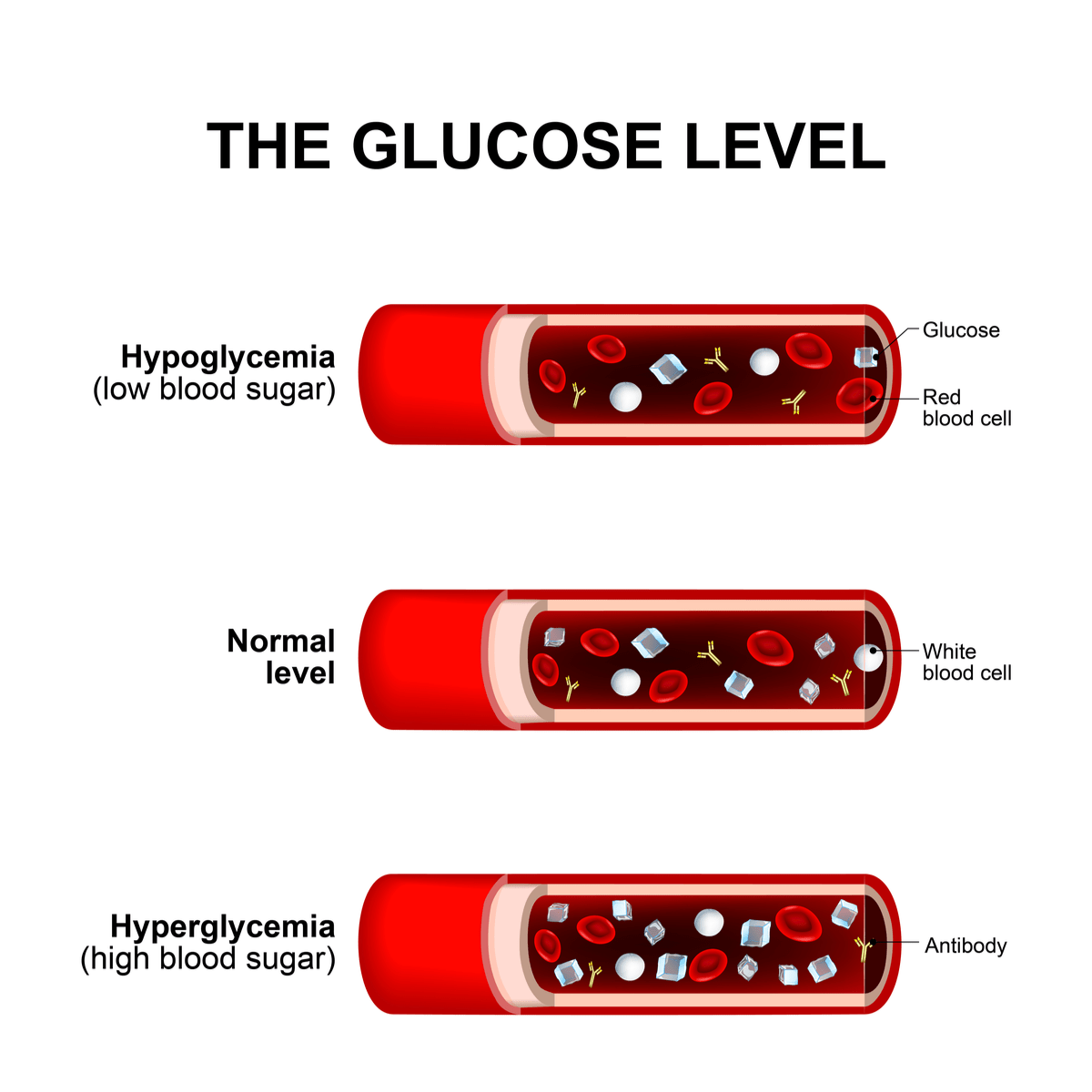
Fasting glucose, therefore, is a measurement that reflects the delicate balance between glucose production by the liver and glucose uptake by the cells, primarily under the influence of insulin. When this balance is disrupted, it can lead to elevated blood glucose levels, a condition that, if persistent, can have serious health consequences.
Why is Fasting Glucose So Important?
Understanding your fasting glucose levels is not merely an academic exercise; it’s a critical component of proactive health management. The numbers you get from a fasting glucose test can be an early indicator of various health conditions, most notably diabetes and prediabetes, but also offer insights into your metabolic health more broadly.
Detecting Prediabetes and Diabetes
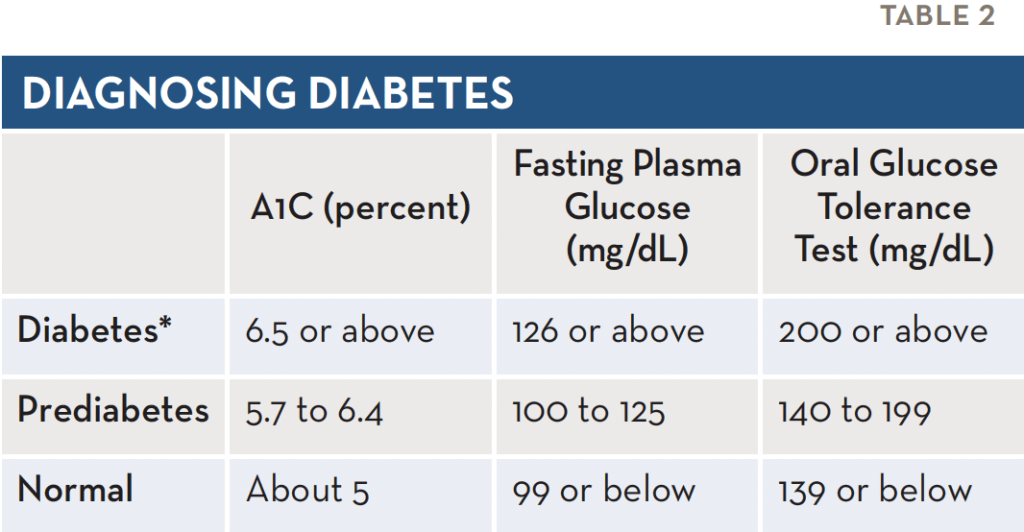
The most significant reason for monitoring fasting glucose is its role in screening for and diagnosing diabetes and its precursor, prediabetes.
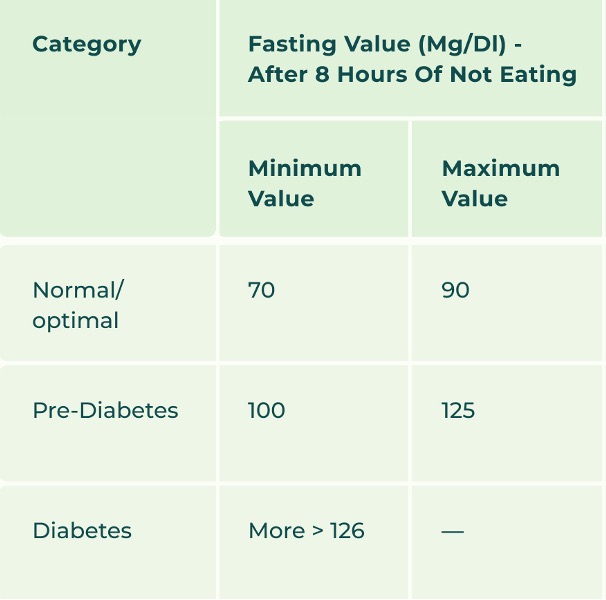
- Normal Fasting Glucose: Generally, a fasting glucose level below 100 mg/dL (5.6 mmol/L) is considered normal.
- Prediabetes: A fasting glucose level between 100 mg/dL (5.6 mmol/L) and 125 mg/dL (6.9 mmol/L) often indicates prediabetes. This means your blood sugar levels are higher than normal but not yet high enough to be diagnosed as type 2 diabetes. Prediabetes significantly increases your risk of developing type 2 diabetes, heart disease, and stroke.
- Diabetes: A fasting glucose level of 126 mg/dL (7.0 mmol/L) or higher on two separate occasions is generally indicative of diabetes.
Early detection through fasting glucose testing allows for timely intervention. For those with prediabetes, lifestyle modifications such as dietary changes and increased physical activity can often reverse the condition and prevent the progression to type 2 diabetes. For individuals diagnosed with diabetes, understanding their fasting glucose is the first step in a management plan that may involve medication, diet, and exercise to control blood sugar levels and prevent long-term complications.
Insights into Metabolic Health and Insulin Resistance
Beyond diabetes diagnosis, fasting glucose levels offer a window into your overall metabolic health. Elevated fasting glucose, even within the prediabetes range, can be a sign of insulin resistance. Insulin resistance is a condition where your body’s cells don’t respond effectively to insulin. This means glucose has a harder time entering cells, leading to higher blood glucose levels. Over time, insulin resistance can contribute to a range of health issues, including obesity, high blood pressure, and high cholesterol, all of which are significant risk factors for cardiovascular disease.
Monitoring fasting glucose can therefore serve as an early warning system for metabolic dysfunction. It prompts individuals to re-evaluate their lifestyle choices, including diet, exercise, and stress management, which all play a crucial role in insulin sensitivity and glucose regulation.
How to Get an Accurate Fasting Glucose Reading
The accuracy of your fasting glucose test hinges on following the recommended preparation guidelines diligently. Deviating from these instructions can lead to misleading results, potentially causing unnecessary worry or delaying appropriate medical attention.
Preparation for Your Fasting Glucose Test
The cornerstone of an accurate fasting glucose test is the overnight fast. Here’s what you need to know:
- The Fasting Period: You should not eat or drink anything, except plain water, for at least eight hours, and ideally 12 hours, before your blood test. Water is essential for hydration and doesn’t affect blood glucose levels.
- What to Avoid: This means no food, sugary drinks, coffee (even black, as it can sometimes affect blood sugar), tea, or any other beverages containing calories or sweeteners. If your test is scheduled for the morning, you can have dinner the night before and then begin your fast.
- Medications: Discuss any medications you are taking with your doctor. Some medications can affect blood glucose levels, and your doctor will advise you on whether to take them before the test or if any adjustments are needed.
- Alcohol and Smoking: It’s generally recommended to avoid alcohol for at least 24 hours before the test and to refrain from smoking on the day of the test, as both can influence glucose metabolism.
- Activity: While strenuous exercise can temporarily affect blood sugar, moderate activity is usually fine. However, it’s best to avoid intense workouts in the hours leading up to your test.
Understanding the Test Procedure
The fasting glucose test itself is a straightforward blood draw.
- The Blood Draw: A healthcare professional will draw a small sample of blood from a vein in your arm, typically at your doctor’s office or a laboratory.
- Home Monitoring Devices: For those who regularly monitor their glucose levels, home glucose meters are readily available. These devices use a small drop of blood from a finger prick to provide an almost immediate reading. However, it’s important to note that home glucose meters are best used for trend monitoring and may not be as precise as laboratory tests for diagnostic purposes. Regular calibration with laboratory tests is often recommended. The advent of wearable technology and continuous glucose monitors (CGMs) has further revolutionized glucose monitoring, offering real-time data and trend analysis, which can be invaluable for individuals managing diabetes or seeking to optimize their metabolic health. These technologies, often managed through smartphone apps, provide a sophisticated digital layer to understanding your body’s glucose fluctuations.
Beyond the Numbers: Lifestyle and Fasting Glucose
While the fasting glucose number is a critical data point, it doesn’t exist in isolation. Your lifestyle plays a profound role in shaping these readings, and conversely, understanding your fasting glucose can empower you to make impactful lifestyle changes.
The Impact of Diet and Exercise
The food you eat and how much you move are direct determinants of your blood glucose levels.
- Diet: A diet high in refined carbohydrates and sugars will naturally lead to higher glucose spikes. Conversely, a balanced diet rich in whole grains, lean proteins, healthy fats, and plenty of fruits and vegetables helps stabilize blood sugar. Fiber, in particular, plays a crucial role in slowing down glucose absorption.
- Exercise: Regular physical activity improves insulin sensitivity, meaning your cells become more efficient at taking up glucose from your blood. Even moderate exercise, like a brisk walk, can have a positive impact on fasting glucose levels over time.
The Role of Sleep and Stress
The often-overlooked factors of sleep and stress also significantly influence glucose regulation.
- Sleep: Chronic sleep deprivation can disrupt hormone balance, including those that regulate appetite and blood sugar, leading to increased insulin resistance and higher fasting glucose levels.
- Stress: When you’re stressed, your body releases stress hormones like cortisol. Cortisol can cause your liver to release more glucose into your bloodstream, thereby increasing your fasting glucose levels. Chronic stress can therefore contribute to persistently elevated blood sugar.
Conclusion: A Key Metric for Your Personal Brand of Health
In essence, fasting glucose is more than just a number; it’s a vital sign that offers crucial insights into your body’s metabolic health. By understanding what it is, why it’s important, and how to get an accurate reading, you are taking a significant step towards proactive health management. This knowledge, combined with the leverage of modern technology—from diagnostic tools and apps to wearable health trackers—empowers you to make informed decisions about your diet, exercise, stress management, and overall lifestyle.
Your health is, in many ways, your most valuable personal brand. It influences your energy levels, your ability to pursue your goals, and your overall quality of life. By paying attention to key metrics like fasting glucose, and by integrating this understanding with the technological tools at our disposal and sound financial planning for healthcare, you are investing in the long-term vitality and sustainability of your personal brand. Regular monitoring and a commitment to a healthy lifestyle are the cornerstones of maintaining optimal fasting glucose levels and building a resilient, energetic future.
aViewFromTheCave is a participant in the Amazon Services LLC Associates Program, an affiliate advertising program designed to provide a means for sites to earn advertising fees by advertising and linking to Amazon.com. Amazon, the Amazon logo, AmazonSupply, and the AmazonSupply logo are trademarks of Amazon.com, Inc. or its affiliates. As an Amazon Associate we earn affiliate commissions from qualifying purchases.