
Factoring, at its core, is a financial transaction and a powerful tool within business finance. It’s a mechanism that allows companies, particularly those with growth aspirations or experiencing cash flow challenges, to convert their outstanding invoices into immediate working capital. Instead of waiting for customers to pay their invoices, a business can sell these invoices to a third-party financial institution, known as a factor, at a discount. This provides the business with a quick infusion of cash, enabling them to meet immediate financial obligations, invest in growth opportunities, or simply improve their operational liquidity.

The concept of factoring is rooted in ancient trade practices, but its modern iteration has become a sophisticated financial service, crucial for many businesses navigating the complexities of modern commerce. It’s not a loan in the traditional sense, as it involves the sale of an asset (the invoice) rather than borrowing against it. This distinction is significant, impacting how it’s viewed by lenders and how it affects a business’s balance sheet. Understanding factoring is essential for any business owner looking to optimize their cash flow management and unlock financial flexibility.
The Mechanics of Factoring: How it Works
Factoring involves a straightforward, albeit multi-step, process that facilitates the conversion of receivables into usable cash. This system allows businesses to bypass the often-lengthy waiting periods associated with customer payment cycles, thereby smoothing out their cash flow.
Selling Your Invoices
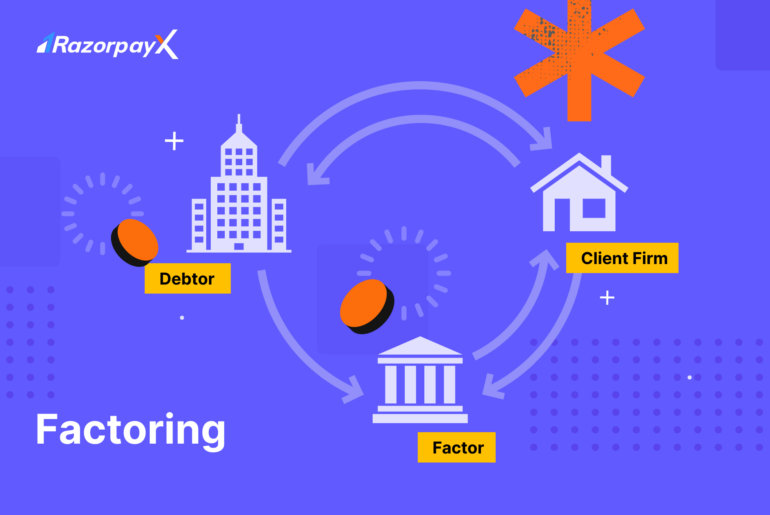
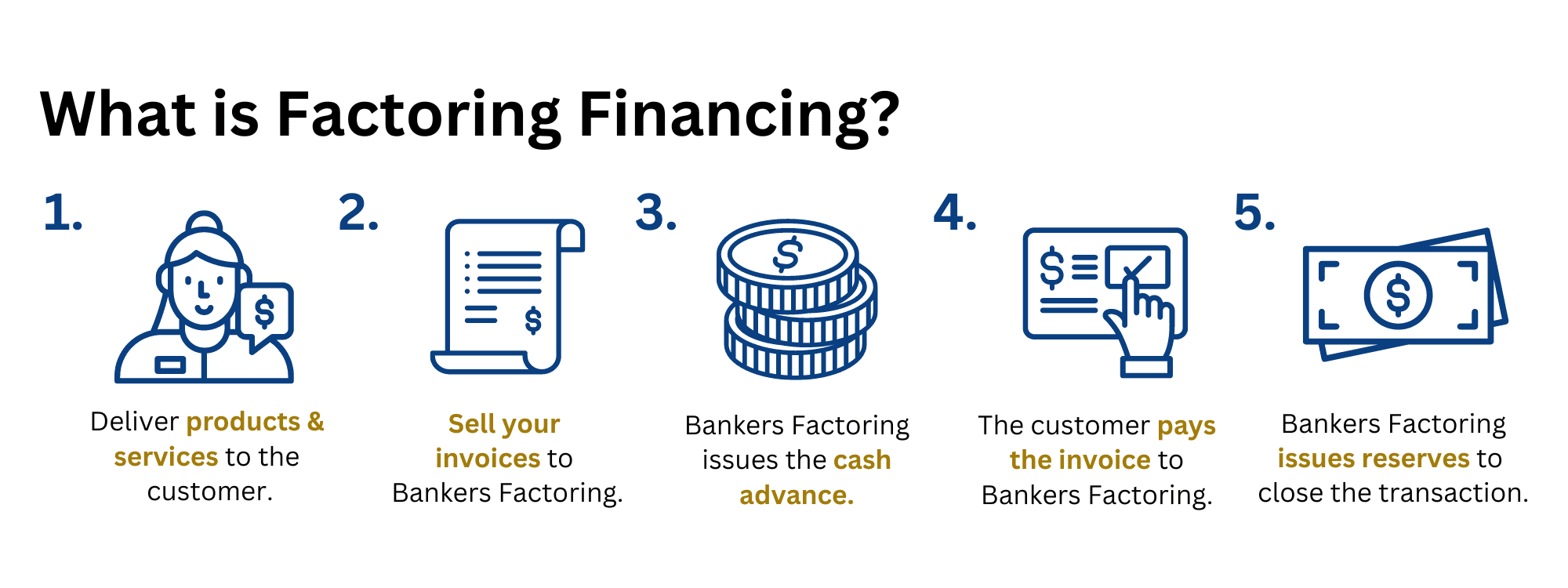
The initial step in factoring is the sale of outstanding invoices to a factoring company. A business, needing immediate funds, identifies its accounts receivable that are eligible for factoring. These are typically invoices issued to creditworthy customers. The business then submits these invoices to the factoring company. The factoring company, after a due diligence process to assess the creditworthiness of the debtor (the business’s customer), agrees to purchase these invoices.
The purchase price is not the face value of the invoice. Instead, the factor buys the invoices at a discount. This discount covers the factor’s fee, which includes their risk assessment, collection costs, and profit margin. The percentage of the invoice value provided upfront can vary, but it’s common for a factor to advance 70-90% of the invoice value almost immediately. The remaining percentage, minus fees, is paid to the business once the customer has paid the invoice in full.
The Role of the Factor
The factoring company takes on the responsibility of managing and collecting the debt from the business’s customers. This is a key differentiator from a traditional loan. The factor becomes the new owner of the invoice and, therefore, the entity responsible for pursuing payment. This can be particularly beneficial for businesses that lack the resources or expertise to manage their own accounts receivable effectively.
The factor’s services typically include:
- Invoice Verification: Confirming the validity and accuracy of the invoices with the business’s customers.
- Accounts Receivable Management: Maintaining records of payments, sending reminders, and managing the collection process.
- Credit Risk Mitigation (in non-recourse factoring): In certain types of factoring, the factor assumes the risk of customer non-payment due to insolvency, shielding the selling business from this financial burden.
This outsourced collection service can free up valuable time and resources for the selling business, allowing them to focus on their core operations and strategic growth initiatives.
Settlement and Rebate
Once the business’s customer pays the invoice directly to the factoring company, the factor deducts their agreed-upon fees. These fees encompass the discount rate, administrative charges, and any other agreed-upon costs. The remaining balance is then remitted to the selling business. This final payment is often referred to as the “rebate.”
For example, if a business factors an invoice for $10,000 and receives an 80% advance ($8,000), and the factoring fee is 3% ($300), the factor will collect the full $10,000 from the customer. After deducting their fee, the factor will remit the remaining $9,700 to the business (the $8,000 advance plus the $1,700 remaining portion of the invoice value after the fee is accounted for). In this scenario, the business has effectively received $8,000 immediately and an additional $1,700 later, for a total of $9,700, minus the $300 fee.
Types of Factoring Arrangements
Factoring is not a one-size-fits-all solution. Different types of factoring arrangements cater to varied business needs and risk tolerances. Understanding these distinctions is crucial for selecting the most appropriate factoring service.
Recourse vs. Non-Recourse Factoring
The primary distinction between factoring types lies in who bears the credit risk – the risk that the customer might not pay.
- Recourse Factoring: In a recourse factoring agreement, the selling business retains the credit risk. If the customer fails to pay the invoice due to reasons other than a dispute over goods or services (e.g., bankruptcy or insolvency), the business is obligated to buy back the uncollectible invoice from the factor. This is generally the less expensive type of factoring because the factor is not assuming the primary credit risk.
- Non-Recourse Factoring: With non-recourse factoring, the factoring company assumes the credit risk. If the customer fails to pay due to insolvency or bankruptcy, the factor absorbs the loss. This type of factoring provides greater financial protection for the selling business but typically comes with higher fees due to the increased risk taken by the factor. It’s important to note that non-recourse factoring usually only covers the risk of customer insolvency, not disputes arising from the quality of goods or services provided by the seller.
Invoice Discounting vs. Factoring
While often used interchangeably, invoice discounting and factoring have subtle but important differences, primarily concerning the level of client involvement and transparency.
- Invoice Discounting: In invoice discounting, the business remains responsible for collecting payments from its customers. The factoring company, often referred to as an “appointee” in this context, advances a percentage of the invoice value to the business. The business then collects the full amount from its customers and remits it to the appointee, who deducts their fees and returns the remainder. This arrangement is often preferred by larger, more established businesses that have robust internal credit control systems and wish to maintain direct contact with their clients. The factoring company’s involvement is often confidential.
- Factoring (Traditional): In traditional factoring, the factoring company takes over the entire sales ledger and is responsible for collecting payments from the customers. The business’s customers are usually informed that their invoices have been factored and are instructed to pay the factoring company directly. This is often known as “disclosed factoring.” This is a more hands-on approach for the factoring company and is frequently used by smaller businesses or those seeking comprehensive accounts receivable management.
Other Variations
Beyond these core distinctions, other variations exist to meet specific industry or business needs. For instance, some factors specialize in particular sectors, understanding the unique payment cycles and customer bases within those industries. There are also arrangements where only specific invoices or categories of invoices are factored, providing flexibility for businesses that only need occasional cash flow support.
The Benefits and Drawbacks of Factoring
Factoring offers a compelling solution for businesses seeking immediate liquidity, but like any financial tool, it comes with its own set of advantages and disadvantages that must be carefully weighed.
Advantages of Factoring
- Improved Cash Flow: The most significant benefit of factoring is the rapid infusion of cash. This can prevent cash flow gaps, allowing businesses to pay suppliers on time, meet payroll, and avoid late payment penalties. For growing businesses, this immediate capital can be crucial for expanding operations, taking on larger orders, or investing in new equipment.
- Outsourced Accounts Receivable Management: For businesses that struggle with collections, factoring can be a lifeline. The factor handles the administrative burden of invoicing, credit checks, and debt collection, freeing up internal resources to focus on core business activities. This can also lead to more efficient collection rates.
- No Additional Debt: Unlike a bank loan, factoring involves the sale of an asset, not the creation of new debt. This means it doesn’t typically increase a business’s debt-to-equity ratio, which can be important for maintaining good credit ratings and attracting future investment.
- Scalability: Factoring is a flexible financing solution. As a business grows and generates more invoices, the amount of capital it can access through factoring can increase proportionally. This allows financing to scale alongside business growth.
- Access for Businesses with Limited Credit History: For startups or businesses that may not qualify for traditional bank loans due to a lack of established credit history, factoring can be an accessible way to obtain working capital, as the primary focus is on the creditworthiness of the business’s customers.
Disadvantages of Factoring
- Cost: Factoring can be more expensive than traditional bank loans. The combined fees, including the discount rate and any other charges, can represent a significant percentage of the invoice value. Businesses must carefully calculate the total cost to ensure it remains financially viable.
- Loss of Control Over Customer Relationships: In traditional factoring, the factor communicates directly with the customers. This can sometimes lead to a perceived loss of control over customer relationships, especially if the factor’s collection approach is not aligned with the business’s customer service philosophy.
- Potential for Negative Customer Perception: Although professional, a factor’s collection efforts might be perceived negatively by some customers, potentially impacting the business’s image. This is less of an issue with invoice discounting where the business maintains customer contact.
- Not Suitable for All Businesses: Factoring is most effective for businesses that sell to other businesses (B2B) and issue invoices with payment terms. It is not suitable for businesses that primarily deal with cash transactions or have very few customers.
- Dependence on Customer Creditworthiness: While non-recourse factoring mitigates risk for the selling business, the availability and cost of factoring are still heavily influenced by the creditworthiness of the business’s customers.
When to Consider Factoring
Factoring is a strategic financial decision best suited for specific business circumstances. Understanding when factoring is most beneficial can help businesses leverage its advantages effectively.
Businesses Needing Immediate Working Capital
The most common reason for businesses to consider factoring is the need for immediate working capital. This often arises when:
- Experiencing Rapid Growth: As sales increase, the demand for inventory and operational expenses can outpace incoming payments. Factoring provides the liquidity to fund this expansion without delay.
- Facing Seasonal Fluctuations: Industries with seasonal peaks and troughs can use factoring to bridge the gap during slower periods or to stock up for busy seasons.
- Waiting for Large Payments: If a business has a few large invoices with extended payment terms (e.g., 60 or 90 days), factoring can unlock that capital much sooner, preventing cash flow shortages.
- Securing Early Payment Discounts: To take advantage of discounts offered by their own suppliers for early payment, businesses may use factoring to access cash quickly.
Businesses Seeking to Improve Operational Efficiency
Factoring can also be a tool for enhancing operational efficiency, particularly in areas related to financial management.
- Reducing Accounts Receivable Burden: Businesses that find managing their accounts receivable time-consuming or challenging can outsource this function to a factor, allowing their internal teams to concentrate on sales, product development, or customer service.
- Mitigating Credit Risk: For businesses that extend credit to customers with varying credit profiles, non-recourse factoring can provide valuable protection against bad debts.
- Improving Financial Flexibility: Access to readily available working capital through factoring allows businesses to be more agile in responding to opportunities, such as sudden large orders or competitive market conditions.
Businesses Finding Traditional Financing Difficult
In some situations, businesses may explore factoring because they encounter challenges obtaining traditional financing.
- Startups and New Businesses: Companies with short operating histories or limited collateral may find it difficult to qualify for bank loans or lines of credit. Factoring, which relies on the strength of receivables, can be a more accessible alternative.
- Businesses in High-Growth but High-Risk Industries: Certain industries, while offering significant growth potential, might be perceived as higher risk by traditional lenders. Factoring can provide a vital financial lifeline for businesses operating in these sectors.
- Businesses Recovering from Financial Difficulties: Companies looking to rebuild their financial stability might find factoring a practical way to generate immediate cash flow and demonstrate financial viability while they work towards long-term recovery.
Factoring, therefore, is a versatile financial instrument that plays a critical role in business finance, offering a dynamic solution for managing cash flow, supporting growth, and enhancing operational agility for a wide array of businesses.
aViewFromTheCave is a participant in the Amazon Services LLC Associates Program, an affiliate advertising program designed to provide a means for sites to earn advertising fees by advertising and linking to Amazon.com. Amazon, the Amazon logo, AmazonSupply, and the AmazonSupply logo are trademarks of Amazon.com, Inc. or its affiliates. As an Amazon Associate we earn affiliate commissions from qualifying purchases.