
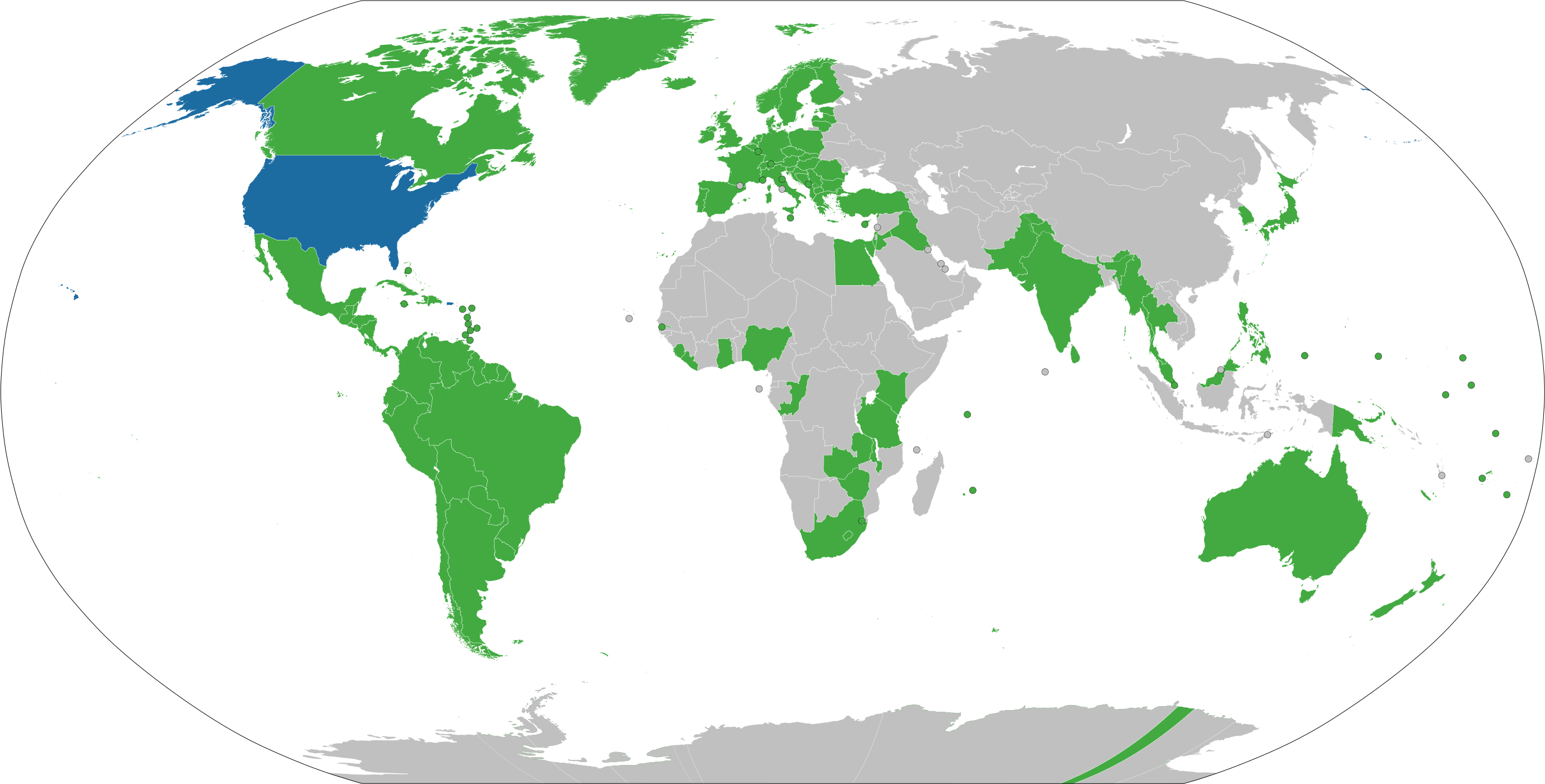
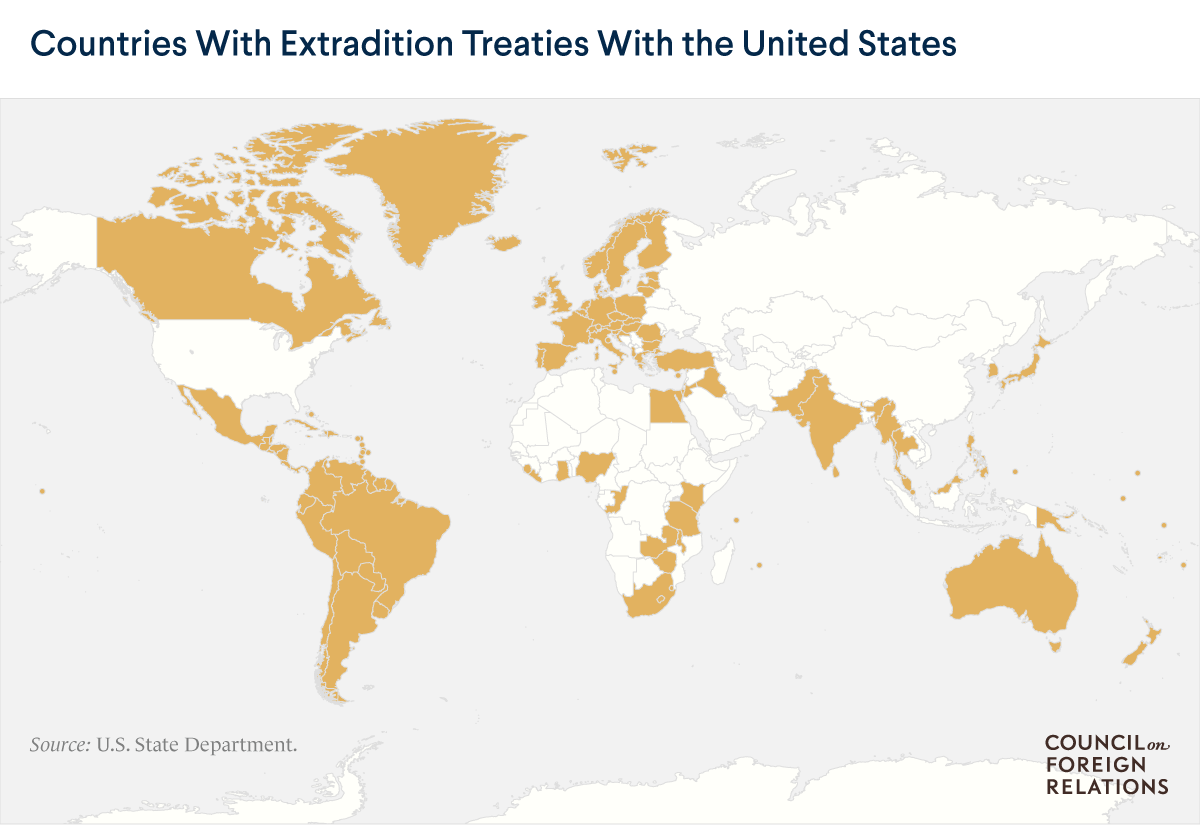
The term “extradite” often conjures images of high-stakes international crime dramas, but its implications in the world of finance, business, and personal wealth management are very real and significant. At its core, extradition is the formal process by which one sovereign state delivers an individual to another sovereign state for prosecution or punishment for crimes committed in the requesting state’s jurisdiction. While the legal framework is complex and rooted in international law, its practical application frequently arises from financial misconduct, making it a critical, albeit often overlooked, aspect of international business finance, compliance, and personal financial risk management.

The Financial Nexus: Why Extradition Matters in Money Matters
While extradition applies to a wide range of serious offenses, a disproportionately significant number of international extradition requests stem from financial crimes. In an increasingly globalized economy, where money moves across borders with unprecedented speed and volume, the opportunities for financial fraud, money laundering, tax evasion, and embezzlement have expanded dramatically. When individuals or entities engage in illicit financial activities that span multiple jurisdictions, extradition becomes a primary tool for states to enforce their financial laws and bring offenders to justice.
Consider the complexity of tracking illicit financial flows. A sophisticated money laundering scheme might involve shell corporations in one country, offshore bank accounts in another, and transactions routed through various financial instruments globally. When authorities in one country identify a suspect residing in another, extradition is the mechanism that allows them to repatriate that individual to face charges or serve a sentence related to these financial offenses. Understanding this interconnectedness is vital for anyone engaged in international business, cross-border investments, or managing substantial wealth.
Common Financial Offenses Driving Extradition
The types of financial crimes that frequently trigger extradition requests are diverse, but they all share the common characteristic of impacting financial systems and economic stability. These include:
Money Laundering
This involves disguising the origins of illegally obtained money through a series of transactions, making it appear legitimate. With the rise of digital currencies and international banking, money laundering schemes have become incredibly intricate, often spanning dozens of countries. Nations with strict anti-money laundering (AML) regulations actively pursue individuals suspected of such activities, often leading to extradition requests when suspects flee or reside abroad. The financial integrity of national economies depends heavily on the ability to combat this crime, making it a priority for international legal cooperation.
Financial Fraud and Embezzlement
From large-scale corporate fraud schemes involving billions in investor funds to individual embezzlement from businesses or charities, these crimes directly impact financial assets and market confidence. Ponzi schemes, investment scams, and elaborate accounting frauds often involve international elements, such as victims or perpetrators located in different countries, or the movement of illicit funds across borders. When a perpetrator attempts to evade justice by relocating, an extradition request becomes inevitable to recover assets and punish the offense.
Tax Evasion and Offshore Tax Schemes
While tax laws vary significantly between nations, deliberate and significant efforts to avoid paying legally owed taxes, particularly through the use of undeclared offshore accounts or complex international structures, can lead to severe penalties. International agreements and bilateral tax treaties aim to share financial information and cooperate on tax enforcement. If an individual is found to have committed serious tax fraud in one country and then moves to another, extradition can be sought to compel them to face charges and recover lost tax revenue. The financial implications for the state (loss of revenue) and the individual (penalties, asset forfeiture) are substantial.
Bribery and Corruption
Crimes such as bribery of foreign officials (often under acts like the Foreign Corrupt Practices Act in the US) or large-scale public corruption schemes can have profound economic consequences, distorting markets and undermining fair competition. These offenses often involve the illicit transfer of funds and assets across national borders, making them ripe for extradition when individuals attempt to escape accountability by fleeing their home jurisdiction. The financial cost of corruption to global economies is staggering, prompting concerted international efforts to prosecute offenders.
The Financial Burden and Consequences of Extradition
Beyond the immediate legal ramifications, the process and outcome of an extradition can impose immense financial burdens and devastating consequences on individuals, their families, and even related businesses.
Legal Costs and Asset Freezes
Mounting a defense against an extradition request, which often involves complex international legal arguments, is extraordinarily expensive. Legal fees can quickly escalate into hundreds of thousands or even millions of dollars, draining personal wealth or corporate reserves. Furthermore, during an investigation or pending extradition, authorities may freeze assets, including bank accounts, investments, and properties, both domestically and internationally. This can cripple an individual’s financial liquidity, prevent them from accessing funds for their defense, and severely impact a business’s operational capacity, even before any guilt is proven.
Reputational Damage and Business Impact
For individuals, facing an extradition request, especially one linked to financial crime, can irrevocably destroy personal and professional reputations. This can lead to job loss, difficulty in future employment, and social ostracism. For business owners or executives, the mere accusation can lead to a collapse in investor confidence, loss of clients, plummeting stock values, and a damaged brand image. The financial repercussions for a business can include reduced revenue, increased scrutiny from regulators, and a complete cessation of international operations.
Fines, Penalties, and Asset Forfeiture
If extradited and subsequently convicted, individuals face severe financial penalties, including substantial fines that can be multiples of the illicit gains. Moreover, asset forfeiture is a common consequence, where assets acquired through or involved in criminal activity are seized by the state. This can include real estate, luxury goods, bank balances, and investment portfolios, effectively stripping the convicted individual of their wealth. For businesses, civil penalties and disgorgement of profits can be equally devastating, potentially leading to bankruptcy.
Mitigating Risks: Protecting Your Financial Interests Internationally
For individuals engaged in international finance, cross-border business, or managing significant wealth, understanding the risks associated with extradition is a critical component of robust financial planning and risk management. Proactive measures can significantly reduce exposure:
Rigorous Due Diligence and Compliance
Businesses operating internationally must implement stringent compliance programs, particularly for AML (Anti-Money Laundering) and KYC (Know Your Customer) regulations. Thorough due diligence on international partners, clients, and transactions is essential to identify and avoid involvement in illicit financial activities. For individuals, understanding the source of funds in any investment or business deal is paramount.
Expert Legal and Tax Counsel
Before engaging in complex international financial structures, investments, or business ventures, seek advice from legal and tax professionals specializing in international law and cross-border finance. They can help navigate the intricacies of different jurisdictions’ laws, ensure compliance, and structure operations in a manner that minimizes legal and financial risks.
Understanding Jurisdictional Laws
Ignorance of the law is no defense, especially across borders. What might be permissible in one country could be a serious financial crime in another. Individuals with global financial interests must understand the legal frameworks of all jurisdictions where they operate or hold assets, particularly regarding tax obligations, anti-corruption statutes, and financial transparency laws.
Secure Digital Financial Practices
In an age of digital assets and online transactions, maintaining robust digital security practices is also financially prudent. While not directly preventing extradition, it helps safeguard against financial fraud, identity theft, and other cybercrimes that can initiate complex financial investigations spanning jurisdictions.
Extradition, while a legal process, is deeply intertwined with financial conduct. For anyone managing wealth, running an international business, or engaging in cross-border financial activities, a comprehensive understanding of what extradition entails, the financial crimes that drive it, and its potential financial repercussions is not just prudent—it’s essential for safeguarding financial health and ensuring long-term stability.
aViewFromTheCave is a participant in the Amazon Services LLC Associates Program, an affiliate advertising program designed to provide a means for sites to earn advertising fees by advertising and linking to Amazon.com. Amazon, the Amazon logo, AmazonSupply, and the AmazonSupply logo are trademarks of Amazon.com, Inc. or its affiliates. As an Amazon Associate we earn affiliate commissions from qualifying purchases.