
In the intricate world of brand building and marketing, the principles of classical conditioning play a profound, often subconscious, role in shaping consumer perception and loyalty. Brands strive to create powerful, positive associations in the minds of their target audience, linking their products or services to desirable emotions, experiences, and outcomes. However, just as these associations can be meticulously built, they can also weaken and disappear – a phenomenon known as extinction in the realm of classical conditioning. Understanding extinction is not merely an academic exercise for marketers; it’s a critical insight into maintaining brand relevance, preventing customer churn, and successfully navigating competitive landscapes.

The Foundation: Classical Conditioning in Brand Building
At its core, classical conditioning, first extensively studied by Ivan Pavlov, involves learning through association. It demonstrates how a neutral stimulus can acquire the ability to elicit a response previously elicited by another, naturally occurring stimulus. In branding, this mechanism is a cornerstone of how consumer preferences and emotional connections are forged.
Unconditioned Stimuli and Responses in Marketing
Every effective brand strategy begins with identifying powerful unconditioned stimuli (UCS) that naturally evoke a desired unconditioned response (UCR). These are innate, unlearned reactions. For instance, the feeling of warmth and comfort on a cold day (UCS) might naturally evoke a feeling of relief and pleasure (UCR). A visually appealing advertisement (UCS) can naturally draw attention and positive aesthetic appreciation (UCR). Celebrity endorsements leverage the pre-existing positive feelings and admiration consumers have for a public figure (UCS) to generate a favorable reaction (UCR) towards the associated product. Similarly, a delicious taste or an exceptional customer service experience are potent UCSs that naturally lead to positive UCRs like satisfaction and enjoyment.
Creating Conditioned Brand Associations
The art of branding lies in consistently pairing a brand’s specific elements—its logo, jingle, slogan, product name, or even its unique packaging—with these powerful unconditioned stimuli. Over time, through repeated pairings, the brand element, which was initially a neutral stimulus (NS), transforms into a conditioned stimulus (CS). Once this transformation occurs, the brand element alone can elicit a conditioned response (CR) that mirrors the unconditioned response.
Consider a coffee brand that consistently pairs its distinctive aroma and logo with images of people enjoying cozy mornings, productive work sessions, or genuine social connections. The cozy morning, productivity, and social connection are UCSs, evoking feelings of comfort, accomplishment, and belonging (UCRs). The coffee brand’s aroma and logo are the NS. Through repeated association, the aroma and logo become CSs, independently capable of eliciting feelings of comfort, accomplishment, and belonging (CRs) even without the explicit presence of the initial UCS. This creates a powerful emotional bond, driving brand preference and loyalty. This intricate dance of association is fundamental to how brands establish their identity and emotional resonance in the marketplace.
The Onset of Extinction: When Brand Associations Fade
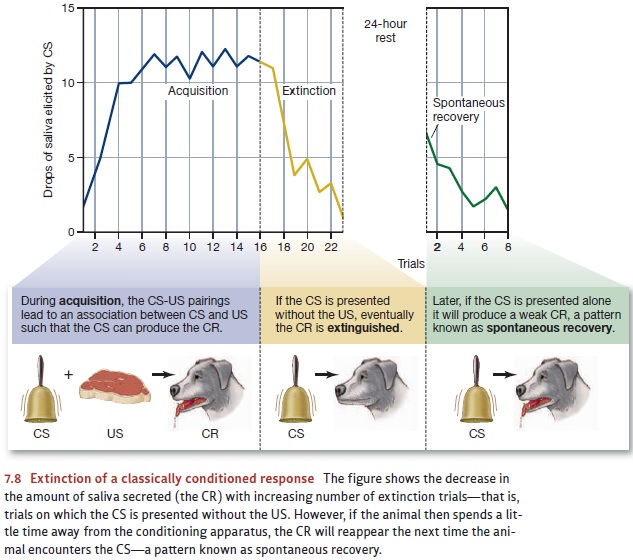
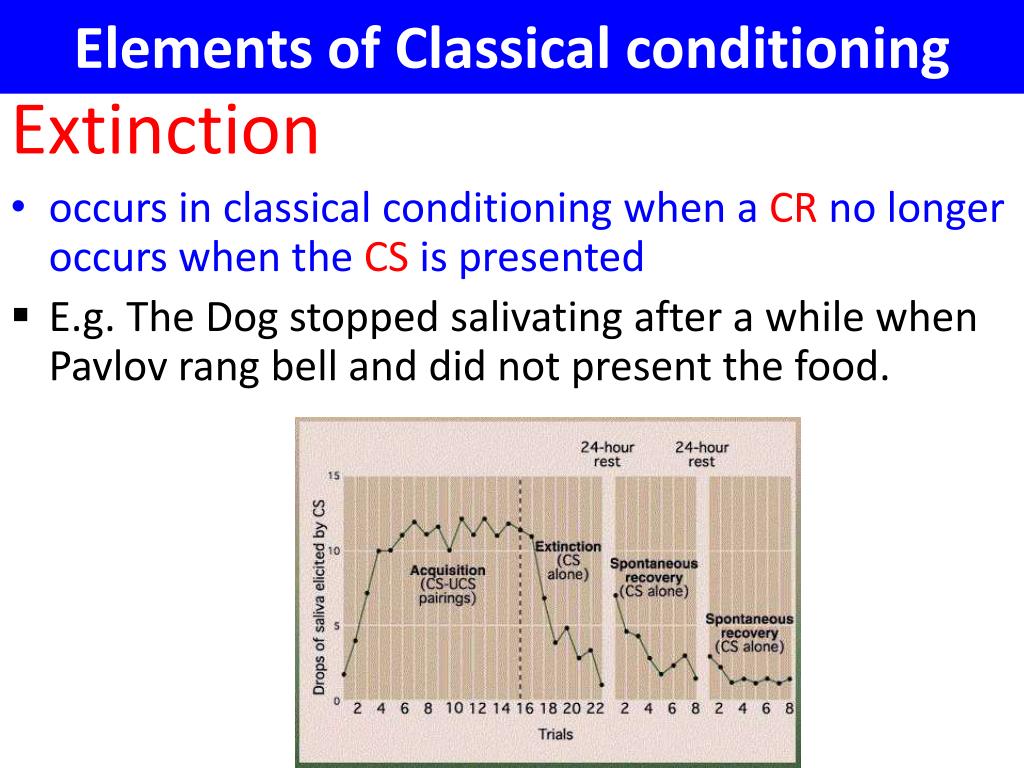
While building strong brand associations is paramount, these connections are not immutable. Just as they are learned, they can be unlearned or forgotten. Extinction in classical conditioning refers to the gradual weakening and eventual disappearance of a conditioned response when the conditioned stimulus is repeatedly presented without the unconditioned stimulus. In the brand world, this means that the positive emotional connection or desired behavior (e.g., purchase intent) a brand has cultivated might diminish if the brand (CS) no longer consistently delivers or is associated with the positive experiences or benefits (UCS) that initially forged that connection.
What Causes Extinction in Branding?
Several factors can lead to the extinction of a brand’s conditioned responses:
- Inconsistent Messaging and Experience: If a brand’s marketing consistently promises a premium experience (UCS) but the actual product or service delivery (CS) fails to meet that expectation, the positive association will gradually erode. Consumers learn that the brand no longer reliably predicts the desired outcome.
- Lack of Reinforcement: A brand that ceases its marketing efforts or becomes stagnant in its innovation will inevitably see its conditioned responses weaken. Without continuous exposure and reaffirmation of the brand’s value proposition, its presence in the consumer’s mind fades, and the associated positive feelings diminish.
- Negative Publicity or Experiences: While classical conditioning focuses on positive reinforcement, negative events can rapidly accelerate extinction. A product recall, a scandal involving a celebrity endorser, or widespread poor customer reviews can act as a powerful negative UCS, actively disrupting and overriding previously established positive CS-CR links.
- Competitor Actions: Aggressive marketing by competitors offering similar or superior UCSs (e.g., better features, lower prices, more appealing lifestyle imagery) can effectively “extinguish” a brand’s existing associations by replacing them with new, stronger ones linked to rival brands.
- Changing Consumer Preferences: What constituted a compelling UCS in the past might lose its appeal over time. If a brand fails to adapt its offerings or messaging to evolving consumer values and desires, its established conditioned responses may become irrelevant.
Measuring the Decline of Brand Recall and Preference
The signs of brand extinction manifest in measurable ways within the market. A decline in brand recall, where consumers struggle to remember a brand when prompted by its category, is a clear indicator. Reduced brand recognition, decreased purchase intent, dwindling brand loyalty metrics, and a drop in customer engagement across digital and physical touchpoints all point towards the weakening of previously conditioned responses. Market share erosion and negative sentiment analysis also provide critical data points, signaling that the brand is losing its once-strong grip on consumer perception and behavior.
Reversing the Trend: Strategies to Combat Brand Extinction
The good news for marketers is that extinction is not necessarily permanent. While a conditioned response can weaken, it can often be re-established or spontaneously reappear, provided the right strategies are employed. The goal is to counteract the fading associations and re-ignite the positive connections consumers have with the brand.
Reconditioning Through Consistent Messaging
The most straightforward way to combat extinction is through reconditioning. This involves re-establishing the pairing between the brand (CS) and a potent unconditioned stimulus (UCS). Marketers must consistently and strategically re-expose their target audience to the brand alongside highly desirable experiences, benefits, or emotions. This might involve:
- Refreshed Advertising Campaigns: Launching new campaigns that strongly associate the brand with current cultural trends, aspirational lifestyles, or solutions to pressing consumer needs.
- Product Innovation and Improvement: Introducing new features or significantly enhancing existing products to create fresh, positive unconditioned experiences that are then linked back to the brand.
- Exceptional Customer Experiences: Ensuring every customer interaction is positive, memorable, and reinforces the brand’s core promise, acting as a continuous UCS.
- Strategic Partnerships: Collaborating with other reputable brands or influencers that embody positive values, effectively borrowing their UCS to bolster the brand’s image.
Consistency and frequency are key during reconditioning. The goal is to make the brand reliably predict the desired positive outcome once again.
Spontaneous Recovery and Renewal Effects
Classical conditioning also offers hope through phenomena like “spontaneous recovery” and “renewal.” Spontaneous recovery refers to the temporary reappearance of a conditioned response after a period of rest following extinction. While often weaker than the original response, it suggests that the learned association isn’t entirely erased but merely suppressed. This implies that a dormant brand, even after a period of low activity, might still evoke some residual positive feelings if given the right prompt.
The “renewal effect” occurs when a conditioned response that has been extinguished in one context reappears when the conditioned stimulus is presented in a different context. For brands, this highlights the importance of context in consumer perception. A brand whose appeal waned in a traditional retail setting might find its associations reinvigorated when introduced through a new e-commerce channel or a unique pop-up experience. Understanding these effects allows marketers to strategize comeback campaigns that leverage existing, albeit suppressed, associations and explore new channels or environments to revive brand interest.
Stimulus Generalization and Discrimination in Revival
When a brand is attempting to re-establish its standing, leveraging stimulus generalization and discrimination can be crucial. Stimulus generalization occurs when consumers react to new stimuli that are similar to the original conditioned stimulus. A revived brand might introduce new product lines or extend its reach into related categories, capitalizing on the positive associations still held for its original offerings. The hope is that the positive CR for the original product generalizes to the new extensions.
Conversely, stimulus discrimination involves learning to respond differently to similar but distinct stimuli. If a brand has undergone significant negative publicity, it might need to actively discriminate itself from its past issues. This could involve a complete rebrand, a public apology with concrete actions, or a clear differentiation strategy to ensure consumers associate the “new” brand with positive UCSs, rather than generalizing the negative CRs from its past. Balancing generalization for growth and discrimination to overcome past hurdles is a delicate but vital aspect of brand revival.
Preventing Extinction: Maintaining Brand Relevance and Strength
While strategies exist to combat extinction, the most effective approach is prevention. Proactively maintaining a brand’s relevance and strengthening its conditioned associations is far more efficient than attempting to reverse a decline. This requires a continuous, vigilant approach to brand management and customer engagement.
Continuous Engagement and Adaptation
Brands must view their relationship with consumers as an ongoing dialogue, not a static transaction. Continuous engagement ensures that the brand (CS) is repeatedly paired with positive experiences and benefits (UCSs). This includes:
- Consistent Marketing and Communication: Regular, fresh, and relevant campaigns keep the brand top-of-mind and reinforce its value proposition.
- Active Social Media Presence: Engaging with customers, addressing concerns, and sharing valuable content helps maintain a vibrant, positive brand image.
- Community Building: Fostering a sense of belonging and shared identity among customers, where the brand acts as a central figure, creating strong positive group UCSs.
- Personalization: Tailoring experiences and communications to individual customer needs makes the brand feel more relevant and valuable, strengthening the CS-UCS link.
Moreover, adaptation is crucial. Consumer tastes, technological landscapes, and societal values are constantly evolving. Brands must continuously monitor these shifts and adapt their products, services, and messaging to remain relevant and ensure their UCSs continue to resonate powerfully with their target audience.
Brand Refresh vs. Brand Overhaul
Maintaining relevance doesn’t always require a drastic change. Brands often engage in “brand refreshes” – subtle updates to logos, messaging, or aesthetics – to keep their image contemporary without losing established equity. This is a delicate balance, aiming to introduce new UCSs or modernize existing ones while retaining the core CS that consumers recognize and trust. A refresh can subtly reinforce positive associations and signal innovation without alienating existing loyalists.
However, sometimes a “brand overhaul” is necessary. If a brand has experienced significant extinction or is operating in a fundamentally changed market, a complete reinvention might be the only path to survival. This is a more radical process, often involving a new name, logo, positioning, and even product lines. In essence, it attempts to create a new conditioned stimulus and build an entirely new set of conditioned responses from the ground up, acknowledging that the old associations are too far gone or irrevocably damaged. Understanding the degree of extinction and the potential for spontaneous recovery helps determine whether a refresh or a complete overhaul is the most strategic path forward for sustained brand success.
aViewFromTheCave is a participant in the Amazon Services LLC Associates Program, an affiliate advertising program designed to provide a means for sites to earn advertising fees by advertising and linking to Amazon.com. Amazon, the Amazon logo, AmazonSupply, and the AmazonSupply logo are trademarks of Amazon.com, Inc. or its affiliates. As an Amazon Associate we earn affiliate commissions from qualifying purchases.