
Experimental music, in its most fundamental sense, is a genre that pushes the boundaries of conventional musical structures, sounds, and instrumentation. It’s a realm where artists are less concerned with pleasing established tastes and more driven by exploration, innovation, and the questioning of musical norms. This pursuit often leads to sonic landscapes that are challenging, surprising, and profoundly different from what might be considered “traditional” music.
At its core, experimental music is defined by its departure from established musical aesthetics, theoretical frameworks, and performance practices. It thrives on a spirit of inquiry, seeking new ways to conceive, create, and experience sound. This can manifest in a vast array of approaches, from radical alterations of existing instruments and the invention of entirely new ones, to the utilization of unconventional sound sources, the employment of novel compositional techniques, and the rejection of traditional notions of melody, harmony, and rhythm. It’s a genre that thrives on risk-taking and the willingness to venture into the unknown, often for the sole purpose of discovery.

The history of experimental music is intertwined with broader artistic and philosophical movements. From the Dadaists’ rejection of logic and reason in the early 20th century to the avant-garde movements that followed, artists have consistently sought to dismantle and reimagine existing paradigms. In music, this translated to composers like John Cage, whose embrace of chance operations and silence fundamentally altered the perception of what music could be. Later, figures like Karlheinz Stockhausen, Iannis Xenakis, and the members of the Fluxus movement, each in their unique ways, continued to expand the sonic and conceptual territories of music. This ongoing evolution means that “experimental music” is not a static entity but a perpetually shifting landscape of creative inquiry.
The Philosophical Underpinnings of Experimental Music
The drive behind experimental music is often rooted in a deep philosophical engagement with sound, perception, and the very nature of art. It’s not merely about creating a sound that is different for the sake of being different; rather, it’s about questioning the assumptions that govern our understanding of music and the world.
Challenging Perceptual Boundaries
A central tenet of experimental music is its ability to challenge our ingrained perceptual habits. We are accustomed to music that follows predictable patterns, resolves dissonances, and adheres to established forms. Experimental music often subverts these expectations, forcing listeners to engage with sound on a more visceral and analytical level. This can involve presenting sounds in unexpected juxtapositions, extending durations beyond conventional listening experiences, or utilizing timbres that lie outside the commonly accepted sonic palette. The aim is not necessarily to alienate the listener, but to foster a more active and conscious engagement with the act of listening itself. By doing so, experimental music encourages a re-evaluation of what constitutes “pleasing” or “musical” sound.
The Role of Intent and Concept
In many cases, the conceptual framework behind an experimental musical work is as significant as the sonic output itself. Composers and artists may be driven by specific philosophical ideas, theoretical investigations, or social commentary. For instance, the use of found objects as instruments might be an exploration of the sonic potential inherent in the everyday world, or a critique of the established hierarchies of musical instruments. The intention is to imbue the music with a layer of meaning that transcends pure auditory experience, inviting the listener to contemplate the ideas that informed its creation. This conceptual depth is what often distinguishes experimental music from merely unconventional or dissonant compositions.
Methodologies and Techniques in Experimental Music
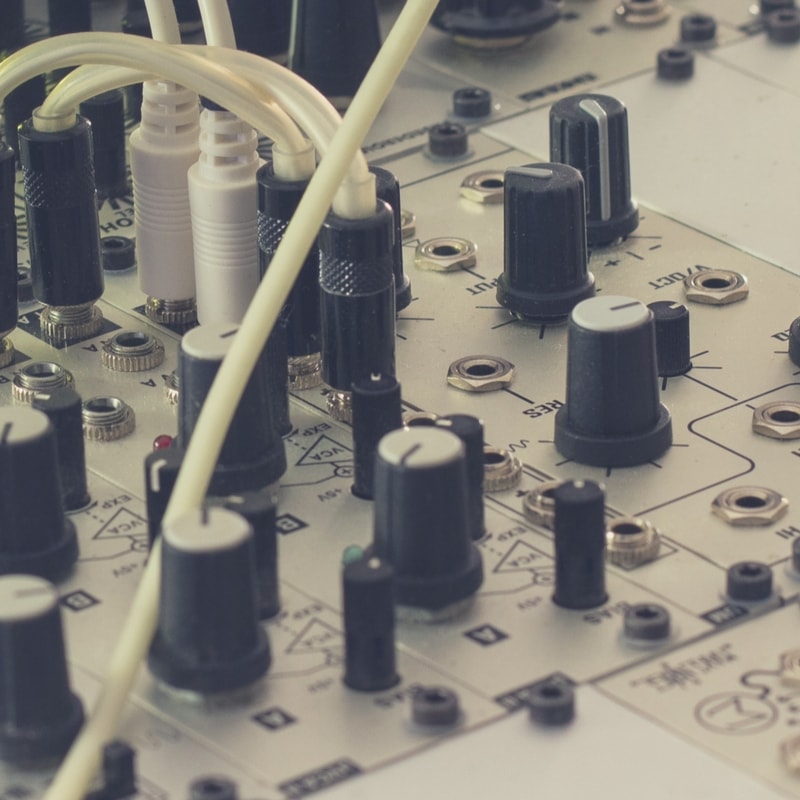
The breadth of experimental music means that there is no single set of rules or methodologies. Instead, artists draw from a diverse toolkit of approaches, often inventing new ones as needed. This inventiveness is a hallmark of the genre.
Sonic Exploration and Instrumentation
One of the most visible aspects of experimental music is its exploration of novel sounds and instruments. This can range from modifying existing instruments to create new timbres, such as bowing a piano or preparing a drum kit with various objects, to the invention of entirely new instruments. Electronic music has provided a vast playground for sonic experimentation, with early pioneers like Daphne Oram and Delia Derbyshire using early synthesizers and tape manipulation to craft sounds that were previously unimaginable. In more recent times, the integration of digital technologies, real-time audio processing, and algorithmic composition has further expanded the possibilities. The focus is often on discovering the inherent sonic qualities of materials, objects, and technologies, and then employing them in musical contexts.
Novel Compositional and Structural Approaches
Beyond instrumentation, experimental music frequently deviates from traditional compositional structures. This can include:
- Aleatoric Music (Chance Operations): As popularized by John Cage, this involves introducing elements of randomness into the composition or performance, such as rolling dice to determine pitches or durations. The performer’s interpretation of these chance elements becomes crucial.
- Minimalism: While often recognized as its own genre, early minimalist composers like La Monte Young and Steve Reich employed experimental techniques, focusing on repetition, gradual transformation, and static harmonies to create immersive sonic experiences.
- Improvisation: Free improvisation, where musicians create music spontaneously without pre-determined structures or melodies, is a significant branch of experimental music. It emphasizes interaction, responsiveness, and the immediate creation of sonic events.
- Conceptual Scores: Some experimental music is realized through detailed conceptual instructions or graphic scores that offer a framework for interpretation rather than precise notation. This allows for a high degree of performer agency and reinterpretation.
- Found Sounds and Field Recordings: The incorporation of non-musical sounds captured from the environment (field recordings) or everyday objects (found sounds) is another common practice, blurring the lines between music and ambient sound.
The Impact and Legacy of Experimental Music
The influence of experimental music, though often subtle, is far-reaching. Its spirit of inquiry has permeated various genres and continues to inspire new generations of artists.
Cross-Pollination with Other Genres
While experimental music might seem like an isolated niche, its ideas and techniques have frequently seeped into more mainstream genres. The use of electronic processing, ambient textures, and unconventional song structures in popular music often owes a debt to the pioneering work of experimental artists. From the ambient soundscapes of Brian Eno to the deconstructed electronic beats of IDM (Intelligent Dance Music), the fingerprints of experimentalism are evident. Furthermore, the spirit of questioning established norms and pursuing unique artistic visions remains a driving force for many artists across the musical spectrum.
Pushing the Boundaries of Artistic Expression
Ultimately, experimental music serves as a vital engine for artistic innovation. It challenges the very definition of what music can be, encouraging us to listen with open minds and to appreciate the vast potential of sound. It is a testament to the human drive for exploration and the enduring power of creativity to push beyond the familiar. While it may not always be easy listening, experimental music offers profound rewards for those willing to embark on its sonic journeys, expanding our understanding of ourselves and the world around us through the limitless possibilities of sound.
aViewFromTheCave is a participant in the Amazon Services LLC Associates Program, an affiliate advertising program designed to provide a means for sites to earn advertising fees by advertising and linking to Amazon.com. Amazon, the Amazon logo, AmazonSupply, and the AmazonSupply logo are trademarks of Amazon.com, Inc. or its affiliates. As an Amazon Associate we earn affiliate commissions from qualifying purchases.