
In the landscape of modern personal finance, travel often represents one of the most significant discretionary expenses for a household or small business. Unlike a physical product that can be returned to a storefront for a standardized refund, travel services booked through third-party aggregators like Expedia exist within a complex web of merchant agreements, airline tariffs, and varying jurisdictional consumer protections. Understanding “Expedia’s return policy” is not merely about knowing a single rule; it is about understanding the financial architecture of the travel industry and how to protect your capital when plans shift.
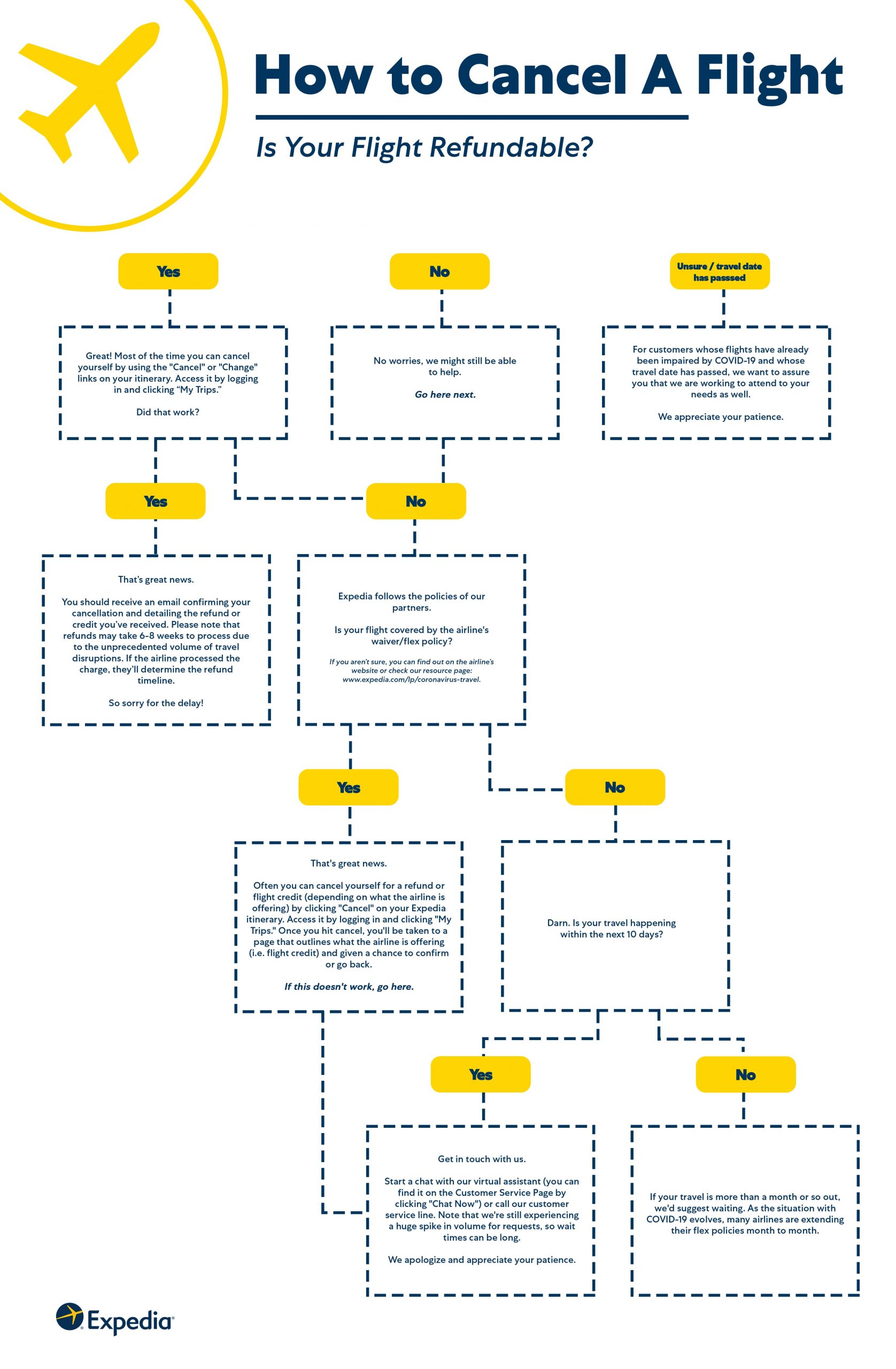
When you book through Expedia, you are engaging with a financial intermediary. This relationship dictates how your money is handled, how quickly it can be recovered, and what fees may be forfeited in the event of a cancellation. To manage your travel budget effectively, you must distinguish between the platform’s policies and the underlying service provider’s terms.
The Financial Architecture of Expedia’s Refund Ecosystem
To navigate the financial implications of a cancellation, one must first understand the two primary business models Expedia employs: the Merchant Model and the Agency Model. These frameworks determine who holds your money and, consequently, who is responsible for returning it.
The Merchant Model vs. The Agency Model
In the Merchant Model, Expedia acts as the “Merchant of Record.” You pay Expedia directly, and they facilitate the payment to the hotel or airline. From a financial management perspective, this means your refund must be processed through Expedia’s systems. If you see “Expedia” on your credit card statement, you are likely dealing with the Merchant Model.
In the Agency Model, Expedia acts as a broker. Your credit card information is passed to the service provider, such as a Marriott or a Delta Air Lines, who then charges you directly. In these instances, while you might initiate the “return” or cancellation on the Expedia interface, the actual movement of capital is dictated by the service provider’s internal financial cycles.
The Cost of Non-Refundable Rates
The most common financial pitfall for travelers is the “Non-Refundable” rate. These are often priced 10% to 20% lower than flexible rates. From a personal finance standpoint, this is a trade-off between immediate savings and risk exposure. Choosing a non-refundable rate means you are effectively self-insuring. If you cannot fulfill the travel, that capital is typically lost unless specific consumer protection laws intervene.
Segmented Asset Recovery: Flights, Hotels, and Bundles
Expedia’s “return policy” is segmented by the type of asset you are booking. Because the platform aggregates thousands of different companies, the financial rules vary significantly across categories.
Airline Tickets and the 24-Hour Rule
For flights, the “return policy” is heavily influenced by the Department of Transportation (DOT) regulations in the United States and similar bodies globally. Most flights booked through Expedia that originate in the U.S. are eligible for a full refund if cancelled within 24 hours of booking, provided the flight is at least seven days away.
Beyond this 24-hour window, the financial landscape shifts toward “Flight Credits.” Most major carriers have moved away from traditional change fees, but they rarely offer cash refunds for “Basic Economy” or “Non-Refundable” tickets. Instead, your cash becomes an illiquid asset—a credit held by the airline that must be used within a specific timeframe (usually 12 months). Managing these credits is a vital part of maintaining your travel budget’s value.
Lodging and the “Cancellation Window”
Hotels typically offer more flexibility than airlines, but the financial stakes are high. Most “refundable” hotel bookings have a window—usually 24, 48, or 72 hours before check-in—after which the first night’s stay or the entire booking amount becomes non-recoverable.
If you have pre-paid for a hotel (Merchant Model), Expedia handles the refund. If you chose a “Pay Later” option (Agency Model), the hotel may charge a penalty to the card on file. It is crucial to monitor your bank statements after a cancellation to ensure that the “pending” hold is released within the standard 3 to 7 business days.
Vacation Packages and Bundled Risks
Bundling a flight and hotel can save money, but it complicates the return process. If you cancel a bundle, Expedia must untangle the individual components. You may find that the hotel portion is refundable while the flight portion is only available as a credit. From a financial planning perspective, bundles represent a “high-yield, high-risk” strategy where the complexity of capital recovery increases exponentially.
Navigating the 24-Hour Cancellation Window for Optimal Liquidity

One of the most powerful tools in a consumer’s financial arsenal is the 24-hour cancellation window. This is essentially a “cooling-off” period that allows for the immediate reversal of a transaction without penalty.
Federal Mandates vs. Platform Policy
While federal law mandates the 24-hour rule for airlines, Expedia often extends various versions of this courtesy to other booking types to maintain customer loyalty. However, it is a common mistake to assume this applies to every transaction. High-risk “Last Minute” deals or specific “Non-Cancellable” hotel promotions may waive this right.
To protect your liquidity, always verify the “Cancellation Policy” link on the checkout page. If the policy states “Non-refundable,” the 24-hour rule may only apply to the flight portion of a package, leaving you liable for the hotel or car rental costs.
The Impact on Cash Flow
When a refund is initiated within the 24-hour window, the transaction is often “voided” rather than “refunded.” In banking terms, a voided transaction prevents the funds from ever leaving your account, whereas a refund requires the funds to be captured and then sent back. The difference is significant for cash flow; a voided transaction clears within a day, while a refund can tie up your capital for over a week.
Leveraging Financial Safeguards and Chargeback Protocols
When Expedia’s standard policies do not result in a refund, consumers must look toward secondary financial protections. This is where strategic use of financial tools becomes essential.
Credit Card Protections
Many premium credit cards offer “Trip Cancellation and Interruption Insurance” as a core benefit. If you must cancel a non-refundable Expedia booking due to a covered reason (such as illness or jury duty), the credit card issuer—not Expedia—reimburses your out-of-pocket costs. This effectively turns a non-refundable loss into a recovered asset.
The Role of Independent Travel Insurance
For significant expenditures, purchasing third-party travel insurance is a prudent financial move. These policies often include “Cancel for Any Reason” (CFAR) riders. While Expedia offers its own protection plans at checkout, it is often more cost-effective to compare these against independent providers who may offer broader coverage for a lower percentage of the total trip cost.
Chargebacks: The Last Resort
If Expedia fails to honor its stated policy or if there is a merchant error, the “Chargeback” process via your bank is a powerful consumer right under the Fair Credit Billing Act. However, this should be used as a last resort. Initiating a chargeback can lead to a “blacklist” status within the Expedia ecosystem, preventing future bookings. Use this tool only when a clear financial injustice has occurred and direct negotiation has failed.
Managing Airline Credits and Digital Currency
In the event that a cash refund is unavailable, you will likely be issued an “Expedia Credit” or an “Airline Credit.” From a wealth management perspective, these should be treated as vouchers with an expiration date—essentially a form of depreciating currency.
Understanding Expedia Points and Credits
If your refund is issued as Expedia “OneKey” points or platform-specific credits, you are locked into their ecosystem. These credits cannot be liquidated into cash. To maximize the value of this “trapped capital,” you should aim to use these credits for your next unavoidable travel expense as soon as possible, as inflation in travel pricing can erode the purchasing power of a fixed-value credit over time.
The Transferability Problem
Most credits are non-transferable. If you booked a trip for a friend or employee through your Expedia account and then cancelled it, the credit is typically tied to the name of the passenger, not the person who paid. This creates a financial disconnect where the payer loses capital, and the passenger gains a credit they may never use. For business owners, it is financially safer to have employees book via a corporate portal or ensure the “Refundable” option is selected to avoid this loss of control over company funds.

Final Financial Considerations
The “return policy” of Expedia is a mosaic of different rules governed by the Merchant of Record, federal regulations, and the specific terms of the service provider. To safeguard your finances:
-
Prioritize Refundable Rates: For any trip where there is more than a 10% chance of a schedule change, the “Refundable” premium is a small price to pay for capital security.
-
Monitor the 24-Hour Window: Use this period to double-check all details and price-match. If a better deal or a change of heart occurs, cancel immediately to ensure a voided transaction.
-
Document Everything: Keep PDF copies of the cancellation policy at the time of booking. If a dispute arises, this documentation is your primary evidence for a bank-led recovery.
-
Audit Your Credits: Maintain a spreadsheet of all airline and Expedia credits, including their expiration dates and the names they are assigned to, to ensure no capital is allowed to expire.
By treating an Expedia booking as a financial contract rather than just a reservation, you can better navigate the complexities of refunds and ensure that your travel budget remains resilient against the unpredictability of modern travel.
aViewFromTheCave is a participant in the Amazon Services LLC Associates Program, an affiliate advertising program designed to provide a means for sites to earn advertising fees by advertising and linking to Amazon.com. Amazon, the Amazon logo, AmazonSupply, and the AmazonSupply logo are trademarks of Amazon.com, Inc. or its affiliates. As an Amazon Associate we earn affiliate commissions from qualifying purchases.