
The English language is a vibrant tapestry woven with the sounds of the world. Beyond literal descriptions, it possesses a unique ability to mimic those very sounds, bringing written words to life with an auditory dimension. This is the domain of onomatopoeia, a literary and linguistic device that uses words to imitate, resemble, or suggest the source of the sound it describes. While the concept might seem straightforward, its application is far-reaching, impacting everything from children’s literature to sophisticated technical documentation. Understanding onomatopoeia isn’t just an academic exercise; it’s a key to appreciating the richness of language and effectively communicating through written and spoken word.
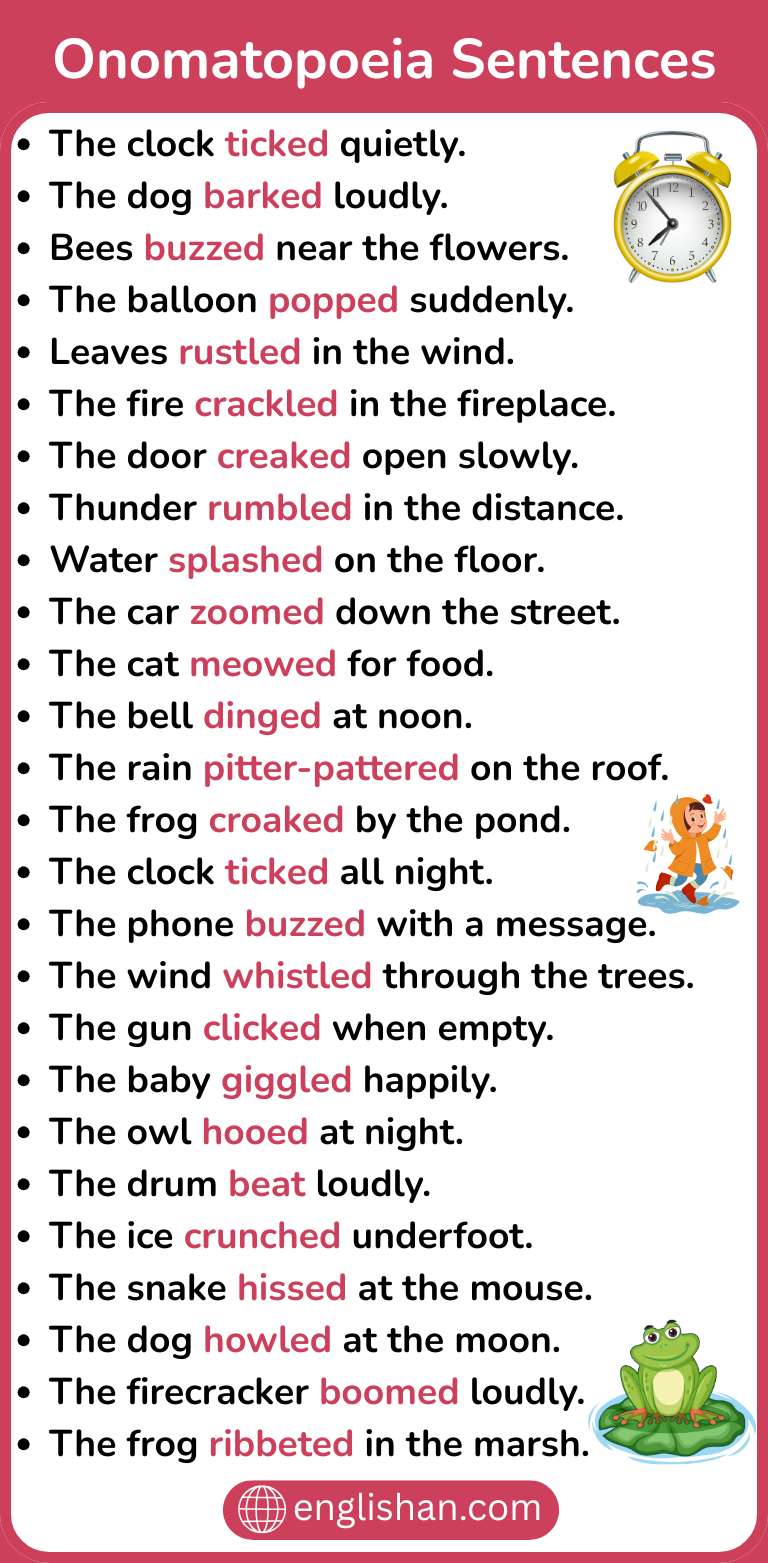
This article will delve into the world of onomatopoeia, exploring its definition, providing diverse examples, and examining its crucial role in various forms of communication, with a specific focus on its presence and impact within the Tech niche. We will uncover how these sound-imitating words are not merely decorative but serve functional purposes in conveying information, enhancing user experience, and even influencing the perception of technology.
The Sonic Palette: Defining and Classifying Onomatopoeia
At its core, onomatopoeia is about auditory representation in language. The word itself originates from Greek: “onoma” meaning “name” and “poiein” meaning “to make.” Thus, onomatopoeia literally translates to “name-making,” or more precisely, “word-making from sound.” It’s the linguistic creation of words that sound like the noises they denote.
Variations on a Theme: Different Types of Onomatopoeic Words
While the general definition is clear, onomatopoeic words can manifest in several ways, often reflecting the nature of the sound itself:
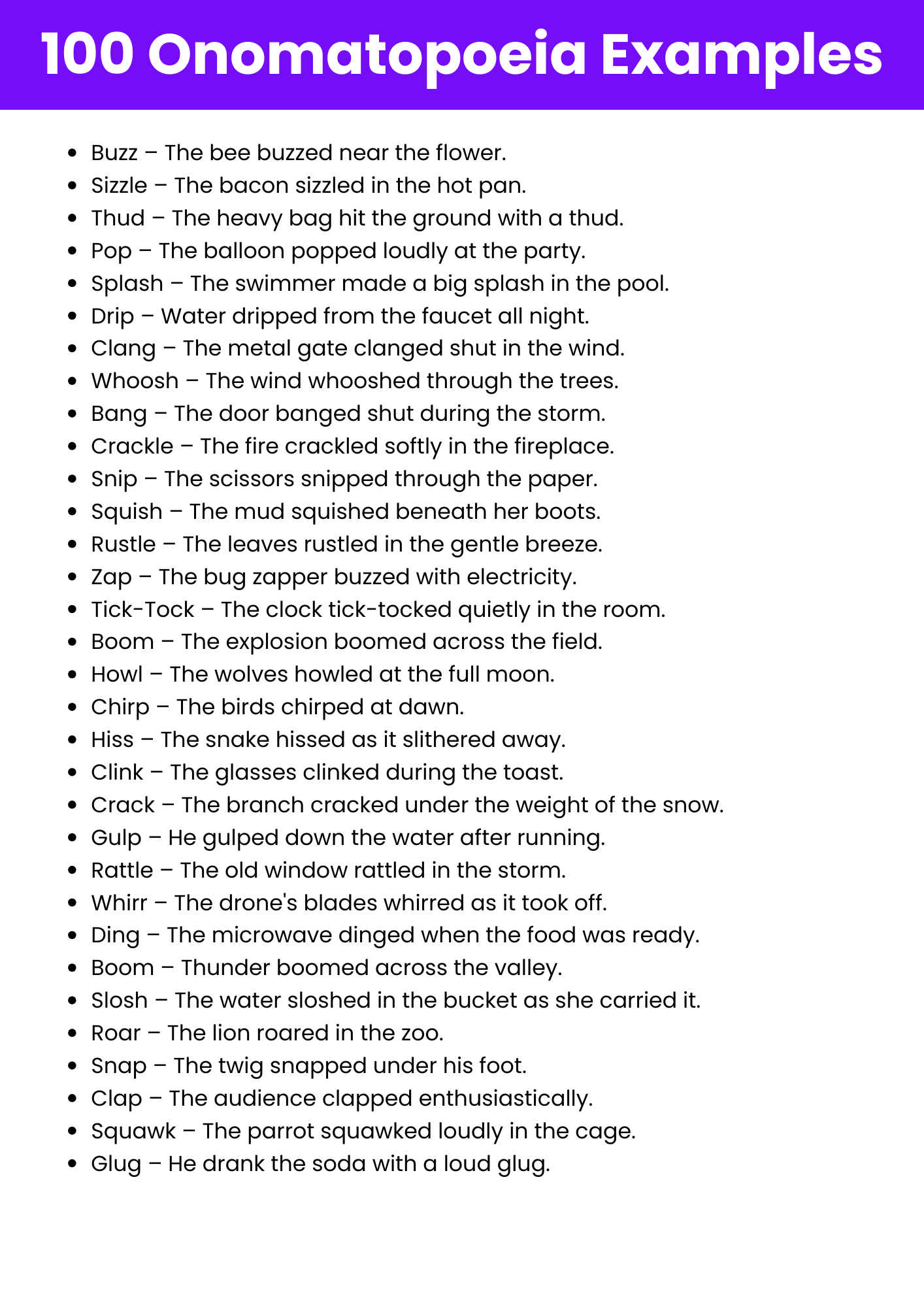
- Direct Imitations: These are the most straightforward examples, where the word directly mimics the sound. Think of a “buzz” from a bee, a “meow” from a cat, or a “bang” from a sudden impact. These words are often universally understood, even across different languages, though specific variations exist.
- Suggestive Sounds: Some words don’t directly copy a sound but rather suggest it through their phonetic construction. For instance, words like “whisper” or “hiss” use sibilant sounds (s, sh, z) to evoke a sense of quiet or serpentine movement, respectively. Similarly, “slurp” suggests the sound of drinking.
- Animal Sounds: A particularly common and easily recognizable category, animal noises provide a wealth of onomatopoeic examples. From a dog’s “woof” and a duck’s “quack” to a frog’s “ribbit,” these words help us visualize and hear the creatures they represent.
- Mechanical and Action Sounds: In the tech world, this category becomes particularly relevant. Sounds associated with machines, actions, and events are frequently onomatopoeic. Consider the “click” of a mouse, the “whirr” of a fan, the “beep” of an alert, or the “thump” of a hard drive.
The effectiveness of onomatopoeia lies in its ability to bypass abstract description and connect directly with our auditory senses. It creates a visceral experience for the reader, making the written word more immediate and engaging.
Onomatopoeia in the Digital Realm: Sound in Technology
The realm of technology, while often perceived as purely logical and visual, is surprisingly rich with onomatopoeic elements. From the subtle auditory cues of our devices to the way technical processes are described, these sound-mimicking words play a significant role.
The Symphony of Devices: Everyday Tech Sounds
Our daily interactions with technology are punctuated by a soundtrack of onomatopoeic sounds. These are not accidental; they are carefully designed auditory feedback mechanisms that enhance user experience and provide crucial information.
- Alerts and Notifications: The ubiquitous “ding,” “beep,” “buzz,” and “chirp” of smartphones, computers, and smart home devices are classic examples. These sounds, often customizable, serve as immediate indicators of incoming messages, system updates, or urgent alerts. The “ping” of a new email arriving has become a universally recognized signal of digital communication.
- User Interface Interactions: The satisfying “click” of a button on a touchscreen, the subtle “swish” of a scrolling gesture, or the “tap” sound when selecting an option are all designed to provide tactile and auditory confirmation of our actions. These micro-interactions contribute to a more intuitive and responsive user interface. In older computing systems, the “whirr” of a spinning hard drive or the “clack” of a keyboard were prominent sonic signatures.
- System Operations: Even the internal workings of technology can evoke onomatopoeic descriptions. The “hum” of a server room, the “whine” of a graphics card under load, or the “thud” of a laptop closing are all sounds that can be represented by specific words. When describing the performance of a system, terms like “lag” (though not strictly onomatopoeic, it suggests a slowing down, like a sputtering engine) are used.
These sounds are vital for accessibility, especially for visually impaired users. They also contribute to the overall aesthetic and feel of a product, making it more pleasant and less frustrating to use. The absence of auditory feedback can often lead to confusion or a feeling of disconnect from the device.

Describing the Digital Action: Onomatopoeia in Tech Communication
Beyond the sounds our devices make, onomatopoeia also appears in the language used to describe technological processes, software functionalities, and even potential issues.
- Software and App Functionality: Developers and marketers often use onomatopoeic language to make abstract software features more tangible. A “pop-up” window, a “drag-and-drop” interface (where “drag” suggests a dragging sound or motion), or a “swipe” gesture all use words that hint at physical actions and their associated sounds. The term “glitch,” while not a direct sound imitation, carries connotations of a sudden, unexpected malfunction, much like a sudden “clunk” or “hiccup.”
- Troubleshooting and Problem Description: When encountering technical difficulties, users and support staff often resort to onomatopoeic descriptions. A computer might make a “clicking” or “grinding” noise before failing, a fan might “rattle,” or a printer might “chug” or “spit” out paper erratically. These descriptions, though informal, provide immediate clues about the nature of the problem. The “crackle” of a bad audio connection or the “static” on a video feed are also common.
- Gaming and Immersive Experiences: The gaming industry is a prime example of where onomatopoeia is heavily utilized to create immersive and engaging experiences. The “bang” of a gunshot, the “swoosh” of a sword, the “splat” of an impact, or the “vroom” of a vehicle all contribute to the player’s sensory engagement. Sound designers meticulously craft these noises, and the language used to describe them often reflects their onomatopoeic origins. Even in virtual environments, the “clink” of coins or the “chime” of a successful quest completion add to the overall atmosphere.
The strategic use of onomatopoeia in tech communication can make complex topics more accessible, enhance user engagement, and even contribute to brand identity by creating a memorable sonic association.
The Nuances of Sound: Onomatopoeia in Design and User Experience
In the competitive landscape of technology, user experience (UX) is paramount. Onomatopoeia, often overlooked as a purely literary device, plays a surprisingly significant role in shaping how users perceive and interact with technology.
Auditory Cues as Intuitive Guides
The sounds emitted by technological devices are not merely decorative; they serve as powerful auditory cues that guide user interaction and provide immediate feedback.
- Confirmation and Validation: A “click” when a button is pressed confirms that the action has been registered. A “swoosh” when an item is deleted provides visual and auditory confirmation of removal. These subtle sounds validate the user’s input, reducing uncertainty and increasing confidence in the system. Without these cues, users might be left wondering if their action was successful.
- Urgency and Importance: Different sounds can be employed to convey varying levels of urgency. A gentle “ding” might signify a non-critical notification, while a more insistent “whoop-whoop” or a rapid “beep-beep-beep” can alert the user to a critical system error or an urgent message. The distinctiveness of these sounds is crucial for quick identification.
- Emotional Resonance: The choice of onomatopoeic sounds can also evoke specific emotional responses. A smooth, gentle “hum” might suggest efficiency and quiet power, while a harsh “grind” might imply a problem. Sound designers leverage these associations to create a desired user sentiment towards a product or service.
The deliberate design of these auditory elements, often drawing on onomatopoeic principles, contributes to a more intuitive, efficient, and emotionally resonant user experience. It bridges the gap between the digital and the physical, making technology feel more responsive and understandable.
Beyond the Obvious: Subtle Onomatopoeia in Tech Jargon
While overt sound words like “beep” are common, subtler forms of onomatopoeia also exist within the specialized language of the tech industry.
- Action-Oriented Verbs: Words like “toggle,” “drag,” “swipe,” and “flick” inherently suggest a type of motion and, by extension, a potential sound associated with that motion. While not direct sound imitations, they derive their descriptive power from our understanding of physical actions and their sonic counterparts.
- Describing System Behavior: When discussing system performance, terms like “chug” (suggesting slow, labored movement akin to an engine) or “stall” (evoking the image of a sudden stop with a jarring sound) are used to convey states of operation. These words, while metaphorical, draw upon our auditory associations with the described phenomena.
- Error and Malfunction Descriptions: As mentioned earlier, words like “glitch,” “hiccup,” or “crash” all carry with them the sonic implications of an unexpected disruption. A “crash,” for example, conjures the image and sound of a forceful impact.
By understanding and employing these subtle onomatopoeic elements, tech professionals can communicate more effectively, making complex technical concepts more relatable and understandable to a wider audience. The ability to evoke the feeling of a sound, even without directly imitating it, is a powerful linguistic tool.
In conclusion, onomatopoeia is far more than just a literary flourish. Within the tech industry, it serves as a vital component of user interface design, a descriptive tool for technical processes, and a contributor to immersive user experiences. From the everyday “dings” and “clicks” that guide our interactions to the subtle sonic suggestions embedded in technical jargon, these sound-imitating words enrich our engagement with the digital world, making technology more intuitive, understandable, and ultimately, more human. The next time you hear your device “beep” or describe a software function as “popping,” remember the fascinating power of onomatopoeia at work.
aViewFromTheCave is a participant in the Amazon Services LLC Associates Program, an affiliate advertising program designed to provide a means for sites to earn advertising fees by advertising and linking to Amazon.com. Amazon, the Amazon logo, AmazonSupply, and the AmazonSupply logo are trademarks of Amazon.com, Inc. or its affiliates. As an Amazon Associate we earn affiliate commissions from qualifying purchases.