
Evaporation, at its core, is the process by which a liquid transforms into a gaseous state, typically occurring from the surface of a liquid into a surrounding gas. While a fundamental natural phenomenon, its principles and applications are profoundly intertwined with numerous technological advancements across various sectors. Understanding evaporation is not merely an academic exercise; it is crucial for optimizing system designs, developing sustainable solutions, and enhancing efficiency in an array of technological contexts, from advanced cooling systems and water management solutions to predictive climate modeling and industrial manufacturing processes.
The Fundamental Process: A Technological Perspective
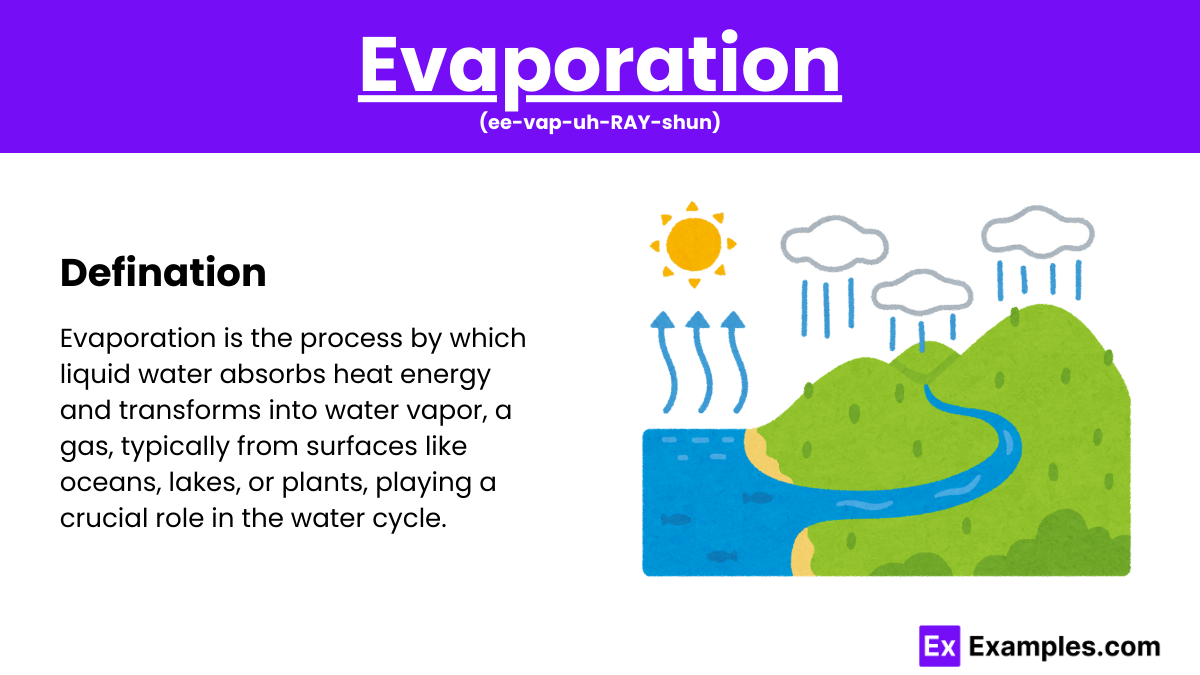
From a technological standpoint, evaporation is a mass transfer phenomenon driven by energy. Molecules at the surface of a liquid possess varying kinetic energies. When a molecule gains sufficient energy to overcome the intermolecular forces binding it to the liquid, it escapes into the atmosphere as a gas (vapor). This transition is endothermic, meaning it absorbs heat from its surroundings, which is a key principle leveraged in many technological applications.

Molecular Dynamics and Energy Transfer in Engineered Systems
The micro-scale dynamics of evaporation are critical for designing and optimizing technological systems. Modern engineering employs advanced computational fluid dynamics (CFD) software and molecular dynamics simulations to model these processes with unprecedented accuracy. By understanding how heat is absorbed during phase change, engineers can design more efficient heat exchangers, evaporative coolers, and refrigeration cycles. For instance, in data centers, precise control over heat dissipation through evaporative cooling strategies prevents hardware overheating and extends component lifespan. Sensors and IoT devices play a pivotal role in monitoring surface temperatures and ambient conditions, providing real-time data that informs the dynamic control systems designed to manage evaporative processes optimally.
Factors Influencing Evaporation: Harnessing and Mitigating Through Tech
Several factors influence the rate of evaporation, each offering a lever for technological intervention:
- Temperature: Higher temperatures increase molecular kinetic energy, accelerating evaporation. Technologies like solar stills or multi-effect evaporators exploit this by applying heat to maximize water vapor production for purification.
- Surface Area: A larger exposed surface area allows more molecules to escape. Industrial drying processes often utilize large surface area designs, such as spray dryers or rotary dryers, to efficiently remove moisture from products. Conversely, anti-evaporation technologies, like floating covers or monomolecular films, reduce surface area exposure on reservoirs to conserve water.
- Humidity: The amount of water vapor already in the air affects the net rate of evaporation. In high-humidity environments, evaporation slows down. Dehumidification technologies, often part of HVAC systems, actively remove moisture from the air, thereby creating conditions more conducive to evaporative cooling or drying processes.
- Air Movement (Wind): Moving air sweeps away saturated air molecules near the liquid surface, allowing more unsaturated air to come into contact, thus increasing evaporation. Wind turbines and ventilation systems are engineered to either facilitate air movement for cooling/drying or, in agricultural tech, windbreaks are sometimes deployed to reduce evaporative losses from soil.
- Liquid Purity: Dissolved solutes can reduce a liquid’s vapor pressure, decreasing the evaporation rate. Desalination technologies like multi-stage flash distillation or membrane distillation rely on controlling these purity levels to achieve efficient separation of fresh water from brine.
Evaporation in Critical Technological Systems
The principles of evaporation are embedded in the design and operation of numerous critical technologies, driving efficiency, sustainability, and functionality across diverse sectors.
Cooling Technologies: From Data Centers to HVAC
Evaporative cooling stands as a cornerstone of energy-efficient thermal management. Unlike traditional refrigeration that uses refrigerants and compressors, evaporative coolers reduce air temperature by utilizing the latent heat of vaporization of water. This technology is vital in:
- Industrial Cooling: Large-scale industrial operations, power plants, and manufacturing facilities employ cooling towers where water is evaporated to dissipate waste heat, maintaining optimal operating temperatures for machinery.
- Data Centers: With the ever-increasing demand for computing power, data centers generate substantial heat. Direct and indirect evaporative cooling systems are deployed to maintain precise environmental conditions, protecting sensitive electronics while significantly reducing energy consumption compared to conventional air conditioning. Advanced computational fluid dynamics (CFD) models are used to simulate airflow and optimize cooler placement for maximum efficiency.
- Residential and Commercial HVAC: Swamp coolers, popular in arid climates, provide an economical and environmentally friendly alternative to air conditioners. Smart home technologies are integrating advanced evaporative cooling units, optimized by AI algorithms that adapt to real-time weather data and user preferences for enhanced comfort and energy savings.
Water Management and Desalination Technologies
Given global water scarcity, technologies that manage and purify water through evaporation are indispensable.
- Desalination Plants: Technologies such as Multi-Stage Flash (MSF) distillation and Multi-Effect Distillation (MED) heat saltwater, causing it to evaporate and then condense as fresh water. These complex plants integrate advanced control systems, energy recovery technologies, and material science innovations to withstand corrosive environments and maximize freshwater output while minimizing energy input.
- Wastewater Treatment: Evaporation ponds or mechanical evaporators are used in industrial wastewater treatment to reduce effluent volume, concentrate pollutants for easier disposal, or recover valuable byproducts. Advanced membrane distillation techniques are also emerging, leveraging evaporation across a hydrophobic membrane to purify highly contaminated industrial wastewater.
- Atmospheric Water Generators (AWGs): These innovative devices extract water vapor directly from the air, condense it through cooling, and collect potable water. Utilizing advanced refrigeration cycles or desiccant materials, AWGs are becoming viable solutions for localized water production in remote or water-stressed regions.
Industrial Applications: Drying and Material Processing
Evaporation is a fundamental mechanism in countless industrial processes, particularly in manufacturing and agriculture.
- Drying Processes: Industries from food processing (e.g., milk powder, instant coffee) to pharmaceuticals and textiles rely on controlled evaporation to remove moisture from products. Technologies include spray dryers, freeze dryers, vacuum dryers, and kiln dryers, each optimized for specific materials and desired outcomes. Sensor arrays and automated control systems monitor parameters like temperature, humidity, and airflow to ensure consistent product quality and energy efficiency.
- Coating and Film Deposition: In advanced manufacturing, processes like Physical Vapor Deposition (PVD) involve evaporating a source material in a vacuum chamber, which then condenses as a thin film on a substrate. This technology is crucial for producing microelectronics, optical coatings, and protective layers on tools.
- Chemical Concentration: Evaporators are used in the chemical industry to concentrate solutions, recover solvents, or crystallize compounds, optimizing downstream processing and reducing transportation costs for bulk liquids.
Digital Modeling and Predictive Analytics for Evaporation
The complexity of evaporative processes, especially across large geographical areas or within intricate engineering systems, necessitates sophisticated digital tools for analysis, prediction, and optimization.
AI and Machine Learning in Evaporation Prediction
Artificial intelligence (AI) and machine learning (ML) models are revolutionizing our ability to predict and manage evaporation.
- Climate and Hydrological Modeling: AI algorithms analyze vast datasets of meteorological variables (temperature, humidity, wind speed, solar radiation) to develop highly accurate models for predicting evaporation rates from lakes, reservoirs, and soil. These predictions are vital for water resource management, drought forecasting, and agricultural planning. Satellite imagery and remote sensing data, processed by ML, provide real-time insights into surface conditions influencing evaporation.
- Agricultural Tech: Precision agriculture uses AI-driven models to optimize irrigation schedules by predicting soil moisture evaporation, ensuring water is applied only when and where it’s needed, thereby conserving water and improving crop yields. IoT sensors in fields feed data directly into these AI systems.
- Industrial Process Optimization: In manufacturing, ML models predict evaporation rates within drying ovens or coating processes, allowing for dynamic adjustments to temperature, air speed, and product residence time. This minimizes energy consumption, prevents material damage, and ensures product consistency.
Software Tools for Simulation and Optimization
Beyond AI, a suite of dedicated software tools plays a critical role in understanding and controlling evaporation.
- Computational Fluid Dynamics (CFD) Software: CFD packages simulate fluid flow and heat transfer, enabling engineers to model evaporative processes in detail. This is invaluable for designing efficient cooling towers, HVAC systems, and industrial dryers, allowing for virtual prototyping and optimization before physical construction.
- Process Simulation Software: Tools like Aspen Plus or CHEMCAD simulate chemical processes involving evaporation, helping chemical engineers design and optimize distillation columns, evaporators, and crystallizers for maximum yield and energy efficiency.
- Geographic Information Systems (GIS) and Remote Sensing Platforms: These platforms integrate satellite data, weather station readings, and topographical information to map and monitor evaporation rates across entire landscapes. Combined with predictive analytics, they support regional water management strategies and environmental impact assessments.
Emerging Technologies and the Future of Evaporation Control
Innovation continues to push the boundaries of how technology interacts with evaporation, promising more efficient and sustainable solutions.
Advanced Materials and Coatings
Research into novel materials is creating new possibilities for controlling evaporation.
- Superhydrophobic Surfaces: These surfaces repel water, reducing contact area and potentially minimizing evaporation in certain contexts, or promoting efficient droplet shedding in others (e.g., anti-icing coatings).
- Self-Healing Materials: Materials that can automatically repair micro-cracks or damage can maintain their structural integrity and evaporative properties over longer periods, enhancing the lifespan of components in harsh environments.
- Smart Membranes: Advanced membrane technologies are being developed for highly selective separation processes, leveraging controlled evaporation at a molecular level for energy-efficient desalination and industrial fluid separation.
- Evaporation-Retarding Films: Monomolecular films and floating modular covers made from advanced polymers are being deployed on reservoirs to significantly reduce evaporative water loss.

Sustainable Solutions and Energy Efficiency
Future technological development will increasingly focus on harnessing evaporation for sustainable energy and resource management.
- Osmotic Power and Evaporation-Driven Engines: Researchers are exploring ways to generate electricity from the osmotic pressure differences created by evaporation from saline solutions or through the mechanical force generated by bacterial spores as they expand and contract with humidity changes. While nascent, these technologies hold promise for renewable energy generation.
- Passive Evaporative Cooling: Beyond traditional systems, architectural designs are integrating passive evaporative cooling elements, such as green roofs and building envelopes that utilize water evaporation, to reduce indoor temperatures without active energy input, lowering the carbon footprint of buildings.
- Solar Desalination with Concentrated Solar Power: Combining highly efficient evaporative desalination processes with concentrated solar power (CSP) technologies offers a pathway to completely renewable, large-scale freshwater production, mitigating reliance on fossil fuels.
In conclusion, evaporation, while a seemingly simple natural process, forms a critical pillar in modern technology. From fundamental scientific understanding to advanced digital modeling and innovative material science, its principles are continuously being leveraged to create more efficient, sustainable, and resilient technological solutions for a rapidly evolving world. The ongoing convergence of AI, advanced materials, and environmental engineering promises an even more transformative role for evaporation in addressing global challenges like water scarcity and energy demand.
aViewFromTheCave is a participant in the Amazon Services LLC Associates Program, an affiliate advertising program designed to provide a means for sites to earn advertising fees by advertising and linking to Amazon.com. Amazon, the Amazon logo, AmazonSupply, and the AmazonSupply logo are trademarks of Amazon.com, Inc. or its affiliates. As an Amazon Associate we earn affiliate commissions from qualifying purchases.