
The automotive landscape is undergoing a profound transformation, with electric vehicles (EVs) rapidly moving from niche novelty to mainstream reality. As these silent, powerful machines gain traction, so too does the need for specialized components that can optimize their unique performance characteristics. Among these crucial elements, tires stand out. While seemingly a mundane part of any vehicle, EV-compatible tires are a sophisticated piece of engineering, designed to address the specific demands posed by electric powertrains. Understanding what makes a tire “EV compatible” is essential for EV owners seeking to maximize range, safety, comfort, and tire longevity, and for the broader automotive industry as it continues to innovate.

The shift to electric mobility isn’t just about swapping a gasoline engine for an electric motor; it introduces a new set of physical and operational parameters that traditional tires may not be equipped to handle. EVs are inherently heavier due to their battery packs, they deliver instantaneous torque, and they operate with a significantly quieter cabin experience. Each of these factors necessitates a different approach to tire design and manufacturing. This article will delve into the technical intricacies of EV-compatible tires, exploring their unique characteristics, the challenges they overcome, and the benefits they offer to drivers and the environment.
The Unique Demands of Electric Vehicles on Tires
Electric vehicles present a distinct set of challenges for tire technology, fundamentally different from those faced by their internal combustion engine (ICE) counterparts. These challenges stem directly from the core design and operational principles of EVs.
Increased Vehicle Weight
One of the most significant differences between EVs and ICE vehicles is their weight. The large, heavy battery packs required to power electric motors add considerable mass to the chassis. A typical EV can be anywhere from 20% to 50% heavier than a comparable ICE vehicle. This increased weight translates directly into higher rolling resistance and greater stress on the tire structure.
- Higher Rolling Resistance: Heavier vehicles require more energy to overcome the friction between the tires and the road surface. This increased rolling resistance directly impacts energy efficiency, meaning the EV has to expend more battery power to travel the same distance, thus reducing range.
- Structural Integrity: Tires designed for lighter vehicles may not possess the necessary structural strength to withstand the constant, elevated loads imposed by heavier EVs. This can lead to premature wear, reduced performance, and potential safety concerns if the tire carcass fails to cope with the sustained pressure. EV-compatible tires are therefore engineered with reinforced sidewalls and specialized internal construction to handle this increased load capacity without compromising durability.
Instantaneous Torque and Acceleration
Electric motors deliver their maximum torque from a standstill, providing rapid, exhilarating acceleration. This “instant torque” is a hallmark of the EV driving experience, but it also places immense strain on the tires.
- Traction and Grip: The immediate and powerful application of torque can cause conventional tires to spin or lose traction, especially during aggressive acceleration or in adverse weather conditions. This not only compromises performance but can also lead to increased tire wear as the rubber scrubs against the road surface.
- Wear Patterns: The frequent and forceful application of torque can exacerbate uneven wear patterns. Without proper tire design, drivers might experience accelerated wear on the shoulders or center of the tread, reducing the tire’s lifespan and necessitating more frequent replacements. EV-compatible tires often feature tread compounds and patterns specifically designed to manage this high torque, ensuring consistent grip and minimizing slip.
Quieter Operation and Noise, Vibration, and Harshness (NVH)
EVs are remarkably quiet due to the absence of engine noise and exhaust systems. While this contributes to a more serene driving experience, it also amplifies other noises, including tire noise. Traditional tires can generate a considerable amount of road noise, which becomes more prominent when there’s no engine sound to mask it.
- Tire Noise Amplification: The low ambient noise of an EV means that tire-generated noise – such as the “hum” or “whine” at certain speeds – can become a significant contributor to the overall cabin soundscape. This can negatively impact passenger comfort, negating one of the key benefits of EV ownership.
- Specialized Tread Design and Compounds: EV-compatible tires incorporate advanced tread designs and specialized rubber compounds to significantly reduce road noise. This often involves optimizing the pattern of the tire’s contact patch with the road, using advanced acoustic dampening materials within the tire structure, and employing sophisticated computer simulations to predict and mitigate noise frequencies. The goal is to maintain the quiet cabin experience that drivers expect from an electric vehicle.
Key Technologies and Design Features of EV-Compatible Tires
To meet the unique demands of electric vehicles, tire manufacturers have developed a range of innovative technologies and design features. These advancements focus on optimizing rolling resistance, enhancing durability, improving grip, and reducing noise.
Low Rolling Resistance (LRR) Compounds and Construction
Minimizing rolling resistance is paramount for maximizing an EV’s range. LRR technology is a cornerstone of EV-compatible tires.
- Silica-Rich Compounds: A key component in achieving low rolling resistance is the use of advanced rubber compounds, often heavily infused with silica. Silica, when properly bonded with polymers, can reduce the energy lost as the tire flexes and deforms during rotation. This means less energy is wasted as heat, and more energy is available for propulsion.
- Optimized Tread Patterns: Tread patterns are meticulously designed to minimize squirm and maximize the efficiency of the tire’s contact with the road. This involves carefully sculpted grooves and sipes that guide water away effectively while maintaining a stable contact patch. Complex computer modeling is used to simulate how different tread designs will behave under various conditions, optimizing for both grip and low rolling resistance.
- Internal Structure and Materials: Beyond the tread compound, the internal construction of the tire plays a vital role. Lighter yet stronger materials, such as advanced synthetic fibers and specialized rubber formulations for the sidewalls and inner liners, are employed to reduce weight and the energy dissipated during tire flex. This includes advancements in tire bead construction for a secure fit and optimized bead profile for reduced deformation.
Enhanced Durability and Load Capacity

The increased weight of EVs necessitates tires with superior durability and load-carrying capabilities.
- Reinforced Sidewalls and Casing: EV-compatible tires often feature thicker, more robust sidewalls and an upgraded internal casing structure. This reinforcement provides the necessary strength to support the higher static and dynamic loads. It also helps to resist damage from road hazards and maintain the tire’s shape under stress, contributing to a longer lifespan.
- Optimized Tread Wear Patterns: While torque can accelerate wear, EV tires are designed to mitigate this. Advanced tread designs, often incorporating wear-resistant compounds and strategic tread block placement, promote more even wear distribution. This ensures that the tire maintains its optimal performance characteristics for a longer duration, reducing the frequency of replacements.
- Specialized Rubber Formulations: The rubber compounds used are not only designed for low rolling resistance but also for enhanced resistance to abrasion and chunking. This means the tire can withstand the forces of acceleration and braking without shedding material excessively, further contributing to its longevity.
Advanced Tread Designs for Grip and Noise Reduction
Balancing grip, longevity, and noise reduction is a complex engineering feat, addressed through sophisticated tread design.
- Acoustic Optimization: Manufacturers employ elaborate algorithms and sound simulation software to design tread patterns that cancel out or reduce specific noise frequencies. This can involve variations in tread block size and shape, the arrangement of grooves, and the use of sipes (small slits) that break up the air pockets responsible for generating noise.
- Symmetrical vs. Asymmetrical Patterns: While symmetrical patterns offer ease of rotation, many EV tires utilize asymmetrical designs. These patterns are optimized independently for the inner and outer shoulders of the tire, allowing for better water evacuation on the outside and enhanced grip or wear resistance on the inside. This often leads to a quieter ride and more even wear.
- Interlocking Sipes and Grooves: The way tread blocks interlock with the road surface is crucial for grip. EV tire designs often feature intricate patterns of sipes that provide biting edges for traction in wet and dry conditions, while the main grooves efficiently channel water to prevent hydroplaning. The interaction between these elements is fine-tuned to minimize tread flutter, a common cause of tire noise.
Benefits of Using EV Compatible Tires
Choosing the right tires for an electric vehicle is not merely a recommendation; it’s a critical decision that directly impacts the driving experience, the vehicle’s performance, and the owner’s wallet. EV-compatible tires offer a suite of benefits that are specifically tailored to the unique characteristics of electric mobility.
Maximized Driving Range and Energy Efficiency
The most significant benefit of using EV-compatible tires is their contribution to extended driving range.
- Reduced Energy Consumption: By significantly lowering rolling resistance, these tires require less energy from the battery to propel the vehicle. This translates directly into fewer charging stops and the ability to cover greater distances on a single charge. For drivers who frequently undertake long journeys or live in areas with less charging infrastructure, this is a crucial advantage.
- Improved Aerodynamics (Indirectly): While tires don’t directly impact aerodynamics in the same way as body shape, a tire with lower rolling resistance generally means the vehicle requires less effort to maintain speed. This can indirectly contribute to overall energy efficiency. Manufacturers often strive to create tires with a more streamlined profile and less air leakage to further enhance efficiency.
Enhanced Safety and Handling
EVs, with their instant torque and often higher speeds, demand tires that can deliver consistent and reliable grip.
- Superior Traction: EV-compatible tires are engineered to provide optimal traction under acceleration, braking, and cornering, even with the high torque output of electric motors. This reduces the risk of wheel spin and skidding, especially in challenging conditions.
- Stable Handling: The reinforced construction and advanced tread designs contribute to a more stable and predictable driving experience. This is particularly important for EVs that can accelerate rapidly and maintain high speeds, requiring tires that can confidently respond to steering inputs and maintain their shape under load. The precise interaction between the tire and the road surface is vital for confident maneuvering.
Reduced Noise and Improved Driving Comfort
The quiet nature of EVs makes tire noise a more noticeable factor. EV-compatible tires actively address this.
- Quieter Cabin Environment: Through sophisticated tread pattern design and the use of noise-dampening materials, these tires significantly reduce the road noise transmitted into the cabin. This preserves the serene and tranquil driving experience that is a hallmark of electric vehicles, enhancing overall passenger comfort.
- Smoother Ride: The advanced compounds and construction techniques often lead to a smoother ride quality, absorbing road imperfections more effectively. This further contributes to the premium feel and comfort expected from modern electric vehicles.
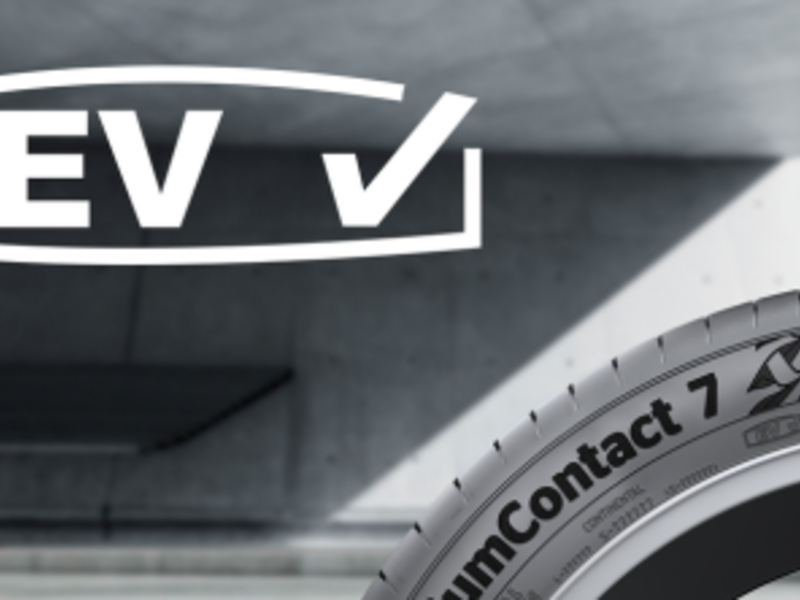
Extended Tire Lifespan and Cost Savings
While EV-compatible tires might have a higher initial purchase price, their longevity can offset this cost.
- Even Wear Patterns: The engineering focused on managing high torque and weight leads to more even wear distribution across the tire surface. This prevents premature wear in specific areas, allowing the tires to last longer before needing replacement.
- Reduced Replacement Frequency: A longer tire lifespan means fewer purchases over the vehicle’s ownership. This can lead to significant cost savings for EV owners in the long run, even when factoring in the potentially higher upfront cost of specialized EV tires. The total cost of ownership is a key consideration for many consumers transitioning to electric mobility.
By understanding these benefits, EV owners can make informed decisions about their tire choices, ensuring they are not only compatible with their vehicle but also optimize its performance, safety, and overall ownership experience.
aViewFromTheCave is a participant in the Amazon Services LLC Associates Program, an affiliate advertising program designed to provide a means for sites to earn advertising fees by advertising and linking to Amazon.com. Amazon, the Amazon logo, AmazonSupply, and the AmazonSupply logo are trademarks of Amazon.com, Inc. or its affiliates. As an Amazon Associate we earn affiliate commissions from qualifying purchases.