
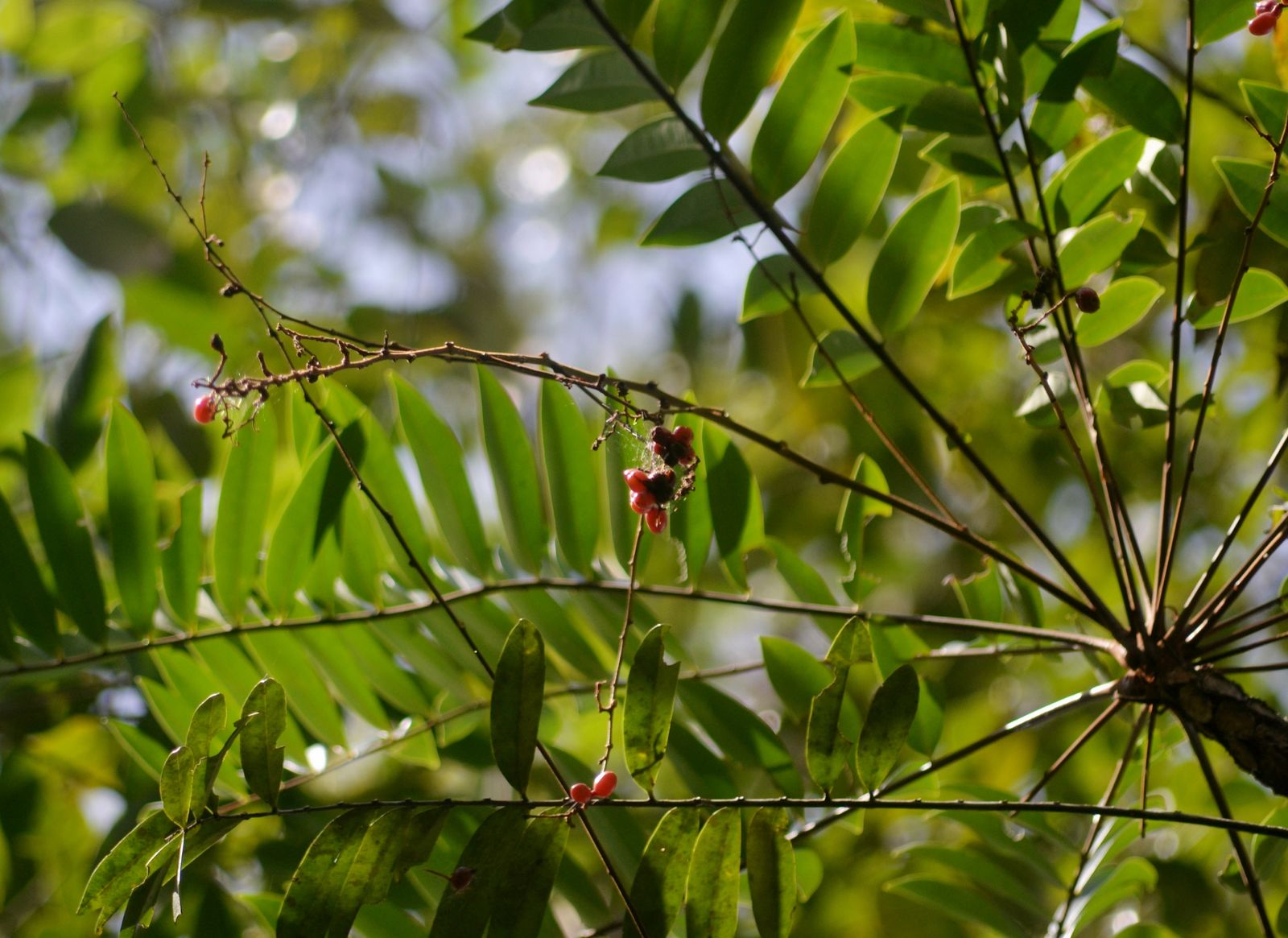
The botanical world often intersects with high-stakes venture capital and consumer product innovation, and few substances illustrate this synergy better than Eurycoma longifolia Jack. Known colloquially as Tongkat Ali, this Southeast Asian flowering plant has transitioned from a localized traditional folk remedy to a powerhouse ingredient in the multi-billion-dollar global health and wellness sector. For stakeholders in the nutraceutical industry, understanding Eurycoma longifolia is not merely about botany; it is about recognizing a potent case study in brand positioning, consumer demand, and the scaling of natural product supply chains.
The Market Landscape and Value Proposition
The commercial viability of Eurycoma longifolia lies in its positioning as a premium supplement. As global demographics shift toward an aging population concerned with vitality and longevity, the demand for scientifically validated herbal extracts has surged. For companies operating within the health supplement space, Eurycoma longifolia represents a high-margin opportunity that requires sophisticated marketing and supply chain integrity to succeed.
Consumer Demand and Demographic Targeting
The primary consumer base for Eurycoma longifolia products consists of health-conscious adults, fitness enthusiasts, and professionals seeking cognitive and physical optimization. From a brand strategy perspective, the product is often marketed under the umbrella of “natural performance enhancement.” Brands that successfully communicate the efficacy of the quassinoids (the active compounds in the plant) differentiate themselves from the sea of commodity vitamins. The value proposition here is specialized: it targets specific physiological markers, which allows companies to command a premium price point compared to generic health staples.
Supply Chain and Sourcing Challenges
For entrepreneurs entering the space, the supply chain of Eurycoma longifolia is a critical risk factor. The plant, primarily native to Malaysia, Indonesia, and Vietnam, is slow-growing. A significant portion of the market is currently plagued by adulteration—a common issue in the supplement industry where inferior herbs are substituted for the genuine extract. Companies that secure ethical, high-quality, and transparent sourcing channels gain an immediate competitive advantage. Branding oneself as a “vertically integrated” or “transparently sourced” entity is the most effective way to build long-term consumer trust, which is the ultimate currency in this niche.
Brand Strategy and Market Differentiation
In a crowded market, the “What is Eurycoma longifolia” question is frequently answered by brands seeking to establish authority. Success in this category requires moving beyond commodity-based selling and into lifestyle-focused branding. Brands that win are those that treat the supplement as an essential tool in a consumer’s daily optimization toolkit.
Positioning as a Premium Supplement
To maximize revenue, firms must avoid the “low-cost, low-trust” trap. By positioning Eurycoma longifolia alongside high-end performance trackers, nootropics, and boutique health services, companies can align their products with a high-income, high-engagement consumer segment. This strategy involves developing clean-label packaging, providing Certificates of Analysis (CoA) for every batch, and leveraging third-party certifications to validate product potency.

Navigating Regulatory Frameworks and Marketing Claims
Marketing herbal supplements requires a nuanced understanding of regulatory landscapes, such as the FDA’s guidelines in the US or EFSA’s in the EU. A sophisticated brand strategy focuses on “structure-function” claims rather than medicinal claims. Savvy marketers emphasize “supporting healthy hormonal balance” or “promoting athletic performance” rather than promising cures. This regulatory compliance is a business expense that, when handled correctly, acts as a barrier to entry, keeping lower-quality, non-compliant competitors out of the premium space.
Financial Dynamics: Scaling a Natural Product Business
The financial model of a business built around Eurycoma longifolia relies heavily on customer lifetime value (CLV) and recurring subscription models. Because the supplement is intended for ongoing use, it is an ideal candidate for subscription-based e-commerce.
The Subscription Economy in Nutraceuticals
The most profitable companies in the herbal extract market focus on direct-to-consumer (DTC) models. By moving away from retail shelf space where margins are squeezed by intermediaries, brands can retain a greater share of the profit. Building a proprietary e-commerce platform allows for the collection of first-party data, which is invaluable for optimizing advertising spend on platforms like Meta or Google. Using subscriptions to smooth out cash flow, firms can invest more aggressively in customer acquisition, effectively purchasing market share in a growing industry.
Capital Allocation and Profitability
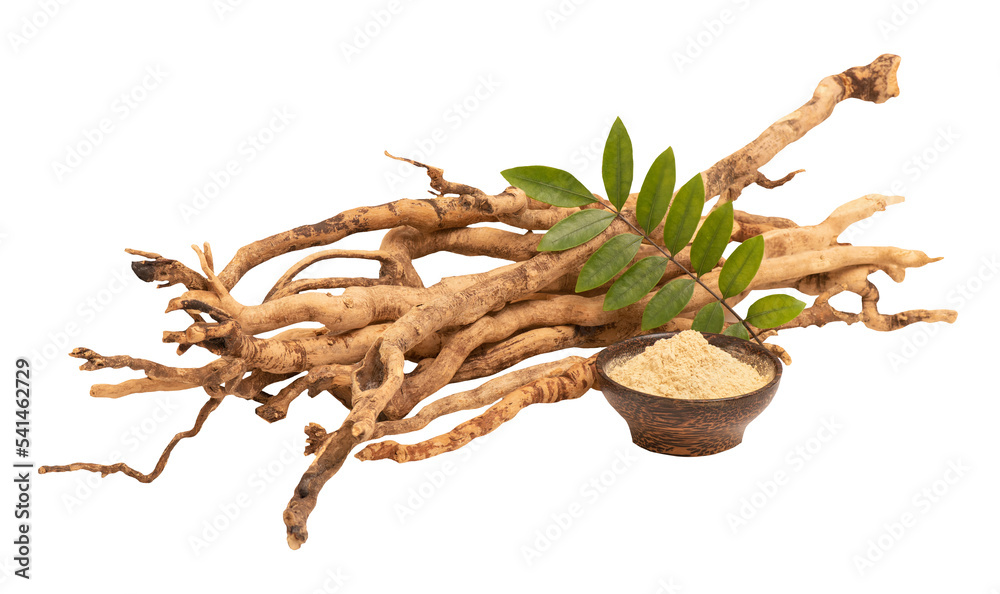
When analyzing the financial feasibility of a Eurycoma longifolia brand, two metrics are paramount: Customer Acquisition Cost (CAC) and the efficiency of the supply chain. High-quality extract, particularly the standardized LJ100 or similar high-potency versions, carries a higher cost of goods sold (COGS). However, the price premium customers are willing to pay for documented, high-potency standardized extract is significantly higher than for raw, unrefined root powder. Smart financial management involves prioritizing higher-cost, high-efficacy ingredients to drive higher customer retention rates, as the cost of acquiring a new customer is significantly higher than the cost of maintaining an existing one.
Strategic Outlook: The Future of Botanical Innovation
As the wellness industry continues to evolve, the integration of technology into the supplement space is changing how consumers perceive natural products. We are entering an era where personalized nutrition and botanical efficacy are validated by data, and Eurycoma longifolia is at the forefront of this shift.
The Role of Data and Personalization
The future of this industry lies in the personalization of the consumer experience. Brands that provide tools for users to track their progress—whether through integration with health apps or biomarker testing—create a stickier ecosystem. By connecting the consumption of Eurycoma longifolia to tangible results that a user can see in their health data, a brand transitions from being a mere vendor to a partner in the consumer’s health journey. This level of engagement is the ultimate goal of modern brand strategy.
Mitigating Risks and Building Longevity
While the market for Eurycoma longifolia is robust, it is not without its threats. Regulatory crackdowns on “gray-market” supplements, potential supply shortages due to over-harvesting, and shifts in consumer trends toward new “super-ingredients” are constant variables. To mitigate these, sustainable business models are essential. Brands should focus on diversifying their product portfolio to include complementary health products, thereby hedging their bets against shifts in demand for a single botanical. Investing in research and development to prove bioavailability and safety is not just a scientific endeavor; it is a financial strategy designed to protect the business from future legislative or market disruptions.
Ultimately, Eurycoma longifolia Jack is more than just a botanical curiosity; it is a high-value asset in the health and wellness sector. For those who understand how to navigate the complexities of ethical sourcing, build a brand anchored in trust, and utilize modern subscription-based financial models, it represents a substantial opportunity for long-term growth and market influence. The companies that succeed will be those that treat the supplement as a precise, high-performance tool, catering to a sophisticated audience that demands excellence, transparency, and quantifiable results.
aViewFromTheCave is a participant in the Amazon Services LLC Associates Program, an affiliate advertising program designed to provide a means for sites to earn advertising fees by advertising and linking to Amazon.com. Amazon, the Amazon logo, AmazonSupply, and the AmazonSupply logo are trademarks of Amazon.com, Inc. or its affiliates. As an Amazon Associate we earn affiliate commissions from qualifying purchases.