
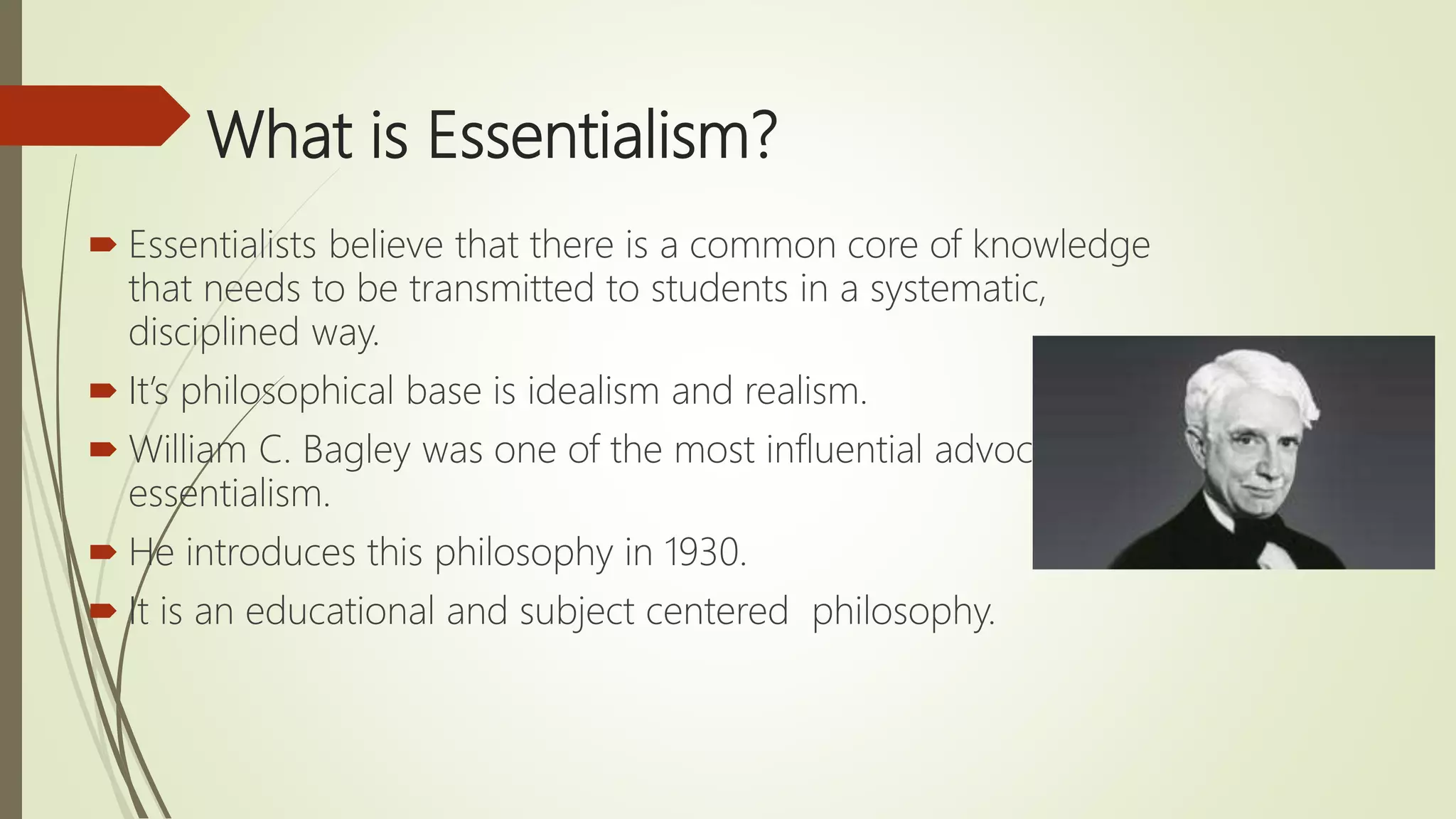
In an era of relentless noise, infinite choices, and fragmented attention, the most successful brands are not those that scream the loudest, but those that speak with the most clarity. This clarity is the byproduct of a philosophy known as Essentialism. Originally popularized by Greg McKeown as a personal productivity framework, Essentialism has evolved into a powerhouse strategy for corporate identity and personal branding.
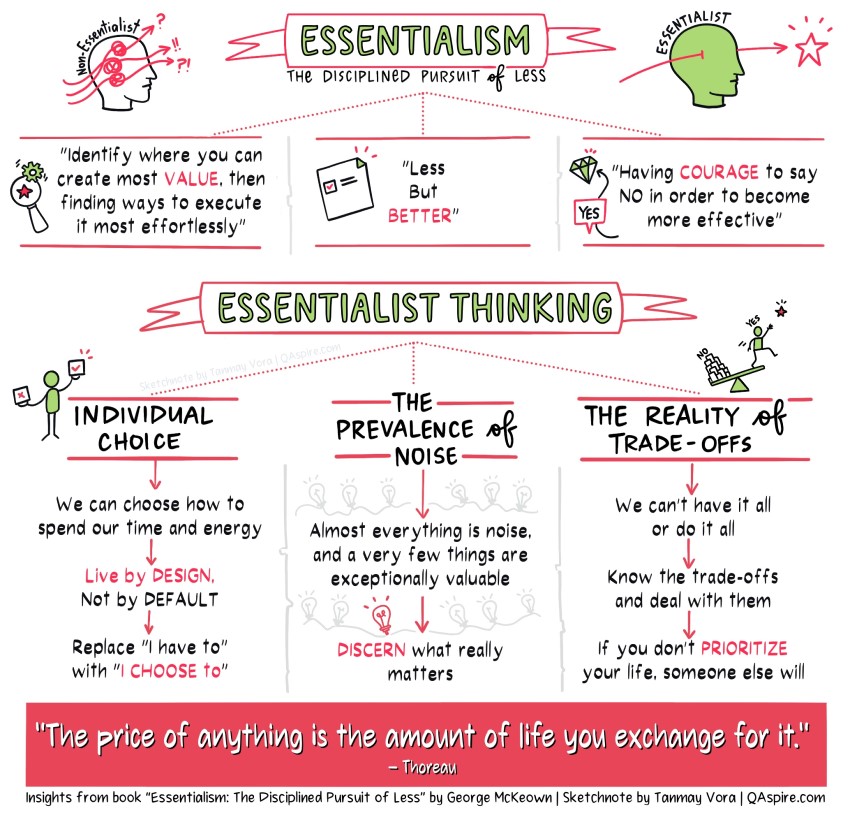
At its core, Brand Essentialism is the disciplined pursuit of “less but better.” It is the rejection of the idea that a brand must be everything to everyone. Instead, it is the strategic choice to focus on the vital few and eliminate the trivial many. In this article, we will explore how Essentialism reshapes brand strategy, design, and market positioning to create deep, lasting resonance with consumers.
The Philosophy of Essentialism in Modern Branding
The traditional approach to branding often follows an additive logic: more features, more sub-brands, more social media platforms, and more demographic targets. However, this “more is better” mentality often leads to brand dilution. When a brand attempts to stand for everything, it eventually stands for nothing. Essentialism flips this script by demanding a relentless focus on the core mission.
Defining the “Vital Few”
The first step in Brand Essentialism is distinguishing the “vital few” from the “trivial many.” This requires a brand to look inward and identify its core purpose—the one thing it does better than anyone else. In a brand context, this means identifying the primary value proposition that solves a specific problem for a specific audience. By stripping away the secondary and tertiary goals that clutter the brand’s message, a company can channel all its energy into perfecting its primary promise.
The Cost of Brand Bloat
Brand bloat occurs when a company expands its product lines or service offerings so far beyond its original expertise that the brand identity becomes blurred. This creates “decision fatigue” for the consumer. When a customer is confronted with twenty different versions of the same product, the brand ceases to be a guide and becomes a source of confusion. Essentialism acts as an antidote to this bloat, advocating for a streamlined portfolio that reinforces the brand’s authority rather than undermining it.
Strategic Minimalism: Crafting a Singular Identity
Strategic minimalism is the execution of Essentialism through design and messaging. It is the art of communicating a complex value proposition through simple, unmistakable cues. This is not just about aesthetic minimalism—like white space or sans-serif fonts—but about the psychological minimalism of reducing the cognitive load on the consumer.
The Power of the “Big Idea”
Every great brand is built on a single, powerful idea. For Volvo, it is “Safety.” For Disney, it is “Magic.” For Nike, it is “Performance.” Essentialism requires a brand to commit to its “Big Idea” with unwavering consistency. When a brand strategy is Essentialist, every marketing campaign, every piece of copy, and every product launch must pass through the filter of this Big Idea. If a new initiative does not reinforce the core identity, an Essentialist brand has the courage to say “no,” even if the opportunity seems profitable in the short term.
Visual Simplification and Brand Recognition
In design, Essentialism manifests as the removal of non-essential elements that distract from the brand’s essence. Think of the world’s most iconic logos: the Apple bitten apple, the McDonald’s Golden Arches, or the Chanel interlocking Cs. These designs are stripped of gradients, shadows, and intricate details. They are “essential” shapes that can be recognized in a fraction of a second. This visual economy is vital in a digital landscape where brands must compete for attention on tiny smartphone screens and amidst the chaos of social media feeds.
Case Studies in Brand Essentialism: The Mastery of Focus
To understand the impact of Essentialism, we must look at the brands that have used it to dominate their respective industries. These companies prove that by narrowing their focus, they have expanded their influence.

Apple: The Master of Saying No
Perhaps the most famous example of Brand Essentialism is Apple’s turnaround in the late 1990s. When Steve Jobs returned to the company, he found a sprawling mess of products, including multiple versions of the same computer and peripheral devices like printers and servers. Jobs famously drew a simple 2×2 grid on a whiteboard: “Consumer,” “Pro,” “Desktop,” and “Portable.” He eliminated 70% of Apple’s product line, focusing the entire company’s genius on just four machines. By saying “no” to a hundred good ideas, Apple was able to say “yes” to the few great ones that eventually revolutionized the music, phone, and tablet industries.
Patagonia: Purpose-Driven Essentialism
Patagonia provides a masterclass in how Essentialism can be applied to brand values. While other outdoor apparel brands chase every trend, Patagonia remains focused on its core mission: “We’re in business to save our home planet.” Their Essentialist approach led to the famous “Don’t Buy This Jacket” advertisement, which urged consumers to think twice before purchasing and to favor quality over quantity. By narrowing their focus to environmental activism and high-quality, long-lasting gear, they have built a brand loyalty that transcends mere consumerism. They aren’t trying to be a general fashion brand; they are an “essential” brand for the conscious adventurer.
Applying Essentialism to Personal Branding
Essentialism is not just for billion-dollar corporations; it is equally vital for personal branding. In the “creator economy,” the individuals who stand out are those who have carved out a specific niche and own it completely.
Finding Your Niche Expertise
The biggest mistake in personal branding is trying to be a “polymath” who talks about everything from cooking to crypto. An Essentialist personal brand focuses on a “niche of one.” By identifying the intersection of your unique skills, your passions, and a market need, you can become the “essential” resource for that specific topic. When you focus your content and networking on a single area, you build authority much faster than if you spread your efforts across multiple disciplines.
Curating Your Digital Presence
An Essentialist approach to personal branding also involves curating your digital footprint. This means choosing one or two platforms where your target audience lives and mastering them, rather than maintaining mediocre profiles on every social network. It also means quality over quantity in content. One deeply researched, highly insightful article or video per month is more valuable for a personal brand than daily posts that offer no real substance. Essentialism in personal branding is about being known for something specific, rather than being vaguely recognized for many things.
The Roadmap to Implementation: Auditing Your Brand
Transitioning to an Essentialist brand strategy requires a rigorous and often difficult audit of current practices. It involves making hard choices and letting go of “vanity metrics” or legacy projects that no longer serve the core mission.
The “Stop Doing” List
Most brand strategies focus on what to do next. An Essentialist strategy starts with what to stop doing. Conduct an audit of your brand’s activities: Which products have the lowest margins? Which marketing channels have the lowest engagement? Which brand partnerships feel misaligned with your values? Create a “Stop Doing” list. By reclaiming the time, money, and energy spent on these non-essential activities, you can reinvest those resources into the initiatives that actually move the needle.
Aligning Action with Core Values
Essentialism is only effective if it is reflected in every touchpoint of the brand experience. This means aligning the internal culture with the external brand promise. If your brand stands for “Simplicity,” but your customer service process is a bureaucratic nightmare, the Essentialism is a lie. True Brand Essentialism requires an end-to-end alignment where the product, the marketing, the user interface, and the corporate culture all sing the same note.
Conclusion: The Future belongs to the Focused
As the global marketplace continues to become more saturated, the value of Essentialism will only grow. Consumers are increasingly overwhelmed and are looking for brands that offer a sense of calm, clarity, and competence. By embracing the disciplined pursuit of less, brands can break through the noise, build deeper trust with their audience, and create a legacy that stands the test of time.
In the end, Brand Essentialism is not about taking things away; it is about making sure that what remains has the maximum possible impact. It is about choosing to be great at one thing rather than average at a dozen. In a world of infinite options, the most “essential” brand is the one that makes the choice easy for the consumer.
aViewFromTheCave is a participant in the Amazon Services LLC Associates Program, an affiliate advertising program designed to provide a means for sites to earn advertising fees by advertising and linking to Amazon.com. Amazon, the Amazon logo, AmazonSupply, and the AmazonSupply logo are trademarks of Amazon.com, Inc. or its affiliates. As an Amazon Associate we earn affiliate commissions from qualifying purchases.