
In the rapidly evolving landscape of the 2020s, the definition of a “hazardous workplace” has undergone a radical transformation. While the industrial age focused on heavy machinery and chemical exposure, the digital age has introduced a more subtle, yet equally pervasive threat: the ergonomic hazard. For software developers, IT professionals, and digital nomads, an ergonomic hazard is not a falling object or a toxic spill; it is the silent misalignment of the human body with the technological tools it utilizes.
An ergonomic hazard refers to any physical factor within the environment that can result in musculoskeletal injuries or systemic strain. In the tech niche, this encompasses everything from the physical design of hardware peripherals to the cognitive load imposed by poorly optimized software interfaces. Understanding these hazards is no longer just a matter of comfort—it is a critical component of professional longevity and technological efficiency.

1. Physical Ergonomic Hazards in Hardware and Workspace Design
The primary interface between a tech professional and their work is hardware. However, the standard design of many gadgets and peripherals often prioritizes aesthetic minimalism or manufacturing cost over human physiology. When the physical interaction between a user and their device is poorly designed, it creates a persistent ergonomic hazard.
The Rise of Repetitive Strain Injuries (RSI) in Programming
Repetitive Strain Injury is perhaps the most well-known ergonomic hazard in the tech world. It occurs when repetitive movements—such as typing on a mechanical keyboard for ten hours a day or utilizing a high-sensitivity mouse—cause damage to tendons, nerves, and muscles. In the context of software engineering, the constant use of “hotkeys” and rapid-fire coding sessions can lead to Carpal Tunnel Syndrome or Tendonitis.
Modern tech trends are addressing this through the development of “split” ergonomic keyboards and vertical mice. These tools aim to keep the forearm in a neutral “handshake” position, reducing the torsional strain on the wrist. For the modern tech worker, failing to adopt these hardware innovations constitutes a significant ergonomic risk.
“Tech Neck” and the Architecture of the Digital Workspace
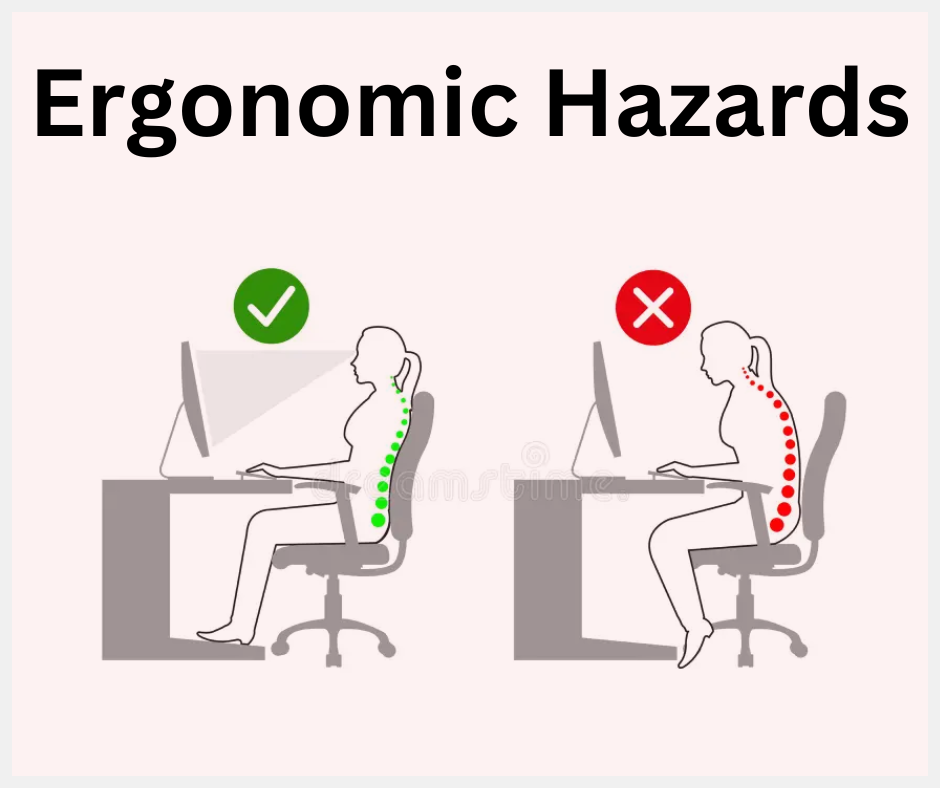
With the shift toward mobile workstations and high-performance laptops, the physical placement of screens has become a major ergonomic hazard. “Tech neck,” or cervical kyphosis, is caused by the repetitive strain of looking down at a screen, which places immense pressure on the cervical spine.
To combat this, the tech industry has seen a surge in monitor arm solutions and laptop risers that encourage a neutral eye-level gaze. Furthermore, the integration of ultra-wide monitors is a double-edged sword; while they increase screen real estate for multitasking, they can also cause neck strain if the user is forced to pivot their head excessively to see “hidden” software windows or sidebars.
The Sedentary Hazard and Standing Desk Integration
Sitting is often cited as the “new smoking” in the tech industry. Prolonged inactivity leads to metabolic slowdown and lumbar strain. The ergonomic hazard here is the static posture. The technological solution has been the rise of “smart desks” or sit-stand workstations. These desks often come with integrated software that prompts the user to change positions at set intervals, utilizing IoT (Internet of Things) connectivity to track activity levels and ensure the user isn’t remaining in one hazardous position for too long.
2. Cognitive Ergonomics: The Software and UI/UX Dimension
Ergonomics isn’t limited to the physical realm. In the tech niche, “cognitive ergonomics” is an emerging field that looks at how software design affects the mental well-being and fatigue levels of the user. A poorly designed user interface (UI) can be just as hazardous to a worker’s productivity and health as a poorly designed chair.
Visual Fatigue and Display Technology
One of the most prevalent ergonomic hazards in the digital age is Computer Vision Syndrome (CVS). This is caused by prolonged exposure to high-energy visible (HEV) blue light and screen flicker. High-resolution displays with low refresh rates can cause micro-strains in the ocular muscles as they struggle to focus on moving pixels.
The tech community has responded with “Dark Mode” settings, blue light filters (both software-based like f.lux and hardware-based in monitors), and E-Ink displays for developers who spend long hours reading documentation. These technological interventions are designed to mitigate the ergonomic hazard of digital eye strain, which can otherwise lead to chronic headaches and decreased cognitive function.
Information Overload and User Interface (UI) Friction
An ergonomic hazard can also manifest as “cognitive friction.” This occurs when a software tool is unintuitive, requiring excessive mental effort to navigate. For developers using complex Integrated Development Environments (IDEs) or sysadmins managing sprawling cloud infrastructures, a cluttered UI can lead to mental exhaustion.
Effective UI/UX design is essentially the “ergonomics of the mind.” By streamlining workflows, utilizing AI to predict user intent, and reducing the number of clicks required to perform a task, software architects can reduce the cognitive ergonomic hazards that lead to professional burnout. This is why “minimalist” coding environments and AI-driven co-pilots are gaining traction—they reduce the mental “drag” of the technology.
The Impact of Notification Fatigue
In the ecosystem of apps and constant connectivity, the “hazard” of interruption is real. Constant notifications from Slack, Jira, and GitHub create a state of hyper-vigilance. This constant switching of contexts is an ergonomic hazard for the brain, leading to increased cortisol levels and reduced “deep work” capabilities. Tech tools that offer “Focus Modes” or AI-driven notification filtering are essential ergonomic defenses in a world of digital noise.
3. The Role of AI and Wearable Tech in Mitigating Hazards
As we move further into the decade, technology is no longer just the source of ergonomic hazards; it is also the primary solution. The intersection of Artificial Intelligence (AI) and wearable technology is creating a new frontier in ergonomic safety.
AI-Driven Posture Monitoring and Correction
One of the most exciting trends in digital security and wellness is the use of computer vision to monitor ergonomics. New software tools utilize a laptop’s webcam to analyze the user’s posture in real-time. If the AI detects that the user is slouching or that their shoulders are tensed, it delivers a gentle on-screen notification to adjust. This “proactive ergonomics” uses machine learning to learn a user’s habits and provide personalized coaching to avoid long-term injury.
Wearable Haptics and Biofeedback
Wearable tech has evolved far beyond the simple step counter. Modern ergonomic wearables, such as smart shirts or posture-correcting sensors that stick to the back, use haptic feedback (vibrations) to alert the user when they have entered a “hazard zone” of physical movement.
Furthermore, smartwatches now track “recovery scores” by analyzing Heart Rate Variability (HRV). For a tech professional, a low recovery score is a signal that the cognitive and physical load of their work environment is becoming an ergonomic hazard, necessitating a break or a change in work intensity.
The Future of Spatial Computing and Ergonomics
With the advent of the Apple Vision Pro and other Mixed Reality (MR) headsets, the ergonomic landscape is shifting again. Spatial computing removes the hazard of being tethered to a fixed monitor, allowing users to place digital windows anywhere in their physical environment. However, this introduces new hazards, such as the weight of the headset on the neck and “vergence-accommodation conflict” in the eyes. The next generation of tech reviews will likely focus as much on the “biocompatibility” of these devices as they do on their processing power.
4. Organizational Strategy: Implementing an Ergonomic Tech Stack
For tech companies and startups, addressing ergonomic hazards is not just a HR requirement—it is a strategic business decision. The “Money” and “Brand” aspects of a company are directly tied to how they manage the physical and mental health of their engineers.
Ergonomics as a Recruiting and Retention Tool
In the competitive landscape of Silicon Valley and global tech hubs, providing a “hazard-free” ergonomic environment is a major brand differentiator. Companies that offer high-end ergonomic chairs (like the Herman Miller Aeron), adjustable standing desks, and a stipend for home office setups are seen as “employee-first” brands. This reduces turnover and prevents the loss of key talent to repetitive strain injuries or burnout.
The ROI of Ergonomic Intervention
From a business finance perspective, ergonomic hazards represent a significant hidden cost. Worker’s compensation claims related to musculoskeletal disorders are among the most expensive for white-collar industries. By investing in ergonomic software tools, high-quality hardware, and professional ergonomic assessments, tech firms can see a massive Return on Investment (ROI) through increased uptime and reduced healthcare premiums.
Integrating Ergonomics into the DevOps Workflow
Forward-thinking tech organizations are beginning to treat “Human Ergonomics” as a part of their “System Health.” Just as a developer monitors a server’s CPU usage to prevent a crash, an organization should monitor its team’s ergonomic “load.” This includes implementing mandatory “no-meeting” days to reduce screen fatigue and encouraging the use of voice-to-text tools to give the hands a break from typing.

Conclusion
What is an ergonomic hazard? In the modern tech world, it is any misalignment between the powerful digital tools we use and the biological reality of the human body. Whether it is the physical strain of a poorly positioned keyboard, the visual fatigue of a flickering screen, or the cognitive exhaustion of a cluttered UI, these hazards are real and impactful.
However, the tech niche is uniquely positioned to solve these problems. Through the use of AI-driven monitoring, ergonomic hardware innovation, and thoughtful software design, we can transform the digital workspace from a site of potential injury into an environment of peak performance. For the tech professional, staying informed about ergonomic hazards is just as important as staying updated on the latest programming language or cybersecurity threat. In the end, your most important piece of hardware is your own body—investing in its ergonomic integrity is the smartest technical decision you can make.
aViewFromTheCave is a participant in the Amazon Services LLC Associates Program, an affiliate advertising program designed to provide a means for sites to earn advertising fees by advertising and linking to Amazon.com. Amazon, the Amazon logo, AmazonSupply, and the AmazonSupply logo are trademarks of Amazon.com, Inc. or its affiliates. As an Amazon Associate we earn affiliate commissions from qualifying purchases.