
The phrase “epidural injection” often conjures images of childbirth, but its applications extend far beyond the delivery room. In essence, an epidural injection is a medical procedure where medication is delivered into the epidural space, a region surrounding the spinal cord. This space acts as a conduit for nerves that carry pain signals from various parts of the body to the brain. By introducing anesthetic and/or anti-inflammatory agents, these injections can effectively block or reduce pain signals, offering significant relief for a wide array of conditions.
While the concept of pain management is age-old, its evolution has been profoundly shaped by technological advancements and a growing understanding of human physiology. In today’s interconnected world, where information is readily accessible and innovative solutions are constantly emerging, understanding procedures like epidural injections becomes increasingly relevant. This article delves into the “what” of epidural injections, exploring their function, applications, and how the broader landscape of technology, brand perception, and financial considerations intersect with this important medical intervention.
The Science Behind the Relief: How Epidural Injections Work
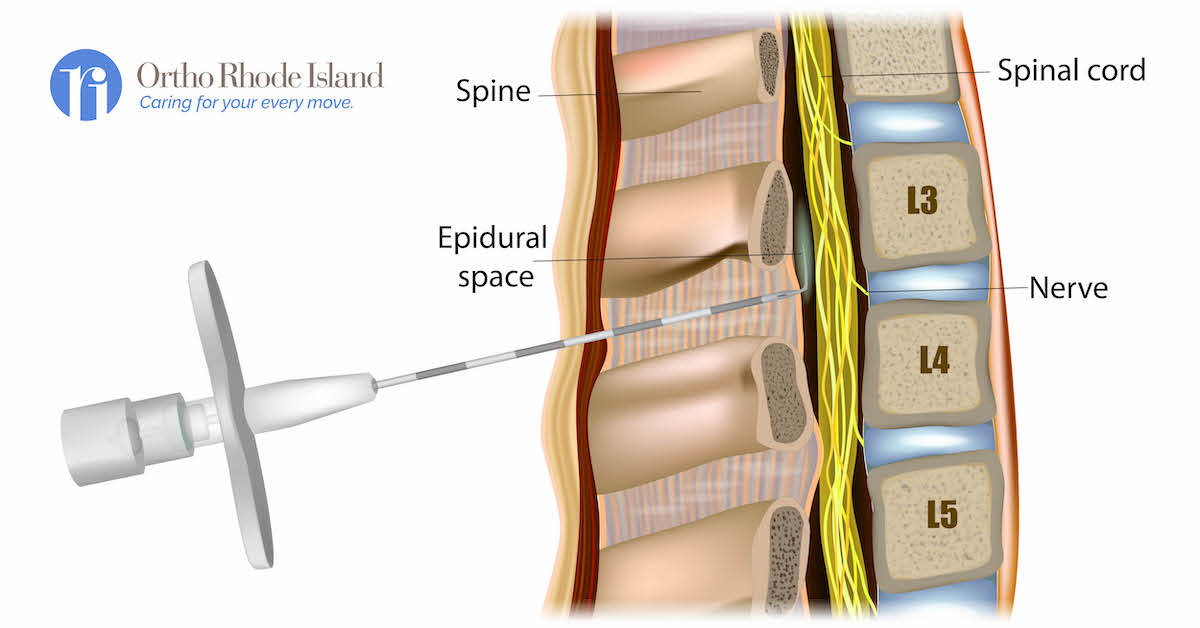
At its core, an epidural injection is a sophisticated application of pharmacological intervention guided by precise anatomical knowledge. The epidural space is a fatty layer that envelops the dura mater, the outermost membrane protecting the brain and spinal cord. This space is rich in blood vessels and contains cerebrospinal fluid (CSF), which bathes the spinal cord.
Targeting the Source of Pain: The Mechanics of Injection
The procedure itself is minimally invasive. A trained medical professional, typically an anesthesiologist or a pain management specialist, will first identify the precise location on the patient’s back where the injection is to be administered. This often involves imaging techniques, such as fluoroscopy (real-time X-ray) or ultrasound, to ensure accurate needle placement. These technologies, themselves products of significant technological development, are crucial for maximizing efficacy and minimizing risks.
Once the target area is identified, a needle is carefully inserted through the skin, muscles, and ligaments to reach the epidural space. The medication, which commonly includes a local anesthetic (like lidocaine or bupivacaine) and sometimes a corticosteroid, is then slowly injected.
- Local Anesthetics: These drugs work by blocking the transmission of nerve impulses, effectively numbing the area. They provide rapid pain relief, which can be crucial for acute pain episodes.
- Corticosteroids: These are powerful anti-inflammatory medications. When injected into the epidural space, they can reduce inflammation around the spinal nerves, which is often a primary contributor to chronic pain. The anti-inflammatory effect can take a few days to become fully apparent but can provide longer-lasting relief than anesthetics alone.
The specific type and combination of medications are tailored to the individual patient’s condition and the nature of their pain. The goal is to deliver the medication directly to the site where the nerves are being irritated or compressed, thereby interrupting the pain signals before they reach the brain.
Understanding the Epidural Space: A Delicate Environment
The epidural space is a critical area, and its precise targeting is paramount. Its proximity to the spinal cord and nerve roots means that accuracy is not just about effectiveness but also about safety. Misplacement of the needle can lead to complications, underscoring the importance of skilled practitioners and advanced imaging technology. The development of smaller, more maneuverable needles and sophisticated guidance systems has significantly improved the safety profile of epidural injections over the years.
Beyond Childbirth: Diverse Applications of Epidural Injections
While the epidural anesthetic is famously known for its role in pain relief during labor and delivery, its therapeutic potential is far broader, addressing a spectrum of painful conditions.
Pain Relief in Chronic Conditions: Managing Long-Term Ailments
Chronic back pain is a pervasive issue, affecting millions worldwide. Epidural injections are a cornerstone of treatment for many individuals suffering from conditions such as:
- Herniated Discs: When the soft inner material of a spinal disc pushes through its outer layer, it can press on nearby nerves, causing significant pain, numbness, and weakness. Epidural injections can reduce the inflammation and pressure on these affected nerves.
- Spinal Stenosis: This condition involves the narrowing of the spinal canal, which can put pressure on the spinal cord and nerves. Epidural steroid injections can help alleviate the inflammation and pain associated with stenosis.
- Sciatica: Characterized by pain radiating down the leg, sciatica is often caused by compression or irritation of the sciatic nerve. Epidural injections can target the source of this irritation, providing relief.
- Degenerative Disc Disease: As discs age, they can lose their cushioning ability and lead to pain. Epidural injections can help manage the inflammatory component of this degenerative process.
Post-Surgical Pain Management: Aiding Recovery

Following certain surgical procedures, particularly those involving the spine or lower extremities, patients may experience significant post-operative pain. Epidural injections can be employed to manage this pain, allowing for a more comfortable recovery period and facilitating earlier mobilization, which is crucial for preventing complications.
Other Painful Conditions: Addressing Niche Applications
The utility of epidural injections isn’t limited to spinal issues. They are also used to manage pain associated with:
- Certain types of cancer: When cancer infiltrates or presses on nerves, epidural injections can provide palliative pain relief, improving the quality of life for patients.
- Post-herpetic neuralgia: This is a painful condition that can occur after a shingles outbreak, and epidural injections can help manage the nerve pain.
- Complex regional pain syndrome (CRPS): While often managed with a multidisciplinary approach, epidural injections can play a role in managing the severe and chronic pain associated with CRPS.
The versatility of epidural injections highlights their importance in the modern pain management armamentarium. Their ability to target specific nerves and provide localized relief makes them a valuable tool for clinicians addressing a wide range of debilitating pain conditions.
The Digital Landscape and Epidural Injections: Tech, Brand, and Finance
The way we access information about medical procedures, the perception of these treatments, and the financial implications all intersect with the modern digital world.
Leveraging Technology for Better Understanding and Access
The internet has democratized access to health information. Websites dedicated to explaining medical procedures, like this one, utilize technology to reach a global audience. Through clear explanations, diagrams, and even video tutorials, individuals can gain a better understanding of what an epidural injection entails.
- AI Tools and Medical Information: Artificial intelligence is increasingly being used to sift through vast amounts of medical literature, helping to identify trends, summarize research, and even aid in diagnosis. While AI won’t perform an epidural injection, it can contribute to the body of knowledge that informs best practices and patient education.
- Telemedicine and Consultations: While an in-person examination is necessary for a definitive diagnosis and treatment plan, telemedicine can play a role in initial consultations and follow-up care. Patients can discuss their symptoms with specialists remotely, gaining insights into whether an epidural injection might be a suitable option.
- Wearable Technology and Pain Monitoring: While not directly part of the injection procedure, wearable devices that track activity levels, sleep patterns, and even subjective pain ratings can provide valuable data for healthcare providers. This data can help them assess the effectiveness of an epidural injection and adjust treatment plans accordingly.
Brand Perception: Trust, Expertise, and Reputation
The “brand” of a medical procedure, or the perception of its safety and efficacy, is heavily influenced by the providers, institutions, and the information disseminated.
- Reputation of Specialists and Clinics: Patients often seek out specialists and clinics with a strong reputation for successful pain management. Online reviews, patient testimonials, and the professional affiliations of doctors contribute to this perceived brand value. A well-established brand instills confidence and trust.
- Marketing and Patient Education: Healthcare providers and institutions utilize marketing strategies to inform the public about their services, including pain management options like epidural injections. This often involves creating accessible content, such as blog posts, webinars, and social media updates, that demystify complex medical topics.
- Corporate Identity in Healthcare: For larger healthcare organizations, their corporate identity plays a role in how patients perceive their pain management services. A commitment to patient care, innovation, and compassionate treatment are all elements of a strong healthcare brand.
The Financial Dimension: Costs, Insurance, and Value
Understanding the financial aspects of medical treatments is a critical concern for most individuals. Epidural injections are no exception.
- Insurance Coverage: The extent to which epidural injections are covered by health insurance varies significantly. Many insurance plans cover epidural injections when deemed medically necessary for specific pain conditions. However, understanding deductibles, co-pays, and pre-authorization requirements is crucial.
- Out-of-Pocket Costs: For individuals without comprehensive insurance or for those facing high deductibles, the out-of-pocket costs of epidural injections can be substantial. This can include the cost of the procedure itself, as well as any associated doctor’s fees or diagnostic imaging.
- Return on Investment (ROI) in Health: While difficult to quantify precisely, the “return on investment” in health through an epidural injection can be significant in terms of improved quality of life, increased ability to work, and reduced reliance on pain medications. The long-term financial benefits of pain relief often outweigh the immediate cost.
- Financial Tools and Planning: Resources for managing healthcare expenses, such as flexible spending accounts (FSAs) or health savings accounts (HSAs), can help individuals set aside pre-tax money to cover eligible medical costs, including epidural injections.

Conclusion: Informed Decisions in Modern Pain Management
An epidural injection is a powerful tool in the modern medical arsenal for managing pain. By understanding the scientific principles behind its effectiveness, the diverse range of conditions it can treat, and the broader context of technology, brand perception, and financial considerations, individuals can make more informed decisions about their healthcare. As technology continues to advance, and as our understanding of pain deepens, procedures like epidural injections will undoubtedly continue to evolve, offering hope and relief to those suffering from debilitating pain. The journey from understanding the basic “what” to navigating the complexities of modern healthcare is one that empowers patients and underscores the critical interplay between science, innovation, and individual well-being.
aViewFromTheCave is a participant in the Amazon Services LLC Associates Program, an affiliate advertising program designed to provide a means for sites to earn advertising fees by advertising and linking to Amazon.com. Amazon, the Amazon logo, AmazonSupply, and the AmazonSupply logo are trademarks of Amazon.com, Inc. or its affiliates. As an Amazon Associate we earn affiliate commissions from qualifying purchases.