
In the modern technological landscape, the term “EPA Certified” serves as a critical benchmark for engineering excellence and environmental responsibility. Established by the United States Environmental Protection Agency (EPA), this certification is a rigorous verification process ensuring that technologies—ranging from high-performance automotive engines to smart home IoT devices—meet stringent federal standards for emissions, energy efficiency, and pollutant reduction. For developers, engineers, and tech enthusiasts, understanding the technical architecture of EPA certification is essential for navigating the future of sustainable hardware and software design.
The Engineering Behind EPA Certification: How Tech Meets Standards
At its core, EPA certification is a technical validation of a product’s operational efficiency. Unlike general quality assurance, EPA standards are rooted in precise chemical and mechanical benchmarks. When a piece of technology is “EPA Certified,” it means its internal systems have been engineered to minimize negative environmental outputs while maximizing resource output.
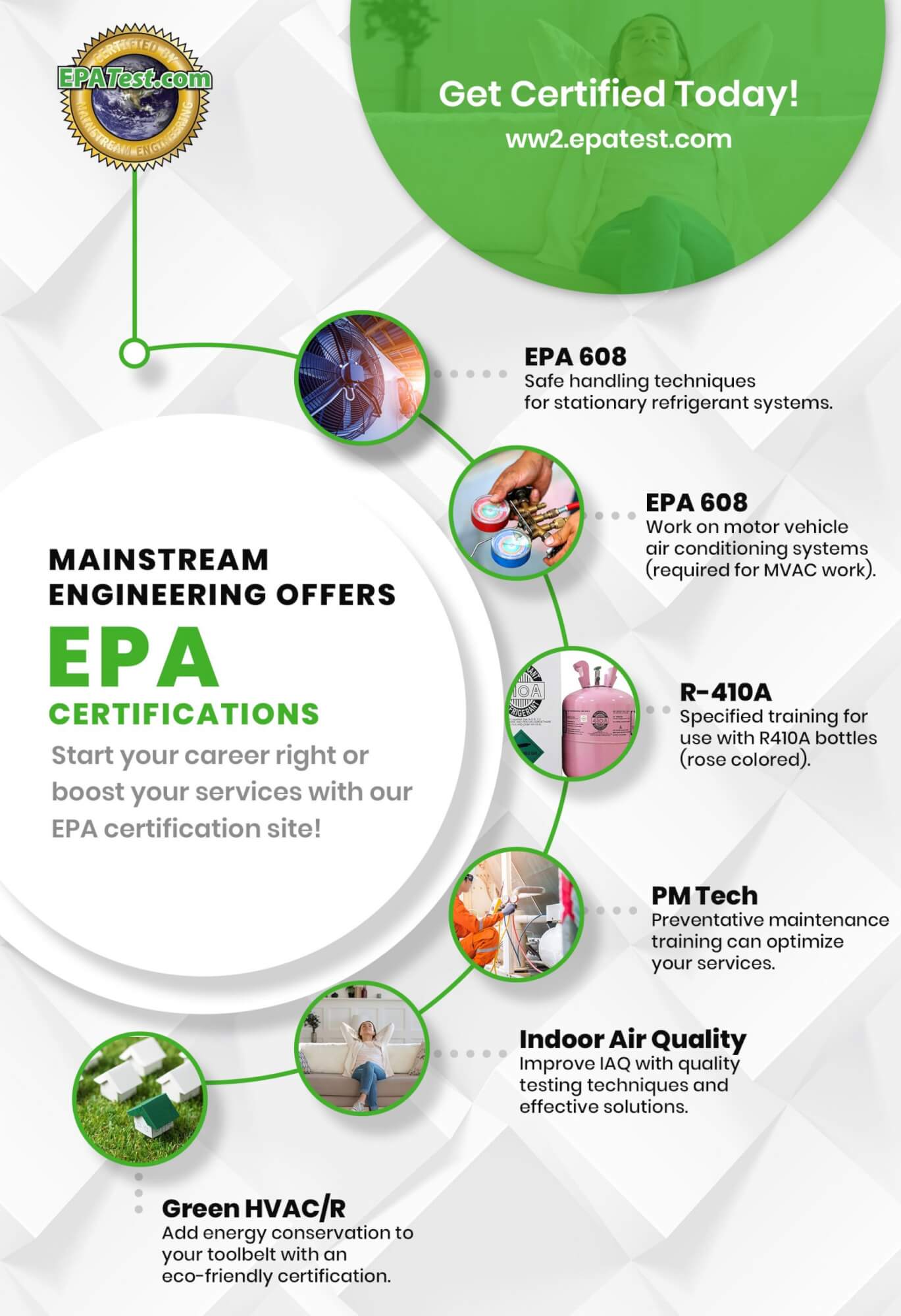
Emissions Control Systems and Smart Sensors
In the realm of mechanical and industrial technology, EPA certification focuses heavily on hardware configurations designed to mitigate toxic byproducts. This involves the integration of advanced sensors that monitor exhaust gases in real-time. For example, modern combustion technology relies on Selective Catalytic Reduction (SCR) and Exhaust Gas Recirculation (EGR) systems. These systems utilize sophisticated sensor arrays to detect levels of Nitrogen Oxides (NOx) and particulate matter.
The technical challenge for engineers is to design hardware that can maintain high performance while the onboard computer constantly adjusts the air-fuel ratio to stay within EPA-mandated limits. This synergy between physical sensors and firmware is the backbone of heavy machinery and automotive certification.
Fuel Efficiency Algorithms and Software Optimization
EPA certification isn’t just about hardware; it’s increasingly about the code that manages that hardware. In the tech sector, Power Management Integrated Circuits (PMICs) and firmware algorithms play a pivotal role. For devices that consume fuel or electricity, the EPA looks at “duty cycles”—simulated sequences of operation that test how the device performs under various loads.
Software developers must write highly optimized code that manages “sleep states” and “low-power modes” to meet Energy Star requirements (a subset of EPA certification). By optimizing how a processor handles background tasks, tech companies can significantly reduce the cumulative energy draw of their devices, allowing them to pass the rigorous efficiency thresholds required for certification.
The Role of IoT and Smart Home Tech in EPA Compliance
As we move toward a fully connected world, the Internet of Things (IoT) has become a primary vehicle for achieving EPA-certified efficiency. The “Smart Home” is no longer just about convenience; it is an ecosystem of EPA-validated technologies designed to reduce the carbon footprint of residential and commercial spaces.
Energy Star and WaterSense: Data-Driven Resource Management
Two of the most prominent EPA-related technical standards are Energy Star and WaterSense. For a gadget to carry the Energy Star badge, it must demonstrate through third-party technical testing that it uses significantly less energy than standard models without sacrificing performance.
In smart appliances, this is achieved through advanced telemetry. For instance, an EPA-certified smart dishwasher uses internal turbidity sensors to measure how dirty the water is, adjusting the cycle length and water temperature dynamically. This technical leap from “timed cycles” to “sensor-driven cycles” is what allows modern gadgets to meet modern environmental standards.
Smart Thermostats and Automated Energy Reduction
Smart thermostats represent the pinnacle of EPA-certified software in the home. These devices use machine learning algorithms to analyze a user’s schedule and local weather patterns to optimize HVAC (Heating, Ventilation, and Air Conditioning) performance.
The EPA’s technical criteria for “Smart Home Energy Management Systems” (SHEMS) require these devices to provide granular data on energy consumption. This allows the system to communicate with the power grid during “peak load” times, automatically adjusting energy draw to prevent grid strain. The certification verifies that the device’s software can reliably execute these complex energy-saving commands without manual user intervention.
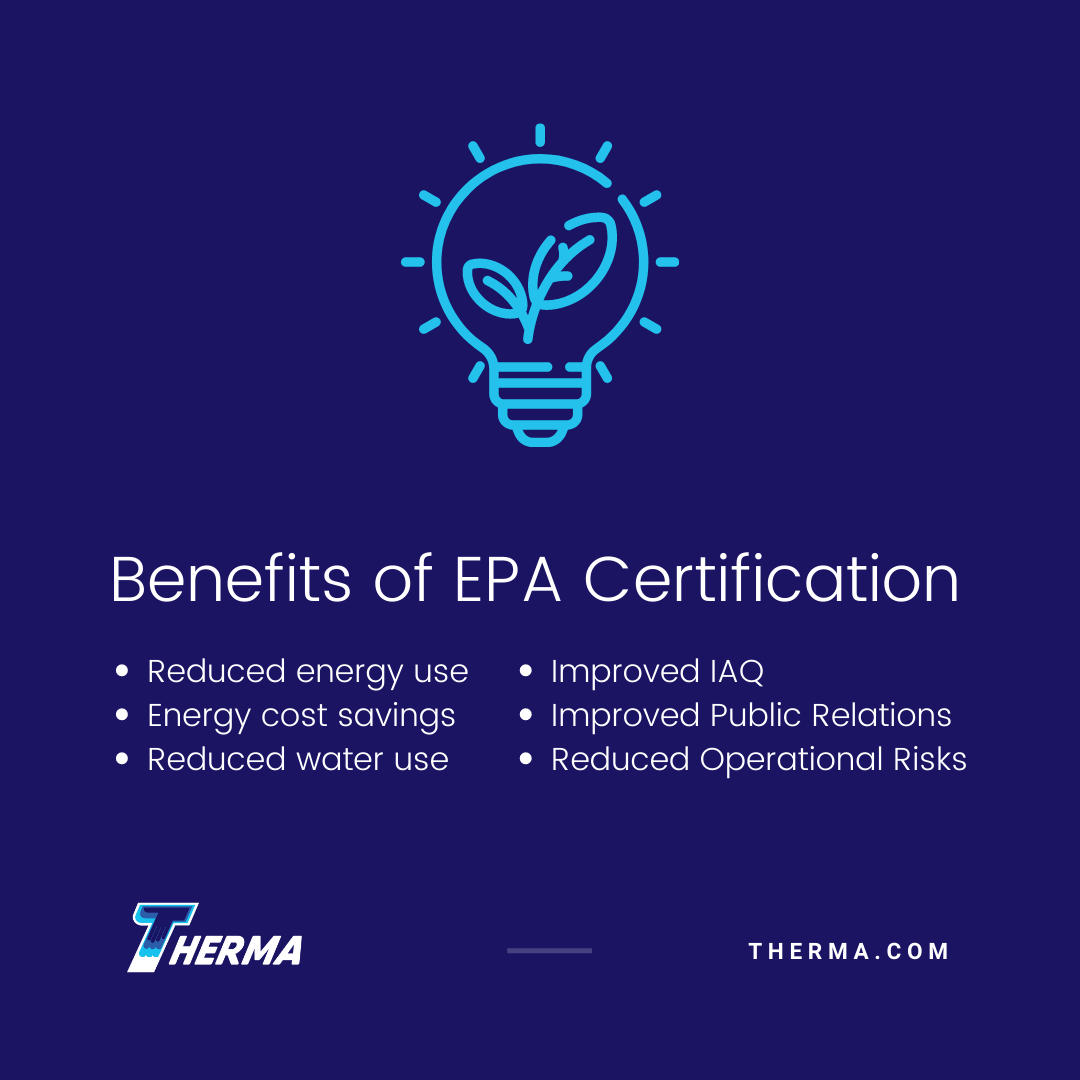
EPA Certification in the Automotive Tech Sector
The automotive industry is perhaps the most visible arena for EPA certification. As the world transitions from Internal Combustion Engines (ICE) to Electric Vehicles (EVs), the technical metrics for certification have evolved from measuring tailpipe emissions to measuring battery efficiency and range.
Electric Vehicle (EV) Efficiency and Battery Benchmarking
For EVs, the EPA provides a “Fuel Economy and Environment” label, but the technical data behind it is focused on MPGe (Miles Per Gallon Equivalent) and kilowatt-hours per 100 miles. Certification requires rigorous testing of the vehicle’s Battery Management System (BMS).
The BMS is a complex piece of tech that monitors the state of charge, thermal management, and cell balancing. To achieve a high EPA range rating, engineers must minimize “vampire drain” (power loss when the vehicle is idle) and maximize regenerative braking efficiency. The EPA’s standardized testing cycles, such as the Multi-Cycle Test (MCT), involve sophisticated dynamometer tech that simulates city and highway driving to ensure the vehicle’s software-reported range matches real-world performance.
Diagnostic Software and On-Board Compliance Monitoring
A critical technical component of EPA certification is On-Board Diagnostics (OBD-II). The EPA requires that all modern vehicles include a standardized hardware interface and software protocol that allows for the monitoring of emission-related components.
If a sensor fails or a system begins to operate outside of its certified efficiency parameters, the software must trigger a “Malfunction Indicator Light” (MIL). This level of built-in technical oversight ensures that the technology remains compliant throughout its lifecycle, not just when it leaves the factory. For developers, this means building robust error-handling and diagnostic routines that can withstand years of operational stress.
The Future of EPA Standards: AI, Blockchain, and Green Tech
As environmental challenges become more complex, the technology used to achieve EPA certification is becoming more advanced. We are entering an era where artificial intelligence and decentralized data systems are used to prove and maintain compliance.
AI-Powered Predictive Compliance
Modern industrial plants are now utilizing AI to predict when a system might fall out of EPA compliance. By using “Digital Twins”—virtual replicas of physical hardware—engineers can run simulations to see how hardware wear-and-tear affects emissions or energy draw.
These AI models analyze terabytes of sensor data to suggest real-time adjustments to hardware parameters. This proactive approach to technology management ensures that large-scale systems stay within the technical bounds of their EPA certification, preventing costly hardware failures and environmental violations.
Decentralized Ledgers for Environmental Transparency
Looking forward, there is a growing interest in using blockchain and decentralized ledger technology to track EPA certification and compliance data. By recording a device’s energy usage or emissions output on an immutable ledger, companies can provide verifiable, tamper-proof evidence of their technological efficiency.
This “Tech-Led Transparency” would allow for more dynamic EPA certification, where a product’s status could be updated in real-time based on its actual performance data streamed to the cloud. This would shift the certification model from a one-time “snapshot” at the laboratory to a continuous “lifecycle” validation.

Conclusion: Why Tech Professionals Must Prioritize EPA Standards
EPA certification is much more than a regulatory hurdle; it is a framework for technical innovation. It challenges engineers to find the “sweet spot” where high-performance hardware meets maximum efficiency software. Whether it is designing a more efficient semiconductor, a smarter HVAC algorithm, or a high-capacity EV battery, the technical requirements set by the EPA serve as the North Star for sustainable development.
As the tech industry continues to face scrutiny over its environmental impact, the ability to engineer EPA-certified solutions will be the hallmark of the most successful companies. By integrating environmental benchmarks into the earliest stages of the product development lifecycle, tech leaders can ensure that their gadgets and systems are not only cutting-edge but also verified contributors to a cleaner, more efficient digital future. For the consumer, the “EPA Certified” mark remains the gold standard of technical trust, signaling that the device in their hand or the car in their garage is a masterpiece of modern, responsible engineering.
aViewFromTheCave is a participant in the Amazon Services LLC Associates Program, an affiliate advertising program designed to provide a means for sites to earn advertising fees by advertising and linking to Amazon.com. Amazon, the Amazon logo, AmazonSupply, and the AmazonSupply logo are trademarks of Amazon.com, Inc. or its affiliates. As an Amazon Associate we earn affiliate commissions from qualifying purchases.